

Eyeshadow has long been a central piece of makeup. Whether in subtle tones for daily wear or bold shades for stage lights, it shapes how eyes are seen and how faces are framed. From ancient pigments to modern palettes, it has evolved into a product of both art and science.
The question of liquid eyeshadow versus powder matters because formulas behave differently. Each interacts with skin, tools, and time in unique ways. Some artists swear by the glide of liquid, while others stay loyal to the classic press of powder. Knowing the science behind this debate helps users make thoughtful choices.
Understanding Liquid Eyeshadow
Liquid eyeshadow is a suspension of pigments in a fluid base. It spreads easily, often with a doe-foot applicator or fingertip, and then sets as the liquid dries. Because of its format, it can cling closely to the skin, giving bold color payoff without much layering.

What liquid eyeshadow is and how it works
Most formulas rely on water or silicone-based carriers mixed with pigments and binders. As the liquid evaporates, the pigments lock into place. This makes liquid shadows popular for quick, vivid looks. The mechanism is simple: fluid for glide, dry-down for hold.
Common textures and finishes in liquid eyeshadows
Liquid eyeshadows appear in multiple textures—thin washes for a sheer glow, creamy gels for metallic shine, and mousses for velvety finishes. Some formulas are designed to be blendable before they set, while others fix almost instantly, requiring faster application.
Understanding Powder Eyeshadow
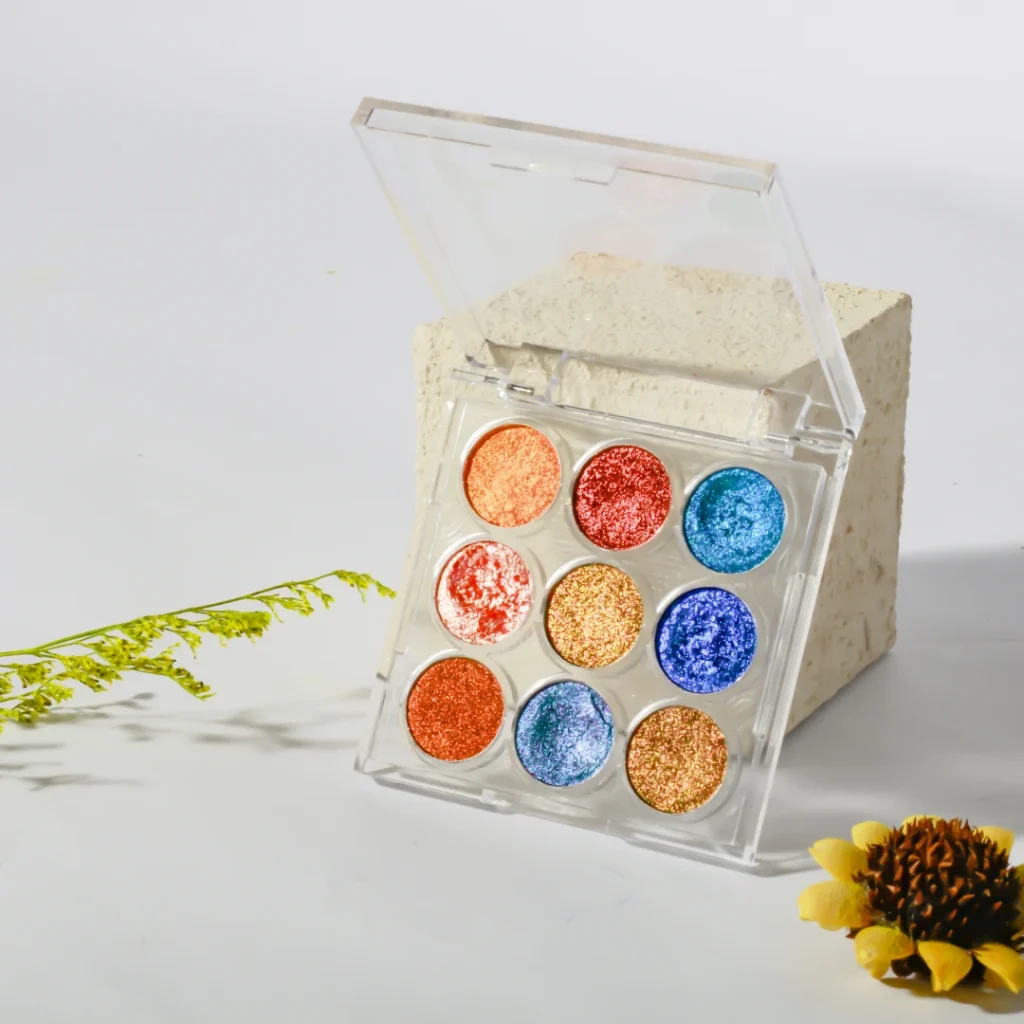
Powder eyeshadow is the most traditional form. Finely milled pigments are pressed into pans or sold loose. When applied with brushes, the powder layers on the skin, offering buildable coverage. Its dry texture allows blending of multiple shades for depth and gradient effects.
What powder eyeshadow is and how it works
Powders combine pigments, binders, and sometimes oils, but the formula stays dry. Brushes pick up particles and distribute them over primed lids. Because particles can scatter, blending is key to even application, and fallout is a common byproduct.
Common textures and finishes in powder eyeshadows
Powder eyeshadows span matte, satin, shimmer, and glitter finishes. Matte offers soft, natural definition, while shimmer and metallics provide shine. Powders are versatile because users can layer lightly for subtlety or pack on more product for dramatic results.
Comparing Liquid vs. Powder Eyeshadow
The choice between liquid and powder eyeshadow often comes down to technique, effect, and comfort. Both formats serve the same purpose, yet their behavior on the skin differs in ways that matter for application and finish.
Ease of application for beginners and experts
Liquid shadows tend to be straightforward for beginners: swipe, blend, and wait for it to set. But quick dry-down can frustrate users who need more time. Powders, on the other hand, demand brushes and blending skills, though they allow slower corrections. Experts often prefer powders for complex looks.
For example, a teen trying makeup for the first time may find a single metallic liquid shadow easy to use. A seasoned artist working backstage might choose powders to layer multiple tones across many models in a hurry.

Blendability and layering potential
Powder eyeshadows excel in layering. You can add light washes, deepen corners, or mix finishes without much trouble. Liquid eyeshadows can layer too, but only before they dry. Once set, blending is minimal unless a new layer is applied on top, and even then it risks patchiness.
In practice, powders behave like watercolor paints, forgiving and gradual. Liquids are closer to ink—bold but less forgiving. The choice depends on whether the user values precision or flexibility.
Pigment intensity and color payoff
Liquids usually deliver strong, saturated pigment in one swipe. The wet base enhances vibrancy and can create a foil-like effect. Powders often require building up to match that intensity, though they allow more nuanced control of shade depth.
However, powder textures give a softer finish that can be easier to wear during the day. Liquids lean bold, ideal for statement looks or high-impact color. It’s not a matter of better or worse—it’s about the level of drama a person wants.
Longevity and Wearability of Liquid vs. Powder
Eyeshadow is not just about color—it’s about how well it stays in place. The way pigments bond to skin differs between liquid and powder formulas, and this explains why some looks last through the day while others fade fast.
How long liquid eyeshadow lasts on the lids
Liquid eyeshadow often forms a thin film once it dries. This layer helps it resist smudging and can stay intact for hours. On oily eyelids, though, it may crease unless paired with primer. Many users notice liquids staying vivid from morning to late afternoon without much touch-up.
Imagine a student applying a liquid metallic shade before school. By the time classes end, the shimmer may still look nearly fresh. The quick-setting nature creates staying power, though the same feature makes blending tricky.
Staying power of powder eyeshadow
Powder eyeshadow depends heavily on skin prep. Without a base or primer, powders can fade in just a few hours. With the right foundation or setting spray, they can last all day, but the pigment may soften as oils and movement break it down.
For example, a soft brown matte powder may look strong in the morning, then appear muted by evening. Yet powders remain easier to refresh—simply layer more color on top, something less possible with set liquids.
Skin Type and Eye Shape Considerations
Choosing between liquid and powder eyeshadow is not only about color or trend. Skin type and natural eye shape play big roles in how each formula looks and lasts. Understanding these factors can help avoid creasing, fading, or uneven results.
Which formula works best for oily lids
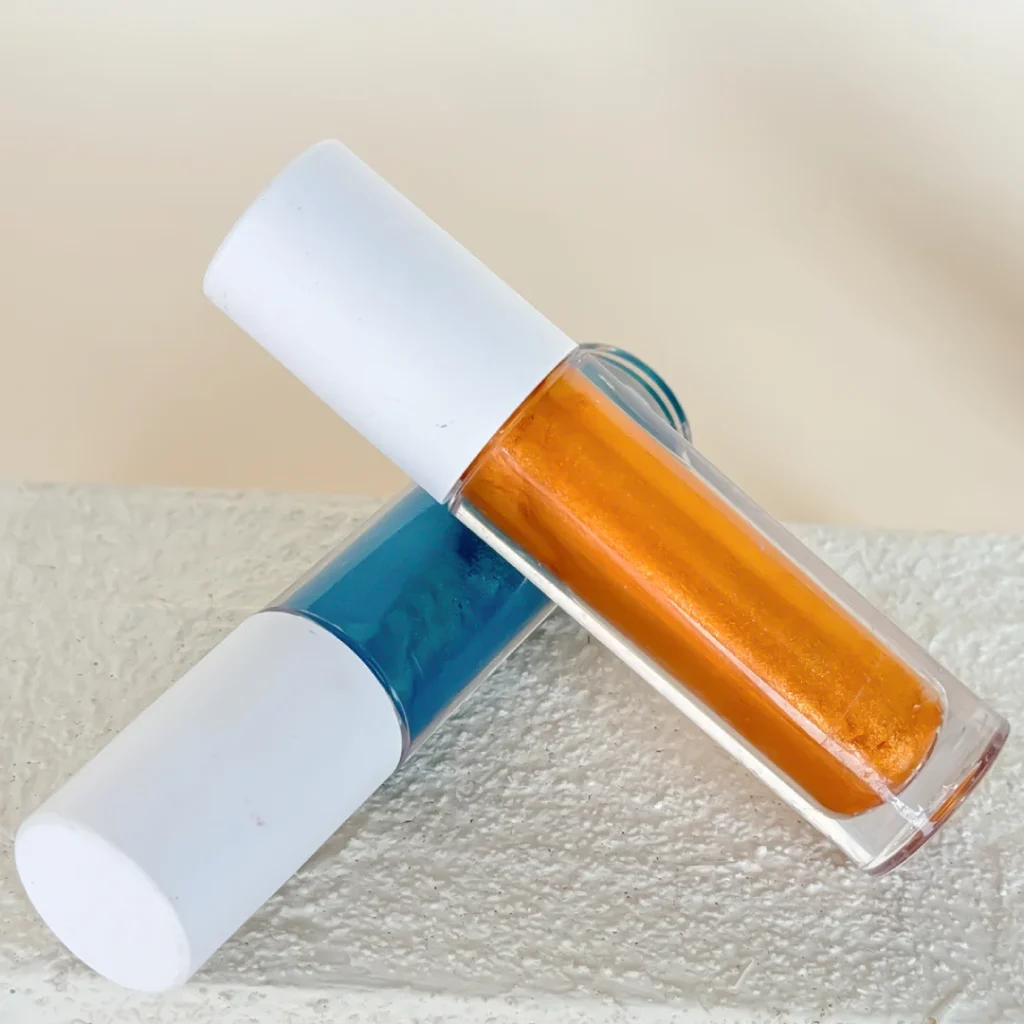
Oily eyelids often break down powders quickly, leaving patchy color. Liquid eyeshadow can stick better since it dries into a film, but it may crease if too much product is applied. A thin layer plus primer usually works best.
Think of it like painting on glass: powders slide off easily, while liquids grip better but need careful handling. For those with very oily lids, using setting spray can help both types hold longer.
How eye shape can affect application results
Eye shape influences where shadows settle. For deep-set or hooded eyes, powder formulas allow more control when blending into folds. Liquid may transfer before drying. For monolids, liquids can give bold, smooth color but may need patience during application.
In practice, a hooded-eye user might prefer powders for precision, while someone with wide lids might enjoy the speed of liquids. Matching formula to anatomy avoids frustration and supports more consistent looks.
Health and Safety Considerations
When comparing liquid and powder eyeshadows, safety is just as important as performance. Ingredients and skin sensitivities can affect whether a product feels comfortable or causes irritation.
Ingredients to watch for in liquid eyeshadow
Liquid formulas often use water, film-forming agents, and preservatives to keep them stable. Some may include alcohols that help dry quickly but can feel harsh on sensitive skin. Fragrance and certain dyes may also cause stinging if they migrate near the lash line.
Dermatologists note that preservatives like parabens or formaldehyde-releasing agents are rare but possible triggers for irritation (FDA, 2022). Patch testing on the inner arm before eye use is a smart step, especially for kids or sensitive users.
Common sensitivities with powder eyeshadow
Powder shadows rely on talc, mica, and pigments for texture and color. While usually safe, some users report dryness or itchiness from repeated use. Talc has raised safety debates, though cosmetic-grade talc used in eyeshadows is regulated for purity (American Cancer Society, 2023).
In some cases, ultrafine shimmer particles can cause discomfort if they fall into the eye. People with dry or allergy-prone skin may prefer creamier or liquid formulas to avoid flaking. Careful removal at night reduces the risk of irritation from residue.
Situational Use of Eyeshadow Formulas
Not every makeup setting calls for the same product. The choice between liquid and powder eyeshadow often depends on the context, time available, and desired finish.
Everyday makeup vs. special occasions
For daily wear, many prefer powder eyeshadow because it offers subtle finishes and is easy to control. A light matte brown in powder form, for example, can give definition without looking heavy. Liquid shadows, though, often shine in evening or event looks, where shimmer or metallic effects stand out under bright lights.
Special occasions, such as weddings or stage performances, may also require longer wear. Liquid formulas, with their film-like layers, can last through dancing or heat, while powders might need a primer to stay put. The choice often comes down to balancing durability with desired texture.
Quick looks vs. detailed artistic styles
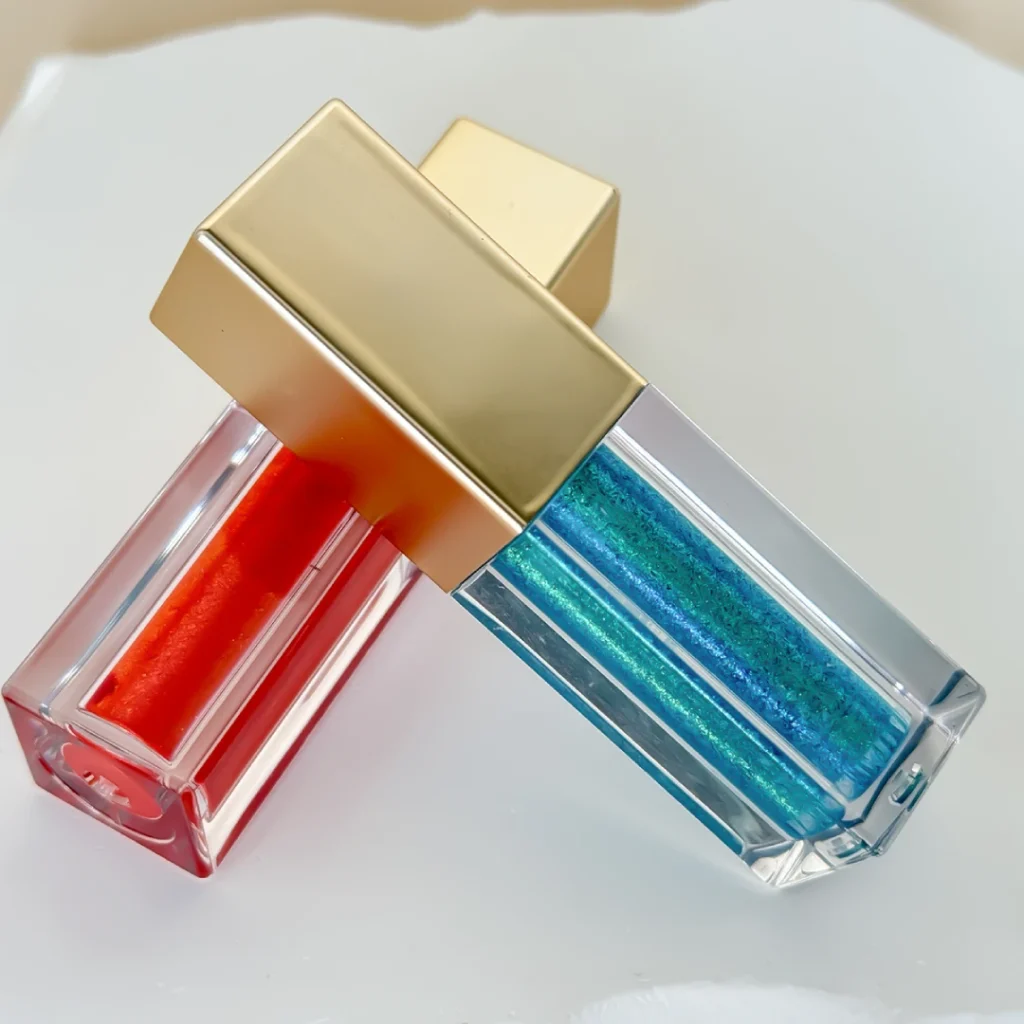
Liquid eyeshadow is a favorite for quick morning routines. A single swipe of metallic liquid can brighten the eyes in seconds, with little need for blending. This makes it handy for busy parents, students, or anyone short on time.
In contrast, powders lend themselves to more detailed or layered artistry. Makeup artists often reach for powders when creating gradients, smoky looks, or complex color blends. Because powders can be built up slowly, they give more room for experimentation and correction.
Historical and Cultural Perspectives on Eyeshadow Use
Eyeshadow is not a new invention. Across cultures and centuries, different forms of eye pigments have carried meaning, from daily wear to ritual use. The shift from natural powders to advanced liquid formulas reflects how beauty traditions evolve with science and society.
Traditional powder-based pigments in history
Powdered pigments have been around for thousands of years. Ancient Egyptians used malachite and kohl not only for beauty but also for cultural and spiritual reasons. In Asia, ground minerals and plant-based colors were applied to highlight the eyes during festivals or ceremonies.
Powder was practical because it was easy to create with natural materials. It could be stored, shared, and applied with simple tools. This made it the dominant form of eye color across most early civilizations, setting the foundation for what we now know as powder eyeshadow.
The rise of liquid formulas in modern beauty trends
Liquid eyeshadow is a much more recent development, tied to advancements in cosmetic chemistry. In the late 20th century, emulsions and polymers made it possible to suspend pigment in fluid carriers that dried quickly on the skin.
Today, liquid shadows are often linked to modern makeup culture, with their bold metallics and glossy finishes appearing in social media tutorials and runway shows. Unlike powders, they reflect a shift toward convenience, speed, and high-impact looks favored by younger audiences.
>> What Type of Eyeshadow Is Best for Mature Eyes?
Expert Techniques for Maximizing Each Formula
Even experienced makeup users find that each eyeshadow type has tricks to achieve optimal results. Understanding these techniques helps both beginners and professionals get the best finish without frustration.
How to get the best finish with liquid eyeshadow
For liquid eyeshadows, thin layers are key. Applying too much at once can lead to streaks or patchiness. Use a fingertip or a dense synthetic brush to gently spread the color, then allow it to set. Layering before the first coat dries can create subtle gradients, while a single swipe delivers bold intensity.
Priming the eyelid improves adhesion and prevents creasing. Some artists also use a translucent powder over liquids to mattify or reduce shine when a softer effect is desired.
Pro tips for blending powder shadows seamlessly
Powder eyeshadows rely on gradual layering. Start with lighter shades as a base, then build depth with darker tones. Use fluffy brushes for blending edges and denser brushes for concentrated color in the crease.
Clean brushes and a light hand are essential to avoid muddying colors. Many pros also tap off excess powder before application to prevent fallout and preserve pigment integrity. Blending in small circular motions ensures a smooth transition between shades, creating professional, seamless results.

Environmental and Practical Factors
Choosing the right eyeshadow also depends on how and where it will be used. Storage conditions, climate, and portability affect both liquid and powder formulas, influencing longevity and ease of application.
>> How do you apply eyeshadow like a pro for beginners?
Storage, shelf life, and portability
Liquid eyeshadows often come in sealed tubes or pots to prevent drying, but they can become thick or separate over time. Properly closing containers and storing them in cool, dry places prolongs their shelf life. Powders are more forgiving in storage but are prone to breakage if dropped.
Portability matters too. Liquids may leak if jostled in bags, while powders can crumble but are easier to layer quickly on the go. Many makeup artists carry mini palettes or travel-size tubes to balance convenience with safety.
Impact of climate and temperature on formula performance
High heat can cause liquid shadows to become too runny, while cold may thicken them, making blending harder. Humidity can affect powders, causing clumping or fading. Adjusting technique—like tapping off excess powder or working in thin liquid layers—helps maintain consistent results.
Awareness of these environmental factors ensures that both formulas perform reliably, whether for daily wear, photoshoots, or special events.
Conclusion
Choosing between liquid and powder eyeshadow depends on your needs, skin type, and desired look. Both formulas offer unique benefits, and understanding their strengths helps achieve long-lasting, precise, and safe results for any occasion.
>> Top 10 Secrets to Finding the Best Makeup Eyeshadow Palette