

Lip color can strongly influence how youthful or mature a face appears. The right lipstick makeup can enhance natural features, brighten skin tone, and create the impression of vitality.
Choosing shades strategically helps balance facial contrast and harmony. By understanding color science, anyone can select lipstick colors that subtly enhance youthfulness without looking unnatural.
The Science Behind Lip Color and Youthfulness
Research shows that brighter, warmer lip colors can make lips appear fuller and more vibrant, which is associated with youth. Subtle changes in hue affect perceived skin radiance and age.
Lipstick makeup interacts with light, shadows, and surrounding facial features. Soft pinks, corals, and rosy tones tend to lift the face visually, while overly dark or dull colors may age the appearance.
How Lip Contrast Impacts Facial Features
The contrast between lip color and skin tone affects perceived age. High contrast can draw attention to fine lines, while moderate contrast can create a fresh, natural look.
Makeup artists often use this principle to select shades that enhance the mouth without overpowering the face. Gradual blending and layering of lipstick help maintain balance and harmony.
The Role of Skin Tone in Lip Color Selection
Skin undertones guide which lipstick shades look most youthful. Warm undertones pair well with peachy and coral shades, while cool undertones suit soft pinks or berry hues.
Adjusting lipstick makeup for seasonal skin changes or lighting conditions also helps maintain a fresh, youthful appearance. The goal is a natural flush that complements the overall complexion.
Best Lipstick Shades for a Youthful Look
Choosing the right lipstick shade is essential to achieving a fresh, youthful appearance. Soft, warm, and vibrant tones often enhance the natural glow of the skin and give lips a healthy, lifted look.
By understanding which colors complement your undertone and facial features, you can select lipstick shades that create harmony, subtly reducing the visual signs of aging while enhancing your smile.
Soft Pinks and Rosy Tones
Soft pinks and rosy tones are timeless choices for a youthful look. These shades mimic a natural flush, adding life to the lips without appearing heavy or artificial.
They work well with various skin tones and can be applied lightly for daywear or layered for more vibrancy. Lipstick makeup in these hues often brightens the face and creates a soft, approachable aesthetic.
Coral and Peach Shades
Coral and peach shades add warmth and energy to the face. These colors are particularly effective for medium to warm skin tones, providing a natural glow that complements the complexion.
Layering a coral or peach lipstick can enhance lip fullness and subtly lift facial features. These shades are versatile for casual, professional, and daytime makeup looks.
Subtle Reds and Berry Hues
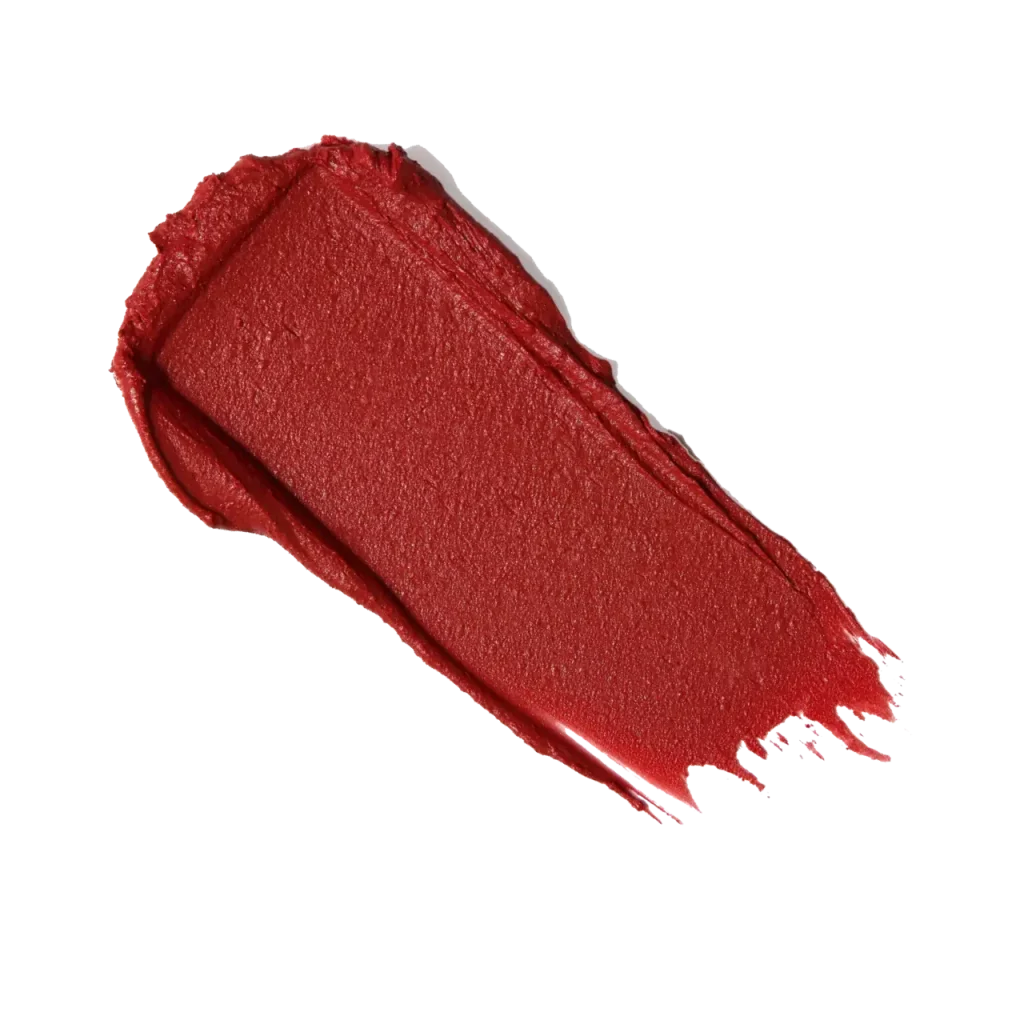
Subtle reds and berry hues give a polished, sophisticated touch while remaining youthful. Unlike deep or dark reds, these tones avoid creating harsh contrasts that can emphasize fine lines.
Berry and muted red lipsticks can be applied as sheer washes or built up for evening events. When combined with balanced eye makeup, they offer a classic, age-defying finish.
Lip Finishes and Their Age-Defying Effects
The finish of your lipstick plays a key role in achieving a youthful look. Different textures—from creamy to matte—interact with light and skin to enhance or soften facial features.
Creamy vs. Matte Formulas
Creamy lipstick formulas provide a smooth, hydrated finish that reflects light, making lips appear fuller and softer. These are ideal for creating a youthful, natural effect without harsh edges.
Matte formulas, while long-lasting, can sometimes emphasize fine lines if not carefully applied. Choosing a soft, semi-matte version or layering with a hydrating balm can maintain a polished, age-defying look.
Gloss and Sheer Finishes for Radiance
Glossy and sheer finishes help reflect light, giving the lips a fresh, dewy appearance. This subtle shine can create the illusion of plumpness and vitality, enhancing youthfulness.
Sheer finishes allow for more flexibility, blending with natural lip color for a soft, radiant effect. They work well for casual daytime wear and can be layered for more impact during evening looks.
>> Why Does Lipstick Feel Dry? The Science Behind It
Balancing Shine and Pigmentation
The right balance between shine and pigmentation is essential. Overly shiny or highly pigmented lipstick can appear heavy, while moderate color with gentle luster complements the natural lips.
By adjusting lipstick makeup intensity and finish, users can highlight lip shape, soften shadows, and maintain a youthful, vibrant appearance that works across different occasions and lighting conditions.
How Undertones Influence the Right Lip Color
Skin undertones play a crucial role in selecting lipstick shades that enhance youthfulness. Understanding your natural undertone ensures lipstick makeup complements rather than clashes with your complexion.
Correctly matching undertones with lip color can brighten the face, harmonize features, and subtly reduce the appearance of aging. This knowledge helps in achieving a fresh, balanced look for any occasion.

Identifying Warm vs. Cool Undertones
Warm undertones often have yellow, golden, or peachy hues, while cool undertones lean pink, red, or bluish. Identifying your undertone is the first step to choosing flattering lipstick shades.
Simple tests, like checking the color of your veins or how your skin reacts to certain jewelry, help determine your undertone. Lipstick makeup applied in harmony with your undertone enhances vibrancy and overall youthfulness.
Matching Lip Color to Skin Undertone
Once you know your undertone, selecting lipstick becomes more precise. Warm undertones pair well with peach, coral, or warm reds, while cool undertones suit rosy pinks, berries, and blue-based reds.
Proper matching ensures that the lipstick enhances natural lip color and skin tone, providing a balanced, lifted appearance. Makeup artists often emphasize undertone alignment to achieve age-defying effects.
Adjusting Shades for Seasonal Skin Changes
Skin tone can subtly shift with seasons due to sun exposure or climate. Adjusting lipstick shades accordingly helps maintain a youthful, harmonious appearance throughout the year.
For example, deeper corals or pinks may suit summer warmth, while muted rosy or berry tones complement winter paleness. Tailoring lipstick makeup to seasonal changes ensures lips always appear fresh and vibrant.
Techniques to Make Lips Appear Fuller and Younger
Proper techniques can enhance the lips’ natural shape, making them appear plumper and more youthful. Lipstick makeup isn’t just about color—it’s about strategic application and definition.
Using simple methods like lining, highlighting, and layering can create depth, dimension, and a naturally lifted look without overdoing it. These techniques suit both beginners and advanced users.

Lip Liner for Definition
Lip liner helps define the edges of the lips, creating a polished, precise look. Choosing a liner close to your lipstick shade ensures natural enhancement without harsh outlines.
It can also subtly reshape the lips by slightly extending the natural edge, giving the illusion of fullness. Pairing liner with lipstick makeup increases longevity and prevents feathering throughout the day.
Highlighting and Contouring Lips
Applying a subtle highlight to the center of the lips and a soft contour along the edges adds dimension and volume. This technique creates the appearance of plump, youthful lips.
Light-reflecting powders or creamy shades can be combined with lipstick to enhance this effect. Proper blending ensures the look remains natural and age-defying rather than exaggerated.
Layering Lip Colors Strategically
Layering multiple lipstick shades adds depth and richness. Starting with a base color and layering lighter or complementary shades on top can make lips appear fuller and more vibrant.
This approach also allows customization of intensity and finish. By adjusting opacity and blending layers, lipstick makeup can emphasize natural shape, enhance tone, and achieve a fresh, youthful appearance.
Common Mistakes That Age Your Lips
Choosing the wrong lipstick shades or applying them incorrectly can unintentionally add years to your appearance. Understanding these common pitfalls helps maintain a youthful, vibrant look.
Lipstick makeup isn’t only about color; texture, hydration, and application technique all influence how lips and surrounding features are perceived. Avoiding these mistakes ensures lips appear fresh and lively.

Overly Dark or Dull Shades
Dark or overly muted lipsticks can create a stark contrast with the skin, emphasizing fine lines and shadows. These shades often make lips appear thinner and less vibrant.
Instead, choosing softer, warmer, or brighter tones maintains a youthful effect. Lipstick makeup in rosy, peach, or subtle red shades tends to brighten the face without overpowering natural features.
>> Why Matte and Glossy Lipsticks Are the Top Choices for Brands
Dry or Chapped Lip Appearance
Applying lipstick on dry, cracked, or chapped lips can accentuate imperfections, making the mouth look older. Smooth, hydrated lips are essential for an age-defying look.
Prepping lips with balm or a lightweight primer before applying lipstick ensures even color distribution. Maintaining moisture enhances the appearance of fullness and vitality in any makeup look.
Heavy Matte Without Hydration
While matte lipsticks can last long, overly dry or thick formulas can make lips appear flat and emphasize texture. This often detracts from a youthful, fresh look.
Layering a creamy or slightly hydrating lipstick formula or using a light gloss over matte shades can balance pigmentation and shine. This strategy helps lipstick makeup maintain a soft, age-defying finish.
Complementing Lipstick with Overall Makeup
Lipstick doesn’t work in isolation. Coordinating it with the rest of your makeup ensures a harmonious, youthful look. Strategic choices in eyes, foundation, and blush can enhance the impact of lip color.
When lipstick makeup is balanced with other facial features, it creates a polished, age-defying appearance. Even subtle adjustments can brighten the face and bring out natural radiance.
Coordinating with Eye Makeup
Eye makeup should complement, not compete with, lipstick. Soft, neutral eyes can highlight a vibrant lip, while bolder eye looks pair best with muted or sheer lipstick shades.
Matching the intensity and finish of lipstick with eye makeup maintains harmony. For example, glossy lips with minimal eyes create a fresh daytime look, while matte lips with defined eyes suit evening settings.
Balancing Foundation and Lip Color
Foundation tone and coverage affect how lipstick appears on the lips. Even, well-blended foundation allows lipstick makeup to stand out without highlighting imperfections or creating harsh contrasts.
Adjusting foundation slightly for warmth or coolness can also enhance the lip color. This balance ensures lips appear vibrant, youthful, and naturally integrated with the rest of the face.
Using Blush to Enhance Youthful Appearance
Blush placement and color work hand-in-hand with lipstick. A soft flush on the cheeks can lift the face visually and enhance the effect of lip color, creating harmony and vitality.
Choosing blush shades that match lipstick undertones ensures cohesion. Combined with lipstick makeup, this approach brightens the overall complexion and emphasizes a naturally youthful appearance.

Seasonal and Occasion-Based Lip Color Choices
Lipstick shades can be adapted to different seasons and occasions to maintain a youthful, fresh appearance. Seasonal adjustments help harmonize lip color with natural skin changes and lighting.
By understanding how tone, finish, and intensity interact with the environment, lipstick makeup can enhance vitality and ensure a balanced, age-defying look throughout the year.
Summer and Spring: Light and Vibrant Shades
During warmer months, lighter and more vibrant lipstick shades, like coral, soft pinks, and peach, reflect sunlight and bring a fresh, energetic appearance.
These shades pair well with minimal makeup or sheer eye looks, maintaining a youthful and natural effect. Layering sheer or semi-transparent lipstick can enhance vibrancy without overwhelming the face.
Fall and Winter: Warm and Deep Tones
Cooler months allow for richer lipstick shades, such as berry, muted red, and warm nude tones. These colors add warmth and complement seasonal skin tone changes.
Applying these shades strategically keeps lips looking youthful without appearing heavy. Pairing with subtle blush or neutral eye makeup maintains balance and prevents a harsh contrast.
Daytime vs. Evening Lip Color Adjustments
For daytime, soft, natural shades like pinks or corals enhance freshness and radiance. In the evening, deeper or glossier tones can create sophistication while retaining a youthful appeal.
Adjusting lipstick makeup intensity and finish depending on the occasion allows for versatile, age-defying looks. Light layering and blending ensure lips always appear lively and balanced with the overall makeup.
Conclusion
Choosing the right lipstick color, finish, and technique can subtly enhance youthfulness. Soft pinks, corals, and berry tones, paired with proper application, help lips appear fuller, radiant, and naturally vibrant.
>> Lipstick Formulation 101: Understanding Natural and Synthetic