

Many people ask which type of concealer is best, but the answer shifts with skin needs, texture limits, and real-world use. A concealer may work well in one setting but not in another, much like a tool that changes value based on the task. So the idea of “best” becomes a balance between science, skin behavior, and daily habits.
The Role of Concealer in Makeup and Skin Camouflage
A concealer acts as a small correction tool that helps even tone where skin shows color changes, shadows, or spots. According to the American Academy of Dermatology (AAD, 2023), variations in tone can come from melanin shifts, blood flow, or surface texture. So a concealer often works by visually balancing these shifts rather than covering them fully.
A student once told me she saw concealer as “tiny armor.” But it works less like armor and more like a soft filter. When light hits the skin, a concealer can guide how that light scatters. Because of this, one type of concealer may help soften shadows, while another type may better reduce sharp contrast.
Why Different Skin Needs Require Different Concealer Types
Skin behaves in its own patterns. Oily skin may break down a creamy concealer faster, while dry skin may pull apart a matte concealer. These changes come from natural oil flow, water loss, and the structure of the skin barrier (AAD, 2024). So the “best” concealer depends on how your skin reacts under heat, time, and movement.
I once worked with a runner who used concealer during long events. She noticed that a thicker concealer shifted under sweat, while a lighter one stayed steady. Her story shows that the best concealer is not only about what it covers but also about how it survives real activity.
Factors That Influence “Best” — Coverage, Finish, Texture, and Wear Time
Coverage describes how much color a concealer adds over the skin. A thin formula may barely mask discoloration, while a dense one may block more light from passing through. Texture and finish matter too, because they change how smooth or reflective the surface looks after application.
Wear time shifts with humidity, facial movement, and how well the concealer binds to the skin’s surface. A concealer may look great at first but settle into lines later. This is not failure—it is physics and skin biology working together. The “best” type is the one that handles your daily conditions with the least trouble.
Which Type of Concealer Is Best for Different Coverage Needs?
Coverage needs shift from day to day. Some people want only a light touch, while others need stronger correction for sharper contrast in tone. Because of this, concealers come in different levels of pigment. Each level behaves differently on the skin and reacts in its own way to movement, heat, and light.
>> What Is the Most Profitable Cosmetic Product?
Sheer Coverage Concealer
A sheer concealer gives a soft wash of color. It does not try to hide every mark but instead blends small shifts in tone so the skin looks more even. Many people like it for days when their skin feels calm and smooth.
Ideal Skin Situations for Light Correction
A sheer concealer works well when the skin shows mild shadows or faint discoloration. Light correction is enough when the skin already has a good balance of color and texture. It can also help when the goal is a quick, simple routine.
Another common use is for brightening areas where the skin dips slightly and creates soft shadows. Because sheer concealer is thin, it blends without forming a sharp edge.
Pros and Cons of Sheer Formulas
A clear benefit is how easy sheer concealer blends. It rarely forms a thick layer, so it moves well with facial expressions. But it may not hold up if the discoloration is strong, since its low pigment cannot block deeper tones.
Also, sheer concealers may fade faster in humid weather or on oily skin. They are not weak; they are simply designed for light tasks.
Medium Coverage Concealer
Medium coverage concealer sits between light and strong pigmentation. It gives more correction while still keeping a natural look. Many people like it because it handles common skin changes—mild redness, small spots, or under-eye shadows—without looking heavy.
Balancing Natural Finish and Effectiveness
Medium coverage is useful when you want clearer correction but still want skin to look like skin. It offers enough pigment to soften stronger marks but not so much that it creates a solid layer.
It is also helpful when lighting shifts. Indoors or outdoors, the finish stays moderate, so the concealer does not look too reflective or too flat.
Full Coverage Concealer
Full coverage concealer has higher pigment. It is built to reduce high-contrast areas, such as dark marks or bold shadows. Because it blocks more light from passing through, it can give a very even look in certain areas.
However, full coverage requires steady blending. A small amount can go far, so technique matters more than pressure or speed.
When Strong Pigmentation Makes a Difference
Strong pigmentation helps when the skin shows clear shifts in tone, like dark under-eye circles or old marks with deeper color. Full coverage can create a smooth visual field that makes these shifts less noticeable.
It also helps when the face is seen under bright or harsh light, which can increase contrast. But even then, a thin layer is often more effective than overbuilding the product.
Which Type of Concealer Is Best for Different Skin Types?
Skin type affects how a concealer behaves during the day. Oil flow, water loss, and barrier strength all influence how pigment sits on the surface. Because of this, the “best” concealer often depends on how your skin reacts rather than how much coverage you want.
When you match the formula to your skin type, the concealer tends to move less, crease less, and blend more naturally.
For Oily or Combination Skin
Oily skin releases more sebum, which can thin out certain concealer textures. According to the American Academy of Dermatology (2024), sebum levels rise in warm weather and during hormonal shifts. This makes some concealers slide or separate unless their texture can handle extra oil.
Recommended Textures and Finishes
Concealers with a smoother, slightly firmer texture tend to stay in place longer on oily skin. A finish that is closer to natural or soft matte often handles shine better because it absorbs less oil and creates fewer reflective spots.
For combination skin, a flexible texture can help balance dry areas and oily zones. It blends without forming a thick layer on the T-zone.
For Dry or Dehydrated Skin
Dry skin often has more surface texture, and dehydrated skin can look tight as water escapes through the barrier. The AAD notes that transepidermal water loss increases when the barrier is weak, which can affect how concealers settle into small lines.
Hydrating Textures and Skin-Friendly Considerations
A concealer with a creamier or more flexible texture tends to sit better on dry skin. It moves with facial expressions without breaking apart. A finish with a slight sheen can also help the surface look smoother since it reflects light gently.
It may also help to apply concealer in thin layers. When the layer is too thick, dry skin may resist blending, which makes lines more visible.
For Sensitive or Reactive Skin
Sensitive skin responds quickly to heat, friction, or changes in products. Concealer itself is not usually the cause of irritation, but some people may react to certain ingredients or the way the product interacts with their natural barrier.
Gentle Formulas and What to Look For
For reactive skin, look for concealers described as gentle or minimal in added fragrance. A softer texture can reduce friction during blending, which may help avoid redness.
It is also helpful to test a small amount before applying it to larger areas. This way, the skin can show how it responds before the full routine begins.
Concealer Formats Explained
Concealers come in several formats, and each one behaves differently on the skin. Texture, pigment load, and how the product responds to heat or movement all change by format.
Liquid Concealer
Liquid concealer is one of the most flexible formats. It spreads easily and can adjust to light or medium coverage depending on how much you use. Because the texture is thin, it often blends smoothly around the eyes and nose.
Liquid formulas also respond well to small adjustments, like tapping or layering. This makes them useful when you want a soft, even look without a heavy base.
Cream Concealer
Cream concealer has a denser texture. It usually holds more pigment, so it can help even out stronger shifts in tone. The thicker base lets it grip the skin more firmly.
Because it is less fluid, it may need more attention when blending. But when applied in small amounts, cream concealer can create a steady, uniform surface.
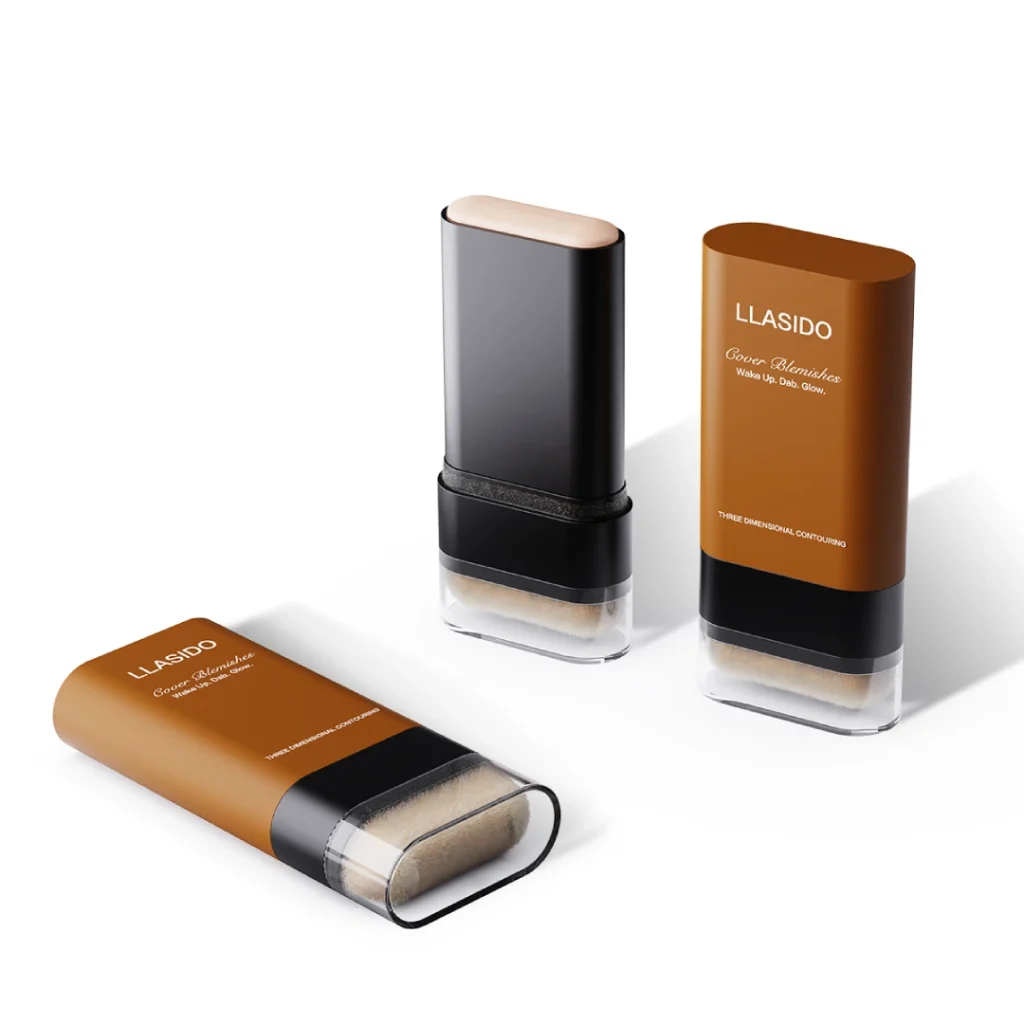
Stick Concealer
Stick concealer comes in a solid form, which makes it easy to place exactly where you need it. The firmness allows for quick touch-ups and simple spot correction.
The texture tends to be slightly drier, so blending with gentle strokes or tapping helps keep the edges smooth.
Pot Concealer
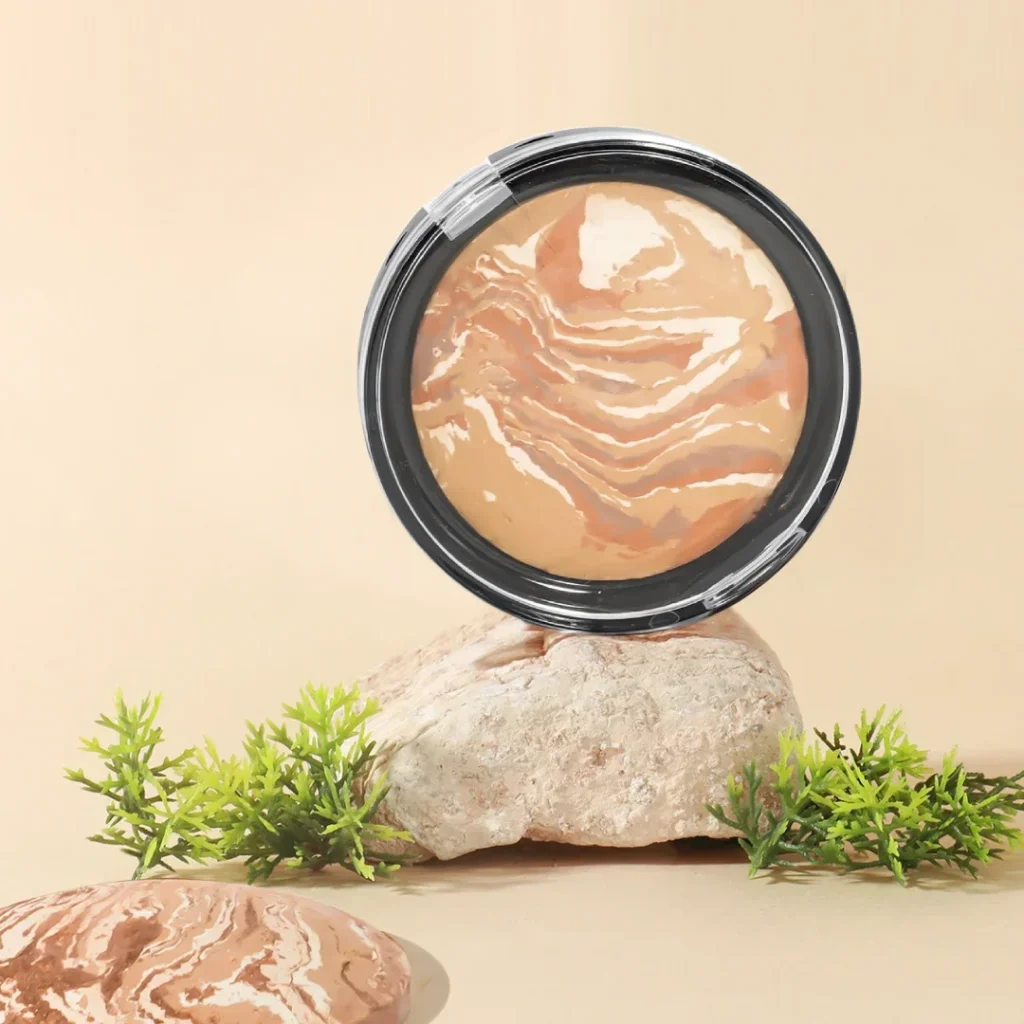
Pot concealer is often rich in pigment and has a thicker feel. Makeup artists use it when they want a stable layer that stays where it is placed. Because it warms with touch, it becomes easier to blend after a few seconds.
A small amount is usually enough. When overused, it can look heavy, so precision matters more than speed.
Pen and Click-Brush Concealer
This format uses a built-in brush tip to distribute a thin layer of concealer. It is designed for brightening soft shadows or adding light correction. The texture is usually fluid and easy to spread.
Since the output is controlled by a click or twist, it helps avoid using too much product. It’s also useful for quick, minimal adjustments during the day.
Finish Options — Which Type Is Best for Your Aesthetic?
A concealer’s finish changes how light behaves on the skin. Even when two products have the same coverage, their finishes can create totally different results. Some finishes soften shadows, while others reduce shine or highlight texture.
Matte Finish
A matte concealer reduces surface shine and keeps light from bouncing too strongly. This can make the skin look smoother in bright or direct lighting. Matte textures often stay steady through movement because they have less slip.
However, matte finishes may highlight dry areas if the skin lacks moisture. Applying thin layers helps keep the finish even without forming a thick film.
Natural/Satin Finish
A natural or satin finish sits between matte and luminous. It reflects a small amount of light while still keeping the surface balanced. Many people choose this finish because it maintains a calm, skin-like look.
This type of concealer usually adapts well to changes in lighting. Indoors or outdoors, the finish remains soft, so it does not create a strong contrast line around the concealed area.
Dewy/Luminous Finish
A dewy finish gives more light reflection. It can make certain areas look brighter or more open, which some people prefer under the eyes or on high points of the face. The added shine comes from how the surface interacts with light rather than from heavy pigment.
This finish can shift during the day if the skin naturally produces more oil. Using small amounts helps the luminous effect stay controlled and smooth.
>> Are Makeup Preservatives Safe? What You Need to Know
Undertones and Shades — How to Choose
Picking the right concealer shade requires more than guessing the surface color of your skin. Undertones guide how the concealer blends and whether it looks natural in different lighting. When shade and undertone match well, the concealer becomes easier to blend, and the overall look stays consistent throughout the day.
Identifying Your Skin’s Undertone
Undertones are the subtle hues beneath the surface of your skin. Most people fall into warm, cool, or neutral groups. These tones remain stable even if the skin tans or lightens over time.
A simple way to check undertone is to look at how your skin reacts to soft natural light. Warm undertones may show hints of yellow or golden tones, while cool undertones lean toward pink or blue. Neutral undertones sit closer to a mix of both.
Selecting Corrector Shades vs. Concealer Shades
A corrector shade helps balance strong color shifts before concealer goes on top. For example, peach or orange correctors can soften blue shadows under the eyes by reducing contrast, a method supported by basic color science principles.
Once the corrector adjusts the tone, a concealer in your true shade helps blend the whole area into the rest of your skin. This two-step approach often gives a smoother look than concealer alone when discoloration is strong.
Highlighting and Contouring with Concealer
Some people use concealers that are slightly lighter or darker than their natural shade to shape the face. A lighter shade can bring forward areas like the center of the nose or under the eyes by reflecting more light.
A deeper shade can add depth along areas that naturally sit back. Using thin layers keeps the effect soft and avoids sharp lines. This method works best when the undertones of all shades stay consistent, so the colors blend without leaving a noticeable cast.
Application Methods
How you apply concealer affects its texture, coverage, and wear time. Even the best concealer can shift or crease if the method does not match its formula. Different tools give different levels of control, and each one changes how the product settles on the skin.
Using Brushes for Precision
A brush offers controlled placement, especially around small areas like the corners of the eyes or around the nose. The bristles help spread a thin layer of concealer without removing too much product.
Using short, gentle strokes keeps the edges soft. Brushes are also helpful when you want to build coverage gradually without creating a thick layer.
Using Sponges for Seamless Blending
A sponge can create a smooth, even surface because it presses the concealer into the skin with light pressure. This helps reduce visible lines and gives a softer finish.
Sponges also help remove excess product. When the sponge lifts extra concealer, the result often looks more natural and stays flexible through facial movement.
Using Fingertips for Natural Softening
Fingertips let you warm the concealer slightly, which helps it spread more easily. The warmth can make thicker formulas blend without streaks. This method works well for small areas where you want a gentle, natural effect.
Tapping instead of dragging keeps the product stable. It also reduces friction, which can help the concealer stay in place longer.
Layering and Setting for Long-Lasting Results
Layering concealer in thin steps often creates a smoother look than applying one thick layer. Each thin layer adjusts to the skin’s texture before the next one goes on top.
Setting the concealer lightly—whether with a small amount of powder or simply letting it dry—can help reduce creasing. The goal is to keep the surface stable without making it feel heavy.
Common Concealer Mistakes and How to Avoid Them
Even when someone picks a good concealer, small mistakes can change how it looks on the skin. Many issues come from shade mismatches, rushed application, or misunderstanding how formulas react over time.
Choosing the Wrong Shade or Undertone
A concealer that is too light or too dark can create a visible border around the area you want to correct. Undertone mismatches can also make the skin look gray or dull, especially in natural light.
Testing a small amount near the center of the face often gives a more accurate read. When the shade blends into the surrounding skin without effort, it is usually a better match.
Applying Too Much Product
Using too much concealer can make the surface look thick or uneven. Heavy layers tend to move more during the day and may settle into small lines around the eyes or mouth.
Applying thin layers helps the product adapt to the skin’s texture. Adding more only where needed keeps the look balanced and stable.
Ignoring Skin Preparation
Concealer applies more smoothly when the skin is clean and slightly hydrated. Dry or uneven texture can make the product cling in certain spots, creating patchy areas.
A simple, consistent routine—nothing heavy—helps the surface stay even. When the skin feels balanced, the concealer blends with fewer streaks.
Misunderstanding Oxidation and Wear Time
Some concealers may darken slightly as they dry. This shift, known as oxidation, happens because the product reacts with air or the skin’s natural oils. It is a normal process, but it can change how the shade appears after a few minutes.
Testing the concealer and giving it time to settle helps you see the true final color. This also helps you understand how long the formula stays stable before it begins to move or fade.
Conclusion
A “best” concealer depends on your skin type, coverage needs, and finish preference. Matching shade, texture, and application method ensures a natural, long-lasting result. Experiment thoughtfully, observe how your skin responds, and adjust to find what truly works for you.
>> Choosing the Right Makeup for Your Skin: Flawless Application