

Metallic eyeshadow behaves differently from other types because it reflects light uniquely. Its shine depends on pigments and reflective particles.
What Makes Metallic Eyeshadow Different from Matte and Shimmer
Metallic eyeshadow contains reflective minerals that create a smooth, almost foil-like finish. Unlike matte shadows, it does not absorb light; instead, it bounces light, giving a three-dimensional effect.
Shimmer shadows share reflective qualities but usually have fine particles that produce subtle sparkle. Metallic shadows appear denser and more uniform, which makes them stand out on the eyelid, even in low-light environments.
>> What Color Eyeshadow Suits Everyone?
Pigment Types and Reflective Particles Explained
Pigments in metallic eyeshadow include iron oxides, titanium dioxide, and mica. These compounds provide color while interacting with light to create a metallic sheen. The ratio of pigment to reflective particle affects opacity and brightness.
Mica flakes are particularly important for shimmer and mirror-like finishes. Larger particles create stronger reflections, while smaller ones give softer glow.
How Light Interaction Affects the Metallic Finish
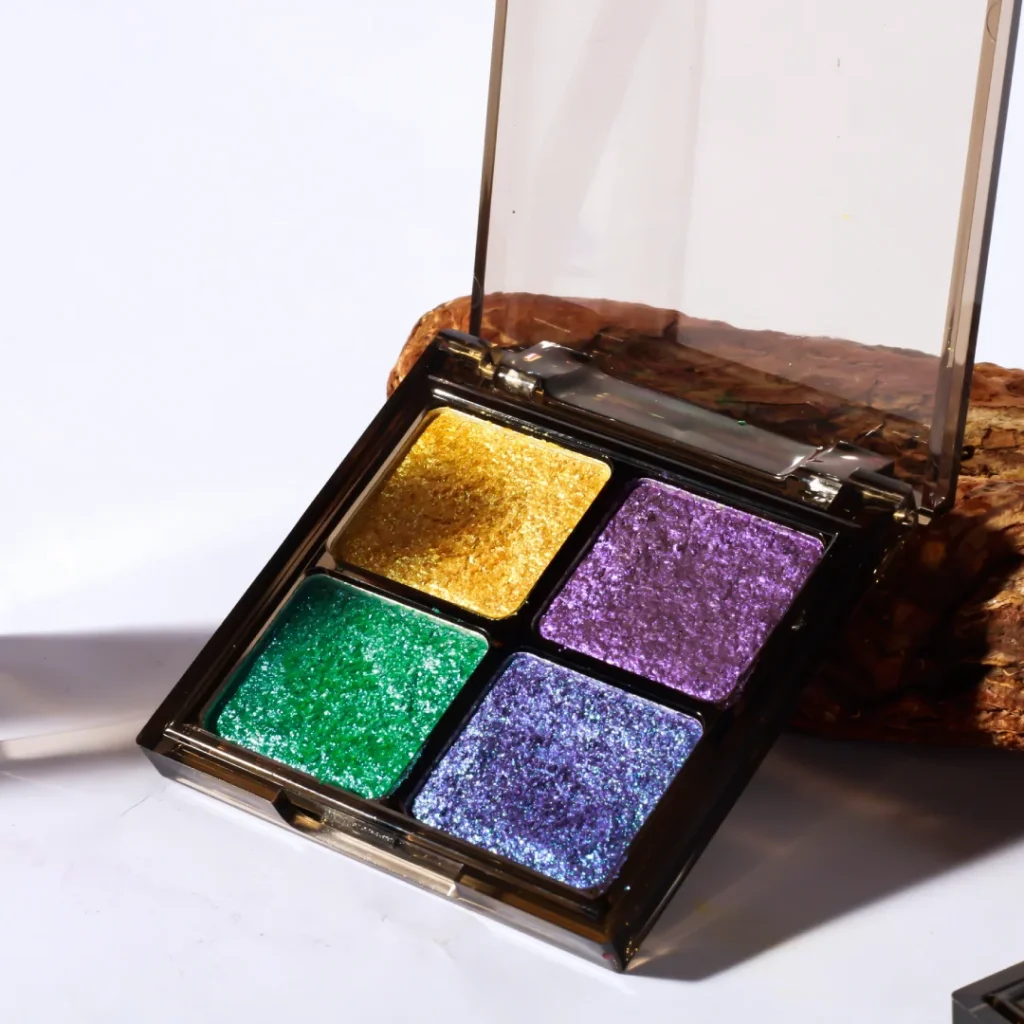
Metallic eyeshadow changes appearance under different lighting because of how light reflects on the pigments and particles. Direct light intensifies shine, while diffuse light softens the glow, altering perceived depth.
This interaction explains why metallic eyeshadow can look dramatic in photography but softer in natural daylight. Positioning the light source and eyelid angle also influences the final effect, making application technique crucial for achieving consistent metallic brilliance.
Preparing Your Eyelids for Metallic Eyeshadow
Proper preparation ensures metallic eyeshadow applies smoothly and lasts longer. The delicate skin around the eyes needs cleansing, hydration, and sometimes priming to prevent creasing. Well-prepped eyelids allow pigments to appear brighter and metallic finishes to reflect light evenly.
Cleansing and Moisturizing the Eye Area
Start by gently cleansing the eyelids to remove oil, makeup residue, or dirt. Clean skin provides a smooth base, preventing shadow from sliding or fading.
Follow with a lightweight, fast-absorbing moisturizer or eye cream. Hydrated lids help metallic eyeshadow adhere better and reduce patchiness. Avoid heavy creams that might cause sliding or uneven reflection of metallic pigments.
Priming for Longevity and Intensity
Using an eyeshadow primer creates a barrier that grips pigments, enhancing both color intensity and wear time. Primers can also neutralize discoloration, making metallic shadows appear more vibrant.
Apply a thin, even layer and let it set before adding shadow. This step prevents creasing and ensures reflective particles in metallic eyeshadow maintain their shine throughout the day.
Dealing with Oily or Creased Lids
Oily eyelids can cause metallic eyeshadow to crease or fade quickly. Blot excess oil with a lightweight, non-drying powder before applying primer.
For naturally creased lids, gently pat primer or a small amount of powder into the fold. This creates an even surface and prevents reflective pigments from emphasizing lines, helping metallic eyeshadow stay smooth and eye-catching.
Tools and Brushes for Perfect Metallic Application
Choosing the right tools is essential for applying metallic eyeshadow evenly and achieving a smooth reflective finish. Different brushes and techniques control pigment intensity, coverage, and blending, ensuring the metallic finish appears bold without fallout or patchiness.
Best Brushes for Metallic Eyeshadow
Flat, dense brushes are ideal for packing metallic eyeshadow onto the lid. They pick up concentrated pigment and press it onto the skin, helping the reflective particles adhere.
Tapered blending brushes can then soften edges without losing intensity. Using the right brush combination ensures metallic eyeshadow maintains its shine while blending seamlessly into other shades.
Finger Techniques and When to Use Them
Fingers can be surprisingly effective for metallic eyeshadow because the warmth of the skin helps pigments stick and intensify the metallic effect.
Use your fingertip to gently tap shadow onto the center of the eyelid or along the inner corner for maximum shine. This method works well for creams or loose metallic pigments, allowing precise application without excess fallout.
Blending Tools for Seamless Transitions
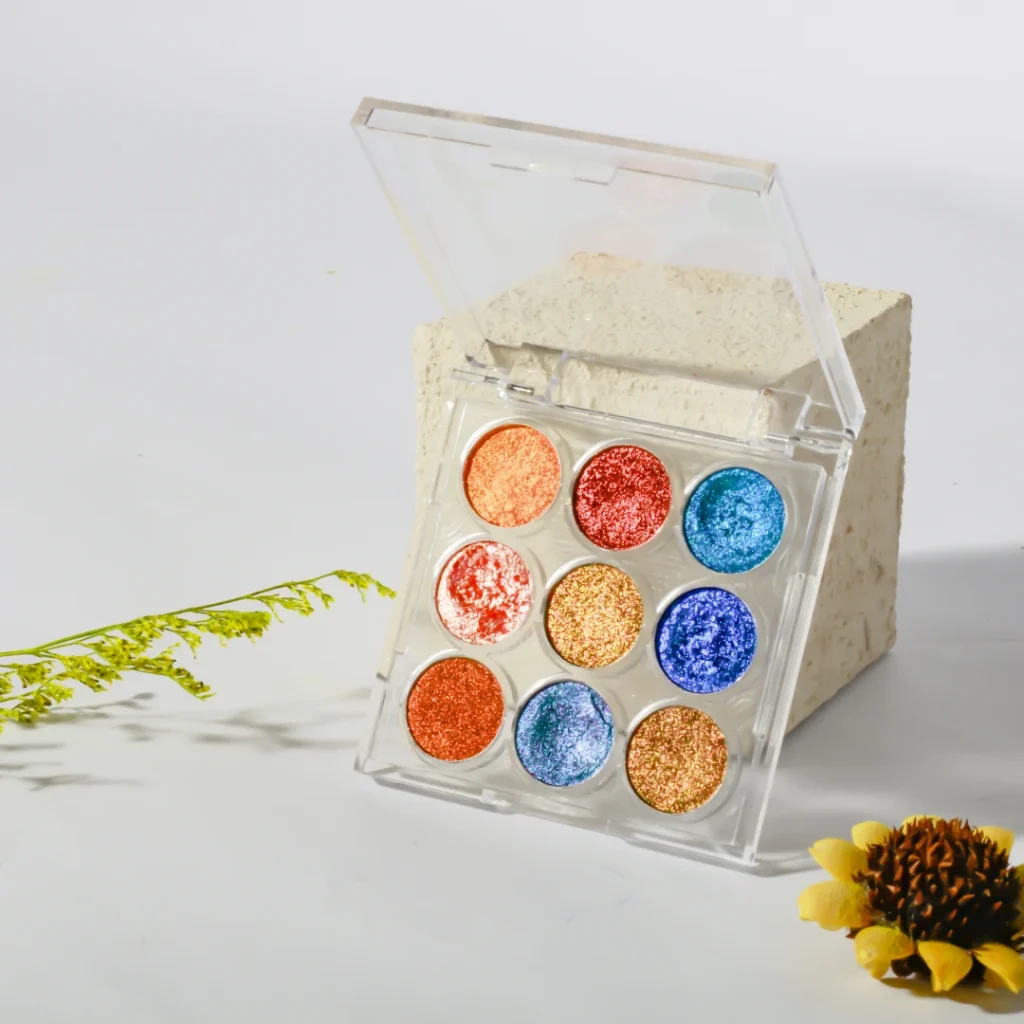
Blending brushes, sponges, or soft-tipped tools smooth transitions between metallic and matte shadows. Light, circular motions help avoid harsh lines while preserving metallic brilliance.
Careful blending ensures reflective particles catch light naturally, creating dimension without dulling the metallic finish. Always blend from edges toward the center to keep intensity where it matters most.
Step-by-Step Techniques for Applying Metallic Eyeshadow
Applying metallic eyeshadow requires attention to layering, blending, and placement. Following a structured approach ensures the reflective finish stands out, while maintaining smooth transitions and dimension across the eyelid.
Packing Metallic Shadow for Maximum Impact
For maximum intensity, use a dense flat brush or fingertip to press metallic eyeshadow directly onto the eyelid. Patting motions deposit more pigment than sweeping, reducing fallout and preserving reflective particles.
Start at the center of the lid and work outward for even coverage. This technique keeps the metallic finish bold and ensures light catches the pigments for a three-dimensional effect.
Layering with Matte or Satin Shadows
Layering metallic eyeshadow over a matte or satin base can intensify color and prevent creasing. Apply a neutral or slightly darker matte shadow in the crease, then place metallic pigment on the lid.
This approach enhances depth and contrast. The matte or satin layers also create a buffer that holds metallic pigments in place, making the finish appear smoother and more professional.
Creating Dimension with Highlight and Contour
Highlighting the inner corner or brow bone with a light metallic or shimmery shade adds brightness and draws attention to the eyes. Darker matte or satin shades in the outer corner or crease create contour and depth.
Strategic placement of metallic and matte shadows produces a sculpted look. Proper dimension prevents metallic eyeshadow from appearing flat, giving the eyes a lifted and multidimensional effect.
Tips for Different Eye Shapes
Applying metallic eyeshadow effectively requires understanding how eye shape affects color placement and reflection. Tailoring technique ensures the metallic finish enhances natural features, creating a balanced and flattering look for every eye type.
Metallic Eyeshadow for Almond Eyes
Almond eyes suit most metallic eyeshadow techniques. Apply a bright metallic shade on the lid, keeping the crease slightly darker to enhance natural shape.
Focus on the center of the lid to emphasize the elongated eye contour. Subtle inner corner shimmer can also lift the eyes, making them appear wider and more awake.

Metallic Eyeshadow for Hooded or Monolid Eyes
For hooded or monolid eyes, apply metallic eyeshadow slightly above the natural crease. This ensures the reflective finish remains visible when the eyes are open.
Use patting motions instead of sweeping to prevent pigment from settling into folds. Highlighting the inner corner and center of the lid helps add dimension and prevents the lid from looking flat.
Enhancing Round or Deep-Set Eyes
Round eyes benefit from metallic shades concentrated on the center of the lid and outer V to elongate shape. Keep crease shades soft to maintain balance.
For deep-set eyes, choose lighter metallics to bring the eyelid forward. Applying darker matte shadows in the crease helps contour and prevents the metallic finish from appearing sunken.
>> Is Liquid Eyeshadow Better Than Powder?
Creating Daytime vs. Evening Metallic Looks
Metallic eyeshadow can be adapted for both subtle daytime wear and bold evening styles. Adjusting intensity, layering, and placement allows the reflective finish to complement different lighting conditions and occasions without overpowering the eyes.
Soft and Subtle Metallic Looks for Day
For daytime, choose light metallic shades with smaller reflective particles. Apply sparingly on the eyelid center or inner corner to catch light without appearing overly shiny.
Pair with neutral matte shadows in the crease to create gentle depth. Avoid heavy layering; instead, build gradually to keep the metallic effect soft, polished, and suitable for natural lighting.
Bold and Intense Metallic Looks for Night
Evening looks can embrace richer metallic shades or layered textures. Apply metallic eyeshadow across the full lid, focusing on high-impact areas like the center or outer corner.
Combine with darker matte shadows in the crease for contrast and dimension. Blending edges ensures a professional finish while reflective pigments stand out under artificial or low lighting, making eyes appear dramatic and luminous.
Avoiding Common Mistakes When Applying Metallic Eyeshadow
Even experienced makeup users can struggle with metallic eyeshadow. Common mistakes like fallout, uneven blending, or skipping a primer can reduce the intensity and reflectiveness of the metallic finish. Awareness of these pitfalls ensures smooth, vibrant results.
Overpacking and Fallout Control
Applying too much metallic eyeshadow at once can lead to fallout and uneven shine. Use a light hand and build intensity gradually with patting motions rather than sweeping strokes.
Tapping off excess product from your brush before application helps prevent particles from falling onto cheeks. This technique maintains a clean look and preserves the reflective quality of the metallic pigments.

Uneven Blending and Patchiness
Metallic shadows can appear patchy if not blended properly. Use a clean, soft blending brush to diffuse edges and create smooth transitions between metallic and matte shades.
Avoid over-blending in one spot, which can dull shine. Instead, use gentle circular or windshield-wiper motions to maintain both intensity and a seamless gradient across the eyelid.
Ignoring Primer or Base Effects
Skipping primer or a neutral base can cause metallic eyeshadow to crease, fade, or lose vibrancy. Primers help pigments adhere evenly and prevent oils from breaking down reflective particles.
A light matte base or eyeshadow primer evens out discoloration and enhances metallic intensity. Applying primer also ensures longer wear, so the reflective finish remains visible throughout the day or night.
Enhancing Longevity and Wear of Metallic Eyeshadow
Metallic eyeshadow can lose its shine or crease over time without proper techniques. Applying specific setting methods, performing timely touch-ups, and pairing with complementary makeup ensures the reflective finish remains vibrant and long-lasting.
Setting Techniques Without Dulling Shine
To set metallic eyeshadow, use a light dusting of translucent powder only on edges or under the brow, avoiding the center of the lid. Over-powdering can reduce reflective properties.
Spritzing a setting spray after application locks pigments in place while preserving shine. This method ensures metallic eyeshadow remains bright and smooth throughout the day or night.
Touch-Up Tips for Extended Wear
Carry a small brush or fingertip applicator for touch-ups when metallic eyeshadow begins to fade or crease. Gently pat shadow onto areas where shine has dulled rather than reapplying heavily.
Layering lightly over existing shadow prevents patchiness and maintains intensity. Using the same reflective shade ensures continuity, keeping the metallic finish even and professional.
Pairing with Eye Liners and Mascara for Lasting Impact
Complementing metallic eyeshadow with eyeliner or mascara enhances contrast and makes colors pop. Use long-wearing formulas to prevent smudging that can dull metallic pigments.
Lining the upper lash line or waterline creates definition, while mascara lifts lashes and frames the reflective finish. This combination helps metallic eyeshadow remain visually striking and polished for extended periods.
Conclusion
Mastering how to apply metallic eyeshadow combines preparation, the right tools, precise techniques, and careful blending. By understanding light, layering, and eye shape, you can achieve long-lasting, reflective, and professional-looking metallic eye makeup every time.