

Dark circles are not one single issue. They can come from pigment, blood vessels, or even facial anatomy. Because of this, there is no “one-size” cover-up. Many people try to hide them with concealer or even a bit of foundation, but understanding the cause makes the job much easier.
Understanding the Structural and Pigmentation Components
Some dark circles come from extra pigment in the thin skin under the eyes. This pigment can look brown or gray. It often becomes more noticeable when the skin is dry or when light hits at certain angles. One teen once joked that his eyes looked like “solar eclipses,” and honestly, the description wasn’t far off.
Pigmentation may change slowly over time. It can appear after sun exposure or irritation. However, some shadows are not pigment at all. They form because the skin sinks slightly near the tear trough. This structure makes a small hollow that catches light and creates a dark line, even if no pigment is present.
When people use a concealer or corrector on these shadows, results vary. Pigmented circles often respond well to color correction, while structural shadows may need clever blending or a lighter shade to bounce light forward.
Genetic Predisposition and Ethnic Variations
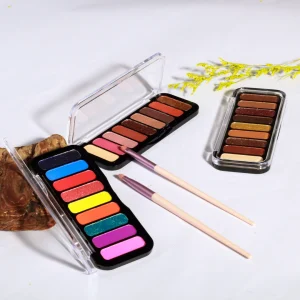
Genes also play a role. Families can share similar orbital anatomy, skin thickness, and pigment density. Some children show faint brown marks under the eyes long before they care about eyeshadow palettes or beauty routines. It is not fatigue. It is biology doing its usual routine.
Ethnic background also matters. Darker skin tones may show more pigment-related circles, while lighter tones may show more blue or violet hues from vessels under the skin. A paper in the Journal of Dermatology notes that darker periorbital pigmentation is especially common in South Asian populations (Rani et al., 2016).
These differences explain why two people can try the same concealer and one gets great results while the other still looks tired. Matching undertones and opacity matters more when genetics are involved.
Lifestyle and Environmental Triggers
Of course, life likes to add a few extra complications. Lack of sleep, high stress, and dehydration can make the under-eye area look darker. People often describe this as “looking tired,” even when they feel fine. Screens, late-night study sessions, and a salty dinner can also make under-eye puffiness more obvious.
Sun exposure is another factor. UV light can increase melanin production, which deepens pigment under the eyes. Someone who spends hours playing sports outdoors may notice faint brown shadows that slowly get harder to cover with a quick dab of concealer.
Pollution, allergies, and constant eye rubbing may add to the problem. These triggers do not create new pigment out of nowhere, but they can make existing circles stand out more sharply. That is usually when people begin experimenting with color correctors, brightening pens, and other cover-up tools.
Different Types of Dark Circles and How They Affect Cover-Up Strategies
Dark circles are not all created the same. Some come from pigment, some from blood vessels, and some simply from the shape of the face. These differences matter because the same concealer or foundation shade will not behave the same across all types. Knowing the category is the first step toward choosing the right cover-up approach.
Pigmented Dark Circles
Pigmented dark circles show brown, tan, or gray tones. They are most common in people with darker or warmer skin tones. The color comes from melanin in the epidermis or sometimes the dermis. Under bright light, these circles often look flat in texture, with little shadow play or depth.
Pigmented circles are usually easier to spot and do not change much when the person stretches the skin or tilts their head. People sometimes try to hide them with a thick layer of concealer, but color correction tends to work better than pure opacity. A peach or orange-toned corrector may visually balance brown tones while keeping the area from looking chalky or ashy.
Vascular or Blue-Toned Dark Circles
Vascular circles can look blue, purple, or even reddish. They happen because the under-eye skin is thin and shows the color of blood vessels underneath. These vessels can become more obvious when someone is cold, tired, or after they cry. A student once said her vascular circles made her look like she had pulled three all-nighters, even though she slept eight hours.
When the skin is gently stretched, vascular circles usually fade or shift color. This clue helps differentiate them from pigment. Because the color is more “cool,” cover-up often requires warmth. People with fair skin may choose yellow or peach correctors, while deeper skin tones may benefit from more golden or orange adjustments before adding concealer.
Shadowing From Tear Troughs or Facial Structure
Shadowing happens when the face has a natural groove under the eye. Light hits the skin, and a shadow forms. There is no pigment and no blood vessel issue. It is just geometry. Even kids can have this if their facial structure leans that way. One boy once teased that his eyes looked like “built-in low beams.”
If the person tilts their head toward a light source, the shadow often changes shape or becomes less visible. This trick helps separate structural shadows from pigment and vascular types. Cover-up here relies more on brightness than on color neutralization. A lighter concealer shade or reflective formula may help lift the shadow visually.
Mixed-Etiology Dark Circles
Many people have more than one type. For example, pigment can sit over a tear trough, or vascular tones can blend with mild puffiness. Mixed types are the reason some circles seem “stubborn,” even when someone uses several products including corrector, concealer, and a light layer of foundation.
Mixed-etiology circles often shift with time of day, stress, hydration, or lighting. These cases require layering strategies rather than a single tactic. First addressing color, then brightness, and finally texture often produces a smoother finish that does not crease or look heavy.
Key Ingredients to Look for in Under-Eye Cover-Up Products
Covering dark circles is not only about color. Good under-eye formulas also need the right texture and chemistry. Skin under the eyes moves a lot when we smile or blink, so dry or stiff products can crease or crack. Ingredients matter because they affect slip, blend, and how well concealer or corrector stays in place over time.
Emollients and Hydrating Agents for Smooth Application
Emollients help soften the skin and make blending easier. They give concealer a bit of glide so it doesn’t skip or drag. This is useful because the under-eye skin is thin and has fewer oil glands than the cheeks or forehead. Common emollients include shea derivatives, triglycerides, and certain plant oils.
Hydrators like glycerin or hyaluronic acid attract water to the skin. When the area is hydrated, the product sits more evenly and fine lines are less visible. People often notice that dry under-eyes make makeup look “crusty” or “cracked,” a phrase heard from more than one frustrated teen trying concealer for the first time.
Light-Reflecting Pigments for Optical Brightening
Light-reflecting particles can make the under-eye area look brighter without adding much color. They bounce light toward the viewer and reduce the appearance of shadows. These pigments may be pearlescent or coated minerals designed for optical play rather than sparkle. They are often found in brightening pens or more radiant concealers.
When used sparingly, these pigments can help counter tear trough shadows. However, too much shimmer can settle into fine lines or look mismatched with matte foundation. Application style matters: tapping or pressing usually creates a smoother transition between textures.
Color Corrective Pigments for Targeted Neutralization
Color correctors rely on color theory. The idea is simple: opposite tones on the color wheel can reduce each other visually. Peach can reduce brown. Yellow can soften purple. Orange can help on deeper skin tones. This makes the final concealer step look more natural and less heavy.
Corrective pigments are not meant to fully “hide” the circle. They set the stage. After correcting, many people add a thin layer of concealer or foundation to harmonize with the rest of the face. Without this step, the area may look oddly warm or slightly mismatched.
Skin-Conditioning Actives That Support Long-Term Improvement
Some formulas include actives that support the under-eye skin. These may target pigmentation, vascular visibility, or barrier health. Examples include niacinamide, vitamin C derivatives, and peptides. A review in Dermatology and Therapy noted that niacinamide can reduce hyperpigmentation over time in some cases (Gehring, 2004).
These actives do not act fast and should not be expected to replace sleep, hydration, or good application technique. They simply help the skin behave better over weeks, which may make cover-up easier and thinner in the future.
Color Correction Explained — The Science Behind Neutralizing Dark Circles
Color correction uses basic optics to make dark circles less visible. Instead of piling on a thick layer of concealer, it adds a thin layer of a shade that visually cancels the unwanted tone. This method helps keep the under-eye area lighter and less cakey, especially when paired with foundation or concealer afterward.
The Color Wheel and Under-Eye Discoloration
Color theory sounds intimidating, but the logic is simple. Colors opposite each other on the wheel tend to neutralize when placed together. Brown and purple tones often respond to peach or orange. Blue tones lean toward yellow or warmer golden shades. The final result depends on how dominant the undertone is.
Makeup artists often test undertones by applying a tiny streak and tapping it in. If the discoloration softens instead of turning muddy, it’s a good match. One college student joked that learning color theory for her dark circles felt like doing “art homework on her face,” and honestly, that’s not far off.
Selecting Corrector Shades for Different Skin Tones
Skin tone and undertone both matter. On light skin, blue or purple circles are more common and may need yellow or peach. On medium or olive tones, brown or gray discoloration often appears and may benefit from peach or light orange. On deeper skin tones, orange or red-orange may work because the contrast has to be strong enough to cancel brown or bluish hues.
These are general patterns, not strict rules. Lighting, environment, and even sleep can change how discoloration appears. Many people experiment before finding a shade that feels natural and sits comfortably under concealer or foundation.
The Difference Between Concealers and Correctors
Correctors and concealers serve different jobs. Correctors adjust the unwanted hue. Concealers match the skin tone and blend the area into the rest of the face. Without a corrector, a concealer may look gray or ashy over dark circles. Without concealer, a corrector may look too warm or too orange.
Think of the process as two small steps rather than one big one. Correct first to handle the color. Conceal second to unify everything. This approach uses less product and tends to crease less during the day, especially in places where we blink and squint a lot.
Texture Matters — How Formulation Affects Under-Eye Coverage
Texture affects how a product spreads, sticks, and settles under the eyes. A formula that works well on the cheeks may look heavy or flaky under the eyes because the skin there moves more and holds less oil. This is why many under-eye products blend thinner, smoother, or more elastic than regular foundation.
Cream vs. Liquid vs. Stick Cover-Ups for Dark Circles
Cream formulas often feel richer and give more opacity with one swipe. They can work well for brown or pigmented circles that need color strength. But if the cream is very thick, it may crease when someone smiles or talks. A teen once said her cream concealer made her look like she had “geology class under her eyes,” referring to the fine lines.
Liquid textures tend to spread thin and are easier to build. They suit people who prefer light-to-medium coverage or who need brightness more than pigment masking. Some liquids include reflective particles, which soften structural shadows. However, runny formulas can migrate if not set properly.
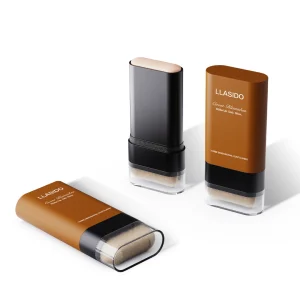
Stick products are denser and more matte. They are easy to apply but can drag on dry skin. Sticks may work for small target zones or for spot touch-ups over color corrector. For under-eyes, tapping with a finger or sponge often prevents skipping and helps melt the texture down.
Buildable Coverage Techniques
“Buildable” just means adding thin layers instead of dumping one thick coat. The under-eye area usually benefits from this because the skin is mobile and folds when we blink. Thin layers flex better and are less likely to settle in fine lines by noon.
A common routine is corrector first, then a light layer of concealer, then gentle setting if needed. Some people even add a tiny bit of liquid foundation along the edges to help everything blend into the cheeks. This prevents what makeup artists call the “raccoon mask” effect, where the center is bright but the perimeter looks disconnected.
Why Avoid Heavy or Drying Textures Under the Eyes
Heavy or very matte textures can look dry or cracked. This happens because under-eye skin does not have many oil glands to lubricate the product. When these formulas dry down, they may emphasize tiny lines that no one noticed before.
Dry ingredients also make it harder to stretch the product evenly. It may catch on flakes or micro-lines, creating patchy coverage. People sometimes try to fix this with more product, but more product often worsens the issue by adding weight. Light emollients or hydrating primers usually work better than simply stacking on more concealer.
Application Techniques That Maximize Coverage and Natural Finish
Technique can make the same product look very different. Some people swipe concealer on half-asleep before work, while others tap in thin layers like mini makeup scientists. Neither is wrong, but a few small steps can make coverage look smoother and less obvious, without turning the under-eye area into a heavy mask.
Preparing the Under-Eye Area for Better Adherence
Prepping the skin helps makeup stick evenly. A light moisturizer or eye cream can soften dry patches so concealer does not cling to them. This is useful for people who notice flaking or patchiness when they use matte foundation under the eyes.
Texture also matters. A thin primer or lightweight hydrating gel can add slip, making tapping motions easier. One college student joked that without this step, her concealer “gripped the skin like a stubborn sticker,” refusing to blend no matter how she dabbed it.
Layering Corrector + Concealer for Stubborn Dark Circles
For strong or mixed-type circles, corrector first, concealer second is a common plan. The corrector handles the undertone, while the concealer merges everything with the rest of the face. This keeps the area thin and avoids stacking a single thick layer.
Blending also matters. Tapping usually works better than swiping because it presses pigment into place without dragging it off again. After blending, some people add a dot of foundation at the edges to soften the transition so there is no harsh brightness line under the eye.
Setting Without Emphasizing Fine Lines
Setting helps prevent migration. A very small amount of translucent powder or a flexible setting spray can keep concealer from creasing when we blink. Because the under-eye skin folds, powders with very fine particles are usually easier to control.
The goal is subtlety. Too much powder can make the area dry and highlight tiny lines no one was worried about until the powder decided to introduce them to the world. Light pressing with a puff or sponge often works better than brushing back and forth, which can disturb the product underneath.
Dermatologist-Approved Approaches to Minimizing Dark Circles Over Time
Improving dark circles long-term usually involves skin biology, not makeup tricks. Dermatologists look at what is driving the discoloration—pigment, vessels, or structure—and then choose ingredients or routines that make the skin behave better over weeks or months. Because of this, results are slow rather than dramatic overnight.
Ingredients That Target Pigmentation
Pigmented circles may respond to ingredients that reduce excess melanin or slow its movement to the upper skin layers. Dermatology literature often mentions vitamin C derivatives, niacinamide, and retinoids for this purpose. A study in the Journal of Clinical and Aesthetic Dermatology found stabilized vitamin C improved periorbital pigmentation in some patients over 12 weeks (Berson et al., 2020).
These ingredients work gradually. They also tend to perform better when paired with sunscreen because UV light can undo the progress. This helps explain why outdoor athletes sometimes see pigment return even after months of treatment.
>> Which Type of Concealer Is Best?
Approaches for Vascular Dark Circles
Vascular circles appear bluish or purple because blood vessels show through the thin under-eye skin. Dermatologists may use approaches that support circulation or reduce vessel prominence. Cool compresses can sometimes make temporary improvements. For longer-term support, ingredients that strengthen the skin or reduce visible vasculature are sometimes used in clinical routines.
Because vascular tones show through pigment, covering them with concealer alone can feel frustrating. This is why warm correctors are often paired with thin foundation or concealer—the optical strategy works on top while the biologic strategy works underneath over time.
Supporting the Under-Eye Skin Barrier
The skin barrier controls moisture and keeps irritation down. When the under-eye area becomes irritated or dry, it can look darker and show more texture. Dermatologists often recommend barrier-supporting ingredients such as ceramides, cholesterol, or mild humectants.
Barrier health also lowers the urge to rub the eyes, which matters because chronic rubbing can cause pigmentation or swelling. One child with seasonal allergies developed faint brown marks simply from rubbing during pollen season. Once the allergies improved, the marks softened and concealer sat more evenly again.
Lifestyle and Preventative Strategies for Long-Term Brightness
Some dark circles are influenced by daily habits. While makeup and skincare can help in the moment, lifestyle changes can make the under-eye area look less tired over time. These adjustments are not glamorous, and they do not work overnight, but they can reduce puffiness, dryness, and shadowing that make circles more noticeable.
Sleep, Hydration, and Stress Factors
Sleep affects circulation and fluid balance. When someone sleeps poorly, fluid can shift and settle under the eyes, creating puffiness that casts small shadows. A student once said his under-eyes looked like “tiny luggage bags” after finals week, which is surprisingly accurate.
Hydration matters because dry skin shows texture faster. Drinking water will not magically erase dark circles, but it keeps the stratum corneum from looking dull or flaky. Stress is another factor. During stressful periods, people may clench facial muscles or rub their eyes more often, both of which can worsen discoloration or swelling.
Nutrition and Circulation Considerations
Diet can affect circulation. Very salty meals may cause temporary puffiness. Iron deficiency can sometimes make vascular circles more visible, especially in young women. A paper in the British Journal of Haematology notes that anemia can cause pallor and increased vessel visibility in thin skin regions (Killip et al., 2007).
Light movement can help circulation as well. A short walk or stretching break may reduce fluid retention after long hours at a desk. These adjustments are subtle—not dramatic beauty “hacks”—but they give makeup a more even surface to work with when someone later adds concealer or foundation.
Environmental Protection
UV exposure can deepen pigmentation under the eyes. Wearing sunscreen and sunglasses reduces this risk by lowering melanin triggers. Blue light from screens may also play a role in pigmentation, though research is still evolving. Dermatology groups generally recommend protection for anyone prone to eye rubbing, allergies, or outdoor sports.
Air pollution and dry indoor heat may irritate the skin barrier. When this happens, the area may look darker or more textured. Humidifiers or basic barrier care can help prevent dryness that later makes concealer crease or skip across the surface during application.
Conclusion
In summary, dark circles arise from pigment, blood vessels, or structural shadows, and understanding the cause guides the best coverage strategy. Combining color correction, concealer, proper texture, and gentle application can create a natural finish.
Over time, lifestyle, hydration, sleep, and skin-supporting routines complement makeup, helping the under-eye area look brighter and healthier.
>> How to Apply Metallic Eyeshadow: Stunning, Long-Lasting Looks