
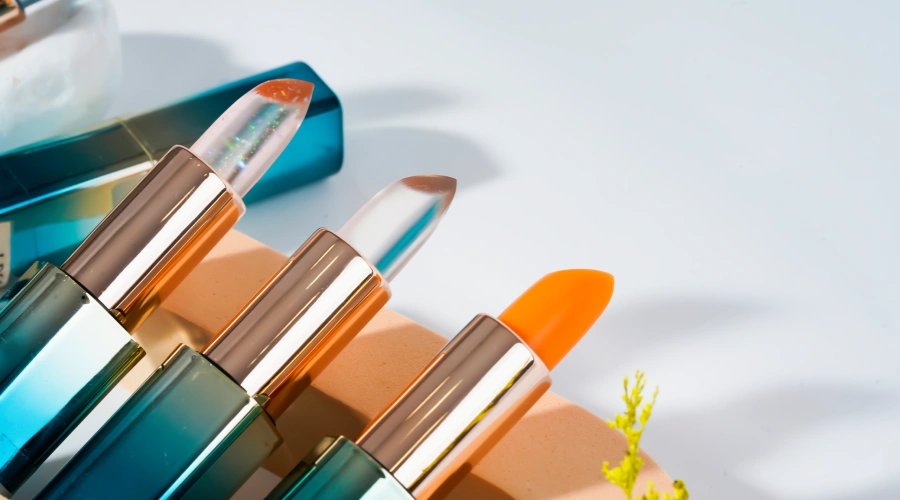
Private label cosmetics sound simple. Yet the term covers many steps, rules, and roles. To judge this model, you first need a clear view of what it is and how it works in practice.
What Does “Private Label Cosmetics” Really Mean?
Private label cosmetics are products made by a third-party manufacturer but sold under another company’s brand name. The formula is usually pre-developed. The brand owner selects it, adjusts minor details, and applies its own label.
In most cases, the manufacturer owns the base formula. The buyer does not hold the original intellectual property. This is different from full custom formulation, where a brand funds new R&D and owns the formula rights.
The U.S. Food and Drug Administration (FDA) defines cosmetics based on intended use, not brand ownership (FDA, 21 U.S.C. §321). So even in private label, the brand owner is still responsible for product safety and labeling compliance.
How the Private Label Cosmetics Supply Chain Operates
The process often starts with a catalog. Manufacturers offer ready formulas such as serums or lipsticks. The buyer selects samples, tests texture, scent, and stability, then confirms packaging and artwork.
Next comes production. The factory handles raw material sourcing, batch mixing, filling, and basic quality checks. However, the brand owner should review key documents, such as COA, MSDS, and stability data.
Then comes compliance. Labels must meet local rules. In the U.S., this includes ingredient listing in descending order by weight. In the EU, products must follow Regulation (EC) No 1223/2009 and be listed in the CPNP portal.
Finally, logistics take over. Goods move to warehouses or fulfillment centers. At this stage, inventory planning becomes critical. Many factories require minimum order quantities, which affects cash flow.
Types of Products Commonly Sold as Private Label Cosmetics
Skincare is the most common category. This includes cleansers, toners, moisturizers, and serums. These products often use stable, well-known ingredients like glycerin, niacinamide, or hyaluronic acid.
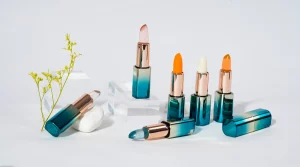
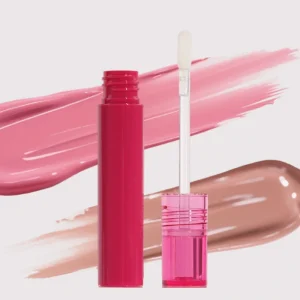
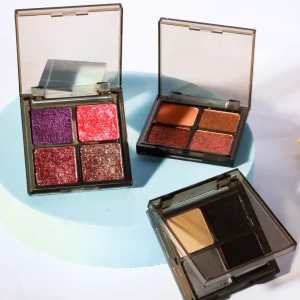
Makeup is also widely offered. Foundations, lip gloss, mascara, and pressed powders are typical options. However, color matching and shade range planning require extra care and testing under different light sources.
Haircare and body care are frequent choices too. Shampoos, conditioners, body lotions, and scrubs are easier to scale because formulas are often less shade-sensitive than makeup.
Some brands focus on niche segments, such as vegan or fragrance-free products. In these cases, claims must be supported by supplier data. For example, “vegan” requires checking that no animal-derived raw materials are used in the formula.
Why Selling Private Label Cosmetics Is Considered an Attractive Business
Many new founders look at private label cosmetics because the path seems clearer than building a lab from zero. The structure is already in place. However, “attractive” does not mean simple. It means the entry model is more defined and often faster to test.
Lower Barrier to Entry Compared to Custom Cosmetic Brands
Custom cosmetic development requires lab work, stability testing, and safety review. This can take 6 to 18 months. It also needs higher upfront cost for formulation and pilot batches.
In contrast, private label products use existing formulas. Much of the R&D work is already done. As a result, time to market can shrink to a few months, depending on packaging and testing needs.
However, the brand owner is still responsible for safety. The FDA does not pre-approve cosmetics, but companies must ensure products are safe for intended use. This shifts focus from invention to validation and control.
Growing Global Demand for Cosmetics
Global demand for cosmetics has grown steadily over the past decade. According to data from Statista, the global beauty and personal care market continues to expand, driven by skincare and online sales channels.
E-commerce has lowered access barriers for small brands. Social platforms also shape buying habits. Consumers now discover products through short videos, reviews, and peer content instead of only retail stores.
At the same time, demand is not uniform. Some regions favor basic skincare, while others drive premium makeup. So market research matters. Growth exists, but it is uneven and competitive.
Higher Profit Margins Compared to Reselling Established Brands
When reselling established brands, margins are often fixed by distributors. Retailers may see gross margins in a limited range, depending on volume and channel structure.
With private label, the brand controls pricing. Manufacturing cost may represent a fraction of retail price, especially in skincare. This gap creates room for marketing, logistics, and profit.
Yet margin on paper is not net profit. Customer acquisition cost, returns, and unsold stock reduce real earnings. So while potential margins are higher, execution defines the final result.
Scalability of a Private Label Cosmetics Business
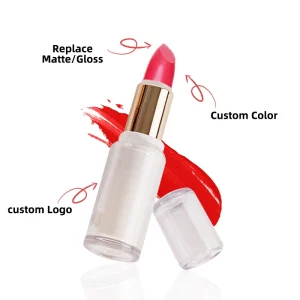
Private label models are modular. Once one product is validated, new SKUs can be added using the same supplier network. This allows gradual expansion of a product line.
Multi-channel selling also supports scale. Brands can move from direct-to-consumer websites to marketplaces or retail. Each channel adds volume but also adds complexity in pricing and stock control.
However, scaling too fast can strain cash flow. Larger orders mean higher upfront payment. So scalability exists, but it must be matched with disciplined financial planning.
>> What Are the Different Types of Lip Gloss?
The Real Challenges of Selling Private Label Cosmetics
Private label cosmetics may look simple from the outside. In reality, the model carries structural risks. These risks are not rare events. They are built into how the industry works. Ignoring them can lead to fast losses.
Intense Competition in the Cosmetics Industry
The beauty market has low visible entry barriers. As a result, many brands launch each year. Online platforms make listing easy, but standing out is hard.
Product formulas often overlap. Many brands may use similar base ingredients from the same suppliers. This makes differentiation more about branding and claims than true technical novelty.
Price competition is common in entry-level segments. When products look similar, consumers compare price and reviews. This can push margins down over time.
Regulatory and Compliance Requirements
Cosmetics are regulated differently across regions. In the United States, products must follow labeling rules under the Federal Food, Drug, and Cosmetic Act. Ingredients must be listed in descending order by weight.
In the European Union, Regulation (EC) No 1223/2009 requires a Product Information File and safety assessment by a qualified expert. Products must also be notified through the CPNP portal before sale.
Claims are also regulated. Words like “hypoallergenic” or “dermatologist tested” must be supported by data. Unsupported claims can lead to warnings or product removal.
Quality Control Risks in Private Label Manufacturing
When using third-party factories, brands rely on external quality systems. Even with standard operating procedures, batch variation can occur.
Small changes in raw material suppliers or mixing conditions may affect color, texture, or scent. Without incoming inspection and batch testing, problems may only appear after products reach customers.
Stability and compatibility testing are also critical. Packaging interaction, especially with active ingredients, can cause leakage or formula breakdown over time.
Inventory and Cash Flow Pressure
Most manufacturers require minimum order quantities. This means brands must commit capital before confirming real demand.
If sales are slower than expected, stock may sit in storage. Cosmetics also have shelf-life limits, often 24 to 36 months, depending on formula and preservation system.
Discounting excess stock can protect cash flow but may weaken brand positioning. So inventory planning must balance optimism with realistic forecasts.
Brand Trust and Consumer Expectations
Cosmetics are applied to skin, lips, and eyes. Consumers expect safety and consistent performance. A single quality issue can spread quickly through online reviews.
Adverse reactions, even if rare, require structured response. Brands should keep batch records and complaint logs to trace problems. This is not optional; it is basic risk control.
Trust builds slowly but can drop fast. In a digital market, transparency and clear communication are part of operational discipline, not just marketing style.
Is Selling Private Label Cosmetics Profitable?
Profit is possible in private label cosmetics. However, it depends on cost control, pricing logic, and sales efficiency. Margin alone does not define success. Cash flow and risk management matter just as much.
Cost Structure Breakdown
The first layer is manufacturing cost. This includes bulk formula, filling, and primary packaging. For skincare, packaging can represent a large share of unit cost, sometimes equal to or higher than the formula itself.
Next comes testing and compliance. This may include stability testing, microbial testing, and safety assessment. In the EU, a formal safety report is required under Regulation (EC) No 1223/2009.
Then there are indirect costs. These include freight, warehousing, platform fees, payment processing, and marketing. Customer acquisition cost can exceed production cost, especially in paid digital channels.
Finally, overhead must be counted. Design, sampling, returns, and customer service all reduce gross margin. A clear cost sheet should be built before launch, not after problems appear.
Typical Profit Margin Ranges
Gross margin in private label cosmetics often appears high on paper. The gap between manufacturing cost and retail price can look wide, especially in skincare.
However, gross margin is not net profit. After marketing, discounts, and returns, real profit may shrink. Brands that rely heavily on paid ads often see lower net margins.
Wholesale models show different numbers. Selling to retailers means lower unit margin but higher volume. Direct-to-consumer offers higher control but higher marketing spend.
Key Financial Risks to Consider
Unsold inventory is a major risk. If demand is overestimated, cash remains locked in stock. This limits the ability to launch new products or restock fast sellers.
Reformulation is another cost risk. If a product fails stability testing or triggers complaints, adjustments may require new molds, labels, or packaging runs.
Product recalls, though less common, can be severe. Costs include reverse logistics, disposal, and possible legal fees. Therefore, financial planning should include a reserve buffer, not just optimistic sales forecasts.
Key Success Factors in Selling Private Label Cosmetics
Private label cosmetics do not succeed by luck. The structure is clear, but execution decides the outcome. Success often depends on supplier control, clear positioning, and steady brand building over time.
Choosing the Right Cosmetic Manufacturer
Selecting a manufacturer is a technical decision, not just a price choice. First, review certifications such as ISO 22716 for Good Manufacturing Practices. This standard defines hygiene, documentation, and quality control systems.
Next, check testing capability. A reliable factory should provide stability data, microbial testing reports, and raw material specifications. Clear documentation reduces compliance risk in export markets.
One example in this field is Guangdong AKIA Cosmetic Co., Ltd., based in China. When evaluating such suppliers, focus on production capacity, audit transparency, and communication speed rather than only unit price.
Finally, request samples from multiple batches if possible. This helps assess consistency. A stable supply chain supports long-term brand planning.
Differentiation Beyond Formula
In private label, formulas may be similar across brands. Therefore, differentiation often comes from positioning, packaging design, and claim clarity.
For example, clear ingredient communication can improve understanding. Instead of vague claims, explain the role of key ingredients such as humectants or emollients in simple terms.
Packaging also affects perception and stability. Airless pumps may reduce oxidation in some formulas. Good design should align with product function, not just visual trends.
Building Consumer Trust in Private Label Cosmetics
Trust begins with transparency. Ingredient lists should follow local rules and use standard INCI names. Avoid exaggerated or unsupported claims.
Customer feedback systems are also important. Record complaints by batch number. If a pattern appears, investigate root causes quickly. This shows operational discipline.
In addition, provide realistic product descriptions. Overpromising short-term results can damage credibility. Clear instructions for use and storage also reduce misuse complaints.
Long-Term Brand Strategy vs. Short-Term Profit
Short-term profit may come from trend-driven launches. However, frequent changes in direction can confuse customers and weaken identity.
A long-term strategy focuses on a defined target group and coherent product line. Each new SKU should support the core positioning, not distract from it.
Reinvestment is also key. Instead of extracting all early profit, allocate part of it to quality improvement, packaging upgrades, and better testing. Stability over time often matters more than fast growth.
So, Is Selling Private Label Cosmetics a Good Business?
The answer is not a simple yes or no. Private label cosmetics offer structure and speed, but they also demand control and discipline. The model works best when expectations are realistic and decisions are data-driven.
It can be a good business when the founder understands cost structure and compliance rules. Clear budgeting, supplier review, and product testing reduce avoidable risk. Adequate working capital is another condition. Cash flow gaps are common in production cycles. Brands that plan for this are more likely to survive early-stage volatility.
>> Build Your Own Eyeshadow Palette: Customize Color and Quality