
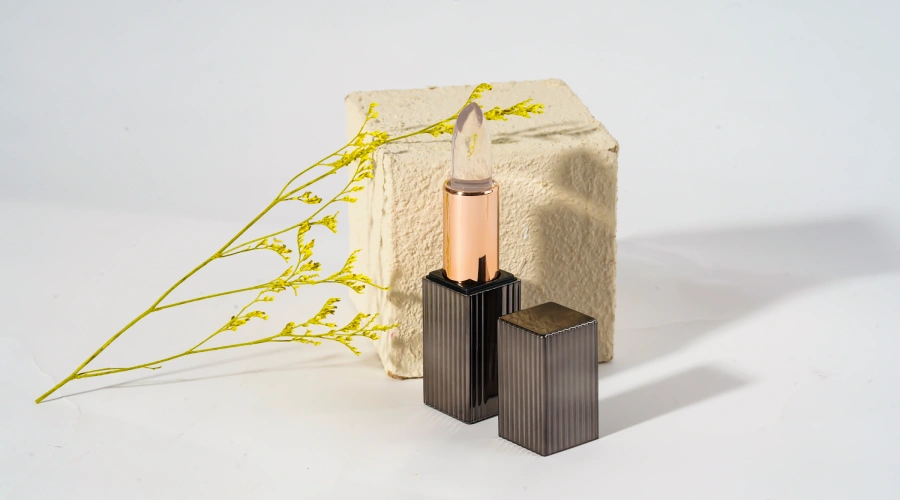
Lip balm seems simple, yet its effect depends on how well the formula matches the biology of the lips. Lip skin is thinner and weaker than facial skin. Because of this, the wrong product can worsen dryness or irritation instead of helping.
The Unique Structure of Lip Skin
Lips are not just smaller pieces of normal skin. They have a different structure and fewer protective features. As a result, they lose moisture more easily and react faster to the environment. This is why lip care often requires specific ingredients and gentle formulas.
The outer layer of the lips, called the stratum corneum, is thinner than that on most facial areas. Studies show that lip barrier function is weaker, which leads to faster water loss from the surface (Loden, M. Skin Barrier Function, 2016).
Why Lips Lose Moisture Faster Than Other Skin Areas
Lips lose water faster because their barrier is thin. In dermatology this is called transepidermal water loss (TEWL). Higher TEWL means moisture escapes from the skin more easily.
Wind, cold air, and dry indoor heating can raise TEWL even more. Without protection, the lip surface dries out quickly. A suitable lip balm helps slow this loss by forming a light barrier on the surface.
The Absence of Oil Glands in Lips
Most skin areas contain sebaceous glands. These glands produce sebum, a natural oil that helps protect and soften the skin. Lips, however, contain very few of these glands.
Because of this, lips cannot replace lost oils on their own. When moisture escapes, there is little natural protection left. Lip balm helps replace part of this barrier and reduces exposure to the environment.
Common Lip Problems Caused by the Wrong Lip Balm
Not every lip balm improves lip health. Some formulas contain ingredients that irritate sensitive lip tissue. Others may create a short-term smooth feeling but fail to repair the skin barrier.
Over time, repeated use of unsuitable products can lead to ongoing dryness or irritation. In some cases, people begin to apply balm more and more often without solving the root problem.
Chronic Dryness and Chapping
Chronic chapped lips often appear when the skin barrier is damaged. This may happen in cold weather or after long exposure to wind and sun.
However, certain lip balms may also play a role. Products that rely only on temporary coating agents may trap little moisture. When the layer fades, dryness returns quickly, which leads to frequent reapplication.
Lip Irritation and Allergic Reactions
The lip area is sensitive. Fragrance, flavoring agents, and some preservatives can trigger irritation. In dermatology this is often called contact cheilitis.
Symptoms may include redness, burning, or small cracks at the lip edge. Research shows that flavoring chemicals are among the most common triggers in lip cosmetics (Johansen et al., Contact Dermatitis, 2011).
Dependence on Occlusive Lip Products
Some people feel they cannot stop using lip balm. This feeling often comes from formulas that rely heavily on strong occlusive layers.
These products seal the surface well, but they may not improve the deeper moisture balance. When the coating fades, lips may feel dry again. As a result, people keep applying more product to restore comfort.
The Main Types of Lip Balm Formulas
Lip balms come in different types, each designed to address specific lip care needs. Understanding the various formulas—occlusive, humectant-based, emollient, and combination—helps you choose the right product for your lips. These formulas work in distinct ways, so choosing the right one depends on your skin’s condition and your environmental factors.
Occlusive Lip Balms
Occlusive lip balms are designed to create a barrier on the surface of the lips. These balms are formulated with ingredients that lock in moisture by preventing water loss. This protective layer is especially beneficial in harsh conditions like wind or cold weather, where moisture tends to evaporate quickly.
Occlusive agents are thicker and provide a long-lasting seal. However, they do not actively hydrate or replenish moisture; instead, they serve as a protective cover.
How Occlusive Ingredients Prevent Moisture Loss
Ingredients like petroleum jelly, beeswax, and lanolin are common occlusives. They form a barrier that prevents water from evaporating from the skin. Studies show that these occlusive agents significantly reduce transepidermal water loss (TEWL), which helps keep the lips moisturized even in dry conditions (Rawlings, A. V., Dermatologic Therapy, 2006).
Occlusives are most effective in environments that cause extreme moisture loss, such as in cold or windy weather. The thick layer helps preserve the moisture trapped in the skin and reduces exposure to external drying factors.
When Occlusive Balms Work Best
Occlusive balms are ideal for situations where the lips need protection from external conditions. They are most effective in extreme weather, including cold, dry, and windy climates. These balms create a thick barrier that locks in the moisture already present in your lips, making them a good choice for people who experience frequent dryness or cracking due to environmental exposure.
However, occlusive lip balms should not be relied on for hydration alone. They don’t actively replenish moisture and should be used in combination with other types of balms for best results.
Humectant-Based Lip Balms
Humectant-based lip balms are designed to attract moisture from the air into the lips. These balms use ingredients that draw water from the environment and bind it to the skin, helping to keep lips hydrated. Humectants are especially useful in dry or heated indoor environments where moisture is low.
These balms provide an instant boost of hydration by pulling moisture into the lips, making them feel plump and soft right after application.
How Humectants Attract and Retain Moisture
Common humectants like glycerin, hyaluronic acid, and sorbitol work by attracting water molecules from the surrounding air. When applied to the lips, they help increase hydration by binding moisture to the skin’s surface.
Unlike occlusives, humectants are more focused on bringing moisture into the skin rather than creating a protective barrier. Research indicates that humectants are effective at increasing skin hydration, especially in dry indoor environments (Wohlrab et al., Journal of Cosmetic Dermatology, 2017).
Situations Where Humectants Are Most Effective
Humectant-based lip balms are perfect for environments where the air lacks moisture, like air-conditioned or heated rooms. They also work well in hot climates or during times of physical activity when your body loses moisture more quickly. Humectants are particularly useful when you need to add moisture to the lips throughout the day.
However, in extremely dry conditions, humectants alone may not be enough. They can draw moisture from the skin if the air is too dry, which can lead to further dehydration. Combining humectants with occlusives can provide more effective hydration.
Emollient Lip Balms
Emollient lip balms focus on softening and smoothing the lip surface. These balms contain oils or fatty acids that help to replenish the skin’s natural lipids, making lips feel smooth and supple. Emollients are particularly effective at improving the texture of dry, rough lips.
These ingredients work by filling in the spaces between skin cells, which helps soften the lips and create a more even surface.
How Emollients Smooth and Soften the Lip Surface
Emollients like shea butter, cocoa butter, and jojoba oil provide deep nourishment to the skin. They penetrate the outer layers and smooth rough, dry patches by replenishing the skin’s natural oils. Over time, they help improve the texture of the lips, making them softer and more comfortable.
Emollients are useful for people with lips that are dry but not necessarily cracked. They provide a softer, smoother feel without being too heavy or greasy.
Why Emollients Improve Lip Texture
Emollients enhance lip texture by restoring the natural oils that dry lips often lack. By filling in dry, flaky patches, they make the lips appear healthier and more hydrated. This smooth texture can help prevent the buildup of dead skin cells that often contribute to chapping.
While emollients are great for smoothing the surface, they work best when combined with occlusives or humectants to address both immediate hydration and long-term protection.
Combination Formulas
Combination formulas combine multiple types of ingredients to offer a more balanced approach to lip care. These balms typically contain a mix of occlusives, humectants, and emollients, which provide both moisture and protection, making them versatile for different skin conditions.
By targeting multiple aspects of lip care, combination balms address the various needs of the lips throughout the day.
Why Balanced Formulas Often Perform Better
Combination lip balms are often the best option for people with lips that experience multiple issues. For example, a balm that contains both humectants and occlusives can hydrate the lips while also preventing moisture loss. This balanced approach offers more complete care than using a single type of balm.
Research shows that products with multiple active ingredients tend to provide better long-term results, especially when used in varying environmental conditions (Lambers et al., International Journal of Cosmetic Science, 2011).
How Multi-Ingredient Balms Address Multiple Lip Needs
Combination formulas are ideal for people who need protection from environmental damage, hydration for dry lips, and smoothing for rough texture all in one product. These multi-functional balms are particularly effective when the weather is unpredictable or when you need a versatile product for daily use.
Choosing a combination balm ensures that your lips get comprehensive care, improving both the surface condition and deeper hydration.
Key Ingredients to Look for When Picking the Right Lip Balm
When choosing a lip balm, it’s essential to understand which ingredients provide the most benefit. Different ingredients serve different purposes, from sealing in moisture to protecting the skin from environmental damage. Here are the key ingredients to look for when selecting the right lip balm for your needs.
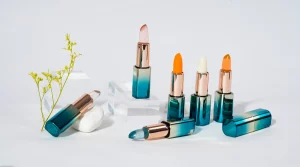
Occlusive Ingredients That Seal in Moisture
Occlusive ingredients create a physical barrier on the surface of the lips, which helps to lock in moisture and prevent further water loss. These ingredients are particularly beneficial when you need protection from external factors like wind, cold, or dry air.
Petrolatum, Beeswax, and Lanolin
Petrolatum (commonly known as petroleum jelly), beeswax, and lanolin are the most commonly used occlusive ingredients in lip balms. Petrolatum is a highly effective occlusive that forms a thick, protective layer on the lips, reducing moisture loss. Beeswax is a natural occlusive that also helps to keep the lips moisturized and protected. Lanolin, derived from sheep wool, is another potent occlusive ingredient that helps to seal in moisture and promote healing in dry, cracked lips.
These ingredients provide immediate relief for chapped lips and are best used in dry or cold conditions where the skin is at risk of losing moisture rapidly.
Hydrating Ingredients That Attract Moisture
Hydrating ingredients, also known as humectants, attract moisture from the surrounding environment and bind it to the skin. These ingredients are essential for providing long-lasting hydration to the lips, especially in dry indoor conditions or during the winter months.
Glycerin and Hyaluronic Acid
Glycerin is one of the most common humectants found in lip balms. It draws water into the skin and helps maintain hydration. It is particularly useful when the air is dry and moisture levels are low. Hyaluronic acid, a more advanced humectant, can hold up to 1,000 times its weight in water. It helps to attract and bind moisture to the skin, keeping the lips plump and hydrated for longer periods.
These humectants are ideal for individuals who need lip balms to hydrate rather than just provide temporary relief. They’re especially beneficial in environments with low humidity, such as air-conditioned spaces.
Soothing and Repairing Ingredients
Soothing and repairing ingredients help to calm irritation and support the skin’s natural healing process. If your lips are cracked, irritated, or inflamed, these ingredients can provide relief and encourage healing.
Ceramides and Fatty Acids
Ceramides are lipids (fats) that are naturally found in the skin. They help restore the skin’s protective barrier and improve moisture retention. By replenishing the skin’s natural ceramide content, ceramides help to repair dry, damaged lips and keep them soft.
Fatty acids, such as those found in shea butter or jojoba oil, also play a crucial role in skin repair. They nourish and help to repair the skin’s barrier, making lips feel smoother and more hydrated.
Panthenol and Allantoin
Panthenol, also known as provitamin B5, is another effective ingredient for soothing irritated lips. It helps to moisturize and promote skin regeneration. Allantoin is a compound that accelerates the healing process and reduces inflammation. It is particularly beneficial for dry or cracked lips, as it encourages skin renewal and helps prevent further irritation.
Both panthenol and allantoin are gentle ingredients that can help repair the skin without causing further irritation, making them ideal for sensitive lips.
Protective Ingredients for Environmental Defense
Lip balms also need ingredients that protect the lips from external environmental stressors, such as pollution and UV rays. These ingredients shield the delicate skin of the lips from damage, helping to maintain their health over time.
Antioxidants
Antioxidants like vitamin E, green tea extract, and vitamin C help protect the skin from free radicals. Free radicals are unstable molecules generated by exposure to pollutants and UV rays. These molecules can damage the skin, leading to premature aging and dryness. Antioxidants neutralize free radicals and support the skin’s natural defenses, making them a valuable addition to lip balms for people who spend time outdoors or live in polluted environments.
Sunscreen Filters for UV Protection
The lips are just as vulnerable to the sun’s damaging ultraviolet (UV) rays as the rest of the skin. UV exposure can cause dryness, irritation, and even increase the risk of skin cancer. Lip balms with sunscreen filters, such as zinc oxide or avobenzone, provide important protection from UV rays.
A broad-spectrum SPF of at least 15 is recommended to shield the lips from both UVA and UVB rays. Using lip balms with built-in sun protection is especially important if you’re spending time outdoors or in sunny climates.
Ingredients That May Irritate or Dry Out the Lips
While many ingredients in lip balms provide benefits, some can cause irritation or exacerbate dryness, especially for sensitive individuals. It’s important to be aware of ingredients that may trigger adverse reactions, especially if you experience frequent lip discomfort.
Strong Fragrances and Flavoring Agents
Fragrances and flavoring agents are commonly added to lip balms to make them more appealing. However, these additives can be irritating to the delicate skin on the lips, particularly for those with sensitive skin.
Why Flavor Additives May Trigger Sensitivity
Flavoring agents, such as menthol, citrus extracts, or cinnamon, are known to cause allergic reactions or sensitivities in some individuals. These ingredients can lead to redness, burning, or even swelling on the lips. Studies have shown that synthetic fragrances and certain natural oils may increase the risk of contact dermatitis (Hernandez et al., “Fragrance Sensitivity in Dermatology,” 2019).
Additionally, while the scent or taste may make the product more pleasant, the chemicals used in these additives can disrupt the skin’s natural barrier, leading to further dehydration. If you have a history of allergic reactions to scented products or essential oils, it’s best to opt for fragrance-free balms.
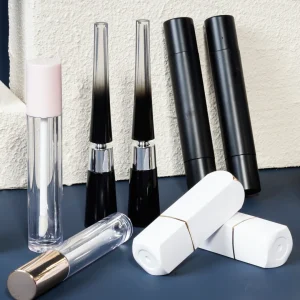
Menthol, Camphor, and Cooling Agents
Menthol, camphor, and other cooling agents are often added to lip balms for their refreshing, tingling sensation. While they may provide a cooling effect that temporarily relieves discomfort, they can cause long-term issues when used too frequently.
The Temporary Sensation vs. Long-Term Dryness
Menthol and camphor create a sensation of coolness by stimulating nerve receptors in the skin, which can make the lips feel soothing for a short time. However, this effect is temporary, and once it fades, the lips may feel drier than before. These cooling agents can dry out the lips over time by stripping away moisture.
In some cases, these ingredients can also trigger irritation, especially in people with sensitive skin. They work as a mild irritant and, when used excessively, can lead to cracked, red, and inflamed lips. It’s advisable to avoid these ingredients if your lips are already dry or damaged.
Certain Preservatives and Alcohols
Preservatives and alcohols are often included in lip balms to extend shelf life and improve texture. However, some of these ingredients can be harsh on the skin, leading to dryness and irritation.
When These Ingredients Become Problematic
Alcohols such as ethanol or isopropyl alcohol are frequently found in lip balms because they help to quickly dry the balm on the skin. However, these alcohols are highly drying and can strip the lips of natural oils, which leads to dehydration. Over time, this can cause the lips to become drier and more prone to cracking.
Similarly, some preservatives—like parabens or formaldehyde-releasing agents—can trigger allergic reactions or cause sensitivity in certain individuals. These chemicals may irritate the skin, especially when used frequently. If you have sensitive skin or are prone to allergic reactions, it’s best to choose lip balms with minimal preservatives or opt for products labeled as hypoallergenic.
How to Pick the Right Lip Balm Based on Your Lip Condition
Selecting the right lip balm depends largely on your specific lip needs. Whether your lips are severely chapped, you need daily hydration, or you’re protecting against cold weather, there’s a balm suited for every situation. By considering your lip condition and the environment you’re in, you can choose the most effective product to keep your lips healthy and comfortable.
Lip Balms for Severely Chapped or Cracked Lips
If your lips are cracked, bleeding, or extremely dry, they require a product designed to restore moisture and promote healing. Lip balms for severe dryness should focus on intensive care and provide long-lasting relief.
Repair-Focused Formulas
Repair-focused lip balms are often formulated with rich emollients and occlusive ingredients, such as beeswax, lanolin, and petroleum jelly. These ingredients help to seal in moisture and promote the healing of damaged skin. Additionally, balms with ingredients like ceramides or panthenol can support the skin barrier, allowing the lips to regenerate more effectively.
For cracked lips, look for a lip balm with both occlusives and reparative ingredients. These balms will not only help restore moisture but also provide essential skin barrier repair, reducing the risk of further irritation and cracks.
Lip Balms for Daily Hydration and Maintenance
For everyday use, your lip balm should keep your lips hydrated and prevent them from drying out. It should provide a moderate level of moisture without feeling too heavy or greasy.
Lightweight Hydrating Balms
Lightweight hydrating balms often contain humectants like glycerin or hyaluronic acid, which attract moisture to the skin. These balms are perfect for maintaining healthy lips on a daily basis, as they keep the skin hydrated without the occlusive barrier that heavy balms provide.
These types of balms are ideal for normal lips or for those who don’t face extreme weather conditions. They provide adequate hydration and can be reapplied easily throughout the day for ongoing moisture, without feeling sticky or thick.
Lip Balms for Sensitive Lips
For those with sensitive lips, the main concern is avoiding irritation while still providing effective care. Sensitive skin can react poorly to fragrances, strong additives, or harsh ingredients.
Minimal-Ingredient Formulas
Minimal-ingredient formulas are key for sensitive lips. These balms often contain fewer ingredients to reduce the risk of irritation. Look for products with soothing and natural ingredients, such as shea butter, jojoba oil, or aloe vera, which hydrate and calm the skin without causing allergic reactions.
Fragrance-free and hypoallergenic products are best suited for those with sensitive lips. Such balms provide gentle care, focusing on moisturizing and healing without introducing any unnecessary or irritating chemicals.
Lip Balms for Cold or Dry Climates
When exposed to extreme cold or dry air, lips lose moisture quickly, making them more susceptible to cracking, flaking, and discomfort. In these conditions, your lip balm should offer strong protection against the environment.
Heavy Occlusive Protection
For cold or dry climates, heavy occlusive balms work best. These balms contain thick ingredients like beeswax, lanolin, or petrolatum, which create a strong barrier to prevent moisture loss. They help seal in the lips’ natural moisture, protecting them from harsh winds, cold temperatures, or dry indoor heating.
While these balms might feel thicker and more substantial than lightweight alternatives, they are necessary for providing long-lasting protection in challenging weather conditions. Be sure to apply them generously before heading out into the cold or when spending time in dry environments.
How Climate, Lifestyle, and Environment Affect Your Lip Balm Choice
The environment you live in, your lifestyle habits, and even the weather can greatly influence the effectiveness of your lip balm. Different conditions may require specific types of lip balms to address unique challenges, such as protecting your lips from cold, providing moisture in dry climates, or safeguarding against sun damage. Here’s how climate and behavior impact your lip care routine.
Lip Care in Cold and Windy Weather
Cold and windy weather can quickly lead to dry, cracked lips. The harsh conditions not only cause moisture to evaporate from the skin but can also make the skin more vulnerable to irritation and damage.
Why Barrier Protection Is Essential
During cold and windy conditions, your lips need a strong, protective barrier to lock in moisture and protect against the elements. Lip balms containing occlusive ingredients such as petroleum jelly, beeswax, or lanolin are ideal. These ingredients form a thick, invisible layer over the lips, preventing moisture from escaping and acting as a shield against wind, low temperatures, and the drying effects of indoor heating.
Without proper barrier protection, your lips are more prone to dehydration, which can lead to painful chapping, cracking, and inflammation. Using a heavy, occlusive balm before going outside can help maintain lip hydration and comfort even in harsh weather.
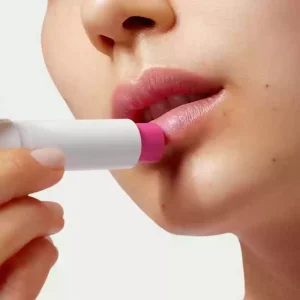
Lip Protection in Sunny or High-Altitude Environments
Sunny and high-altitude environments present their own set of challenges for lip care. UV rays can cause skin damage, leading to sunburn, premature aging, and even an increased risk of skin cancer. At higher altitudes, UV exposure is stronger, and the air is drier, which can exacerbate lip dryness.
The Importance of UV Protection
In sunny or high-altitude environments, lip balms with built-in sun protection are crucial. Lip balms containing broad-spectrum SPF 15 or higher will shield your lips from both UVA and UVB rays. Ingredients like zinc oxide or avobenzone act as physical sunscreens that reflect UV radiation, preventing sunburn and long-term damage to the skin.
Without UV protection, your lips can suffer from sunburn, which makes them red, cracked, and sore. Over time, frequent UV exposure can also accelerate skin aging and increase the likelihood of skin conditions, including cold sores. A lip balm with SPF is an essential product for anyone spending time outdoors in sunny or high-altitude locations.
Lip Care for People Who Frequently Hydrate or Lick Their Lips
Some people habitually lick or frequently hydrate their lips, which can cause or worsen dryness and irritation. While this behavior might seem like a natural response to dry lips, it can actually lead to a cycle of lip dehydration.
Behavioral Factors That Influence Lip Balm Effectiveness
Licking the lips can make them drier in the long run because saliva evaporates quickly, leaving the lips even more parched. This constant cycle of moisture loss can lead to more severe dryness, discomfort, and even cracking. To address this, it’s important to use a lip balm that forms a protective barrier to prevent moisture loss.
Additionally, for individuals who hydrate their lips often, lightweight, hydrating balms containing humectants like glycerin or hyaluronic acid can help attract moisture and keep lips feeling hydrated. However, using a thicker, occlusive balm at night or in extreme conditions will help lock in hydration and prevent further dryness.
It’s also beneficial to choose a balm that soothes irritation caused by frequent licking. Look for calming ingredients like aloe vera or chamomile, which can provide relief and help restore the skin’s natural barrier.
Different Lip Balm Formats and How They Affect Performance
Lip balms come in various formats, and each has its own set of benefits and drawbacks. The format you choose can affect how the product applies, how it performs, and even how hygienic it is.
Stick Lip Balms
Stick lip balms are one of the most popular formats, favored for their portability and ease of use. These balms come in a small, solid tube and twist up to allow for quick application.
Convenience and Controlled Application
One of the primary advantages of stick lip balms is their convenience. The solid format allows you to apply the balm directly to the lips without needing to touch it with your fingers. This makes it ideal for on-the-go use, especially when you’re out and about or in a rush.
The controlled application also means you can apply the right amount of product without overusing it, preventing excess balm from getting on your lips. Additionally, the tube protects the balm from contaminants, keeping it clean and preventing the introduction of bacteria from your hands.
Tube and Squeeze Balms
Tube and squeeze lip balms come in small plastic or metal tubes that allow you to squeeze the product out for application. These formats are often seen as more hygienic since they avoid direct contact with your lips.
Hygienic and Often More Emollient
Tube and squeeze balms offer a high level of hygiene because the product is dispensed without the need to touch it. The controlled dispensing mechanism also ensures that you apply a thin, even layer, avoiding wastage.
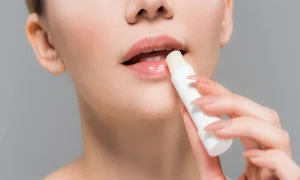
In terms of formula, these types of balms are often more emollient and have a smoother, more spreadable texture compared to stick balms. This is because tube balms can contain more oils or butters, which help them glide on easily and provide a richer feel. The softness of the balm also allows for more consistent application, ensuring an even layer across your lips.
Pot or Jar Lip Balms
Pot or jar lip balms come in small containers, usually made of glass or plastic, where you scoop out the balm with your fingers or a lip brush. This format is less common but still popular among users who prefer a rich, thick balm.
Richer Formulas but Hygiene Considerations
Pot balms are often formulated with richer, more emollient ingredients like shea butter, cocoa butter, or beeswax. These ingredients create a thick, occlusive layer that is great for extremely dry lips, making pot balms ideal for nighttime use or for particularly chapped lips.
However, the main drawback of pot balms is the hygiene concern. Since you need to dip your fingers into the product, there’s a risk of transferring bacteria, dirt, or oils from your hands into the balm. To minimize this, some users prefer using a clean spatula or lip brush to apply the product. Additionally, because the product isn’t sealed like in a stick or tube, exposure to air can cause the balm to dry out or lose its effectiveness over time.
How to Properly Use Lip Balm for Maximum Effectiveness
Using lip balm the right way ensures that your lips stay hydrated, protected, and healthy. Whether you’re trying to prevent dryness, soothe irritated lips, or protect them overnight, proper application is key. Here are some tips on how to use lip balm effectively to get the best results.
How Often You Should Apply Lip Balm
How often you apply lip balm depends on your lips’ needs and the environment you’re in. If your lips are healthy and well-hydrated, you may not need to apply balm frequently. However, if you’re in a dry climate or experiencing chapped lips, you may need to apply it more often.
Preventive vs. Reactive Application
Applying lip balm preventively is the most effective way to keep your lips hydrated and avoid cracking or dryness in the first place. When you notice your lips starting to feel dry or tight, applying balm regularly throughout the day can keep moisture locked in. This is particularly important if you’re exposed to harsh environmental factors like cold, wind, or air conditioning.
On the other hand, reactive application is when you wait until your lips are already cracked or severely dry. While lip balm can help heal damaged lips, it’s always better to be proactive. For the best results, apply lip balm several times a day, especially when you’re going outside or in dry conditions.
How Much Lip Balm to Apply
It can be tempting to apply a generous layer of lip balm to make your lips feel instantly better, but more product doesn’t necessarily mean better results. In fact, over-application can lead to clogged pores or a greasy feel.
Avoiding Over-Application
When applying lip balm, a thin, even layer is all you need. The goal is to create a protective barrier, not to coat your lips in thick layers. Applying too much balm can cause the lips to feel heavy and lead to unnecessary product buildup. Overuse can also cause your lips to become dependent on the balm, as the lips won’t naturally moisturize themselves if they’re constantly overhydrated.
Instead, use just enough product to coat your lips evenly. This will help maintain hydration without making your lips feel greasy or weighed down.
Nighttime Lip Care Strategies
Your lips need extra care while you sleep, as they are more prone to drying out during the night. Applying lip balm before bed can help maintain hydration and repair any damage caused during the day.
Overnight Lip Protection and Repair
Nighttime is the ideal time to use a heavier, more occlusive lip balm to lock in moisture and repair the skin overnight. Look for thicker formulations containing ingredients like beeswax, lanolin, or petroleum jelly. These ingredients provide long-lasting moisture retention and help repair cracked or chapped lips while you sleep.
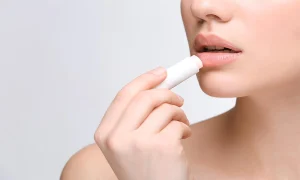
For additional lip care, you can apply a generous layer of balm before going to bed, ensuring that your lips stay moisturized throughout the night. If you find your lips particularly dry or damaged, consider using a lip mask that provides more intensive hydration.
In the morning, your lips should feel softer and more hydrated, as the balm will have had time to nourish and repair the skin.
Conclusion
Choosing the right lip balm is essential for maintaining healthy, soft lips. Whether you’re dealing with severe dryness, need daily hydration, or protecting against harsh weather, selecting the right formula for your needs can make a big difference.
By understanding the different types of lip balms, ingredients, and application techniques, you can keep your lips moisturized, protected, and comfortable in any condition.