
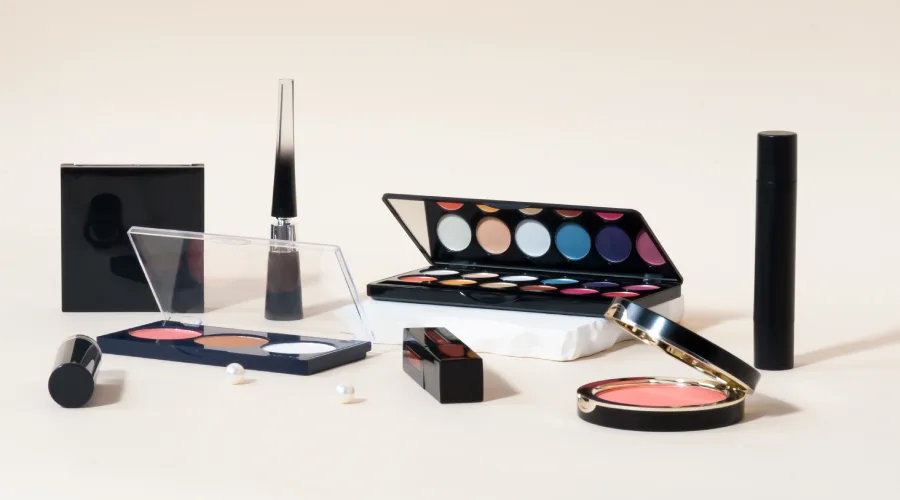
In 2026, private label makeup is no longer a shortcut. It is a structured way to enter the market with tested formulas and controlled risk. However, it still demands clear knowledge of sourcing, safety, and rules.
Definition of Private Label Cosmetics vs. Contract Manufacturing
Private label cosmetics are products made by a manufacturer, then sold under your brand name. The base formula already exists. You mainly choose shades, packaging, and labeling. This reduces early technical work and speeds up launch.
In contrast, contract manufacturing starts from scratch. You request a custom formula, and chemists develop it for you. This process takes longer and needs testing at each step. It also requires more input on ingredients, texture, and stability.
Key Differences Between White Label, Private Label, and Custom Formulation
White label products are fully ready-made. You change only the logo and packaging. There is little to no control over the formula. Many brands may sell the same base product.
Private label offers a middle path. You can adjust shades, finishes, or packaging details. Some suppliers allow small tweaks to formulas. This gives moderate control without full development costs.
Custom formulation is the most flexible. Every part of the product is built to your brief. However, it needs lab work, safety tests, and longer timelines. It also brings higher risk if the formula fails stability or safety checks.
Why Private Label Is Still a Strong Entry Strategy in 2026
Private label remains useful because it lowers technical barriers. You work with pre-tested formulas that often meet basic safety standards. This reduces early failure rates and shortens development time.
Also, regulatory pressure is rising. For example, the U.S. Modernization of Cosmetics Regulation Act (MoCRA, 2022) increased safety and registration requirements. Using experienced manufacturers helps meet these rules with fewer errors.
Market Trends Shaping the Cosmetics Industry
Consumer focus has shifted toward ingredient safety and clarity. Many buyers now check labels and avoid certain compounds. However, “clean beauty” has no fixed legal definition, which can cause confusion (FDA, 2023).
Sustainability is also shaping choices. Brands are expected to reduce waste and use safer materials. At the same time, inclusivity matters more. This includes wider shade ranges and products for different skin types and conditions.
Conducting Market Research Before Starting Your Private Label Makeup Line
Market research is the base of a stable makeup line. It helps you avoid blind spots and reduce risk. In 2026, data is easier to access, but harder to read well. You need to focus on clear signals, not noise, and link findings to real product decisions.
Identifying Your Target Audience
Start with basic data like age, income, and location. Then go deeper into skin type, tone range, and common concerns such as acne or sensitivity. These factors shape formula needs and product safety choices.
Next, study user habits. For example, some users prefer light textures, while others want full coverage. Climate also matters. Dry regions may need more hydrating formulas. These details guide both product design and testing scope.
Analyzing Competitor Positioning and Product Gaps
Look at how existing brands position their products. Check their claims, shade ranges, and ingredient focus. This helps you see what is already saturated and what is missing.
Then, search for gaps. For instance, a brand may offer many shades but lack options for sensitive skin. Or a product may perform well but have poor packaging. These gaps can guide your first product choices in a practical way.
Understanding Consumer Expectations for Ingredients and Transparency
Consumers now read ingredient lists more often. Many expect clear labeling using INCI names and simple explanations. They also look for known irritants, even if the science is still debated.
At the same time, transparency is not just about listing ingredients. It includes explaining product function and limits. Regulatory bodies like the FDA stress that claims must be truthful and not misleading (FDA, 2023). This shapes how you present your products.
Evaluating Price Positioning and Product Categories
Price should match both cost and market level. Start by mapping products into low, mid, or premium ranges. Then compare packaging, formula type, and claim level within each group.
Also, choose product categories with care. Foundation often needs more shade testing and stability work. Lip and eye products may have simpler entry points. Each category has different safety and development demands, so plan based on your resources.
Choosing the Right Product Categories for Your Makeup Line
Product choice sets the pace of your whole project. Some items are simple to launch, while others need more testing and control. In 2026, safety rules and user expectations are stricter. So, it is best to start with categories that match your skill level and resources.
Core Product Categories for Beginners
Low complexity products include items like lip balm, basic lip gloss, and powder blush. These often use stable base formulas and need fewer adjustments. As a result, they are easier to test and scale.
High complexity products include foundation, liquid eyeliner, and mascara. These need careful work on texture, color match, and microbial safety. Even small changes can affect stability. So, they require more lab testing and longer timelines.
Safety and Stability Considerations by Product Type
Each product type has its own risk profile. Water-based products, such as liquid foundation, are more prone to microbial growth. They need strong preservation systems and strict testing.
In contrast, anhydrous products like powders or wax-based balms are more stable. However, they still require checks for oxidation and texture change. According to ISO 11930, preservation efficacy testing is key for products at risk of contamination.
Trending Product Types in 2026
Hybrid products are growing fast. These combine makeup with skincare elements, such as SPF, hydration, or barrier support. However, each added function must be tested for safety and claim accuracy.
Multi-use products are also common. For example, a tint that works for lips and cheeks. These reduce product count for users. Still, they must be tested for use on different skin areas, as sensitivity can vary.
Building a Cohesive Initial Product Range
A small, clear product range is easier to manage. Start with a few items that share a common use or theme. For example, a simple lip-focused line or a base makeup set.
Also, ensure consistency in formula type and packaging style. This helps with production and brand clarity. A focused range allows better quality control and makes early feedback easier to analyze.
Cosmetic Formulations and Ingredient Safety
A makeup product is a mix of chemicals with defined roles. Even simple items rely on balance between texture, safety, and stability. In 2026, this balance is checked more closely. So, you need a basic grasp of how formulas work and how risks are controlled.
Basics of Cosmetic Chemistry for Non-Formulators
Most formulas are built from a base, active agents, and support ingredients. The base can be water, oil, or wax. This choice affects texture and how the product sits on skin.
Emulsions are common in makeup. They mix oil and water with the help of emulsifiers. If the balance is off, the product may separate. So, stability testing is needed to confirm the structure holds over time.
Common Ingredients in Makeup Products and Their Functions
Pigments give color. Iron oxides and titanium dioxide are widely used because they are stable and approved in many regions. Fillers, like silica, improve spread and feel on skin.
Binders and film formers help the product stay in place. Preservatives control microbial growth, especially in water-based formulas. Each ingredient must follow allowed use levels set by regulators such as the EU SCCS or FDA.
Allergen Awareness and Sensitive Skin Considerations
Some ingredients can trigger irritation or allergy. Fragrance is a common example. In the EU, certain fragrance allergens must be listed when they pass set limits (EU Regulation No. 1223/2009).
Sensitive skin products often avoid known irritants, but “free from” claims can be misleading. Safety depends on dose and exposure. Patch testing and user trials help detect issues before launch.
Clean Beauty Claims vs. Scientific Reality
“Clean beauty” has no fixed legal meaning. Different brands define it in different ways. This can lead to confusion and uneven standards across products.
From a scientific view, safety is based on toxicology and exposure, not simple inclusion or exclusion. Agencies like the FDA note that a substance is not unsafe by default; risk depends on how it is used and at what level.
Shelf Life, Stability, and Preservation Systems
Shelf life shows how long a product stays safe and effective. It is tested under set conditions, such as heat and light exposure. Results help define expiry dates or Period After Opening (PAO).
Preservation systems are key for many products. They limit microbial growth during use. Tests like challenge testing (ISO 11930) check if the system works over time. Without this, product safety cannot be confirmed.
Navigating Cosmetic Regulations and Compliance Requirements
Regulation is a core part of product development, not a final step. In 2026, rules are stricter and more enforced. You need to plan for compliance early, or delays will occur. Clear records, tested products, and accurate labels are now basic requirements.
Key Regulatory Bodies
In the United States, the FDA oversees cosmetics under the FD&C Act and MoCRA (2022). MoCRA requires facility registration, product listing, and safety records. It also increases oversight of adverse events.
In the EU, Regulation (EC) No. 1223/2009 sets strict rules. Each product must have a safety assessment and a Product Information File (PIF). A “responsible person” in the EU is also required. Other regions have similar systems with local differences.
Labeling Requirements
Labels must follow clear rules. Ingredients are listed using INCI names in descending order of weight. This helps standardize labeling across markets.
Other key elements include net content, batch number, and expiry details. Some products use a Period After Opening (PAO) symbol instead of a fixed date. Claims on labels must be accurate and supported by data, not vague wording.
Product Safety Testing
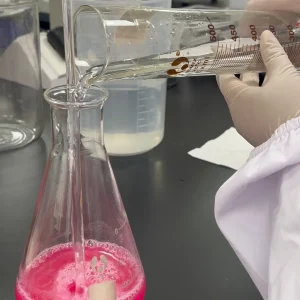
Safety testing checks if a product is stable and safe during use. Microbial testing ensures that bacteria, yeast, and mold are controlled. This is critical for water-based products.
Stability testing exposes products to heat, light, and time. It helps predict shelf life. Patch testing, often done on human volunteers, checks for irritation. These steps support safety claims and regulatory review.
Good Manufacturing Practices (GMP) and Quality Assurance
GMP defines how products should be made and handled. ISO 22716 is a common standard. It covers hygiene, equipment, staff training, and record keeping.
Quality assurance ensures that each batch meets the same standard. This includes raw material checks and batch records. Without GMP, product consistency and safety cannot be maintained at scale.
Claims Substantiation and Avoiding Misleading Marketing
All product claims must be supported by evidence. For example, a “long-lasting” claim may require wear tests. A “non-irritating” claim may need patch test data.
Misleading claims can lead to regulatory action. Terms like “hypoallergenic” or “chemical-free” are often questioned. Both the FDA and EU authorities stress that claims must be clear, truthful, and not exaggerate product effects.
Selecting and Working with Private Label Manufacturers
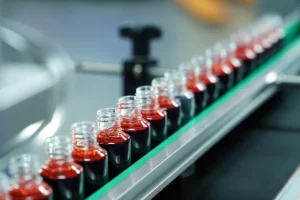
Your manufacturer is not just a supplier. They are part of your quality system. In 2026, strong partners help you meet safety rules and keep consistency. So, selection should be slow and based on evidence, not claims. Clear terms and records will reduce risk later.
How to Evaluate Manufacturer Credentials and Certifications
Start with basic checks. Look for ISO 22716 (GMP) or similar standards. These show that the factory follows controlled processes. You can also ask for audit reports or inspection summaries.
Next, review technical documents. A reliable manufacturer should provide safety data, ingredient lists, and test reports. If documents are missing or unclear, it is a warning sign. Always verify, do not assume.
Minimum Order Quantities (MOQs) and Production Timelines
MOQs define how much you must order per batch. Lower MOQs reduce early risk, but may raise unit cost. Higher MOQs can improve cost, but increase inventory pressure.
Timelines vary by product type. Simple items may take weeks, while complex formulas need months. Delays often come from packaging or testing stages. So, build buffer time into your plan.
Customization Options: Packaging, Shades, and Formulas
Private label allows some level of change. You can often select shades, finishes, and packaging styles. However, full formula changes may be limited.
Each change can affect stability and cost. For example, a new pigment blend may need extra testing. So, confirm what level of customization is possible before finalizing your product plan.
Communication, Sampling, and Quality Control Processes
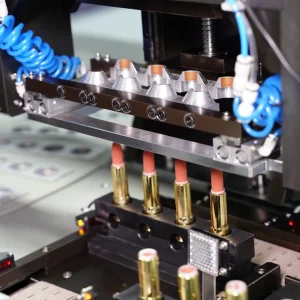
Clear communication is key. Set written specs for color, texture, and packaging. This reduces errors during production. Avoid relying only on verbal agreements.
Sampling is a critical step. Test samples under real use conditions. Check texture, wear, and stability over time. Also, confirm that batch samples match approved samples before full production.
Red Flags to Avoid When Choosing a Supplier
Be cautious of unclear pricing or changing terms. A stable supplier should provide consistent quotes and timelines. Sudden changes may signal weak internal control.
Also, avoid suppliers who cannot provide test data or regulatory support. Lack of documentation often leads to compliance issues. If responses are slow or vague, it may reflect deeper operational problems.
Packaging Design and Product Presentation
Packaging is not only visual. It protects the formula and affects how the product is used. In 2026, packaging must meet safety, stability, and regulatory needs. Poor choices can lead to leakage, contamination, or formula breakdown over time.
Functional vs. Aesthetic Packaging Considerations
Function comes first. The package must protect the formula from air, light, and heat. For example, airless pumps can reduce oxidation in sensitive formulas.
Aesthetic design still matters, but it should not reduce safety. Complex shapes or weak closures may look good but fail in transport or daily use. Balance both aspects with real testing, not visual appeal alone.
Material Choices
Material choice affects both safety and stability. Some formulas react with certain plastics or metals. This can cause discoloration, odor change, or loss of performance.
Sustainability is also a key factor. Many brands now use recyclable or reduced materials. However, eco-friendly options must still pass compatibility tests. A material is only suitable if it keeps the formula stable over time.
Label Design and Regulatory Compliance
Labels must meet legal standards. This includes correct INCI ingredient lists, batch numbers, and usage instructions. Text must be clear and readable under normal conditions.
Design should not hide required information. Small fonts or poor contrast can lead to compliance issues. In many regions, missing or unclear labels can block product sales or trigger recalls.
User Experience: Applicators, Pumps, and Portability
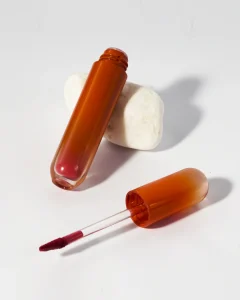
User tools affect how the product performs. For example, a poor applicator can lead to uneven use or contamination. Pumps and wands should deliver consistent amounts.
Portability also matters. Products should be easy to carry without leakage. Caps must close securely. These small details influence hygiene and overall product safety during use.
Packaging Trends in 2026
Refillable packaging is growing. It reduces waste and supports long-term use. However, refill systems must be designed to prevent contamination during replacement.
Eco-friendly materials are also more common. These include mono-material plastics and recycled content. Still, each option must be tested for durability and compatibility. Trends should not override safety and function.
Building Your Brand Identity and Product Positioning
Brand identity shapes how your products are understood in the market. It is not only visual, but also functional and ethical. In 2026, users pay attention to clarity, consistency, and honesty. A well-defined position helps guide product choices, packaging, and communication.
Defining Your Brand Values and Unique Selling Proposition
Start by defining clear values. These may relate to safety, simplicity, or scientific clarity. Values should guide product decisions, not just marketing language.
A unique selling proposition (USP) explains what makes your line different. It should be specific and realistic. Avoid vague claims. Instead, focus on measurable aspects such as formulation type, ingredient focus, or product function within allowed regulatory limits.
Visual Identity: Colors, Typography, and Brand Voice
Visual identity includes color, font, and layout. These elements should remain consistent across all products. Consistency helps users recognize your line quickly.
Brand voice is how you communicate. It should match your audience and stay clear. Avoid complex or overly technical language when not needed. Simple wording improves understanding and reduces misinterpretation of product claims.
Inclusivity and Shade Range Strategy
Inclusivity often refers to offering a range of shades that match different skin tones. This requires careful testing across undertones and depths. Shade naming should be consistent and easy to follow.
From a formulation view, each shade must remain stable and perform the same way. Pigment balance should not affect texture or wear. Testing across shades ensures uniform quality, not just visual variation.
Transparency and Ingredient Communication
Transparency means sharing clear and accurate information about ingredients and product function. This includes listing ingredients in INCI format and explaining their role in simple terms.
Communication should stay within regulatory limits. Claims must match evidence. For example, if a product is described as hydrating, there should be data supporting that effect. Avoid vague or unverified statements.
Aligning Brand Story with Consumer Expectations
A brand story should match what the product actually delivers. If there is a mismatch, trust can decrease over time. Consumers often compare claims with real experience.
Alignment comes from consistency across packaging, labeling, and performance. The message should reflect the product’s design and testing. When all elements match, the brand appears more credible and easier to evaluate.
Pricing Strategy and Cost Structure for Private Label Makeup
Pricing is a technical and strategic task. It connects production costs, market level, and product expectations. In 2026, pricing must also reflect compliance, testing, and logistics. A clear structure helps avoid losses and supports stable growth over time.
Understanding Cost Components
Costs usually include formulation, packaging, testing, and logistics. Formulation costs depend on ingredient quality and complexity. More complex formulas require more research and stability work.
Packaging can be a large part of total cost, especially if materials are specialized. Testing includes safety, stability, and regulatory checks. Logistics covers storage, transport, and handling. Each part should be tracked separately to understand total cost per unit.
Setting Retail Prices Based on Market Positioning
Retail price is not only based on cost. It also reflects market position. Products in the same category may have different price levels depending on claims, packaging, and target audience.
A common method is cost-plus pricing. You start with total unit cost, then add a margin. However, this must still align with similar products in the market. Large gaps between price and perceived category level can affect consumer trust.
Profit Margins and Break-Even Analysis
Profit margin is the difference between selling price and total cost. It shows how much value remains after expenses. Monitoring margins helps maintain financial balance as production scales.
Break-even analysis shows the number of units needed to cover all fixed and variable costs. This includes setup costs, testing, and initial production. Reaching break-even is a key point before profit begins, so it should be calculated early in planning.
Balancing Affordability with Perceived Value
Affordability must match product expectations. If a product is priced too low, it may raise questions about quality. If it is too high, it may not match its features or claims.
Perceived value depends on packaging, formulation quality, and consistency. Clear labeling and stable performance support this perception. The goal is to align price with what the product actually delivers, based on measurable factors rather than assumptions.
Setting Up Production, Inventory, and Logistics
Production and logistics form the operational side of a makeup line. Once formulas and packaging are defined, you must manage timing, storage, and movement of goods. In 2026, delays often come from poor planning rather than manufacturing itself. A clear system helps maintain product quality and supply continuity.
Production Planning and Lead Times
Production planning starts with demand estimates. These estimates are based on early market data, test runs, or pre-orders. Without this step, overproduction or shortages can occur.
Lead times include raw material sourcing, manufacturing, filling, and packaging. Each stage takes time, and delays in one step affect the entire chain. It is common to include buffer time to account for unexpected issues such as material delays or quality checks.
Inventory Management Strategies for New Brands
Inventory should be controlled carefully in early stages. Holding too much stock increases storage costs and risk of expiration. Holding too little can lead to stockouts and lost sales.
A basic approach is to track stock levels, sales rate, and reorder points. Simple forecasting methods based on early sales data can guide restocking decisions. Regular review of inventory helps adjust production volume as patterns become clearer.
Storage Conditions for Cosmetic Products
Cosmetic products must be stored under stable conditions. Temperature, humidity, and light exposure can affect formula stability. For example, high heat may cause separation or texture changes.
Water-based products are more sensitive to microbial growth. They should be stored in clean, controlled environments. Powders and anhydrous products are more stable but still require protection from moisture and contamination. Proper storage helps maintain shelf life as defined by stability testing.
Shipping Considerations
Shipping introduces additional risks. Temperature changes during transport can affect product consistency, especially for emulsions or melt-sensitive materials. Packaging should protect against heat and physical damage.
Regulations may also apply depending on the region. Some products require documentation, labeling, or declarations during transport. Proper sealing and clear labeling reduce the chance of delays or damage. Coordination with logistics providers helps ensure compliance and safe delivery.
Ensuring Product Quality, Safety, and Consumer Trust
Quality and safety are not one-time checks. They require repeated control across development, production, and post-launch stages. In 2026, regulators expect documented systems that track each batch and respond to issues. Trust depends on consistent performance and the ability to handle problems in a structured way.
Quality Control Procedures Before Product Launch
Before launch, products should pass defined quality checks. These include visual inspection, texture evaluation, and basic performance tests. The goal is to confirm that each batch matches the approved sample.
In addition, lab-based tests such as stability and microbial tests help confirm safety over time. These procedures should follow written standards. Without clear criteria, it becomes difficult to judge whether a product meets acceptable limits.
Batch Testing and Traceability
Each production batch should be tested and recorded. Batch testing ensures that key properties such as pH, viscosity, and color stay within set ranges. This reduces variation between units.
Traceability means every product can be linked back to its production batch and raw materials. Batch numbers on packaging allow tracking if an issue appears later. According to GMP principles (ISO 22716), traceability is essential for identifying and isolating problems quickly.
Handling Customer Feedback and Adverse Reactions
Customer feedback provides real-world data on product performance. Reports of irritation, separation, or texture issues should be recorded and reviewed. Patterns in feedback may point to formulation or packaging problems.
Adverse reactions require careful handling. These reports should be evaluated and documented. In some regions, serious events must be reported to authorities, as required under regulations like MoCRA in the United States. A clear internal process helps ensure proper response.
Product Recalls and Risk Management Plans
A recall plan should exist before products are sold. This plan outlines steps to remove affected batches from the market if needed. It includes identification, communication, and retrieval procedures.
Risk management involves identifying possible failures in advance, such as contamination or labeling errors. Controls are then added to reduce these risks. While recalls are rare, having a structured plan allows faster and more controlled action if a safety issue occurs.
Marketing Fundamentals for a Private Label Makeup Line
Marketing in cosmetics is closely tied to information accuracy. In 2026, consumers often check ingredients, reviews, and usage details before buying. So, communication must stay clear, consistent, and aligned with product facts. Marketing is not only promotion, but also explanation and documentation.
Educating Consumers Through Content
Educational content helps users understand what a product does and how to use it. This may include simple explanations of ingredients and their roles in the formula. The goal is to reduce confusion, not to promote claims beyond evidence.
Content should also explain correct usage. For example, application methods, layering, or storage tips can affect performance. Clear instructions reduce misuse and improve user experience. When information is accurate and simple, it becomes easier for users to make informed decisions.
Building Trust Through Transparency and Authenticity
Transparency means sharing truthful and verifiable information. This includes ingredient lists, product limitations, and testing standards. It also means not hiding relevant details that could affect safety or performance.
Authenticity comes from consistency between what is said and what is delivered. If product performance matches expectations, trust grows over time. In contrast, unclear or exaggerated messaging can lead to doubt. Trust is built through repeated, consistent experiences rather than single claims.
Social Media Strategy and Visual Branding
Social media is often used to present products visually and share updates. Images and videos should reflect real product appearance under normal conditions. Over-editing can create a gap between expectation and reality.
Visual branding should remain consistent across platforms. This includes color schemes, typography, and layout style. Consistency helps users recognize the brand and understand product identity. Content should also be organized so users can easily find product information and usage guidance.
Influencer Collaboration Considerations
Influencer content is often used to demonstrate product use. However, any shared information must remain accurate and not misleading. Claims made in collaboration must align with actual product data.
Selection of collaborators should consider audience relevance and content style. It is important that demonstrations reflect realistic use conditions. Clear disclosure of partnerships is also required in many regions to maintain transparency with audiences.
Avoiding Overpromising Claims in Marketing
Marketing claims must match what the product can actually deliver. Terms like “instant results” or “perfect coverage” should be used carefully, as they can imply guarantees. Regulatory bodies such as the FDA and EU authorities require claims to be truthful and supported by evidence.
Avoiding overstatement reduces the risk of regulatory issues and consumer dissatisfaction. Claims should be specific, measurable when possible, and consistent with test data. When marketing aligns with product performance, communication remains clear and credible.
Launching Your Private Label Makeup Line Successfully
A launch is not a single event but a process. It connects development, testing, and real-world use. In 2026, early validation is important because user feedback can quickly reveal gaps in performance or clarity. A controlled start helps you observe how products behave outside lab conditions and adjust with care.
Pre-Launch Testing and Soft Launch Strategies
Before a full launch, products should go through limited testing with a small group of users. This may include internal tests, controlled user trials, or a soft release to a small audience. The goal is to observe real usage conditions.
During this phase, focus on stability, application, and user handling. Check if packaging works as intended and if the formula performs consistently. A soft launch allows you to identify issues without large-scale risk and make adjustments based on actual data.
Gathering Early Customer Feedback
Early feedback is a key source of practical insight. It can be collected through surveys, direct messages, or structured reviews. The focus should be on specific aspects such as texture, wear time, packaging usability, and clarity of instructions.
Feedback should be recorded and grouped into categories. Repeated comments may indicate a pattern that needs attention. It is important to separate subjective opinions from consistent issues. This helps you decide which points require action and which are individual preferences.
Scaling Product Lines Based on Data
Scaling should be based on observed demand and performance data. Sales trends, return rates, and feedback patterns help guide which products to expand or improve. Avoid scaling too quickly without stable data.
If a product shows consistent demand and stable performance, it may be extended into new shades or formats. However, each expansion should still follow testing and quality checks. Scaling is not only about growth, but also about maintaining consistency across batches and variants.
Continuous Improvement and Product Iteration
After launch, products should continue to be evaluated. Iteration may involve small formula adjustments, packaging updates, or labeling improvements. These changes should be controlled and documented.
Continuous improvement relies on feedback loops between users, production, and quality control. Over time, this process helps refine both product performance and user experience. In a regulated environment, even small updates must be assessed for safety and compliance before implementation.
Conclusion
Starting a private label makeup line in 2026 requires more than product selection. It involves understanding formulations, safety standards, regulatory rules, and careful production control. When each step is planned with data and tested properly, you reduce risk and improve consistency. Clear positioning, accurate labeling, and steady quality help maintain trust over time.
Read More >> Private Label Cosmetics vs. Contract Manufacturing
Read More >> Private Label Cosmetics: How They Work and Why They Matter