

White label makeup refers to finished cosmetic products that are produced by a manufacturer and then labeled for different brands. These products share a common base formula but can be presented with varied packaging and minor adjustments.
In practice, this model helps standardize production while still allowing surface-level variation. It is often used where consistency and compliance are important, and where deep formulation work is not required at early stages of product development.
What White Label Means in the Cosmetics Industry
White label in cosmetics describes a setup where a single product is made by one source and distributed under multiple brand names.
The core formula remains unchanged, while branding elements such as logos, labels, and packaging differ. This approach reduces the need for each brand to develop chemistry from scratch, but it also means the underlying product is shared across clients.
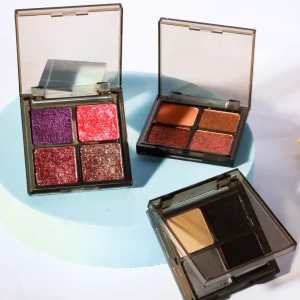
Key Differences Between White Label, Private Label, and Custom Formulation
White label uses a pre-made formula with limited or no changes. Private label may allow small adjustments such as color or fragrance, depending on the manufacturer’s scope. Custom formulation starts from the ground up, where each ingredient is selected and tested for a specific goal. The main differences lie in control, development time, and technical input required from the brand.
White label is generally more standardized, while private label sits in between standard and custom work. Custom formulation involves more testing steps, including stability, compatibility, and performance validation. Each model fits different stages of product planning, depending on resources and technical needs.
Why White Label Makeup Is Popular Among Small Brands
White label makeup is often chosen when a brand needs a structured way to access ready-made formulations. These products already meet basic manufacturing and safety frameworks, which reduces early-stage uncertainty.
For small teams, this allows attention to shift toward branding, positioning, and distribution planning rather than formulation science.
Speed to Market and Reduced Development Complexity
Since the base formula already exists, the development cycle is shorter compared to building a product from scratch. There is no need for repeated lab iterations or long testing phases during initial stages. This simplifies coordination between formulation, packaging, and production planning.
At the same time, fewer technical steps are involved in decision-making. Brands do not need to manage ingredient sourcing or stability trials at the same depth as in custom development. This reduces the number of variables that must be controlled before launch.
Lower Barrier to Entry in Product Creation
White label systems lower the technical threshold needed to create a cosmetic line. Instead of requiring in-house chemists or lab infrastructure, a brand can work within predefined product systems. This structure allows entry with less specialized knowledge of formulation science.
However, there are still important considerations such as ingredient compatibility, regulatory labeling, and storage conditions. Even with a ready-made base, proper understanding of cosmetic safety standards remains necessary. In this way, white label does not remove complexity entirely, but it shifts it into a more manageable form.
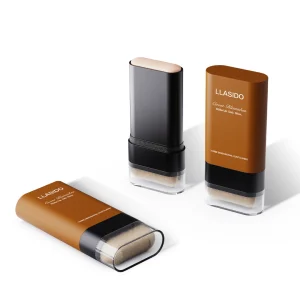
How White Label Makeup Products Are Developed
White label makeup follows a structured industrial process that focuses on reproducibility and control. The development does not usually begin from scratch for each brand, but instead relies on established base formulas and standardized production steps. Each stage, from formulation to filling, is designed to keep the product consistent across batches.
Overview of the Manufacturing Process
The manufacturing process for white label makeup is built around repeatable systems. First, a base formula is prepared under controlled conditions, often in a batch reactor or mixing vessel. Then, the bulk product is transferred through filling lines into its final containers. Throughout this process, parameters such as temperature, mixing speed, and timing are monitored to keep the formula stable.
Base Formula Creation and Stabilization
Base formulas are typically pre-developed to meet general performance and safety standards. During production, ingredients such as oils, waxes, water phases, and pigments are combined in a specific order. Mixing conditions are adjusted to ensure uniform dispersion of pigments and emulsification of oil and water phases.
Stabilization involves controlling physical and chemical properties so the formula does not separate or degrade over time. This may include adjusting pH, viscosity, and emulsion structure. For emulsions, surfactants help maintain a stable interface between oil and water phases, reducing the risk of phase separation during storage.
Packaging and Filling Procedures
Once the bulk product is stable, it is moved to filling equipment. The packaging type, such as tubes, bottles, or compacts, must be compatible with the formula to avoid interaction. For example, certain plastics may absorb oils or allow air exposure that affects stability.
Filling is usually done under hygienic conditions to limit contamination. Automated or semi-automated machines measure and dispense consistent volumes into each container. After filling, products are sealed and labeled according to the brand’s specifications. This step must be controlled to avoid air bubbles, leakage, or inconsistent fill levels.
Quality Control and Batch Consistency
Quality control is applied at multiple points in the process, not only at the end. Each batch is compared against defined specifications such as color, texture, viscosity, and microbial limits. Small variations are expected, but they must stay within acceptable ranges to ensure uniform product behavior.
Stability Testing and Shelf-Life Considerations
Stability testing evaluates how a product behaves under different conditions over time. Samples are stored at various temperatures and humidity levels to simulate real-world environments. Observations may include changes in color, odor, separation, or texture.
Shelf-life is estimated based on these tests, along with data from accelerated aging studies. According to the U.S. Food and Drug Administration (FDA), cosmetic products must remain safe under labeled conditions of use, even though they are not subject to pre-market approval (FDA, Cosmetic Labeling Guide). Stability data supports this requirement by showing how the product performs during its intended lifespan.
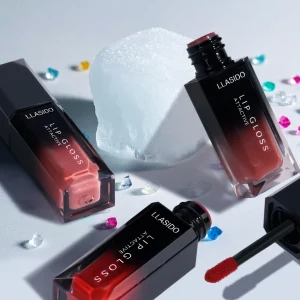
Batch Testing and Quality Assurance Protocols
Each production batch undergoes testing to confirm it meets predefined specifications. This can include physical checks such as viscosity measurement, as well as microbiological testing to detect contamination. Instrumental methods may also be used to compare color and texture against a reference standard.
Quality assurance protocols document each step of the process, from raw material verification to final product release. Records are kept for traceability, so any issue can be traced back to a specific batch or ingredient lot. This structured documentation helps maintain consistency across multiple production runs and supports compliance with cosmetic safety standards.
Key Components of White Label Makeup Formulations
White label makeup formulations are built from a set of core ingredient groups that define texture, color, stability, and performance. These components are selected and balanced during the original base development, then used consistently across batches.
Common Ingredients in Makeup Bases
Makeup bases typically include pigments, structural agents, and carriers that work together to form a stable system. The ratio and interaction of these ingredients determine the final product’s viscosity, spreadability, and finish. While the exact composition varies by product type, the roles of each component remain similar across categories such as foundations, lip products, and pressed powders.
Pigments and Colorants
Pigments provide color and coverage. They are often insoluble particles that are dispersed within the base rather than dissolved. Common pigment types include inorganic pigments like iron oxides and titanium dioxide, as well as organic pigments used for specific shades.
Uniform dispersion is important to avoid streaks or uneven tone. To achieve this, pigments are treated with dispersing agents or milled to reduce particle size. According to the U.S. Food and Drug Administration (FDA), color additives used in cosmetics must be approved for their intended use and listed under regulated conditions (FDA Color Additives Overview).
Emollients, Binders, and Texturizing Agents
Emollients help improve spreadability and provide a smooth feel on the skin. They are often oils or esters that reduce friction between particles. In emulsions, they also contribute to the internal phase that gives structure to creams and liquids.
Binders and texturizing agents help hold the formula together. In powders, binders allow particles to adhere and form a compact shape. In liquid systems, they can influence thickness and flow. These components work alongside emulsifiers and stabilizers to maintain consistency during storage and use.
Functional Additives and Their Roles
Functional additives are included to improve product safety, stability, and performance over time. Although present in smaller amounts compared to base ingredients, they play a critical role in maintaining product integrity under normal conditions of use and storage.
Preservatives and Antimicrobial Systems
Preservatives are used to limit the growth of microorganisms such as bacteria, yeast, and mold. Since many makeup products contain water or are exposed to air during use, they can be vulnerable to contamination. Preservatives help reduce this risk within the limits allowed by cosmetic regulations.
Antimicrobial systems are often combinations of ingredients that work together to provide broad protection. Their selection depends on factors such as pH, water activity, and packaging type. The effectiveness of a preservative system is typically evaluated through microbiological challenge testing, which simulates contamination scenarios under controlled conditions.
Film Formers and Performance Enhancers
Film formers are ingredients that create a thin layer on the skin after application. This layer can help improve adhesion, water resistance, and wear time. They are commonly used in products like foundations, mascaras, and lip products where long-lasting performance is needed.
Performance enhancers may include polymers or specialty additives that adjust properties such as flexibility, transfer resistance, or drying time. These ingredients interact with other components in the formula to fine-tune how the product behaves during and after application. Their selection must be balanced to avoid affecting texture, stability, or compatibility with other ingredients.

Customization Options in White Label Makeup
Customization in white label makeup is usually applied within defined limits of an existing base formula. The goal is not to redesign the product, but to adjust certain attributes so it aligns with specific functional or aesthetic requirements. These adjustments must stay compatible with the original formulation system, including its stability profile, ingredient balance, and processing conditions.
In practice, customization focuses on controlled variables such as color, texture, finish, and packaging, while the core chemistry remains unchanged.
Color Adjustments and Shade Range Expansion
Color adjustments are one of the most common forms of customization. Manufacturers may modify pigment levels or introduce new pigment blends to create additional shades. These changes are made while maintaining the dispersion stability of the system, so that pigments remain evenly distributed without settling or clumping.
Shade range expansion requires careful matching of undertones and opacity. Even small changes in pigment concentration can affect coverage and visual tone. Therefore, adjustments are typically tested against reference standards under consistent lighting conditions to ensure repeatability across batches.
Pigment Blending Techniques
Pigment blending involves combining different colorants to achieve a target shade. This process may include mixing inorganic pigments for base tone with organic pigments for nuance. The blending is often done at the dispersion stage to ensure uniform particle distribution.
To maintain consistency, pigments are usually pre-dispersed using grinding or milling methods before being added to the bulk formula. This reduces particle size and helps prevent aggregation. Controlled mixing speeds and times are used to avoid introducing air or altering the rheology of the system. The final blend must remain stable without phase separation or color drift over time.
Texture and Finish Modifications
Texture and finish are influenced by the balance of oils, powders, emulsifiers, and film-forming agents in the formula. Within a white label system, these properties can sometimes be adjusted by modifying certain ingredient ratios or selecting compatible additives. However, such changes must not disrupt the overall stability or performance of the base system.
Texture changes may affect viscosity, spreadability, and sensory feel during application. These adjustments are evaluated through both instrumental measurements and practical application tests. The goal is to maintain a consistent user experience while aligning with the intended product type.
Matte, Satin, and Gloss Variations
Finish refers to the visual and tactile effect after application. Matte finishes typically reduce light reflection through the use of powders and oil-absorbing agents. Satin finishes balance light diffusion with a slight natural sheen, while gloss finishes increase surface reflection through higher oil content or reflective agents.
Achieving these variations requires adjusting the ratio of light-scattering particles to emollients and film formers. The formulation must still remain stable, as changes in oil content or particle load can influence separation, drying time, or wear behavior. Each finish type is usually validated through standardized application tests to confirm consistency across samples.
Packaging Customization Basics
Packaging plays a functional role in protecting the formula and maintaining its stability. Customization in this area is often limited to selecting compatible container types, closures, and dispensing systems. While visual design varies by brand, the physical properties of the packaging must align with the chemical nature of the product.
Packaging decisions also affect user interaction, such as ease of dispensing and exposure to air. For example, pumps, droppers, or compact cases each provide different levels of protection and control over product usage. These choices are made alongside formulation considerations to ensure overall system compatibility.
Material Types and Compatibility Considerations
Common packaging materials include plastics, glass, and metal components. Each material has different permeability, chemical resistance, and mechanical properties. For instance, some plastics may interact with oils or absorb certain components, while glass offers higher chemical inertness but less flexibility.
Compatibility testing is often conducted to evaluate whether the packaging affects the formula over time. This includes observing potential changes in color, odor, or texture when the product is stored in its final container. Factors such as temperature, light exposure, and sealing integrity are also considered, since they can influence both the packaging and the product inside.
Regulatory and Safety Considerations
Cosmetic products must meet safety and compliance expectations before they are placed on the market. White label makeup is no exception, even though the formulas are pre-developed. Regulations focus on ingredients, labeling, and documented evidence that the product is safe under normal use. Because rules can vary by region, manufacturers and brands must align product details with local legal frameworks and technical guidelines.
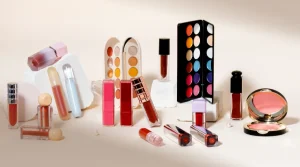
Cosmetic Compliance Requirements
Compliance involves both the selection of approved ingredients and the correct presentation of product information. Authorities typically regulate which substances can be used, at what concentrations, and under what conditions. In addition, packaging labels must provide clear and accurate information to consumers, including ingredient lists and usage guidance.
Ingredient Restrictions by Region
Different regions maintain their own lists of restricted or prohibited substances. For example, the European Union regulates cosmetics under Regulation (EC) No 1223/2009, which defines allowed and banned ingredients, as well as concentration limits for certain compounds. In the United States, the FDA monitors cosmetic safety but does not require pre-market approval, except for color additives.
These differences mean that a formulation acceptable in one region may require adjustment in another. Manufacturers must check ingredient compliance against regional standards before distribution. This includes reviewing allergens, preservatives, and color additives to ensure they meet local thresholds.
Labeling Standards and Disclosure Rules
Labeling rules require that cosmetic products list ingredients in a standardized format, often using INCI (International Nomenclature of Cosmetic Ingredients) names. Ingredients are usually listed in descending order of concentration, with some exceptions for components present at very low levels.
Labels must also include other information such as product identity, net content, usage instructions, and responsible party details. According to the FDA’s Cosmetic Labeling Guide, proper labeling helps ensure that consumers can identify product contents and use the product safely under normal conditions. Accuracy in labeling is important because it supports traceability and reduces the risk of misuse.
Safety Testing and Documentation
Safety testing is used to evaluate how a cosmetic product performs under controlled conditions. Even when a formula is pre-existing, each batch or variation may still require verification to confirm that it meets safety and stability expectations. Documentation of these tests is typically maintained as part of a product’s technical file.
Dermatological Testing
Dermatological testing assesses how the product interacts with human skin. This may include patch testing under supervised conditions to observe potential irritation or sensitization. The results help determine whether the product is suitable for general use or requires cautionary labeling.
Such tests are usually conducted on a group of volunteers under controlled environments. Observations are recorded over a set period, and any reactions are analyzed by qualified professionals. While these tests do not guarantee zero risk, they provide data to support safety assessments and formulation decisions.
Stability and Microbiological Testing
Stability testing examines how a product changes over time under different environmental conditions. Samples may be exposed to heat, cold, light, and humidity to simulate real storage situations. Parameters such as color, odor, viscosity, and phase separation are monitored to detect any degradation.
Microbiological testing focuses on the presence and growth of microorganisms. This includes challenge testing, where controlled contamination is introduced to evaluate the effectiveness of the preservative system. Results help determine whether the product can resist microbial growth during normal use. Together, stability and microbiological data form an important part of the safety documentation required for cosmetic products.
Evaluating Product Quality in White Label Makeup
Quality evaluation in white label makeup focuses on how a finished product behaves during use and over time. Since the base formula is already established, assessment centers on consistency, performance, and stability rather than full reformulation.
Testing is typically done through a mix of instrumental methods and controlled user-based observations. These evaluations help confirm that the product meets defined specifications across different batches and conditions.
Sensory and Performance Testing
Sensory and performance testing examines how a product feels, applies, and functions during use. These properties are often assessed under standardized conditions to reduce variability. Measurements and observations may include physical parameters as well as practical application outcomes on skin or test surfaces.
Texture, Spreadability, and Wear Time
Texture refers to the physical feel of the product, such as smoothness, thickness, or graininess. It is influenced by the internal structure of the formulation, including particle size and the distribution of oils and powders. Consistency in texture is important because it affects how the product behaves during application.
Spreadability describes how easily the product can be applied and distributed across the skin. This can be influenced by viscosity and the balance of emollients and binders. Wear time is evaluated by observing how long the product maintains its appearance and function under normal conditions of use, including factors like friction, moisture, and environmental exposure.
Compatibility with Skin Types
Compatibility with different skin types is considered during product evaluation to ensure the formulation performs without causing adverse reactions under typical use. While white label formulas are not fully customized for each user group, they are generally assessed to determine suitability across a range of skin conditions.
Sensitivity Considerations and Non-Irritating Formulations
Sensitivity considerations involve reviewing ingredients that may trigger irritation in some individuals. Common factors include fragrance components, preservatives, and certain active compounds. Formulations may be evaluated through dermatological testing to observe potential reactions on human skin under controlled conditions.
Non-irritating formulations aim to minimize the presence of known sensitizers within regulatory limits. However, individual responses can vary, so testing data is used to estimate risk rather than eliminate it entirely. Documentation from such evaluations supports the safety profile of the product and informs labeling where needed.

Shelf Stability and Storage Conditions
Shelf stability refers to how well a product maintains its physical and chemical properties over time. This is influenced by the formulation itself as well as external conditions during storage and transport. Stability is typically assessed through both real-time and accelerated testing methods to simulate long-term behavior.
Temperature, Light, and Humidity Effects
Temperature can affect viscosity, emulsion structure, and chemical stability. High temperatures may accelerate degradation, while low temperatures can cause thickening or separation in some formulations. Light exposure, especially ultraviolet light, may lead to color changes or breakdown of sensitive ingredients.
Humidity also plays a role, particularly for products exposed to air during use. Moisture can influence microbial growth and packaging integrity. Storage conditions are therefore controlled during testing and recommended in product guidelines to maintain stability. These factors together help define the conditions under which the product is expected to perform consistently over its intended shelf life.
Formulation Limitations and Technical Constraints
White label makeup operates within predefined formulation systems, which means the structure of the product is largely fixed at the development stage. While this allows consistency and controlled production, it also introduces limits on how much a formula can be altered.
Technical constraints arise from ingredient compatibility, stability requirements, and manufacturing processes. These factors must remain balanced to keep the product safe, stable, and reproducible across batches.
Boundaries of Base Formulas
Base formulas are designed to meet general performance targets, such as texture, stability, and safety. Once finalized, these formulas serve as the foundation for multiple products with similar characteristics. Any modification must fit within the physical and chemical limits of the system, including pH range, emulsifier capacity, and phase structure.
In practice, this means that not all adjustments are possible without affecting stability. For example, increasing pigment load or changing oil ratios may alter viscosity or lead to separation. Because of this, base formulas are usually validated under specific conditions, and deviations beyond those conditions may require re-evaluation or reformulation.
Limited Ingredient Flexibility
Ingredient flexibility is restricted because each component in the formula plays a defined role. Substituting or adding new ingredients can disrupt the balance between emulsifiers, stabilizers, and active components. Even small changes may affect dispersion, shelf life, or compatibility with packaging.
In addition, regulatory and safety constraints limit which ingredients can be used and at what concentrations. This further reduces the range of possible modifications. As a result, customization often focuses on minor adjustments rather than structural changes to the formulation. The system is designed to maintain consistency, so flexibility exists within controlled boundaries rather than open-ended variation.
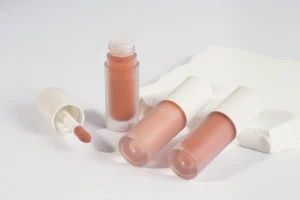
Challenges in Achieving Unique Differentiation
Because multiple brands may use similar or identical base formulas, achieving product differentiation can be technically limited. Differences in appearance, texture, or performance are often subtle when the core composition remains the same. This creates a situation where variation must come from controlled parameters such as shade selection, packaging, or minor formulation tweaks.
From a technical perspective, differentiation must not compromise stability or compliance. Any adjustment must still pass internal testing and meet established specifications. This reduces the scope for experimentation within a white label framework compared to full custom formulation, where ingredients and structures are defined from the ground up.
Balancing Standardization with Customization
Standardization ensures that the product remains consistent, manufacturable, and compliant across batches. It provides predictable behavior in terms of mixing, filling, and storage. However, too much standardization can limit the ability to tailor products to specific needs or preferences.
Customization must therefore operate within these constraints. Adjustments are typically made in controlled areas such as pigment ratios, texture modifiers, or packaging selection. The challenge lies in introducing variation without disrupting the underlying system. In this context, formulation work becomes a process of refinement rather than redesign, where small changes are evaluated against their impact on the overall stability and performance of the product.
Packaging and Presentation in White Label Makeup
Packaging in white label makeup is not only about appearance, but also about protecting the formula and maintaining its performance over time. The container acts as a barrier between the product and the external environment, which includes air, light, moisture, and microorganisms.
Functional Packaging Requirements
Functional packaging must support the product during storage, transport, and daily use. This includes maintaining structural integrity, preventing leakage, and allowing controlled dispensing. The design should align with the viscosity, volatility, and sensitivity of the formulation.
Airless Systems vs. Traditional Containers
Airless systems are designed to minimize contact between the product and external air. They typically use a pump mechanism that pushes the product upward without allowing air to enter the container. This can help reduce oxidation and limit contamination during repeated use.
Traditional containers, such as jars or bottles with open or screw-top closures, allow some exposure to air each time the product is accessed. While these formats are common, they may require the inclusion of stronger preservative systems to maintain stability. The choice between airless and traditional packaging depends on the formulation’s sensitivity and the intended user interaction.
Material Compatibility with Formulations
Packaging materials must be chemically and physically compatible with the product. Common materials include plastics, glass, and metals, each with different levels of permeability and reactivity. Compatibility is evaluated to ensure that the container does not alter the product’s composition or performance over time.
Chemical Interactions Between Product and Packaging
Some formulations contain oils, solvents, or active compounds that may interact with packaging materials. For example, certain plastics can absorb lipophilic substances, which may lead to changes in product volume or composition. In other cases, components from the packaging may migrate into the product, especially under heat or prolonged storage.
To assess these risks, compatibility testing is often conducted under controlled conditions. Samples are stored in their final packaging and monitored for changes in color, odor, texture, or chemical composition. These observations help determine whether the selected material maintains the integrity of the formulation throughout its shelf life.
Stability and Preservation Through Packaging
Packaging contributes to product stability by limiting exposure to environmental factors. A well-designed container helps maintain the physical and chemical properties of the formulation and supports the effectiveness of the preservative system. The interaction between packaging and product is therefore considered part of the overall preservation strategy.
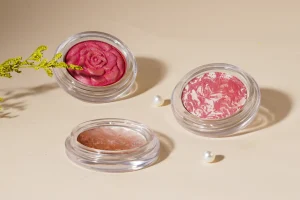
Barrier Properties and Product Protection
Barrier properties refer to the ability of packaging to prevent the passage of air, moisture, and light. Materials with high barrier performance reduce the rate of oxidation and water exchange, which can affect both microbial growth and chemical stability. For light-sensitive ingredients, opaque or UV-resistant packaging can help reduce degradation caused by exposure to radiation.
The level of protection required depends on the formulation type and its sensitivity to environmental conditions. For example, water-based products may require tighter barriers against microbial contamination, while oil-based products may be more sensitive to oxidation. By selecting appropriate packaging with suitable barrier characteristics, manufacturers can help maintain product quality under expected storage and usage conditions.
Production Scalability and Batch Management
Production scalability in white label makeup refers to how a formulation and its manufacturing process adapt when output increases from small runs to larger volumes. Batch management plays a central role in maintaining consistency, as each production lot must match defined specifications.
The process involves coordination between raw material supply, equipment capacity, and quality control checkpoints. While the formula itself remains unchanged, scaling requires careful control of mixing conditions, timing, and handling procedures to ensure uniform results across different batch sizes.
Minimum Order Quantities and Production Runs
Minimum order quantities (MOQs) define the smallest number of units that can be produced in a single batch. These quantities are influenced by factors such as raw material sourcing, equipment setup, and production efficiency. In industrial settings, production runs are planned to optimize machine use and reduce downtime between batches.
MOQs also affect how production schedules are organized. Multiple products may be grouped into a single production cycle if they share similar processing requirements. This helps streamline operations, but it requires precise planning to avoid cross-contamination and to maintain clear separation between different formulations.
Implications for Inventory Planning
Inventory planning must align with production batch sizes and expected demand. Since white label products are often produced in fixed quantities, storage capacity becomes an important consideration. Finished goods and raw materials both need to be managed to avoid shortages or excess stock.
Batch production also introduces the need for tracking expiration dates and storage conditions. Inventory systems typically record batch numbers, production dates, and shelf-life estimates to support traceability. This information helps manage stock rotation, often using a first-in, first-out approach to maintain product freshness and reduce waste.
Scaling from Small to Larger Batches
Scaling production from small pilot batches to larger industrial batches requires maintaining the same formulation behavior under different processing conditions. Parameters such as mixing speed, temperature control, and mixing duration may need adjustment to account for changes in volume and equipment size. Even if the ingredient ratios remain constant, the dynamics of the system can shift when the scale increases.
Before full-scale production, intermediate batches are sometimes used to validate that the process remains stable. These steps help identify potential issues such as uneven dispersion, incomplete emulsification, or changes in viscosity that may occur at larger volumes.
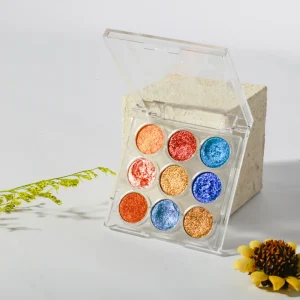
Maintaining Consistency Across Production Volumes
Consistency across production volumes depends on strict control of process variables and adherence to established protocols. Standard operating procedures are used to define each step, from raw material weighing to final filling. Instrument calibration and equipment validation also play a role in ensuring that measurements remain accurate at different scales.
Quality control testing is applied to each batch to confirm that it meets predefined specifications. This includes checks for physical properties, such as texture and color, as well as chemical and microbiological parameters where applicable. By monitoring these factors, manufacturers can ensure that products produced at different volumes remain functionally equivalent and within acceptable limits of variation.
Conclusion
White label makeup provides a structured way to produce cosmetic products using established formulas and controlled processes. While it limits deep formulation changes, it offers consistency in production, testing, and compliance.
Read More >> Is Selling Private Label Cosmetics a Good Business?
Read More >> Private Label Cosmetics: How They Work and Why They Matter