
Additional ingredients may include:
- Antioxidants
- Preservatives
- Flavoring agents
- Active skincare ingredients
- Pearlescent powders
Manufacturing decision:
If a brand prioritizes long wear, formulators typically increase film-forming ingredients. If comfort and hydration are the priority, higher levels of emollients are usually incorporated.
2. Raw Material Inspection and Preparation
Before production begins, manufacturers inspect incoming raw materials.
Typical checks include:
- Identity verification
- Purity testing
- Color consistency
- Microbiological assessment
- Regulatory compliance review
Ingredients are then weighed according to the approved formula.
Quality principle:
High-quality lipstick production depends on ingredient consistency. Variations in waxes or pigments can lead to texture defects and color deviations.
3. Pigment Dispersion
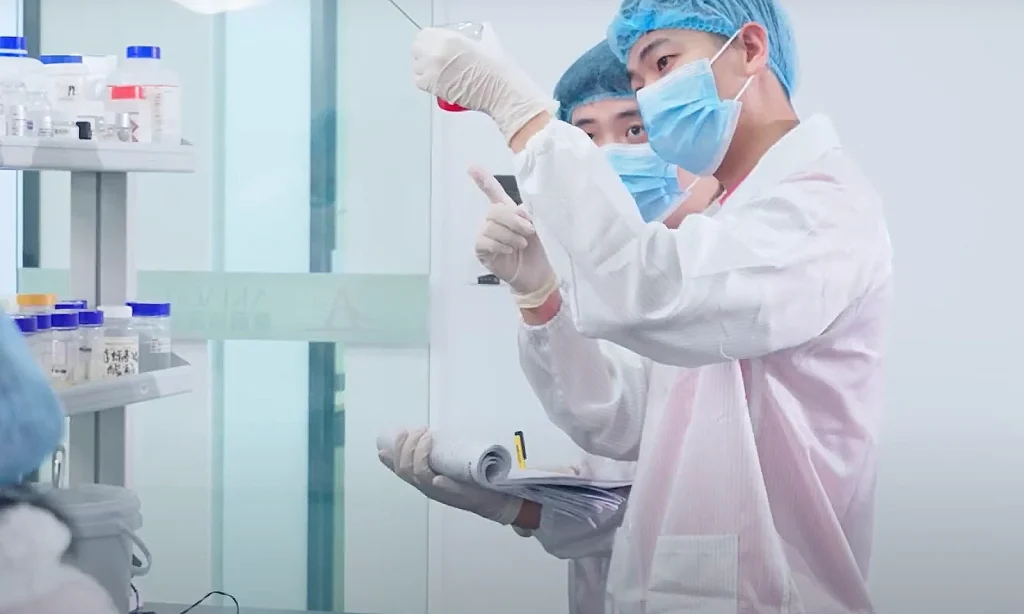
Pigments must be evenly dispersed before lipstick molding.
This step often uses:
- Three-roll mills
- High-shear mixers
- Grinding equipment
The objective is to eliminate pigment agglomeration and achieve:
- Smooth application
- Uniform color
- Better coverage
Why This Step Matters
Poor pigment dispersion can cause:
- Grainy texture
- Uneven color distribution
- Streaking during application
For premium lipstick products, pigment particle size control is a critical manufacturing parameter.
4. Melting and Mixing
Waxes and oils are heated in stainless-steel mixing tanks.
Common processing temperatures range between 70°C and 90°C, depending on the formula.
During this stage:
- Waxes are melted.
- Oils are blended.
- Pigment dispersions are added.
- Functional ingredients are incorporated.
Manufacturers continuously monitor:
- Temperature
- Mixing speed
- Batch uniformity
Decision logic:
Excessive heat may damage sensitive ingredients, while insufficient heat can create texture inconsistencies.
5. Vacuum Deaeration
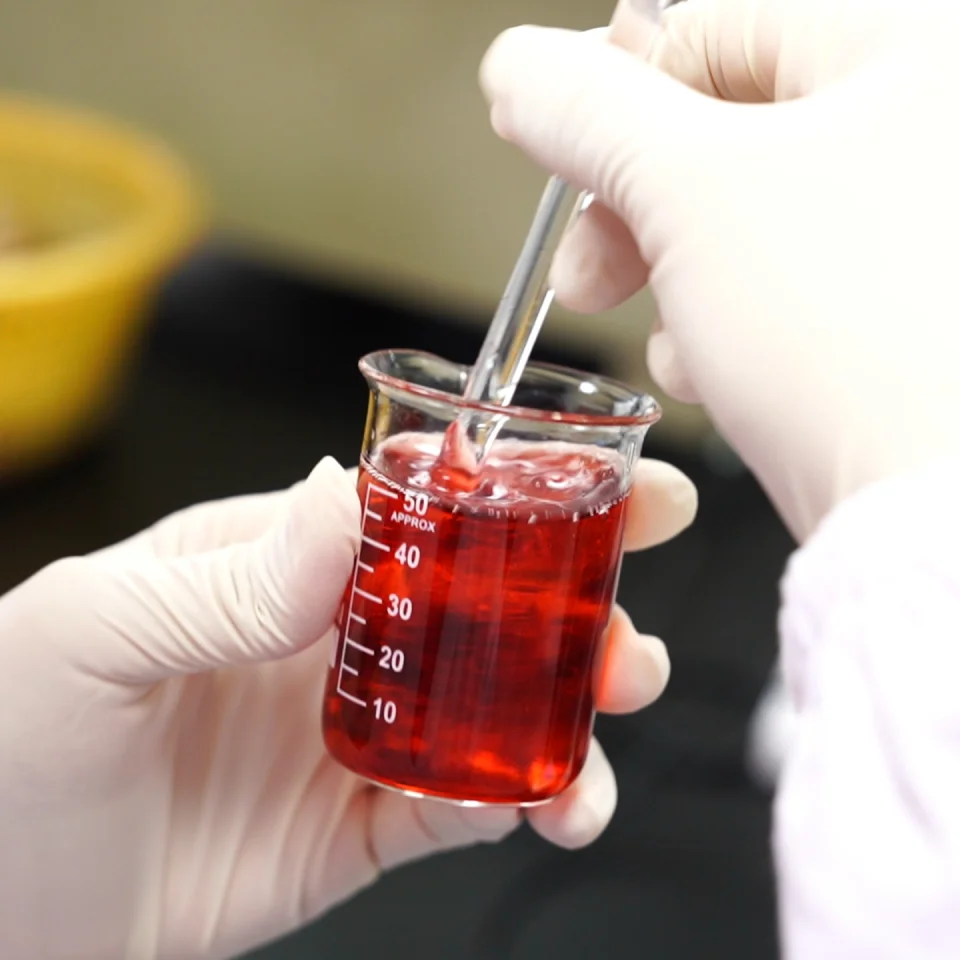
After mixing, trapped air is removed.
Vacuum processing helps:
- Prevent air bubbles
- Improve product appearance
- Increase structural stability
- Enhance molding consistency
This step is particularly important for high-pigment and long-wear lipstick formulas.
6. Lipstick Molding
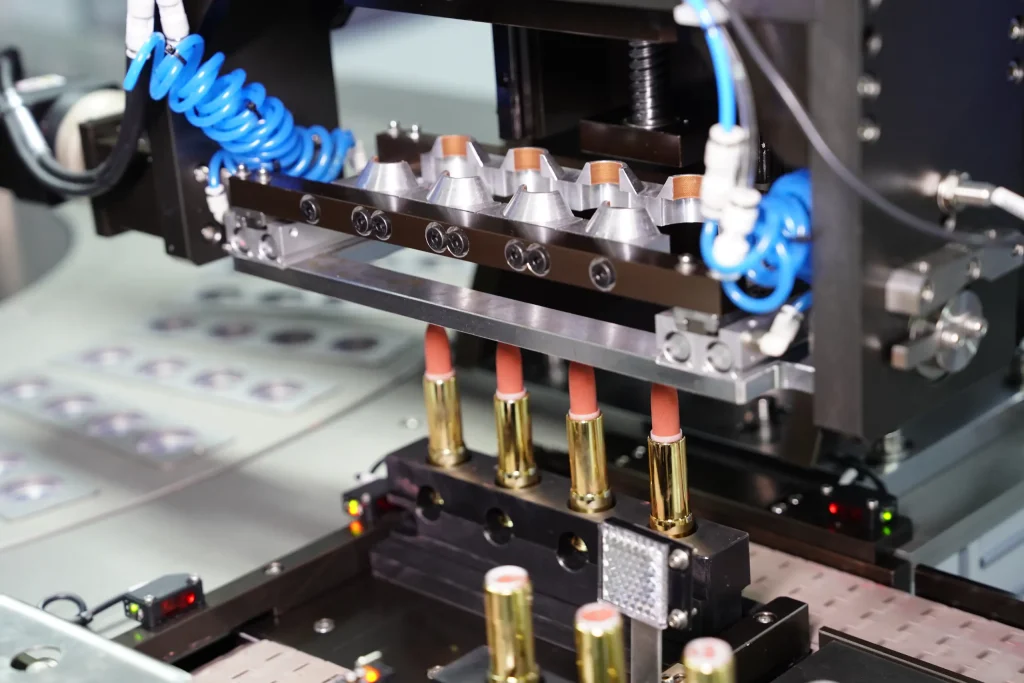
The molten lipstick bulk is poured into precision molds.
The mold determines:
- Bullet shape
- Tip design
- Product dimensions
Manufacturers use automated filling systems to ensure:
- Consistent weight
- Uniform appearance
- High production efficiency
Common Mold Types
- Traditional bullet lipstick
- Slim lipstick
- Mini lipstick
- Specialty custom designs
7. Cooling and Solidification
Filled molds enter controlled cooling systems.
Cooling conditions directly affect:
- Surface smoothness
- Structural strength
- Product stability
If cooling occurs too quickly, defects may appear:
- Surface cracks
- Sweating
- Structural weakness
If cooling is too slow, production efficiency decreases.
Manufacturing best practice:
Controlled cooling provides the best balance between appearance and mechanical stability.
8. Demolding and Flame Finishing
Once solidified, lipstick bullets are removed from molds.
Many manufacturers perform flame treatment to:
- Remove surface imperfections
- Improve gloss
- Create a smoother finish
The lipstick bullet is then inserted into its packaging component.
9. Quality Control Testing
Quality testing is conducted throughout production and before shipment.
Typical Lipstick Tests
Quality Evaluation Criteria
A lipstick should demonstrate:
- Consistent color
- Smooth application
- Stable structure
- No sweating or bleeding
- Acceptable microbial limits

10. Packaging and Final Inspection
After passing quality control, products proceed to packaging.
Typical operations include:
- Component assembly
- Labeling
- Coding and batch marking
- Carton packaging
- Final visual inspection
Before shipment, manufacturers verify:
- Product appearance
- Net weight
- Packaging accuracy
- Regulatory documentation
How Long Does Lipstick Manufacturing Take?
The timeline varies according to formulation complexity, testing requirements, and packaging customization.
For private-label projects using existing formulas, production timelines are generally shorter than fully customized developments.
What Determines Lipstick Quality?
Many buyers focus on color selection, but manufacturing quality is influenced by several factors.
Formula Quality
A well-designed formula balances:
- Pigment load
- Wax structure
- Oil composition
- Stability requirements
Manufacturing Equipment
Modern production equipment improves:
- Batch consistency
- Pigment dispersion
- Production efficiency
Quality Control System
A robust quality system helps reduce:
- Batch variation
- Product defects
- Regulatory risks
Production Experience
Manufacturers with extensive lipstick production experience are generally better equipped to handle formulation optimization, scale-up challenges, and quality consistency.
How to Choose a Lipstick Manufacturer
When evaluating a lipstick manufacturer, consider the following criteria:
Production Capability
Assess:
- Manufacturing capacity
- Facility size
- Equipment level
- Automation capability
Customization Options
Determine whether the supplier can provide:
- Custom formulas
- Private-label services
- Packaging customization
- Color matching
Quality Certifications
Look for manufacturers operating under recognized cosmetic quality standards and regulatory compliance systems.
MOQ and Lead Time
For startups, low minimum order quantities and fast lead times can reduce inventory risk and accelerate market entry.
For established brands, scalable production capacity becomes increasingly important.
Frequently Asked Questions
What are lipsticks made of?
Most lipsticks are made from waxes, oils, pigments, and performance-enhancing additives. The exact composition depends on the desired finish, wear characteristics, and regulatory requirements.
How are lipstick colors created?
Colors are created by blending cosmetic-grade pigments and colorants. Manufacturers use controlled dispersion processes to ensure uniform color distribution throughout the formula.
Why is pigment dispersion important in lipstick manufacturing?
Proper pigment dispersion improves color consistency, application smoothness, and overall product appearance. Poor dispersion can result in streaking, graininess, and uneven coverage.
Can lipstick be manufactured under a private-label program?
Yes. Many cosmetic manufacturers offer private-label lipstick services, allowing brands to launch products using existing formulations while applying their own branding and packaging.
What is the typical MOQ for private-label lipstick?
MOQ varies by manufacturer, formula, and packaging requirements. Suppliers with flexible production systems can often accommodate lower MOQs, which is particularly beneficial for startups and emerging brands.
Conclusion
Lipstick manufacturing is a controlled process that transforms carefully selected raw materials into a finished cosmetic product through formulation, mixing, molding, cooling, testing, and packaging.

For brands, the most important consideration is not only how lipstick is made, but whether the manufacturer can consistently deliver stable quality, scalable production, regulatory compliance, and efficient lead times.
Companies such as Guangdong AKIA Cosmetic Co., Ltd., with more than 40 years of cosmetic manufacturing experience, a 40,000-square-meter production facility in Foshan, China, flexible MOQs, and fast production lead times, can support both startup brands and large-scale cosmetic businesses seeking private-label or custom lipstick manufacturing solutions.
Read More >> How To Start A Private Label Makeup Line in 2026
Read More >> Private Label Cosmetics vs. Contract Manufacturing