
Cosmetic formula lifespan is the period when a product can stay safe, stable, and effective under normal conditions. It is not only about an expiration date. A formula changes over time because ingredients, packaging, and the environment can affect its quality.
The Difference Between Cosmetic Formula Shelf Life, Product Expiration Date, and PAO
Cosmetic shelf life means the expected time a product can remain stable before it shows major changes. During this period, the formula should keep its original texture, appearance, and safety level when stored correctly.
The product expiration date is usually the final date recommended by the manufacturer for use. It is based on stability testing and safety checks. After this date, the product may not perform as expected, even if it still looks normal.
PAO, or Period After Opening, is another important term used in cosmetics. It shows how long a product is suitable after the first use. It is often marked with an open jar symbol, such as “6M” or “12M,” meaning the product should be used within 6 or 12 months after opening.
Why cosmetic products do not last forever
Cosmetic formulas are made from many different ingredients, such as oils, water, active compounds, and preservatives. Over time, these ingredients can react with oxygen, light, heat, or microorganisms.
For example, oils may become oxidized and develop an unusual smell. Water-based products may face microbial growth if the preservation system becomes weaker. Active ingredients may also lose strength as their chemical structure changes.
Because of these natural changes, cosmetic products need a limited lifespan. A stable formula is not a permanent formula. Even well-designed products will slowly change after production.
How manufacturers determine cosmetic product stability and usability periods
Cosmetic manufacturers use stability testing to understand how a formula behaves over time. These tests usually check changes in color, smell, texture, pH level, viscosity, and microbial safety.
Manufacturers may perform real-time testing by storing products under normal conditions for a long period. They may also use accelerated stability tests, where products are placed under higher temperatures or different conditions to predict future behavior.
For private label cosmetics and white label cosmetics, stability testing is also important before large-scale production. It helps confirm that the formula can remain consistent during storage, shipping, and customer use.
Factors That Influence How Long Cosmetic Formulas Remain Stable
A cosmetic formula is a small chemical system. Its lifespan depends on how ingredients work together, how the product is protected, and how it is produced and stored. Even small changes in formulation or handling can influence stability.
For this reason, cosmetic scientists study every part of the product process, from ingredient selection to final packaging. Stability is not created by one single factor but by the balance between many elements.
Ingredient composition and formulation structure
The ingredients inside a cosmetic formula strongly affect its stability. Water-based products often need stronger preservation systems because water can support microbial growth. Oil-based formulas may face oxidation problems if sensitive oils are used.
The structure of a formula also matters. Ingredients must be compatible with each other. For example, some active ingredients may become less stable when combined with certain ingredients or exposed to unsuitable pH levels.
A well-designed formula considers ingredient interaction from the beginning. Cosmetic formulators test different combinations to find a balance between performance, safety, and stability.
Packaging type and product protection
Packaging does more than hold a cosmetic product. It helps protect the formula from outside factors such as air, light, and contamination.
For example, airless pumps can reduce contact with oxygen and may help protect sensitive formulas. Clear containers may allow more light exposure, which can affect some ingredients over time.
The right packaging choice depends on the formula. A simple lotion and a sensitive active serum may require different packaging solutions to maintain quality.
Storage environment and handling conditions
Storage conditions can change how long a cosmetic formula lasts. High temperatures, direct sunlight, and humidity may speed up ingredient breakdown.
Cosmetic products are usually designed to remain stable under normal storage conditions. However, leaving products in hot cars, near strong sunlight, or in unsuitable environments may shorten their usable period.
Handling also matters after opening. Using clean hands, closing containers properly, and avoiding unnecessary exposure to air can help maintain product quality.
Manufacturing standards and quality control processes
Manufacturing quality plays an important role in cosmetic stability. A formula can be well designed, but poor production practices may affect the final product.
Cosmetic manufacturers follow quality systems such as Good Manufacturing Practices (GMP) to control hygiene, production steps, and product testing. Organizations such as the International Organization for Standardization provide guidance for cosmetic GMP through ISO 22716.
Quality control checks may include testing raw materials, monitoring production conditions, and inspecting finished products. These steps help ensure that each batch meets the expected standards before reaching consumers.
Typical Lifespan of Different Cosmetic Formulas
Different cosmetic products have different lifespans because their formulas are built with different ingredients and structures. A water-based cream, an oil-based lipstick, and a powder product do not age in the same way.
Skincare Formula Longevity
Skincare formulas often contain water, oils, active ingredients, and botanical extracts. Because of this, their stability depends on the balance between ingredients, preservatives, packaging, and storage conditions.
Some skincare products may remain stable for a longer period, while others with sensitive active ingredients may need more careful control. The formula design decides how well a product can maintain its quality over time.
How long creams, lotions, and moisturizers typically last
Creams, lotions, and moisturizers are usually water-based emulsions. They combine water and oil ingredients with the help of emulsifiers. Because water is present, these products need a suitable preservation system to prevent microbial growth.
Unopened creams and lotions often have a shelf life of about 24 to 36 months when stored correctly, but the exact period depends on the formula and manufacturer testing. After opening, exposure to air, hands, and the environment may shorten their usable period.
Packaging also affects lifespan. Products in jars may have more contact with air and fingers, while pump or airless packaging can reduce contamination risks.
Stability considerations for serums, essences, and active ingredient formulas
Serums and essences often contain higher levels of active ingredients, such as vitamin C, retinol, peptides, or acids. These ingredients can be more sensitive to oxygen, light, and temperature changes.
For example, some vitamin C formulas may lose stability through oxidation, which can cause color changes. Retinol products may also require protective packaging because they can degrade when exposed to light and air.
Because active formulas can be more complex, cosmetic manufacturers usually perform detailed stability tests to confirm product performance during storage.
Shelf life expectations for cleansers, masks, and exfoliating products
Cleansers often have good stability because many are designed to remove oils and impurities rather than deliver highly sensitive active ingredients. However, they still need proper preservation and packaging.
Face masks can have different stability levels depending on their ingredients. Clay masks, cream masks, and sheet masks may have different storage needs due to their moisture levels and materials.
Exfoliating products that contain acids or enzymes require careful formula control. Changes in pH or ingredient activity may affect their performance over time.
Makeup Formula Longevity
Makeup products have different stability challenges because they often contain pigments, oils, waxes, and texture-building ingredients. The formula type usually determines how long the product can maintain its original quality.
Liquid makeup products may face more preservation challenges, while dry products often have fewer microbial concerns. However, all makeup products can change with time.
How long foundations, concealers, and BB/CC creams remain stable
Foundations, concealers, and BB/CC creams are usually water-based or emulsion formulas. They contain pigments, oils, and skin-conditioning ingredients, which need to stay evenly mixed.
Over time, these products may separate, change color, or develop changes in texture. Proper packaging and storage can help reduce these problems.
Many liquid makeup products have a typical lifespan of around 12 to 36 months unopened, depending on the formula. After opening, regular use and contact with skin may reduce the product’s usable period.
Powder cosmetics versus liquid cosmetics: stability differences
Powder cosmetics, such as pressed powder, loose powder, and powder blush, usually have longer stability because they contain little or no water. Lower moisture levels make microbial growth less likely.
However, powder products can still be affected by contamination from brushes, oils from skin, and improper storage. Clean application tools are important for maintaining product quality.
Liquid cosmetics usually require stronger preservation systems because they contain more water. They are also more sensitive to temperature changes and contamination.
The lifespan of lipsticks, lip glosses, and eye makeup products
Lipsticks are mainly made from waxes, oils, and pigments, which gives them a different stability profile from water-based products. They may remain stable for a long time, but oils can oxidize and change smell or texture.
Lip glosses often contain more liquid oils and may have shorter usable periods after opening. The applicator can also introduce bacteria into the product.
Eye makeup products, such as mascara and liquid eyeliner, usually need more attention because they are used near sensitive areas. Frequent exposure to air and contact with the eyes can increase contamination risks.
Haircare and Body Care Formula Lifespan
Haircare and body care products are usually designed for frequent use and often require formulas that can remain stable during daily handling. Their lifespan depends on ingredients, water content, packaging, and preservation systems.
Although these products may appear simple, they still require careful testing to maintain safety and consistent performance.
Shampoo, conditioner, and treatment product stability
Shampoos and conditioners usually contain water, surfactants, conditioning agents, and preservatives. Their formulas are designed to remain stable during normal bathroom use.
However, bathrooms often have high humidity and temperature changes, which may affect product quality over time. Keeping containers closed and avoiding water entering the package can help protect the formula.
Hair treatments with special ingredients, such as proteins or botanical extracts, may need additional stability testing because some ingredients can change over time.
Body lotions, scrubs, and personal care formula durability
Body lotions are similar to facial moisturizers because they often contain water and oils. Their lifespan depends on the stability of the emulsion and the strength of the preservation system.
Body scrubs may have different stability concerns depending on their exfoliating materials. Physical scrubs with particles may remain stable longer, while formulas with sensitive ingredients may require more control.
Personal care products, including body washes and creams, are generally tested to ensure they remain safe and consistent throughout their expected shelf life. Proper formulation, packaging, and storage all work together to protect product quality.
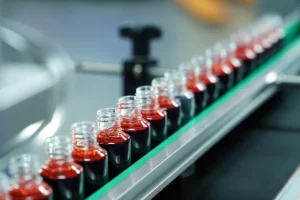
How Cosmetic Manufacturers Test Formula Stability
Before a cosmetic product reaches consumers, manufacturers need to understand how the formula changes over time. Stability testing helps confirm that a product can maintain its safety, appearance, texture, and performance during storage and use.
For private label cosmetic and white label cosmetic products, stability testing is also an important part of product development. It helps ensure that formulas remain consistent after production, transportation, and long-term storage.
The Role of Cosmetic Stability Testing
Cosmetic stability testing is a scientific process used to observe how a formula reacts under different conditions. Manufacturers check physical, chemical, and microbiological changes to understand the expected lifespan of a product.
During testing, experts may monitor changes such as color, smell, pH value, viscosity, separation, and ingredient performance. These results help determine whether a formula is suitable for production and how it should be stored.
Accelerated stability testing
Accelerated stability testing is a method that uses controlled conditions, such as higher temperatures, to study how a product may change over time. The idea is that increased stress can speed up certain aging processes.
For example, a formula may be stored at elevated temperatures for a specific period and then checked for changes. Scientists use these results together with other test data to understand possible stability risks.
However, accelerated testing does not completely replace normal storage tests. It is one part of a larger stability evaluation process.
Real-time stability testing
Real-time stability testing observes a product under normal storage conditions for a longer period. This method provides direct information about how a formula behaves during its expected shelf life.
Manufacturers may regularly check samples during the test period. They look for changes in texture, appearance, odor, and other quality indicators.
Because cosmetic formulas can slowly change, real-time testing provides valuable information about long-term product stability.
Freeze-thaw and temperature variation testing
Freeze-thaw testing examines how a cosmetic formula responds to repeated temperature changes. This is important because products may experience different temperatures during shipping or storage.
A formula may be moved between cold and warm conditions several times. After testing, manufacturers check whether the product shows problems such as separation, texture changes, or reduced stability.
Temperature variation testing helps identify formulas that may need adjustments before large-scale production.
Microbial Testing and Preservative Effectiveness
Many cosmetic products contain water, which creates conditions where microorganisms can grow. Therefore, microbial control is a key part of cosmetic safety and product lifespan.
Manufacturers use different methods to check whether a formula can resist microbial contamination during storage and use.
Why preservation systems affect cosmetic formula lifespan
Preservatives help protect cosmetic products from bacteria, yeast, and mold. A good preservation system helps maintain product safety throughout its expected use period.
However, preservatives must be carefully selected. Their effectiveness depends on factors such as formula type, pH level, ingredient interaction, and packaging design.
A formula with poor preservation control may become unsafe even if it looks normal. This is why preservation testing is an important step in cosmetic development.
Challenge testing for cosmetic safety
Challenge testing, also called preservative efficacy testing, evaluates how well a product can control microbial growth.
During this test, controlled microorganisms are introduced into the formula under laboratory conditions. Scientists then observe how the product responds over time.
This test helps confirm whether the preservation system can protect the formula during normal consumer use.
How natural and clean beauty formulas manage preservation challenges
Natural and clean beauty formulas may have special preservation challenges because some avoid certain traditional preservatives. Instead, manufacturers may use alternative preservation systems or packaging designs to improve stability.
Plant-based ingredients can also introduce new variables because natural extracts may contain compounds that affect formula balance.
For this reason, natural cosmetic products still require careful testing to ensure safety and stability.
Compatibility Testing Between Formula and Packaging
A cosmetic formula and its packaging work together as one system. A stable formula can become unstable if the packaging does not provide enough protection.
Compatibility testing helps manufacturers understand whether the container affects the formula or whether the formula damages the packaging material.
How packaging materials impact cosmetic shelf life
Packaging can influence exposure to oxygen, light, and contamination. These factors may affect sensitive ingredients and overall product stability.
For example, some active ingredients require protection from air or light. In these cases, packaging choice becomes an important part of formula design.
Manufacturers test whether the formula interacts with packaging materials, such as plastic, glass, or metal components, during storage.
Airless pumps, jars, tubes, and bottles: different protection levels
Different packaging types provide different levels of protection. Airless pumps reduce air contact and are often used for formulas with sensitive ingredients.
Jars are easy to use but may expose the product to air and repeated contact with fingers. This can increase contamination risks if the product is not handled carefully.
Tubes and bottles offer different levels of protection depending on their design. The best packaging choice depends on the formula, ingredients, and expected product use.
How Long Do Private Label Cosmetic Formulas Typically Last?
Private label cosmetic formulas usually follow the same basic stability principles as other cosmetic products. Their lifespan depends on the formula design, ingredients, packaging, production process, and storage conditions. A private label product is not automatically shorter or longer lasting; its stability depends on how it is developed and tested.
For brands using private label cosmetics, understanding formula lifespan is important because it affects product quality, inventory planning, and customer experience. A stable formula should remain safe and consistent from production until the end of its expected use period.
Understanding Private Label Cosmetics and Formula Lifespan
Private label cosmetics are products created by a cosmetic manufacturer and sold under another company’s brand name. These products can be based on existing formulas or developed with changes to meet specific brand requirements.
The formula lifespan depends on the same scientific factors used in all cosmetic development, including ingredient stability, preservation, packaging, and manufacturing control.
What are private label cosmetics?
Private label cosmetics are cosmetic products produced by a manufacturer for a brand that wants to sell products under its own name. The manufacturer usually provides formulation, production, testing, and packaging support.
A private label formula can be an existing product from a manufacturer’s catalog, or it can be adjusted according to the brand’s needs. Changes may include texture, fragrance, active ingredients, or packaging options.
Although the product carries a different brand name, the stability of the formula still depends on scientific testing and manufacturing standards.
How private label cosmetic manufacturers develop and maintain formulas
Private label cosmetic manufacturers usually begin with formula research, ingredient selection, and laboratory testing. Before production, the formula is evaluated for stability, safety, and performance.
During development, formulators study how ingredients interact with each other. They also consider factors such as pH level, texture, preservation system, and packaging compatibility.
After production begins, manufacturers continue quality checks through raw material testing, batch monitoring, and finished product inspection. These steps help maintain consistency between different production batches.
The relationship between cosmetic formulation, production, and expiration timelines
A cosmetic formula’s lifespan is connected to every stage of product development. A stable formula must remain reliable not only in the laboratory but also during large-scale manufacturing.
Production conditions can influence product quality. Factors such as mixing methods, temperature control, and hygiene standards may affect the final formula.
The expiration timeline is usually based on stability testing results. Manufacturers use these results to determine how long the product can maintain its expected quality under proper storage conditions.
Factors That Affect Private Label Cosmetic Formula Stability
Private label formulas can have different stability levels depending on how they are developed. Small changes in ingredients or production methods may influence the final product.
For this reason, manufacturers carefully review every modification before confirming the final formula.
Using existing cosmetic formulas versus customized formulations
Using an existing cosmetic formula can reduce development time because the formula may already have stability data. However, the formula still needs to be checked with the final packaging and production process.
Customized formulations offer more flexibility but usually require more testing. Changing ingredients, texture, or active components may affect stability and may require additional evaluation.
The more changes made to a formula, the more important stability testing becomes.
Ingredient selection and formulation modifications
Ingredient choice plays a major role in formula lifespan. Some ingredients are naturally stable, while others may be sensitive to oxygen, light, or temperature.
For example, formulas containing active ingredients may require special handling and protective packaging. Changing the level of an ingredient can also affect preservation, texture, and overall stability.
Private label manufacturers must evaluate each modification carefully to ensure the product remains safe and consistent.
Minimum order production and batch consistency considerations
Private label cosmetics are usually produced in batches. Maintaining consistency between batches is an important part of quality control.
Large production runs require careful control of raw materials, mixing processes, and testing procedures. Differences between batches may affect product appearance, texture, or performance.
Minimum order quantities can also influence production planning. Proper storage of finished products is necessary to help maintain formula quality during inventory periods.
Stability Considerations for Private Label Skincare Products
Skincare products often contain complex ingredients designed for specific skin concerns. Because of this, private label skincare formulas require careful stability evaluation.
Different skincare categories have different challenges, depending on the formula structure and active ingredients used.
Private label facial care formulas
Private label facial care products, such as cleansers, moisturizers, and serums, often require careful control because they are used regularly on the skin.
Moisturizers and creams usually need stable emulsions to prevent separation. Serums may require additional protection because they often contain sensitive ingredients.
Packaging selection is also important. Products with delicate ingredients may need packaging that reduces exposure to air and light.
Private label anti-aging and active skincare formulas
Anti-aging and active skincare products often include ingredients such as retinoids, peptides, antioxidants, or acids. These ingredients may provide specific functions but can also create stability challenges.
Manufacturers need to consider ingredient compatibility, pH balance, and packaging protection during development.
Because active formulas may be more sensitive, they often require more detailed stability testing before market release.
Private label natural, organic, and clean beauty products
Natural, organic, and clean beauty formulas may use more plant-based ingredients and alternative preservation approaches. These ingredients can create different stability requirements.
Botanical extracts and natural oils may vary depending on their source and processing methods. Therefore, manufacturers need to control ingredient quality and test formula consistency.
A natural formula can still achieve good stability when it is properly designed, tested, and produced under suitable quality standards.
How Long Do White Label Cosmetic Formulas Typically Last?
White label cosmetic formulas are usually pre-developed products that are ready for branding and distribution. Their lifespan depends on the original formula design, ingredient stability, packaging, and manufacturer testing. Since these formulas are often created before a brand selects them, reviewing stability information is an important step.
A white label product does not have a fixed lifespan simply because it is ready-made. Like all cosmetics, its shelf life is determined by scientific testing, production control, and proper storage conditions.
Understanding White Label Cosmetics and Pre-Developed Formulas
White label cosmetics are commonly used by brands that want to enter the market with existing cosmetic products. The manufacturer creates the formula, and the brand applies its own label and packaging identity.
Because the formula already exists, much of the development work may already be completed. However, brands still need to understand the product’s stability information before selling it.
What are white label cosmetics?
White label cosmetics are pre-formulated cosmetic products made by a manufacturer and offered to different brands for sale under their own names.
These products are usually developed before a brand places an order. The manufacturer controls the formula, ingredients, and production process, while the brand focuses on branding, packaging choices, and market positioning.
Common white label products include skincare, makeup, haircare, and body care formulas. Their quality and lifespan depend on the manufacturer’s development process and testing standards.
Differences between white label cosmetic products and private label cosmetics
White label and private label cosmetics are similar because both allow brands to sell products made by a third-party manufacturer. However, the level of customization is usually different.
White label products generally use existing formulas with limited changes. Private label products may allow more customization, such as adjusting ingredients, texture, fragrance, or product features.
Because white label formulas are already developed, they may have existing stability data. Private label formulas may require additional testing when major changes are introduced.
Why formula stability matters when using ready-made cosmetic products
Even when a formula is already developed, stability remains an important factor. A product must maintain its safety, appearance, and performance during storage and use.
Brands using white label cosmetics should understand information such as manufacturing date, recommended storage conditions, and product lifespan.
A stable formula helps ensure that the product customers receive is consistent with the product that was originally tested.
Shelf Life Considerations for White Label Cosmetic Products
The shelf life of a white label cosmetic product depends on the original formula and the conditions after production. Proper documentation and inventory management help maintain product quality.
Since the formula is usually created before branding, brands should work with manufacturers to understand how long the product can remain stable.
Manufacturer stability records and formula documentation
Manufacturers usually keep records related to formula development and stability testing. These records may include information about ingredient performance, packaging compatibility, and product changes during testing.
For white label products, reviewing available documentation helps brands understand the expected product lifespan.
Stability records also help confirm that the formula has been evaluated under controlled conditions before being introduced to the market.
Batch production dates and expiration management
Cosmetic products are usually produced in batches, and each batch has a production date. Tracking batch information helps manufacturers and brands manage inventory correctly.
The expiration timeline is usually counted from the manufacturing date based on stability data. Products that remain in storage for long periods should be monitored to ensure they stay within the expected quality period.
Good inventory management reduces the risk of selling products that are too close to the end of their recommended lifespan.
Maintaining formula quality during storage and distribution
Storage and transportation conditions can influence cosmetic stability. Even a well-tested formula may change if it is exposed to extreme heat, cold, or direct sunlight for long periods.
During distribution, products should be protected from unsuitable environments. Proper warehouse conditions and transportation practices help maintain formula quality.
For white label cosmetic brands, managing the supply chain carefully is an important part of protecting the original stability of the product.
Private Label vs White Label Cosmetic Formula Lifespan: Key Differences
Private label and white label cosmetics can have similar shelf life expectations when they use stable formulas and proper manufacturing processes. However, the way formulas are developed and modified can create differences in stability management.
The main difference is customization. White label products usually use existing formulas, while private label products may involve more changes. These changes can influence ingredient balance, testing needs, and long-term formula performance.
How Customization Impacts Formula Stability
Customization allows brands to create products that match their specific requirements. However, every change to a cosmetic formula can affect how ingredients interact with each other.
A small adjustment may influence texture, preservation, pH balance, or ingredient stability. Therefore, customized formulas often require additional testing before final production.
Ingredient changes and reformulation risks
Changing ingredients is one of the main factors that can affect cosmetic stability. Replacing an ingredient, adding a new active component, or changing the concentration of an ingredient may change the behavior of the formula.
For example, adding more botanical extracts or active ingredients may affect preservation needs. Some ingredients may also react with others, creating changes in color, smell, or texture over time.
Because of these risks, manufacturers usually evaluate reformulated products through stability and safety testing before large-scale production.
Adjusting texture, fragrance, color, and active ingredients
Brands may want to adjust a formula’s texture, fragrance, or color to match their market needs. While these changes may seem simple, they can influence the overall formula structure.
For example, changing the amount of oils or emulsifiers may affect product thickness and stability. Adding fragrance components may also change how other ingredients behave.
Active ingredients require even more attention because they may be sensitive to oxygen, light, or pH changes. Any adjustment should be carefully tested to confirm that the product remains stable.
How Manufacturing Processes Influence Product Longevity
Formula stability is not only about ingredients. The manufacturing process also affects the final product lifespan.
A well-designed formula can lose quality if production conditions are not properly controlled. For this reason, cosmetic manufacturers focus on quality systems, clean production environments, and consistent processes.
Quality control standards
Quality control helps ensure that each batch meets the expected standards. Manufacturers usually check raw materials, production steps, and finished products.
Testing may include checking appearance, viscosity, pH value, microbial safety, and other quality indicators.
For both private label and white label cosmetics, strong quality control helps maintain consistency between different production batches.
Production environment and contamination prevention
Cosmetic production requires careful control of the manufacturing environment. Contamination from microorganisms, dust, or improper handling can affect product safety and stability.
Manufacturers use controlled production areas, sanitation procedures, and equipment cleaning processes to reduce contamination risks.
Good Manufacturing Practices (GMP), such as those described in ISO 22716, provide guidelines for managing cosmetic production quality and hygiene.
Scale-up challenges from laboratory samples to mass production
A formula that works well in a laboratory may behave differently when produced on a larger scale. This is because production equipment, mixing speed, temperature control, and processing time can change.
During scale-up, manufacturers need to confirm that the formula remains consistent in larger batches.
Additional testing may be needed to make sure the final product has the same quality, texture, and stability as the original sample.
Ingredients That Can Affect Cosmetic Formula Longevity
A cosmetic formula is a carefully balanced combination of many ingredients. Each ingredient has its own chemical properties, and these properties can influence how long a product remains stable. Some ingredients support product protection, while others may require special handling because they are sensitive to environmental changes.
For both private label cosmetic and white label cosmetic products, ingredient selection is an important part of formula development. Manufacturers need to understand how each component behaves alone and how it interacts with other ingredients.
Preservatives and Preservation Systems
Preservation systems play a key role in maintaining cosmetic safety. Many cosmetic products contain water, which can create conditions where bacteria, yeast, or mold may grow. A proper preservation system helps control these risks during the product’s expected lifespan.
However, preservatives are only one part of formula stability. Their effectiveness depends on the entire product system, including ingredients, packaging, pH, and storage conditions.
Traditional cosmetic preservatives
Traditional cosmetic preservatives are commonly used because they have been studied and tested for many years. They help prevent microbial growth and support product safety during storage and use.
Different formulas require different preservation methods. For example, a lightweight facial serum and a thick body cream may need different preservation strategies because their ingredients and structures are not the same.
Manufacturers must choose preservatives carefully and use appropriate levels. The goal is to protect the product without negatively affecting the formula’s overall stability.
Natural preservation alternatives
Some cosmetic brands choose natural or clean beauty approaches and use alternative preservation systems. These may include certain plant-derived ingredients, organic acids, or packaging designs that reduce contamination.
However, natural preservation can require more careful formula planning. Natural ingredients may vary from batch to batch, and some may not provide the same protection level as traditional preservation systems.
Because of these differences, manufacturers usually perform additional testing to confirm that the product remains safe throughout its intended shelf life.
How preservative systems influence expiration timelines
A preservation system affects how long a cosmetic product can remain safe after production and opening. A well-designed system helps slow microbial growth and maintain product quality.
However, preservatives do not stop all changes. Ingredients can still oxidize, separate, or lose activity over time.
For this reason, manufacturers use stability testing and microbial testing together to determine realistic expiration periods and product use recommendations.
Active Ingredients and Their Stability Challenges
Many modern skincare products include active ingredients designed for specific skin concerns. These ingredients often require careful formula design because they may be more sensitive than basic cosmetic ingredients.
Factors such as light, oxygen, temperature, and pH can affect active ingredients. Therefore, formulas containing actives often need additional stability evaluation.
Vitamin C and oxidation concerns
Vitamin C is widely used in skincare, but some forms of vitamin C are sensitive to oxidation. When exposed to oxygen or unsuitable conditions, the ingredient may gradually become less stable.
Oxidation may cause visible changes, such as color shifts, depending on the formula. To improve stability, manufacturers may use more stable vitamin C forms, adjust the formula environment, or select protective packaging.
The stability of vitamin C depends not only on the ingredient itself but also on the full formula system.
Retinol and light/air sensitivity
Retinol is another active ingredient that requires careful handling. It can be affected by exposure to light and air, which may reduce its stability over time.
Because of this, retinol products are often designed with packaging that limits exposure to environmental factors.
Manufacturers also consider the concentration, supporting ingredients, and storage recommendations to help maintain product quality.
Peptides, acids, and other functional ingredients
Peptides, exfoliating acids, and other functional ingredients each have unique stability requirements.
For example, acid-based formulas depend on proper pH control. If the pH changes, the formula performance may also change. Peptides may require specific conditions to maintain their structure.
When multiple active ingredients are combined, formulators need to study possible interactions to ensure the final product remains stable.
Natural and Botanical Ingredients
Natural and botanical ingredients are common in skincare and personal care products. They can provide different formulation options, but they may also create additional stability challenges.
Plant-based ingredients are complex materials. Their quality can be influenced by the plant source, extraction method, and storage conditions.
Why plant-based ingredients may have shorter stability windows
Some botanical extracts and natural oils contain compounds that can react with oxygen, heat, or light. Over time, these changes may affect the product’s smell, color, or texture.
Natural ingredients may also influence the preservation system. Some plant extracts contain nutrients that can support microbial growth if the formula is not properly protected.
This does not mean natural products cannot have good stability. It means they often require careful ingredient control and testing.
Managing botanical extracts in private label and white label cosmetics
For private label and white label cosmetics, managing botanical ingredients requires attention to raw material quality and formula consistency.
Manufacturers need to evaluate the source, quality, and stability of botanical extracts before adding them to a product. They also need to check whether these ingredients work well with preservatives and other formula components.
Through proper testing and quality control, botanical-based formulas can maintain stable performance throughout their expected lifespan.
How Packaging Affects Cosmetic Formula Lifespan
Cosmetic packaging is not only used for appearance or convenience. It is also part of the product protection system. The right packaging can help reduce exposure to air, light, and contamination, which may affect formula stability over time.
For private label cosmetic and white label cosmetic products, packaging selection is an important part of product development. A stable formula needs suitable packaging to maintain its quality from manufacturing to consumer use.
The Role of Cosmetic Packaging in Formula Protection
A cosmetic formula continues to interact with its environment after production. Packaging acts as a barrier between the product and outside factors that may cause changes.
Different formulas require different levels of protection. A simple body lotion may have different packaging needs compared with a serum containing sensitive active ingredients.
Air exposure and oxidation
Oxygen can affect certain cosmetic ingredients, especially oils, antioxidants, and some active ingredients. When a product is repeatedly exposed to air, oxidation may gradually change the formula.
Oxidation can affect product color, smell, texture, and ingredient performance. For example, some sensitive ingredients may lose stability when they are exposed to oxygen for long periods.
Packaging designs that reduce air contact can help slow these changes. This is why some formulas use pumps or sealed systems instead of open containers.
Light protection and ingredient degradation
Light exposure can affect the stability of some cosmetic ingredients. Certain active ingredients and natural components may break down when exposed to light.
Clear packaging may allow more light to reach the formula, while opaque or colored packaging can provide more protection.
Manufacturers consider ingredient sensitivity when choosing packaging materials. The goal is to reduce unnecessary exposure and help maintain formula quality.
Contamination risks from repeated product use
Every time a cosmetic product is opened, it may come into contact with the environment. Fingers, tools, air, and surfaces can introduce microorganisms into the product.
This is especially important for products stored in open containers. Repeated use may increase contamination risks if the product is not handled properly.
Packaging design can help reduce these risks. Closed systems and controlled dispensing methods can limit direct contact with the formula.
Common Cosmetic Packaging Options and Their Impact
Different packaging types provide different levels of protection. The best choice depends on the formula, ingredients, product use, and expected lifespan.
Manufacturers usually consider both product safety and user experience when selecting packaging.
Jars
Jars are one of the most common cosmetic packaging types, especially for creams, masks, and thick products.
They are simple to use and allow easy access to the product. However, because users often touch the product directly, there may be a higher chance of contamination.
For formulas that are sensitive to air or microbes, manufacturers may need to combine jar packaging with strong preservation systems and proper usage instructions.
Pump bottles
Pump bottles help reduce direct contact between the product and the user’s hands. They are often used for lotions, cleansers, and other liquid formulas.
The pump system can help control product dispensing and reduce unnecessary exposure to the environment.
However, the level of protection depends on the pump design and formula requirements. Not all pump systems provide the same level of protection.
Airless packaging
Airless packaging is designed to limit air exposure. It uses a system that pushes the product upward without allowing much air to enter the container.
This type of packaging is often used for formulas with sensitive ingredients, such as certain serums and active skincare products.
By reducing contact with oxygen and outside contamination, airless packaging can help support formula stability.
Single-use and innovative packaging solutions
Single-use packaging, such as small capsules or sachets, can reduce contamination because each package is opened only once.
These solutions are often used for products that need high protection or precise dosing.
New packaging technologies continue to develop as cosmetic formulas become more advanced. However, packaging choice should always match the formula’s scientific needs rather than only focusing on appearance.
How to Extend the Shelf Life of Cosmetic Products
The shelf life of a cosmetic product is mainly determined during formula development and testing. However, proper storage, handling, and supply chain management can help maintain product quality throughout its expected lifespan.
A stable formula can still change if it is exposed to unsuitable conditions. For both consumers and cosmetic brands, protecting the product environment is an important part of maintaining safety and consistency.
Proper Storage Practices for Cosmetic Products
Storage conditions can influence how quickly cosmetic ingredients change. Temperature, humidity, light, and handling methods all affect formula stability.
Whether it is a skincare product, makeup item, or personal care formula, proper storage helps reduce unnecessary stress on the product system.
Recommended temperature and humidity conditions
Most cosmetic products are designed to remain stable under normal room temperature conditions. Extreme temperatures, either too high or too low, may affect the formula structure.
High temperatures can speed up ingredient degradation, oxidation, or separation. High humidity may also create challenges for some products, especially powders and products with sensitive packaging.
Cosmetics should usually be stored in a cool and dry place. Following the manufacturer’s storage recommendations is the best way to protect product quality.
Avoiding direct sunlight and heat exposure
Direct sunlight can increase product temperature and expose formulas to ultraviolet light. These factors may affect certain ingredients, especially active ingredients and natural components.
Products left near windows, heaters, or inside hot vehicles may experience faster changes than products stored in controlled conditions.
Using suitable storage areas and protective packaging can help reduce the impact of heat and light exposure.
Preventing contamination during use
After opening, cosmetic products can come into contact with air, hands, and other surfaces. This may introduce microorganisms into the formula.
Simple habits can help reduce contamination risks, such as washing hands before use, keeping containers closed, and avoiding contact between the product and unclean tools.
For products in jars, using a clean applicator instead of fingers can help maintain formula quality for a longer period.
Manufacturing and Supply Chain Practices That Support Longer Stability
Formula stability does not end after production. Manufacturing methods, transportation, and storage throughout the supply chain also influence product quality.
For private label cosmetic and white label cosmetic products, strong production and supply chain management helps ensure that the product remains consistent from factory to customer.
Good Manufacturing Practices (GMP) in cosmetic production
Good Manufacturing Practices (GMP) provide guidelines for producing cosmetics under controlled conditions. They focus on areas such as hygiene, equipment management, documentation, and production processes.
Following GMP principles helps reduce contamination risks and improves batch consistency.
International standards, such as ISO 22716 for cosmetic GMP, provide guidance for quality management in cosmetic manufacturing.
Quality control procedures
Quality control helps confirm that cosmetic products meet required standards before they reach the market.
Manufacturers may test raw materials, monitor production steps, and inspect finished products. These checks can include appearance, texture, pH value, stability, and microbial safety.
Regular quality control helps identify possible issues early and supports consistent product performance.
Proper transportation and warehouse management
Transportation and storage after production can affect cosmetic stability. Products may be exposed to temperature changes, pressure, or unsuitable environments during shipping.
Proper warehouse management includes controlling storage conditions, organizing inventory, and monitoring product dates.
A well-managed supply chain helps reduce unnecessary product stress and supports the original shelf life established through stability testing.
Signs That a Cosmetic Formula Has Expired or Become Unstable
A cosmetic product does not always show obvious problems when it becomes unstable. Some changes may happen slowly as ingredients age, interact with oxygen, or lose their original structure.
Understanding these signs can help consumers and cosmetic brands identify possible quality issues. For private label cosmetic and white label cosmetic products, monitoring formula changes is also an important part of quality management.
Changes in Product Appearance
Visual changes are often the first signs that a cosmetic formula may no longer be in its original condition. These changes can happen because of ingredient breakdown, oxidation, packaging issues, or storage problems.
However, appearance alone does not always confirm that a product is unsafe. Manufacturers usually rely on stability and safety testing to make a final evaluation.
Color changes
A change in color may indicate that certain ingredients have reacted over time. This can happen with sensitive ingredients that are affected by oxygen, light, or temperature.
For example, some antioxidant ingredients or botanical extracts may naturally change color as they age.
A slight change may not always mean the product is unusable, but a strong or unexpected color change should be checked carefully.
Texture separation
Many cosmetic products are emulsions, meaning they combine water-based and oil-based ingredients. Over time, these systems may become unstable and start to separate.
Signs of separation may include oil appearing on the surface, uneven texture, or changes in product thickness.
If a formula no longer returns to its original texture after normal mixing, it may indicate a stability problem.
Unusual product consistency
A cosmetic formula may change in thickness, smoothness, or spreadability as it ages.
For example, a cream may become too watery, a serum may become sticky, or a lotion may feel different during application.
These changes may happen because ingredients have degraded or the formula structure has changed.
Changes in Product Performance
A cosmetic product may also show problems through changes in how it works. Even if the product looks normal, changes in performance can suggest that the formula is no longer stable.
Manufacturers study these changes during stability testing to understand how product quality develops over time.
Reduced effectiveness
Some cosmetic ingredients may lose activity as they age. This is especially important for products containing active ingredients.
For example, ingredients designed for specific skincare functions may become less stable when exposed to oxygen, light, or unsuitable storage conditions.
A decrease in performance does not always mean the product is unsafe, but it may indicate that the formula is no longer working as originally designed.
Changes in application experience
Texture and application feel are important parts of cosmetic quality. A product that feels different from before may have experienced formula changes.
Users may notice differences in absorption, smoothness, spreadability, or finish.
These changes can happen because of ingredient separation, moisture loss, oxidation, or changes in the formula structure.
Potential safety concerns
The most important concern with unstable cosmetics is product safety. Changes in preservation performance may increase the risk of microbial contamination.
Possible warning signs include unusual odor, visible mold, irritation after use, or significant changes in product appearance.
If a product shows clear signs of instability, continued use should be avoided. Proper formula testing and quality control help reduce these risks before products reach consumers.
Final Thoughts
Cosmetic formula lifespan is influenced by many factors, including ingredients, packaging, manufacturing processes, and storage conditions. Whether a product is private label, white label, or a traditional cosmetic brand, stability depends on careful formulation and scientific testing.
Read More >> Factory Audits for Cosmetics Brands Explained