
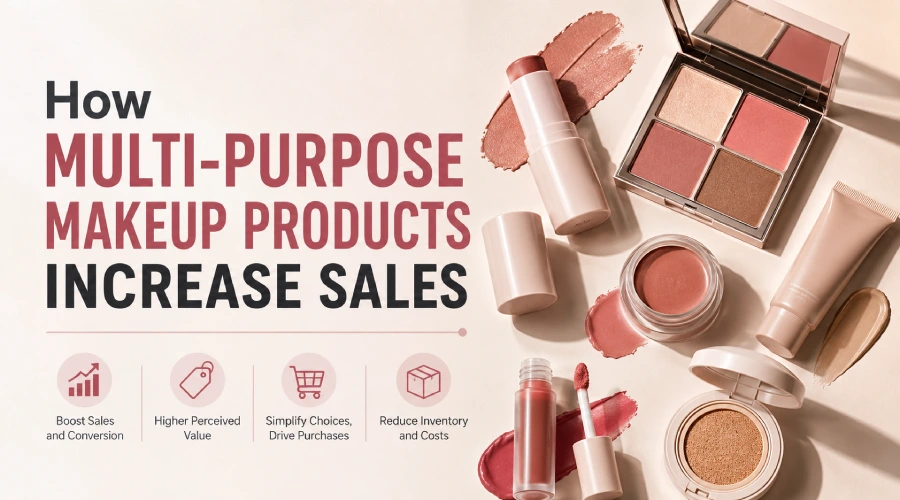
Multi-purpose makeup products increase sales because they deliver higher perceived value, simplify purchasing decisions, encourage repeat purchases, and help beauty brands launch more SKUs with lower inventory risk. For private label brands, they also reduce development costs while meeting growing consumer demand for convenience and versatility.
As beauty consumers increasingly look for products that save time, space, and money, multi-use cosmetics have become one of the fastest-growing product categories. For brands, they are more than a trend—they are a practical strategy for improving profitability.
Why Multi-Purpose Makeup Products Sell Better
The commercial success of multi-purpose cosmetics comes from solving several customer problems at once.
1. Consumers Receive More Value From One Product
Customers naturally compare the value of products before purchasing.
When one cosmetic performs multiple functions—for example, a tint that works on lips, cheeks, and eyelids—it replaces several individual products. This improves the product’s value perception without necessarily increasing manufacturing costs.
Decision logic:
- One function = one purchase reason
- Multiple functions = multiple purchase reasons
- More purchase reasons generally increase conversion rates
Brands that clearly communicate multiple use cases often achieve stronger product differentiation.
2. Simplicity Reduces Purchase Friction
Too many product choices often delay purchasing decisions.
Multi-purpose products simplify the shopping process because customers can solve several beauty needs with one item.
Examples include:
- Lip & cheek tint
- Foundation with skincare benefits
- Eyeshadow that doubles as contour
- Highlighter suitable for face and body
- Brow pencil with built-in brush
Why this matters:
Customers spend less time comparing products and gain confidence that one purchase provides broader utility.
Lower decision complexity often leads to higher conversion.
3. Travel-Friendly Products Have Wider Appeal
Consumers increasingly value portability.
Compact multi-use cosmetics fit easily into:
- Daily handbags
- Travel kits
- Office makeup bags
- Gym bags
Because fewer products are needed, consumers experience greater convenience, making these products attractive across multiple customer segments.
How Multi-Purpose Products Improve Business Performance
For private label brands, the advantages extend beyond consumer convenience.
Higher Average Order Value
A premium multi-functional product often justifies a higher selling price than a single-purpose alternative.
Customers are generally willing to pay more when they believe they are replacing several products with one purchase.
This increases average order value without requiring additional products in the shopping cart.
Faster Product Line Expansion
Launching a complete makeup collection requires significant investment.
Multi-purpose cosmetics allow brands to cover more beauty categories with fewer SKUs.
For example:
Instead of launching four separate products, a brand may begin with one hero product.
Decision logic:
Lower SKU count → Lower inventory investment → Faster market entry
This is particularly valuable for startups testing new markets.
Better Inventory Efficiency
Every additional SKU increases:
- Production planning
- Packaging inventory
- Warehouse space
- Forecasting complexity
Multi-purpose products reduce SKU complexity while maintaining product diversity from the customer’s perspective.
This improves inventory management and reduces slow-moving stock.
Stronger Marketing Content
One product can generate significantly more marketing assets.
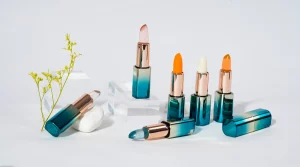
For example, a lip & cheek tint allows brands to create content around:
- Lip makeup tutorials
- Blush application
- Monochromatic makeup looks
- Travel beauty routines
- Beginner makeup guides
Instead of promoting one function, marketing teams can continuously introduce new usage scenarios.
This extends the product’s content lifecycle across social media, e-commerce, and advertising channels.
Read More >> How Beauty Brands Can Meet FDA MoCRA & EU Compliance
Which Multi-Purpose Makeup Products Are Most Popular?
Several categories consistently perform well across both online and retail channels.
Lip & Cheek Tints
Popular because they create natural makeup looks while reducing routine complexity.
Ideal customers include:
- Daily makeup users
- Students
- Travelers
- Minimalist beauty consumers
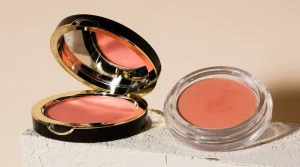
Cushion Foundation with Skincare Benefits
Consumers increasingly expect makeup to provide skincare value.
Common added benefits include:
- Hydration
- SPF protection
- Brightening ingredients
- Anti-aging ingredients
This combination strengthens the product’s premium positioning.
Cream Color Sticks
These products can often be used for:
- Blush
- Eyeshadow
- Contour
- Highlight
Stick packaging also improves portability.
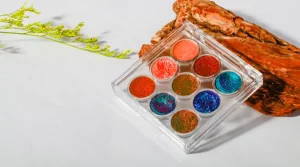
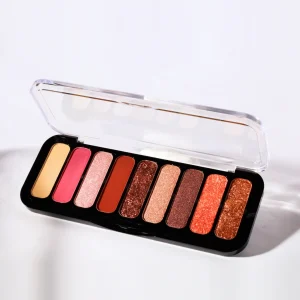
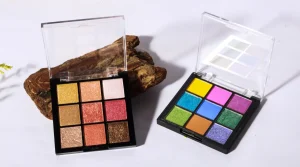
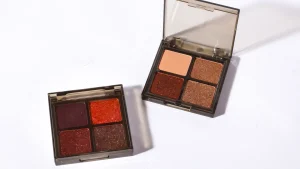
Multi-Use Makeup Palettes
Palettes combining:
- Eyeshadow
- Blush
- Contour
- Highlight
remain attractive because they reduce packaging while offering multiple looks.
How Private Label Brands Can Develop Successful Multi-Purpose Products
Not every combination creates a successful product.
Brands should evaluate opportunities using three criteria.
1. Functions Should Naturally Work Together
The product should solve related beauty needs.
Good examples include:
- Lip + cheek
- Eye + contour
- Foundation + skincare
Combining unrelated functions often confuses customers.
2. Formula Performance Must Match Every Application
A formula designed for lips may not perform well on eyelids.
Before commercialization, brands should verify:
- Texture
- Pigmentation
- Blendability
- Wear time
- Skin compatibility
Performance consistency is more important than the number of claimed functions.
3. Packaging Should Support Convenience
Convenience is one of the primary reasons customers buy multi-purpose cosmetics.
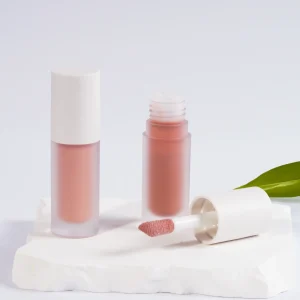
Packaging should therefore be:
- Easy to carry
- Easy to apply
- Leak-resistant
- Durable
- Suitable for repeated daily use
Good packaging reinforces the product’s value proposition.
Choosing the Right Manufacturing Partner
Developing successful multi-purpose cosmetics requires more than combining functions. Formula stability, regulatory compliance, scalable production, and efficient lead times all influence whether a product succeeds in the market.
When evaluating a private label manufacturer, consider factors such as:
- Experience with multi-functional formulations
- Flexible minimum order quantities (MOQ)
- Speed of product development and production
- Quality management systems
- Ability to support both emerging and established brands
For example, Guangdong AKIA Cosmetic Co., Ltd. has more than 40 years of cosmetics manufacturing experience, operates a 40,000-square-meter production facility in Foshan, China, offers flexible MOQs and fast lead times, making it suitable for both startups and established beauty brands seeking private label manufacturing.
Conclusion
Multi-purpose makeup products increase sales by delivering greater value to consumers and greater operational efficiency to brands. They simplify purchasing decisions, support premium pricing, reduce inventory complexity, and enable faster product launches with fewer SKUs.
For private label beauty brands, the most successful strategy is not to maximize the number of functions in a product, but to combine compatible uses that deliver consistent performance. When supported by the right manufacturing partner, multi-purpose cosmetics can become a scalable foundation for long-term brand growth.
Read More >> Questions to Ask Before Choosing an OEM Cosmetics Factory