
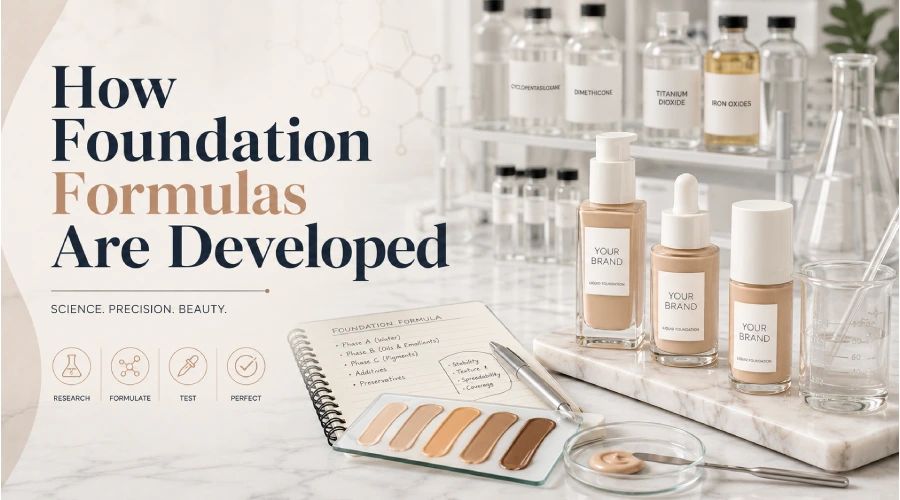
A foundation formula is much more than a blend of color pigments. It is a carefully designed cosmetic system that combines chemistry, skin science, and material science. Each ingredient has a specific job, and every part of the formula must work together to deliver stable, safe, and consistent performance during application and wear.
The Main Objectives of a Foundation Formula
Every foundation formula is created with several technical goals in mind. Scientists do not focus on color alone. Instead, they balance appearance, texture, stability, and skin compatibility. Improving one property often affects another, so formulation requires many rounds of testing and adjustment.
The final formula should perform consistently under normal conditions such as rubbing, facial movement, changes in temperature, and contact with skin oil. At the same time, it must remain safe throughout its shelf life.
Skin Tone Enhancement
One main purpose of foundation is to create a more even-looking skin tone. This is done by combining pigments with different shades and undertones instead of relying on a single color.
Formulators adjust pigment ratios carefully because human skin contains many natural color variations. Small changes in iron oxide levels, for example, can noticeably change the final shade and undertone.
Coverage and Imperfection Correction
Coverage depends on both the amount of pigment and the way pigments are dispersed throughout the formula. Even distribution helps create a smooth appearance without visible streaks or uneven patches.
Scientists also control the size and shape of powder particles. These factors influence how light reflects from the skin, which can reduce the appearance of redness, discoloration, or uneven texture without completely hiding natural skin features.
Comfort and Wearability
A foundation should remain comfortable after application. This depends on the balance between oils, silicones, water, film-forming agents, and powders. If one component is too high, the product may feel greasy, dry, or heavy.
Texture testing is an important part of development. Researchers evaluate how easily the product spreads, how quickly it sets, and how it feels during several hours of normal wear.
Stability and Safety
A stable formula keeps its texture, color, and performance throughout storage and daily use. It should resist separation, excessive thickening, and noticeable color changes under recommended storage conditions.
Safety is equally important. Before a product reaches consumers, formulators assess ingredient compatibility, preservative performance, and potential skin irritation. Stability and microbiological testing help confirm that the formula remains safe during its expected shelf life.
Common Types of Foundation Formulas
Foundation formulas can be grouped by their physical form and ingredient system. Each type uses different raw materials and manufacturing methods to achieve its intended texture and application properties.
Although these categories may look similar on the surface, their internal structures are often very different. Understanding these differences helps explain why products behave differently on the skin.
Liquid Foundation
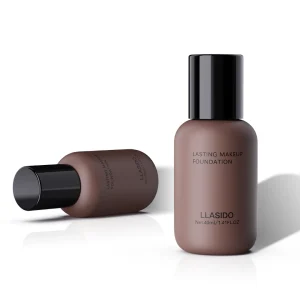
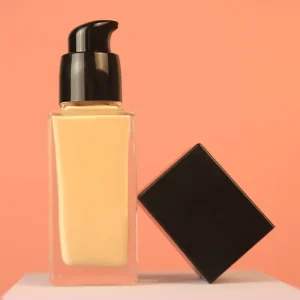
Liquid foundations are usually emulsions that combine water, oils, or silicones with pigments and emulsifiers. The internal structure allows the product to spread evenly while keeping pigments suspended during storage.
The viscosity can range from thin to thick depending on the formula. Small adjustments in emulsifiers, thickeners, or powder content can significantly change the texture and application behavior.
Cream Foundation
Cream foundations contain a higher proportion of waxes, oils, or solid emollients than most liquid formulas. This creates a thicker consistency and a more structured product.
Because of their richer composition, cream formulas require careful control of temperature during manufacturing. Proper cooling is important to maintain a stable texture and prevent ingredient separation.
Powder Foundation
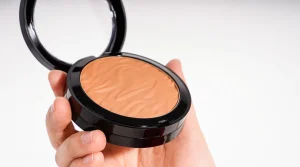
Powder foundations are made mainly from pigments, fillers, binders, and absorbent powders. The ingredients are blended and often compressed into a compact form using specialized pressing equipment.
Particle size is carefully controlled because it affects both application and appearance. Fine particles generally spread more evenly, while larger particles can change texture and coverage.
Stick Foundation
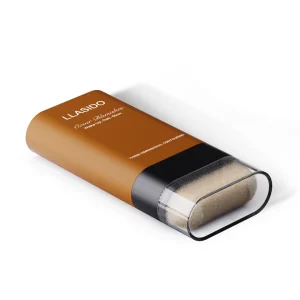
Stick foundations are solid systems built with waxes, oils, and structural agents. The balance of these ingredients determines hardness, glide, and resistance to breaking during normal use.
The manufacturing process usually involves melting the ingredients, mixing pigments thoroughly, and pouring the blend into molds before controlled cooling.
Serum and Hybrid Foundation
Serum and hybrid foundations combine traditional makeup ingredients with lightweight cosmetic bases. These formulas often contain lower-viscosity systems that create a fluid texture while still carrying pigments effectively.
Developing these products can be challenging because thin formulas must keep pigments evenly dispersed over time. Formulators often use advanced dispersing agents and stabilizers to reduce settling during storage.
The Scientific Principles Behind How Foundation Formulas Are Developed
Before a foundation is made in the lab, formulators first study how skin behaves. Foundation is not simply a colored product. It must interact with skin oils, moisture, texture, and daily movement. For this reason, product development starts with skin biology and then moves to performance targets. These two areas guide most formulation decisions.
Understanding Skin Biology Before Formulation
Skin is a living organ with complex physical and chemical properties. A formula that performs well on one skin type may behave very differently on another. Therefore, cosmetic scientists study several skin factors before selecting ingredients and building prototypes.
They examine how the skin surface reflects light, how much oil it produces, and how well it retains moisture. These observations help determine which raw materials and formula structures are most suitable.
Skin Structure and Surface Characteristics
Human skin is not perfectly smooth. It contains pores, fine lines, hair follicles, and areas with different textures. These surface features affect how foundation spreads and settles after application.
Scientists often evaluate surface roughness because uneven skin can scatter light differently. As a result, powder size, pigment dispersion, and film-forming systems are adjusted to improve formula performance on varied skin textures.
Sebum Production and Skin Types
Sebum is the natural oil produced by sebaceous glands. The amount of sebum varies between individuals and can change due to age, climate, hormones, and daily activity.
For oily skin, excess sebum may break down pigments or increase shine during wear. For dry skin, low oil levels can make some formulas appear uneven. Because of this, formulators often test products on multiple skin types during development.
Skin Hydration and Barrier Function
The outer layer of skin, called the stratum corneum, helps control water loss and protects against external stress. Its condition can influence how foundation looks and feels throughout the day.
When skin is dehydrated, foundation may collect around dry areas. Therefore, formulators often consider moisture balance and barrier compatibility when selecting humectants, emollients, and film-forming ingredients.
Defining Product Performance Goals
Once skin-related factors are understood, scientists establish clear performance targets. These goals act as a blueprint for the entire development process. Every ingredient choice is linked to one or more desired outcomes.
In practice, it is difficult to maximize every property at the same time. Increasing wear resistance, for example, may affect comfort or texture. As a result, formulation often involves balancing competing requirements.
Desired Coverage Level
Coverage refers to how much of the underlying skin remains visible after application. It is influenced by pigment type, pigment loading, and the uniformity of pigment dispersion.
Higher pigment levels do not always produce better results. If pigments are poorly dispersed, the formula may appear uneven. Therefore, coverage is evaluated alongside spreadability and visual uniformity.
Finish: Matte, Satin, Natural, Dewy
The finish describes the visual appearance of the skin after foundation is applied. Different finishes are achieved by controlling how light interacts with the surface of the product.
Matte formulas often contain absorbent powders that reduce visible shine. Dewy formulas generally use ingredients that increase light reflection. Satin and natural finishes usually fall between these two extremes.
Longevity and Wear Resistance
Wear resistance refers to how well a foundation maintains its appearance over time. During development, products may be tested under conditions that simulate normal daily activity.
Film-forming polymers are commonly used to improve durability. However, excessive film formation can affect flexibility, so formulators must carefully balance wear performance with comfort.
Read More >> How Beauty Brands Can Meet FDA MoCRA & EU Compliance
Transfer and Sweat Resistance
Transfer occurs when foundation moves from the skin to clothing, tissues, or other surfaces. Sweat can also disrupt the uniform film formed by the product.
To reduce these effects, scientists evaluate adhesion properties and water resistance. Testing may include controlled exposure to moisture, rubbing, or elevated temperatures to assess formula stability.
Sensory Feel and Application Experience
A formula’s sensory profile includes how it spreads, sets, and feels during wear. These characteristics are often measured through both instrumental analysis and trained sensory panels.
Small changes in ingredient levels can noticeably affect perception. For example, altering the ratio of volatile silicones, emollients, or powders may change how lightweight or smooth a foundation feels during application.
Core Ingredients Used in Foundation Formulas
Every foundation formula is built from several groups of ingredients, and each group serves a different purpose. Some provide color, while others control texture, stability, or wear. A successful formula depends not only on the ingredients themselves but also on how they interact. Even a small change in one component can affect the final product.
Read More >> Questions to Ask Before Choosing an OEM Cosmetics Factory
Pigments and Colorants
Pigments are the ingredients that give foundation its color and coverage. They are carefully blended to match different skin tones and undertones. Besides color, pigments also influence opacity, light reflection, and the overall appearance of the finished makeup.
To perform well, pigments must be evenly dispersed throughout the formula. Poor dispersion can lead to streaking, patchiness, or uneven color. Therefore, pigment processing is an important step during formulation.
Water-Based Systems
Water-based foundations use water as the main liquid phase. Emulsifiers and stabilizers help keep oils, pigments, and water evenly mixed.
These systems require effective preservation because water supports microbial growth if the formula is not properly protected.
Silicone-Based Systems
Silicone-based formulas contain ingredients such as dimethicone or cyclopentasiloxane to improve spreading and reduce drag during application.
Different silicone types evaporate or remain on the skin at different rates. Formulators select them carefully to achieve the desired texture and finish.
Oil-Based Systems
Oil-based foundations use plant oils, synthetic oils, mineral oils, or ester oils as major components of the liquid phase.
These formulas rely on the balance of oils and waxes to maintain stability. Oil selection also affects viscosity and pigment dispersion.
Hybrid Emulsion Systems
Hybrid systems combine water, silicones, oils, or other phases in one formulation. This creates more flexibility when designing texture and performance.
However, hybrid emulsions are more complex to stabilize. Multiple emulsifiers and careful processing conditions are often required during manufacturing.
Emulsifiers and Their Function
Emulsifiers allow ingredients that normally separate, such as oil and water, to remain mixed. They form a stable interface between the two phases.
Choosing the correct emulsifier depends on the formula structure and processing method. Incompatible emulsifiers can reduce stability or change product texture over time.
Emollients for Texture and Comfort
Emollients improve the feel of foundation during application. They reduce friction between the product and the skin, making spreading more even.
Different emollients have different properties. Some create a dry finish, while others leave a richer or smoother feel. Formulators often combine several types to achieve the target texture.
Humectants for Moisture Retention
Humectants attract and hold water within the formula and on the skin surface. Common examples include glycerin and propanediol.
The amount of humectant must be carefully balanced. Too little may reduce moisture retention, while excessive levels can affect texture or product stability.
Film Formers for Long Wear
Film-forming polymers create a thin layer after the foundation dries on the skin. This layer helps pigments remain evenly distributed during wear.
The flexibility of the film is important. If it becomes too rigid, the product may crack or feel tight during normal facial movement.
Thickeners and Rheology Modifiers
Thickeners control the viscosity of foundation, while rheology modifiers influence how the product flows during dispensing and application.
These ingredients also help suspend pigments and powders. Proper viscosity reduces settling during storage and improves consistency between batches.
Fillers and Soft-Focus Powders
Fillers are fine powders that modify texture and optical appearance. Common materials include silica, mica, nylon powders, and treated mineral fillers.
Some fillers scatter incoming light, creating a soft-focus effect. This optical change can reduce the visibility of uneven skin texture without increasing pigment levels.
Preservatives and Product Safety
Preservatives protect water-containing foundations from bacteria, yeast, and mold during storage and consumer use.
Their effectiveness is verified through microbiological challenge testing. This helps confirm that the preservative system continues to protect the product throughout its intended shelf life.
Antioxidants and Formula Protection
Antioxidants help slow the oxidation of oils and other sensitive ingredients. This supports the chemical stability of the formula during storage.
Common cosmetic antioxidants include tocopherol and butylated hydroxytoluene (BHT), depending on formulation needs and regional regulations.
pH Adjusters and Stabilizing Ingredients
Many foundation formulas require pH adjustment to maintain ingredient compatibility and long-term stability. The target pH depends on the formula type and ingredient system.
Other stabilizing ingredients may also be included to improve emulsion stability, reduce pigment settling, or maintain consistent viscosity under different storage conditions.
How Foundation Formulas Are Developed Step by Step
Foundation development follows a structured process rather than simple trial and error. Each step builds on the previous one, from defining product goals to testing laboratory samples. Scientists often repeat several stages to improve performance before the formula is ready for stability and safety testing.
Step 1: Establishing the Product Design Brief
The first step is creating a product design brief. This document outlines the technical goals of the formula and serves as a guide throughout development. It helps ensure that ingredient selection, testing, and manufacturing all follow the same direction.
The design brief is usually prepared by formulation scientists together with product development, regulatory, and testing teams. It is often updated as new test results become available.
Target Users
Scientists first define the intended user group. Factors such as age range, climate, lifestyle, and daily makeup habits may all influence formulation decisions.
For example, products designed for humid climates may require different film-forming systems than products intended for cooler environments. These choices are based on expected use rather than appearance alone.
Skin Type Compatibility
The formula should perform consistently across the intended skin types. Developers consider whether the product is designed mainly for oily, dry, combination, or normal skin.
This information guides the selection of oils, powders, humectants, and other functional ingredients. Laboratory and user testing normally include volunteers with different skin characteristics.
Performance Expectations
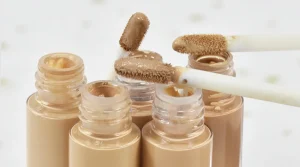
Clear technical targets help scientists evaluate whether a prototype is successful. Typical goals include coverage level, finish, wear time, viscosity, and stability.
These targets should be measurable whenever possible. Instrumental testing and trained sensory panels are commonly used to compare prototype performance.
Step 2: Selecting Appropriate Raw Materials
Once the design brief is complete, formulators choose raw materials that match the desired properties. Every ingredient is selected for a specific technical purpose rather than added at random.
Raw materials are also reviewed for quality, purity, regulatory status, and compatibility with other ingredients. Some combinations work well together, while others may reduce stability or change texture.
Step 3: Designing the Formula Structure
At this stage, scientists determine how all ingredients will fit together. They decide whether the product will be a water-in-oil emulsion, an oil-in-water emulsion, an anhydrous system, or another formulation type.
The internal structure affects pigment suspension, viscosity, product stability, and application behavior. Even small adjustments to the phase ratio can change the finished formula.
Step 4: Pigment Dispersion and Color Development
Pigment dispersion is one of the most important parts of foundation development. Dry pigments naturally form small clumps, so they must be broken apart and evenly distributed throughout the base.
Special mixing equipment and dispersing agents help create uniform color. Poor dispersion may lead to streaking, inconsistent coverage, or visible color variation between batches.
Step 5: Laboratory Prototype Preparation
The first laboratory samples are called prototypes. Scientists prepare these in small batches using carefully measured ingredient amounts and controlled processing conditions.
Each prototype is recorded in detail, including mixing speed, temperature, and processing time. These records make it easier to identify which changes improve or reduce product performance.

Step 6: Texture and Sensory Optimization
After the prototype is prepared, scientists evaluate its physical properties. They examine viscosity, spreadability, drying time, and overall consistency using both laboratory instruments and trained sensory assessors.
Several rounds of refinement are common. A slight adjustment in silicone level, thickener concentration, or powder content can noticeably change how the product feels during application.
Step 7: Shade Development and Shade Matching
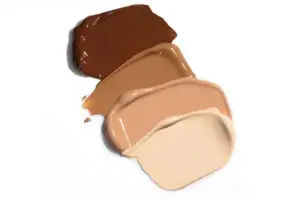
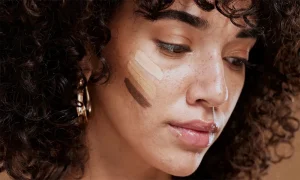
Creating accurate shades is a separate stage of formulation. Scientists adjust pigment combinations to produce different skin tones while maintaining the same texture and performance across the shade range.
Modern laboratories often combine instrumental color measurement with visual evaluation under standardized lighting. This helps reduce differences caused by lighting conditions or human perception.
Undertones
Undertones describe the subtle color beneath the visible skin tone. They are commonly grouped as warm, cool, neutral, or olive, although natural skin exists on a broad spectrum.
To create these undertones, formulators carefully adjust the balance of yellow, red, black, and sometimes blue pigments. Very small changes can noticeably affect the final appearance.
Shade Depth
Shade depth refers to how light or dark a foundation appears. Increasing depth is not as simple as adding more black pigment because this can make the color appear dull or unnatural.
Instead, scientists balance several pigments together to maintain realistic skin color while gradually changing the overall depth.
Color Consistency Across Batches
A foundation shade should remain consistent from one production batch to the next. Even slight color differences can be noticeable when products are compared side by side.
Manufacturers use standardized raw materials, controlled weighing systems, and instrumental color measurements to monitor batch-to-batch consistency before products are released.
The Science of Shade Development
Developing foundation shades is one of the most challenging parts of formulation. Human skin shows a wide range of tones, undertones, and natural variation. A successful shade system requires both accurate color science and careful laboratory testing to achieve reliable, repeatable results.
Understanding Skin Undertones
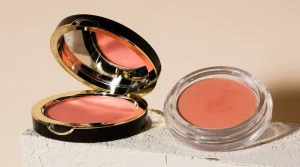
Skin tone and skin undertone are not the same. Skin tone describes how light or dark the skin appears, while undertone refers to the subtle color beneath the surface that remains relatively stable over time.
In foundation development, undertones are commonly grouped as warm, cool, neutral, and olive. These categories are useful for formulation, although many people have undertones that fall between them rather than fitting into a single group.
Scientists adjust undertones by changing the balance of yellow, red, black, and sometimes blue pigments. Small changes can noticeably affect how natural a shade looks after application.
Measuring Skin Color Objectively
Visual assessment alone is not enough for accurate shade development. Lighting conditions, surrounding colors, and individual perception can all influence how a color appears.
For this reason, cosmetic laboratories often use color-measuring instruments such as spectrophotometers or colorimeters. These tools record skin color using standardized color spaces, including the CIE Lab* system developed by the International Commission on Illumination (CIE).
Instrumental measurements are usually combined with expert visual evaluation. Testing under standardized daylight conditions helps improve consistency during shade development.
Balancing Pigment Ratios
Foundation shades are created by blending several pigments rather than relying on one color. Iron oxides provide most of the skin-tone colors, while titanium dioxide and other approved pigments help adjust brightness and undertones.
Finding the correct balance requires repeated laboratory testing. If one pigment level is slightly too high, the finished shade may appear too yellow, too pink, too gray, or too warm.
To improve consistency, formulators prepare multiple trial batches and compare them using both instrumental measurements and visual assessments before selecting the final pigment ratios.
Preventing Oxidation and Color Shift
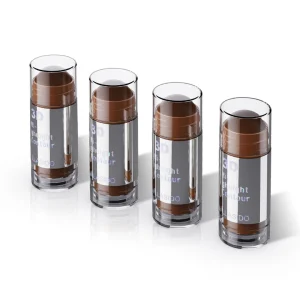
Some users notice that foundation appears darker or slightly different after application. This effect, often called color shift, can result from several factors rather than a single ingredient.
Skin oil, moisture, evaporation of volatile ingredients, pigment dispersion, and changes in the dried film can all influence the final appearance. The exact cause varies from one formula to another.
During development, scientists evaluate color stability by testing products under different temperatures, humidity levels, lighting conditions, and wear periods. These studies help identify formulas that maintain more consistent color over time.
Building Inclusive Shade Ranges
Modern foundation development aims to represent the natural diversity of human skin. This means expanding both shade depth and undertone options instead of increasing only the number of colors.
Many laboratories begin by collecting skin color data from diverse populations. Instrumental measurements help identify common color ranges and guide the design of a balanced shade system.
An inclusive shade range should also maintain consistent formula performance across every shade. As pigment levels change, scientists adjust the formula to keep texture, stability, coverage, and wear as similar as possible throughout the collection.
How Texture and Finish Are Engineered
Texture and finish are designed through careful ingredient selection and formula structure. They are not controlled by a single ingredient. Instead, scientists adjust the balance of oils, powders, polymers, and volatile liquids to achieve the desired appearance and application behavior.
Creating Lightweight Formulas
A lightweight foundation is not simply a thinner product. Its texture depends on the balance between the liquid phase, powders, and film-forming ingredients. The goal is to reduce heaviness while maintaining an even pigment film.
Formulators often use low-viscosity emollients or volatile silicones to improve spreadability. At the same time, they carefully control powder levels so the product remains stable without feeling thick during wear.
Achieving Buildable Coverage
Buildable coverage allows users to apply multiple thin layers without creating an uneven surface. This depends on both pigment concentration and the way pigments are dispersed throughout the formula.
Film-forming polymers also play a role. A flexible film allows each new layer to blend with the previous one instead of forming visible lines or patches. Laboratory testing helps determine how many layers can be applied while maintaining a smooth finish.
Developing Matte Finishes
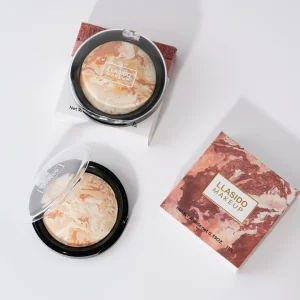
Matte foundations are designed to reduce visible surface shine. This is commonly achieved by combining absorbent powders with carefully selected oils and film-forming systems.
Ingredients such as silica or treated mineral powders help manage surface oil and scatter light. However, excessive powder can make the formula appear dry, so scientists adjust the balance through repeated prototype testing.
Creating Natural and Skin-Like Finishes
A natural finish aims to resemble the appearance of healthy skin rather than completely masking its texture. The formula should create an even color while allowing some natural skin features to remain visible.
To achieve this effect, formulators balance pigment level, particle size, and light-scattering materials. The dried film should also remain flexible so it moves naturally with facial expressions.
Producing Radiant and Dewy Effects
Radiant finishes are created by increasing controlled light reflection instead of simply adding shine. This requires careful selection of emollients, reflective powders, and optical effect ingredients.
Some formulas include mica or specially treated mineral particles that reflect light evenly. The amount is carefully controlled because too much reflection can make the finish appear oily rather than naturally luminous.
Balancing Spreadability and Adhesion
A foundation should spread easily during application but remain in place after it sets. These two properties often compete with each other, making them one of the most difficult parts of formulation.
Scientists adjust this balance by changing the ratio of emollients, volatile ingredients, and film-forming polymers. Too much slip may reduce wear time, while excessive adhesion can make the product harder to blend.
To evaluate performance, laboratories measure viscosity, friction, drying time, and film strength. Sensory testing is also used to compare how different prototypes feel during application and after several hours of wear.
Stability Testing During Foundation Formula Development
A foundation formula must remain stable from production until the end of its shelf life. Stability testing helps scientists predict how a product will perform during storage, shipping, and normal use. These studies evaluate changes in appearance, texture, color, odor, and overall performance under controlled conditions.
Physical Stability Testing
Physical stability focuses on whether the formula keeps its original structure over time. Scientists monitor changes that may affect product quality or consumer use. These tests are carried out at different temperatures and humidity levels to identify possible weaknesses.
Several physical properties are evaluated together because one change can influence another. For example, a change in viscosity may increase the risk of pigment settling or phase separation.
Phase Separation
Many liquid foundations are emulsions that contain both water and oil phases. If the emulsion becomes unstable, these phases may separate during storage.
Scientists monitor samples under different storage conditions to detect early signs of instability. Adjustments to emulsifiers or processing methods may be needed if separation occurs.
Viscosity Changes
Viscosity describes how easily a foundation flows. A stable product should maintain a similar viscosity throughout its expected shelf life.
Laboratories use viscometers or rheometers to measure viscosity at regular intervals. Significant thickening or thinning may indicate problems with the formula structure.
Sedimentation
Pigments and fillers are heavier than the liquid phase, so they naturally tend to settle over time. An effective formulation keeps these particles evenly suspended.
Scientists examine stored samples for visible settling and evaluate how easily the product can be restored by normal shaking, if applicable. Particle size and rheology modifiers play an important role in reducing sedimentation.
Chemical Stability Testing
Chemical stability testing evaluates whether ingredients remain chemically unchanged during storage. Oxidation, hydrolysis, or other reactions can alter color, odor, or product performance.
Samples are stored under controlled conditions and analyzed over time. Scientists compare properties such as pH, color, and ingredient integrity to detect signs of chemical degradation.
Microbiological Safety Testing
Water-containing foundations require protection against bacteria, yeast, and mold. A preservative system must remain effective throughout the product’s intended shelf life.
One common evaluation is the preservative efficacy test, also called a challenge test. In this procedure, selected microorganisms are introduced into the product under controlled laboratory conditions to confirm that the preservative system can effectively reduce microbial growth.
Packaging Compatibility Testing
The container is considered part of the complete product system. Some ingredients may interact with packaging materials during long-term storage.
Scientists evaluate whether the package protects the formula from light, air, and moisture. They also check for leakage, discoloration, material changes, or unwanted interactions between the product and the container.
Accelerated Aging Studies
Waiting several years to evaluate shelf life is not practical. Instead, laboratories use accelerated aging studies to estimate long-term stability within a shorter period.
Products are stored at elevated temperatures and sometimes under increased humidity. These conditions speed up many aging processes and help identify potential stability issues before commercial production.
Accelerated testing provides valuable information, but it does not replace real-time stability studies. Both approaches are commonly used together during product development.
Freeze-Thaw Stability Testing
Foundation products may experience large temperature changes during transportation or storage. Freeze-thaw testing evaluates whether repeated exposure to low and high temperatures affects formula stability.
Samples are cycled between freezing and warm conditions for several rounds. After each cycle, scientists inspect the product for phase separation, viscosity changes, pigment settling, and changes in appearance or texture. Passing this test increases confidence that the formula can tolerate normal distribution conditions.
Performance Evaluation of Foundation Formulas
After a foundation formula passes basic stability testing, its performance must be evaluated. Scientists combine laboratory measurements with controlled user testing to understand how the product behaves during application and wear. No single test can measure every property, so several methods are used together.
Coverage Assessment
Coverage is evaluated by measuring how well a foundation reduces the visibility of the skin beneath it. Scientists assess both the uniformity of the applied film and the degree of color correction.
Testing may include standardized application on artificial skin, skin models, or human volunteers. Instrumental image analysis is often combined with expert visual grading to improve accuracy and repeatability.
Wear-Time Evaluation
Wear-time testing measures how well a foundation maintains its appearance after several hours of normal use. The product is observed for changes such as fading, patchiness, cracking, or uneven color.
These studies are usually performed under controlled conditions. Participants may be evaluated at several time points to compare changes throughout the day using standardized lighting and photography.
Transfer Resistance Testing
Transfer resistance refers to how easily foundation moves from the skin to another surface after application. This property is important because daily contact with clothing, tissues, or masks may disturb the makeup film.
In laboratory testing, a standardized material is pressed against the applied foundation under controlled pressure. Scientists then measure the amount of product transferred and compare the results between different formulations.
Water and Sweat Resistance Testing
Water and sweat resistance evaluate how well a foundation maintains its appearance after exposure to moisture. These tests are especially important for products designed for long wear.
Testing methods may involve controlled exposure to water, artificial sweat, or humid environments. Scientists then examine changes in coverage, color, and film integrity after drying.
Oxidation Evaluation
Oxidation evaluation focuses on whether the visible shade changes during wear or storage. A darker or warmer appearance may result from several physical and chemical processes rather than oxidation alone.
Laboratories monitor color changes over time using both instrumental measurements and visual assessment. Comparing the initial shade with later measurements helps determine the formula’s color stability.
Sensory Panel Testing
Instrumental data cannot fully describe how a product feels during use. For this reason, many cosmetic laboratories include trained sensory panels as part of product evaluation.
Panel members assess properties such as spreadability, smoothness, drying speed, tackiness, and overall skin feel using standardized scoring systems. Their observations help scientists refine the formula before final testing.
Instrumental Performance Measurements
Modern cosmetic laboratories use specialized instruments to measure many physical properties objectively. These methods reduce the influence of individual opinion and improve consistency between studies.
Common measurements include viscosity, gloss, color, friction, drying time, and film strength. Instrumental data are usually interpreted together with sensory evaluations because laboratory values alone cannot fully predict the user experience.
Safety Assessment Before a Foundation Formula Reaches Consumers
Safety assessment is an essential part of foundation development. Before a product reaches consumers, scientists review its ingredients, test its compatibility with the skin, and confirm that it meets applicable cosmetic regulations. These evaluations work together to reduce potential risks during normal use.
Ingredient Safety Evaluation
Safety assessment begins with each individual ingredient. Formulators review toxicological data, recommended use levels, and regulatory restrictions before including a material in the formula.
Scientists also study how ingredients interact with one another. Even when individual materials are considered safe, the complete formulation must be evaluated to ensure that the combination remains stable and suitable for its intended use.
Skin Compatibility Testing
Foundation is designed for frequent contact with facial skin, so compatibility testing is an important step. The goal is to determine whether the finished product is well tolerated under normal conditions of use.
Testing is commonly performed on human volunteers under controlled protocols. Researchers observe the skin for visible changes such as redness or dryness after repeated application, while following ethical and regulatory requirements.
Irritation and Sensitization Assessment
Skin irritation and skin sensitization are different types of reactions. Irritation usually develops soon after exposure, while sensitization involves an immune response that may occur after repeated contact.
Safety evaluations consider both possibilities. Depending on local regulations and product type, assessments may include a review of ingredient data together with appropriate laboratory or human compatibility studies.
Ophthalmological Considerations for Facial Products
Although foundation is mainly applied to the face, it may come close to the eye area during normal use. Therefore, formulators consider the possibility of accidental contact with the eyes.
Products intended for use around the eyes may undergo additional ophthalmological evaluation when appropriate. Scientists also select ingredients carefully to reduce the chance of unnecessary eye discomfort during normal application.
Regulatory Compliance and Cosmetic Standards
Every foundation formula must comply with the cosmetic regulations of the markets where it will be sold. These regulations define requirements for ingredient use, labeling, product safety, and manufacturing practices.
Manufacturers also prepare technical documentation to support product safety and quality. This may include ingredient records, stability data, microbiological results, and safety assessments completed before the product is placed on the market.
Common Misconceptions About Foundation Formula Development
Many ideas about foundation formulas are based on marketing claims or personal experience rather than cosmetic science. In reality, foundation performance depends on the interaction of many ingredients and formulation choices.
“Higher Coverage Always Means Better Performance”
Coverage is only one part of foundation performance. A formula with very high pigment levels may not spread evenly or may feel less comfortable if the overall formulation is not well balanced.
Scientists evaluate coverage together with wear time, texture, stability, and appearance. In many cases, moderate coverage with good pigment dispersion produces a more even and consistent result than simply increasing pigment concentration.
“All Silicone-Based Foundations Are Harmful”
Silicones are widely used cosmetic ingredients because they provide specific physical properties such as smooth spreading and film formation. They represent a large group of materials with different chemical structures and functions.
The safety of a foundation depends on the complete formula rather than on the presence of one ingredient group. Cosmetic silicones approved for use are evaluated by regulatory authorities before they can be included in cosmetic products.
“Long-Wear Foundations Must Feel Heavy”
Long wear does not automatically require a thick or heavy formula. Modern formulations often use flexible film-forming polymers that create a thin, durable layer after application.
Texture depends on many factors, including volatile ingredients, emollients, powders, and polymer balance. As formulation technology has improved, many long-wear products have become lighter while maintaining durability.
“Natural Ingredients Are Always Safer”
The source of an ingredient does not determine its safety. Natural and synthetic cosmetic ingredients are both evaluated according to scientific safety principles and regulatory requirements.
Some natural substances may cause irritation or allergic reactions in certain individuals, while many synthetic ingredients have well-established safety data. Risk depends on the ingredient itself, its concentration, and how it is used in the final formula.
“Foundation Oxidation Is Caused by Only One Ingredient”
When foundation appears darker after application, people often describe the change as oxidation. However, this effect usually results from several factors rather than one specific ingredient.
Pigment interactions, evaporation of volatile ingredients, skin oil, moisture, and changes in the dried film can all influence the final color. Because multiple mechanisms may be involved, formulators evaluate overall color stability instead of focusing on a single ingredient alone.
Conclusion
Developing a foundation formula is a detailed process that combines cosmetic chemistry, skin science, and careful testing. From selecting pigments and base systems to evaluating safety, texture, and wear performance, every step affects the final product. Understanding this process helps consumers view foundation beyond appearance and recognize the science behind its design.