
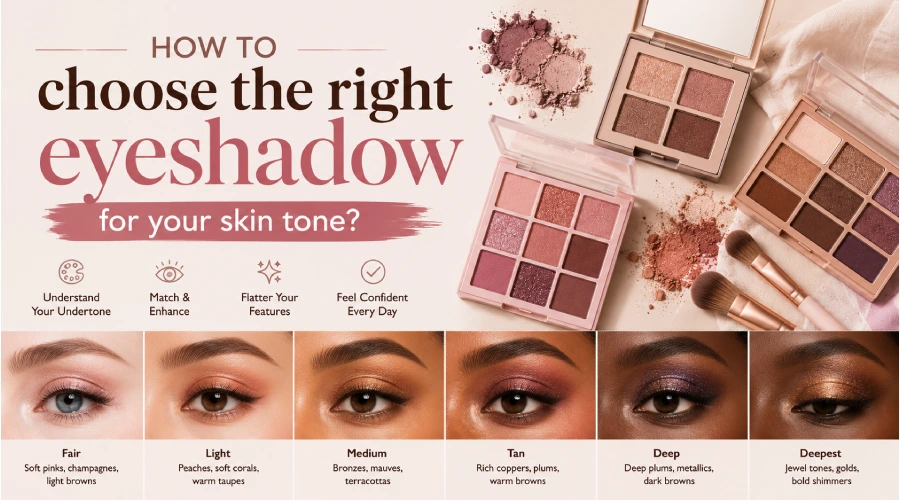
Choosing the right eyeshadow is not only about following color trends. Skin tone, undertone, lighting, and personal makeup style all affect how an eyeshadow shade appears. Understanding these factors helps create a more balanced and natural eye makeup look.
Skin Tone vs. Skin Undertone: What Is the Difference?
Skin tone refers to the surface color of the skin, which is usually described as fair, light, medium, tan, or deep. It can change due to sun exposure or seasonal changes. Skin undertone is the subtle color beneath the skin surface, and it usually stays consistent over time.
When selecting eyeshadow, undertone often plays a key role because it affects how colors blend with the skin. Two people may have the same skin tone but different undertones, which can make the same eyeshadow shade look different.
Identifying Warm, Cool, and Neutral Undertones
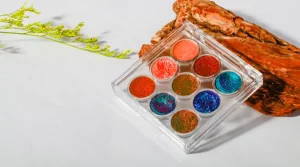
Skin undertones are commonly divided into three groups: warm, cool, and neutral. Warm undertones usually have golden, peach, or yellow hints. Cool undertones often show pink, red, or bluish hints. Neutral undertones contain a mix of warm and cool features.
There are several simple ways to check your undertone. For example, look at the veins on your wrist under natural light. Green-looking veins may suggest warm undertones, while blue or purple veins may suggest cool undertones. If it is difficult to identify, you may have a neutral undertone.
Another method is to compare how different metals look on your skin. Gold jewelry often looks more natural on warm undertones, while silver jewelry may suit cool undertones. However, these tests are only general guides, because skin color and lighting can affect the result.
Why Undertone Matters More Than Skin Depth When Choosing Eyeshadow
Skin depth helps determine how visible an eyeshadow color will be, but undertone affects color harmony. For example, a warm brown eyeshadow may blend smoothly with warm undertones, while a cool gray-brown may create a stronger contrast.
This does not mean certain shades are limited to specific skin tones. Makeup is flexible, and personal preference is important. However, understanding undertones can help predict whether a color will look balanced or may need adjustment with other shades.
For professional makeup selection, color theory is often used to study how different colors interact. Complementary and similar color groups can create different visual effects depending on the skin’s natural undertone.
How Lighting and Personal Style Influence Eyeshadow Appearance
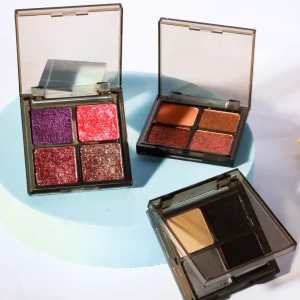
Eyeshadow color is affected by more than skin tone. Lighting conditions, makeup application, and personal style can change how a shade looks. A color that appears soft under indoor lighting may look brighter or deeper in natural sunlight.
Natural daylight is usually the best condition for checking eyeshadow color because it shows the most accurate tone. Artificial lights, such as warm yellow bulbs or cool white LEDs, can change the way colors appear. Therefore, testing eyeshadow in different lighting can help avoid choosing a shade that looks different after application.
Personal style is also an important factor. Someone who prefers natural makeup may choose neutral shades, while someone who enjoys creative looks may use stronger colors. The best eyeshadow choice should match both the skin characteristics and the desired makeup effect.
How to Determine Your Skin Tone and Undertone Before Choosing Eyeshadow
Before selecting an eyeshadow shade, it is important to understand your skin tone and undertone. These two factors provide a basic guide for color matching. By identifying them correctly, you can make better choices and understand why some shades look more natural on your skin than others.
Simple Methods to Identify Your Undertone
Identifying your undertone does not require professional tools. Several simple observation methods can help you understand whether your skin has warm, cool, or neutral characteristics. For more accurate results, always check your skin under natural daylight.
Keep in mind that these methods are only general references. Skin color is complex, and factors such as lighting, skincare products, and natural pigmentation can influence how your skin appears.
The Vein Test
The vein test is one of the most common ways to estimate skin undertone. Look at the veins on the inside of your wrist in natural light. If they appear green, your undertone may be warm. If they look blue or purple, your undertone may be cool.
If your veins seem to have both green and blue tones, you may have a neutral undertone. However, this test is not perfect because skin thickness and lighting conditions can affect how veins appear.

The Jewelry Test
The jewelry test compares how different metal colors look against your skin. People with warm undertones often find that gold tones blend well with their skin, while people with cool undertones may find silver tones more suitable.
For neutral undertones, both gold and silver jewelry may look balanced. This method can be useful, but personal taste should also be considered because style preference can influence the result.
The Sun Exposure Test
How your skin reacts to sunlight can provide another clue about your undertone. People with warm undertones often tan more easily, while people with cool undertones may burn more quickly. However, this is not always the case because sun response is also affected by genetics and skin type.
It is important not to use sun exposure as a way to test your skin. Instead, think about your usual reaction to sunlight based on past experience. This method should be combined with other tests for a clearer understanding.
Common Skin Tone Categories and Their Characteristics
Skin tone is usually classified by the amount of melanin in the skin and is often grouped into fair, light, medium, tan, and deep categories. These categories describe the surface color of the skin, not the undertone beneath it.
Fair and light skin tones usually have lower melanin levels and may show colors more clearly. Medium and tan skin tones often provide a balanced base for a wide range of eyeshadow shades. Deep skin tones usually need shades with stronger color intensity to create visible contrast.
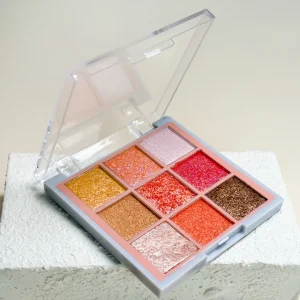
Understanding your skin tone category helps you consider factors such as eyeshadow brightness and pigmentation. However, skin tone alone does not decide which colors you can wear. Undertone, makeup style, and personal preference are also important parts of the selection process.
Best Eyeshadow Colors for Different Skin Tones
Different skin tones interact with eyeshadow colors in different ways. The right shade should create balance between the eye area and the natural skin color. While there are no strict rules in makeup, understanding color contrast and pigmentation can help you select shades that appear more even and natural.
Eyeshadow Choices for Fair Skin Tones
Fair skin tones usually have a lighter surface color, so eyeshadow shades with soft intensity often blend well. Light and medium-depth colors can add definition without creating a heavy appearance.
When choosing eyeshadow for fair skin, consider both the undertone and the desired makeup style. A cool or warm shade can work well when it matches the skin’s natural undertone and is applied with proper blending.
Recommended Shades: Soft Pinks, Taupes, Light Browns, and Pastels
Soft pinks, taupes, light browns, and pastel shades are common choices for fair skin tones. These colors provide gentle contrast and can create a clean, natural eye look.
Taupe is especially useful because it combines gray and brown tones, making it suitable for many undertones. Light browns can also work as transition shades because they help blend deeper colors smoothly.

Colors to Use Carefully for Avoiding Overpowering Looks
Very dark or highly saturated colors may create strong contrast on fair skin. Shades such as deep black, intense purple, or very bright colors can appear heavier if they are not blended properly.
This does not mean these colors should be avoided completely. Instead, they can be used as accent shades, eyeliner colors, or combined with lighter tones to create better balance.
Eyeshadow Choices for Medium Skin Tones
Medium skin tones usually provide a flexible base for many eyeshadow colors. Both soft neutral shades and richer colors can work well because the skin has enough depth to support different levels of contrast.
The final result depends on undertone and application technique. Warm, cool, and neutral medium skin tones may need slightly different color choices to create harmony.
Recommended Shades: Warm Browns, Bronze, Copper, and Rose Tones
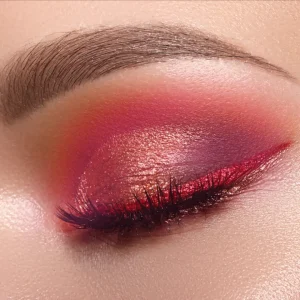
Warm browns, bronze, copper, and rose tones are often suitable for medium skin tones. These shades can enhance natural warmth and create depth around the eyes.
Bronze and copper shades contain warm metallic elements that can add dimension, while rose tones provide a softer color effect. These shades can be adjusted for both daily makeup and more defined looks.
Balancing Pigmentation and Blending for Natural Results
For medium skin tones, choosing the right level of pigmentation is important. A shade that is too light may not show clearly, while a very strong shade may require more blending.
Using transition shades between light and dark colors helps create a smoother effect. Gradual layering is usually more effective than applying a large amount of product at once.
Eyeshadow Choices for Deep Skin Tones
Deep skin tones often create a strong base for rich and bold eyeshadow colors. Shades with enough depth and pigment usually show more clearly and maintain their true color after application.
However, undertone still plays an important role. A deep skin tone can have warm, cool, or neutral undertones, which may affect how certain eyeshadow colors appear.
Recommended Shades: Rich Browns, Golds, Plums, and Jewel Tones
Rich browns, golds, plums, and jewel tones are commonly used for deep skin tones. These shades provide visible contrast while maintaining color balance with the skin.
Gold and bronze tones can add warmth, while plum and jewel shades such as emerald or sapphire can create stronger color effects. The choice depends on personal style and the overall makeup goal.
Choosing Highly Pigmented Shades for Better Color Visibility
Eyeshadow pigmentation is an important factor for deep skin tones. Low-pigment shades may appear less visible or change color when applied over darker skin.
Highly pigmented formulas allow the original shade to appear more accurately. However, good blending is still necessary because strong colors can become uneven if they are applied too heavily. Building color gradually usually creates a cleaner result.

Choosing Eyeshadow Finishes Based on Skin Tone and Makeup Goals
Eyeshadow finish refers to the surface effect of a formula after application, such as matte, shimmer, metallic, satin, or duochrome. Different finishes reflect light in different ways, which can change how the eye makeup appears. Choosing the right finish depends on skin tone, eye shape, makeup style, and the level of definition you want to create.
Matte Eyeshadow: Creating Definition and Depth
Matte eyeshadows have a flat finish without visible shine or reflective particles. They absorb light rather than reflecting it, which makes them useful for creating shadows, adding structure, and defining the eye area.
Matte shades are often used as transition colors in eye makeup because they blend easily with other shades. Neutral matte colors, such as brown, beige, and gray, can help create natural depth for different skin tones.
For fair skin tones, softer matte shades usually create a balanced effect. For medium and deep skin tones, deeper matte colors can provide more contrast and help shape the eyes. However, very dark matte shades may require careful blending to avoid a harsh appearance.
Shimmer and Metallic Eyeshadow: Adding Dimension and Brightness
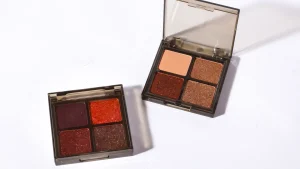
Shimmer and metallic eyeshadows contain reflective particles that catch light and create a brighter effect. They can make certain areas of the eyes appear more noticeable and add visual dimension to a makeup look.
Shimmer shades are usually softer, while metallic shades often have a stronger reflective effect. Gold, bronze, and copper metallic tones may complement warm undertones, while silver and cooler shades may work well with cool undertones.
When using shimmer or metallic eyeshadow, placement is important. Applying these finishes to the center of the eyelid or inner corner can create a highlighting effect, while using too much shimmer across the entire eye area may reduce definition.
Satin and Duochrome Finishes: Creating Versatile Makeup Effects
Satin eyeshadows are between matte and shimmer finishes. They provide a soft glow without strong reflection, making them suitable for both daily and more polished makeup looks.
Because satin finishes are less intense than metallic shades, they can work well for people who want a natural look with a small amount of brightness. They are also useful for blending different finishes together.
Duochrome eyeshadows contain pigments that show two different color effects depending on the angle of light. These shades can create a unique appearance, but they may look different under various lighting conditions. When choosing duochrome colors, testing them in natural light can help you understand the final effect.
How Different Undertones Affect Eyeshadow Color Matching
Skin undertone influences how eyeshadow colors interact with the natural color of the skin. While skin tone describes the surface color, undertone affects the overall color balance. Understanding undertones can help you choose eyeshadow shades that look more harmonious and predictable.
However, undertone is not a strict rule that limits color choices. Makeup is also a form of personal expression. The goal is to understand color relationships and use them to create the effect you want.
Eyeshadow Recommendations for Warm Undertones
Warm undertones usually contain golden, peach, or yellow hues. Eyeshadows with warm color characteristics often blend naturally with this type of skin undertone because they share similar color qualities.
When selecting shades, consider colors that enhance the natural warmth of the skin. Warm eyeshadow colors can create a soft and balanced appearance, especially when combined with suitable transition shades.

Best Color Families: Gold, Peach, Bronze, and Warm Brown
Gold, peach, bronze, and warm brown are common choices for warm undertones. These shades contain yellow, orange, or red elements that can complement the skin’s natural warmth.
Bronze and gold shades are often used to add dimension, while warm brown shades work well for creating depth. Peach tones can provide a softer effect and are suitable for everyday makeup styles.
Eyeshadow Recommendations for Cool Undertones
Cool undertones usually show pink, red, or blue hints beneath the skin. Cool-toned eyeshadows often contain blue, purple, or gray elements, which can create a balanced color relationship with cool skin undertones.
Choosing cool shades does not mean warm colors cannot be used. Instead, understanding the difference between warm and cool colors helps you control the overall makeup effect.
Best Color Families: Silver, Mauve, Lavender, and Cool Gray
Silver, mauve, lavender, and cool gray are often suitable for cool undertones. These shades can create a clean and refined appearance because their color base matches the cooler qualities of the skin.
Mauve and lavender provide soft color changes without appearing too strong, while cool gray can be used for definition. Silver shades can add brightness, especially when applied to areas where you want more light reflection.
Eyeshadow Recommendations for Neutral Undertones
Neutral undertones contain a balance of warm and cool characteristics. Because of this balance, people with neutral undertones often have more flexibility when selecting eyeshadow colors.
Both warm and cool shades can work well, but the final effect depends on the color combination, intensity, and application method. Using different finishes and blending techniques can also change the result.
How to Combine Warm and Cool Shades Effectively
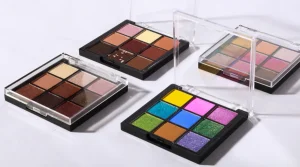
Combining warm and cool eyeshadow shades can create a more balanced makeup look. For example, a warm brown transition shade can be paired with a cool gray or mauve shade to add contrast and depth.
A simple way to combine colors is to use one group as the base and another as an accent. For example, neutral brown shades can support brighter warm or cool colors without making the overall look appear uneven.
When mixing different undertones, blending is especially important. Smooth transitions between colors help create a natural appearance and prevent individual shades from looking disconnected.
Practical Tips for Testing and Applying Eyeshadow
Choosing an eyeshadow shade is only the first step. Testing and application methods also affect the final result. A color may look different in a palette, on the skin, and under different lighting conditions. Learning how to test and apply eyeshadow properly can help you make more informed choices.
How to Test Eyeshadow Before Applying a Full Look
Before creating a complete eye makeup look, it is useful to test an eyeshadow shade on a small area. This allows you to check the color, texture, and overall effect before applying it across the eyelid.
A good testing process includes checking the shade in different lighting conditions and observing how it works with your natural skin color. This can help you understand whether the eyeshadow matches your desired makeup style.
Testing Color Payoff and Blending Ability
Color payoff refers to how much visible color appears when the eyeshadow is applied. A highly pigmented shade usually shows its color more clearly, while a lighter pigment may require multiple layers.
Blending ability is also important because eyeshadow is rarely used as a single block of color. A good eyeshadow should spread evenly and allow smooth transitions between different shades.
To test blending, apply a small amount of product and gradually blend the edges. If the color becomes patchy or difficult to control, it may require different application techniques or additional blending.
Checking How the Shade Changes on Your Skin
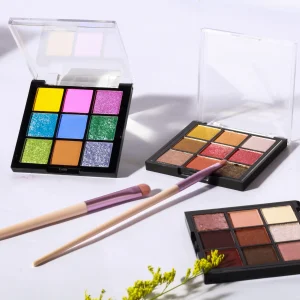
Eyeshadow can look different from its appearance in the palette. Skin color, undertone, natural oils, and lighting conditions can all influence the final result.
For a more accurate check, apply the shade directly to your eyelid or wrist and observe it under natural daylight. This helps you see the true color and whether it creates the contrast or softness you want.
Building an Eyeshadow Palette Based on Your Daily Makeup Needs
A practical eyeshadow palette should match your lifestyle and makeup habits. Instead of choosing colors only based on trends, consider the looks you create most often and select shades that can work together.
A basic palette usually includes transition shades, depth shades, and highlight shades. Neutral colors such as beige, brown, or soft gray are often useful because they can support many different makeup styles.
You can also consider the occasions where you usually wear makeup. For daily use, versatile shades with easy blending properties may be more practical. For special events, adding a few stronger colors or different finishes can provide more variety without making the palette difficult to use.
Common Mistakes When Choosing Eyeshadow for Your Skin Tone
Choosing eyeshadow based only on appearance or trends can lead to colors that do not create the expected effect. Understanding your skin tone, undertone, and makeup habits can help you make better choices. Many common mistakes happen because people focus on the color itself but ignore how it interacts with their skin and application method.
Choosing Colors Only Based on Trends
Makeup trends often introduce new colors and styles, but a popular shade may not look the same on everyone. The appearance of an eyeshadow depends on factors such as skin tone, undertone, lighting, and personal makeup technique.
A trending color can still be used if it does not naturally match your skin characteristics. However, it may need to be adjusted with other shades, such as using a neutral transition color or applying it as a small accent.
Instead of choosing a shade only because it is popular, consider whether it fits your daily style and whether you feel comfortable wearing it. A suitable eyeshadow color should work with your overall makeup approach.
Ignoring Undertone Compatibility
One common mistake is selecting eyeshadow based only on skin depth while ignoring undertone. Two people with similar skin tones may have different undertones, which can change how the same eyeshadow shade appears.
For example, a warm brown may look different on warm and cool undertones because the color interaction with the skin changes. Understanding undertone helps create better balance between the eyeshadow and the natural skin color.
This does not mean you must only use matching undertone colors. Makeup allows creativity, and contrast can also create interesting effects. The key is knowing how different colors work together.

Selecting Shades Without Considering Pigmentation and Application Style
The color in an eyeshadow palette does not always represent the final result on the skin. Pigmentation, texture, and layering can affect how visible and smooth the shade appears.
A highly pigmented eyeshadow may create a strong effect with a small amount of product, while a lighter pigment may need several layers. Choosing the right pigmentation level depends on your makeup experience and the type of look you want to create.
Application style is also important. Some shades require more blending, while others are easier for quick everyday makeup. Considering both the formula and your application habits can help you select eyeshadows that are easier to use and more suitable for your needs.
How to Create a Balanced Eyeshadow Look for Any Skin Tone
A balanced eyeshadow look depends on more than choosing the right colors. The combination of shades, blending technique, and makeup purpose all influence the final result. By understanding how to layer different tones and adjust intensity, you can create eye makeup that works well with different skin tones.
Using Transition Shades for Seamless Blending
Transition shades are medium-depth colors used between lighter and darker eyeshadow shades. Their main purpose is to create a smooth connection between different colors and reduce harsh lines.
Neutral shades such as soft brown, beige, or muted taupe are commonly used as transition colors because they can blend with many skin tones. The best transition shade usually has a similar undertone to the other colors in the look.
For a natural effect, apply the transition shade first and blend it across the crease area. Then add deeper or brighter shades gradually. This layering method helps create a more even color change and gives better control over the final intensity.
Combining Light, Medium, and Dark Shades for Eye Definition
A basic eyeshadow structure often includes three levels: light, medium, and dark shades. Each shade has a different role in creating depth and dimension.
Light shades are usually used on areas such as the inner corner or brow bone to reflect light. Medium shades help build the main color and connect different parts of the look. Dark shades are used for adding depth along the crease or lash line.
The balance between these shades depends on skin tone and personal preference. For lighter skin tones, softer contrasts may create a more natural effect. For deeper skin tones, stronger contrast and richer pigments may help the colors remain visible.

Adjusting Eyeshadow Choices for Different Occasions
The best eyeshadow look can change depending on the situation. Daily makeup usually benefits from simple color combinations, soft finishes, and shades that are easy to blend.
For professional settings, neutral tones such as brown, beige, and soft gray are often practical because they create definition without being too strong. For evening events or creative makeup, deeper shades, metallic finishes, or stronger color contrasts can be used to create more impact.
When adjusting eyeshadow for different occasions, consider not only the color but also the finish and intensity. A single eyeshadow shade can create different effects depending on how much product is applied and how it is combined with other colors.

Conclusion
Choosing the right eyeshadow starts with understanding how skin tone, undertone, color theory, and application techniques work together. Instead of relying only on trends, a better approach is to consider how different shades interact with your natural features and makeup goals.
Skin tone awareness does not limit your choices. Instead, it provides a useful foundation for selecting colors, finishes, and combinations that create a balanced and suitable eye makeup look.
Key Factors to Remember When Selecting Eyeshadow Shades
When choosing eyeshadow, consider four main factors: skin tone, undertone, pigmentation, and finish. Skin tone helps determine the level of contrast, while undertone helps guide color harmony.
It is also important to check how a shade appears on your skin instead of relying only on its appearance in a palette. Lighting conditions, blending techniques, and the amount of product used can all change the final result.
Remember that there is no single eyeshadow color that works for everyone. The best choice depends on your individual features, personal style, and the effect you want to create.
Developing a Personalized Eyeshadow Selection Strategy
A personalized eyeshadow strategy begins with understanding the colors and finishes that work well for you. Start with versatile shades that match your daily makeup needs, then gradually explore different colors and textures.
Building your own approach takes time and testing. Try different combinations, observe how shades change under different lighting, and adjust your choices based on experience.
By combining knowledge of skin tone, undertone, and makeup techniques, you can select eyeshadows more confidently and create balanced looks for different occasions.
Read More >> Choosing the Right Texture for Makeup Products