
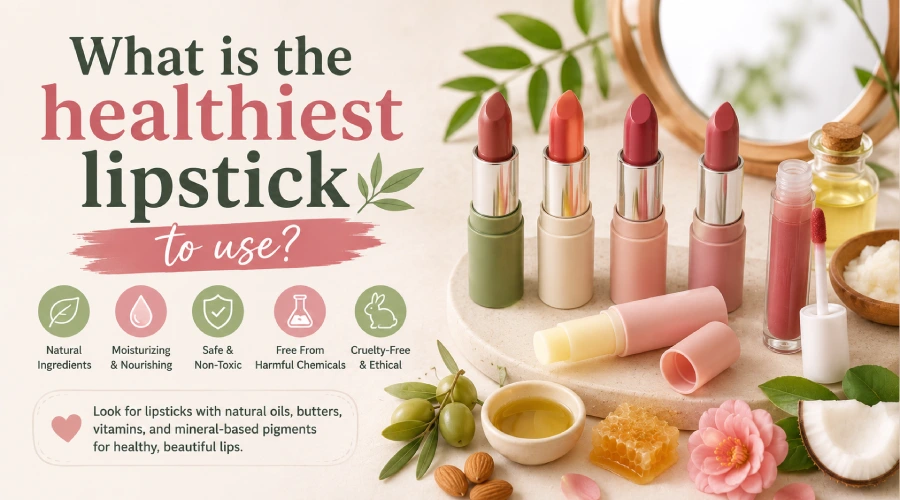
Choosing the healthiest lipstick is not about finding a product with the most marketing claims. It is about choosing a formula that uses safe ingredients, meets cosmetic safety rules, stays stable during use, and matches your skin needs. The best choice depends on both the formula and the quality of manufacturing.
The Short Answer
The healthiest lipstick is one that is made with ingredients that have been evaluated for cosmetic use, is produced under good manufacturing practices (GMP), and complies with cosmetic regulations in the market where it is sold. It should also suit your skin type and be used within its shelf life.
There is no lipstick that is completely “chemical-free.” In fact, everything in a lipstick, including natural oils, waxes, and pigments, is made of chemicals. A healthier choice is based on ingredient safety, product quality, and proper testing, not on marketing terms alone.
A good lipstick should contain stable pigments, suitable waxes and oils, and preservatives when needed to help keep the product safe during normal use. At the same time, it should avoid ingredients that are restricted or exceed legal limits under cosmetic regulations.
People with sensitive lips may also benefit from simple formulas with fewer potential irritants, such as added fragrance or certain colorants. However, the safest option still depends on the individual’s skin condition and possible allergies.
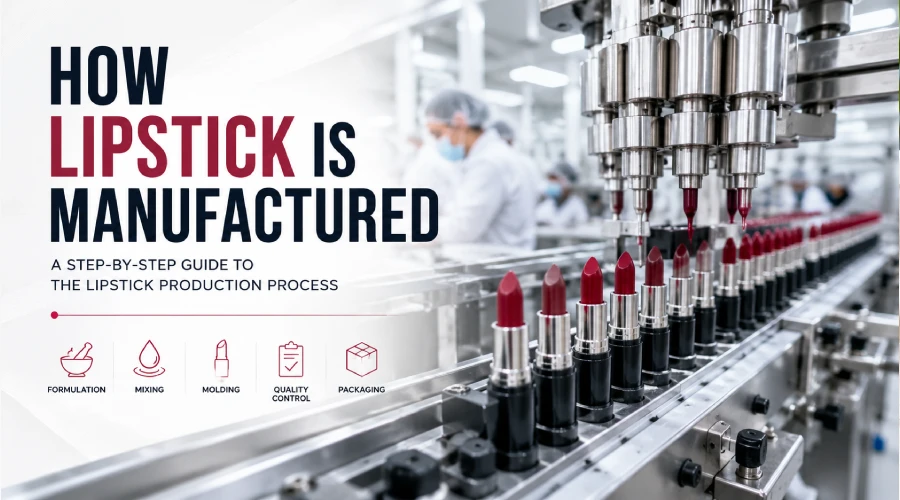
Read More >> How Lipstick Is Manufactured
Key Criteria at a Glance
When judging whether a lipstick is healthy, look beyond words such as “clean,” “natural,” or “organic.” These terms do not have one global definition, and they do not always reflect how safe or suitable a product is.
Instead, use the following checklist to make a practical decision:
- Ingredients are allowed under local cosmetic regulations.
- Pigments and raw materials come from qualified suppliers.
- The product is manufactured under GMP conditions.
- Heavy metal impurities stay within legal safety limits.
- The formula has passed stability, compatibility, and microbiological testing where applicable.
- The ingredient list matches your skin needs and avoids known personal allergens.
- The product is stored and used before its expiration or Period After Opening (PAO).
In short, the healthiest lipstick is not defined by one ingredient or one label. It is the result of a well-designed formula, controlled manufacturing, regulatory compliance, and choosing a product that fits your own skin. This is also the approach supported by cosmetic safety frameworks used by regulators such as the U.S. FDA and the European Commission.
What Makes a Lipstick Healthy?
A healthy lipstick is judged by more than its ingredient list. Safety depends on the whole product, including the formula, raw materials, manufacturing process, and compliance with cosmetic regulations. Looking at all these factors gives a more accurate way to assess product safety.
Safety Comes Before Marketing Claims
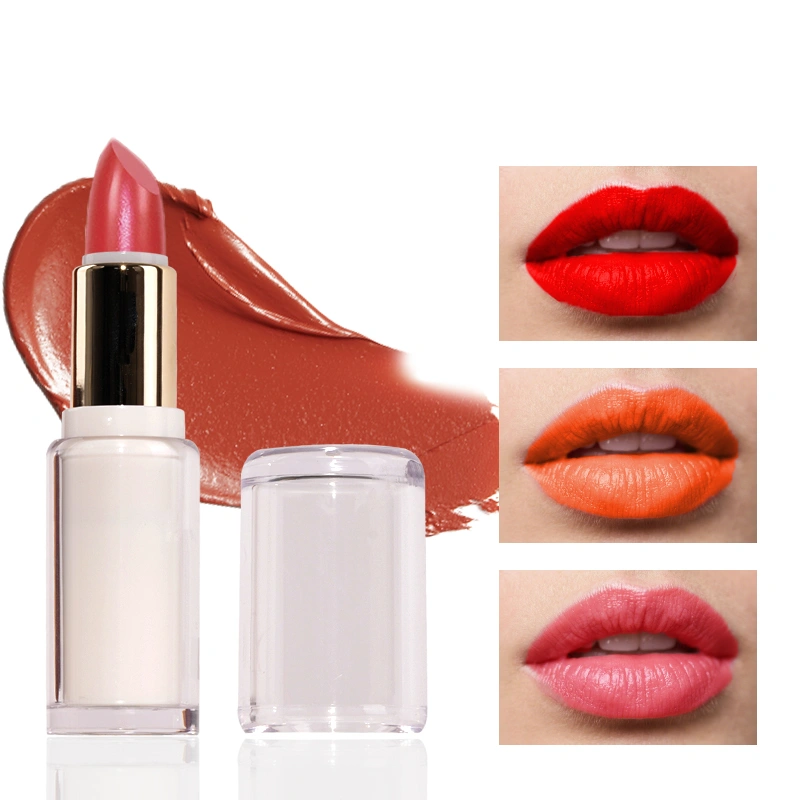
Many lipsticks use words like “clean,” “green,” or “non-toxic” on their packaging. These terms may attract attention, but they often have no single legal definition. They should not be used as the main reason to judge whether a lipstick is safe.
Instead, focus on facts that can be verified. A safer lipstick follows cosmetic regulations, uses approved ingredients, and is made under quality control. These factors carry much more weight than marketing language.
Safety is also based on exposure. Cosmetic scientists evaluate not only what an ingredient is, but also how much is used, how often it is applied, and where it is used on the body. This risk-based approach is widely accepted by cosmetic regulators.
Ingredient Safety vs. Ingredient Naturalness
Many people believe that natural ingredients are always safer than synthetic ones. In reality, this is not always true. Both natural and synthetic ingredients can be safe when used correctly, and both can cause irritation in some people.
For example, plant extracts and essential oils are natural, but they may trigger allergic reactions in sensitive users. At the same time, many synthetic ingredients have been studied for years and have well-established safety profiles.
The better question is not whether an ingredient is natural or synthetic. Instead, ask whether it has been assessed for cosmetic use, whether it is used at a safe level, and whether it is suitable for your skin.
Why Product Quality Depends on the Entire Formula
A lipstick is a balanced system, not just a list of separate ingredients. Oils, waxes, pigments, antioxidants, and other components work together to create a stable product. Changing one ingredient can affect texture, color, wear, and stability.
For this reason, a lipstick cannot be judged by highlighting one “good” or “bad” ingredient. Cosmetic chemists evaluate how the full formula performs over time, including its physical stability and compatibility with packaging.
A well-designed formula should remain uniform during storage, resist unwanted changes in color or odor, and maintain consistent performance throughout its intended shelf life.
Manufacturing Quality Is Part of Product Safety
Even a well-designed formula can become unsafe if it is produced under poor manufacturing conditions. Clean equipment, controlled production, and proper handling of raw materials all help reduce quality risks.
Manufacturers that follow Good Manufacturing Practices (GMP) use documented procedures to improve consistency from batch to batch. This includes checking raw materials, monitoring production, and inspecting finished products before release.
Good manufacturing also supports product traceability. If a quality issue is found, each batch can be identified and reviewed. This process helps maintain product safety and is an important part of modern cosmetic production.
Ingredients to Look for in a Healthy Lipstick
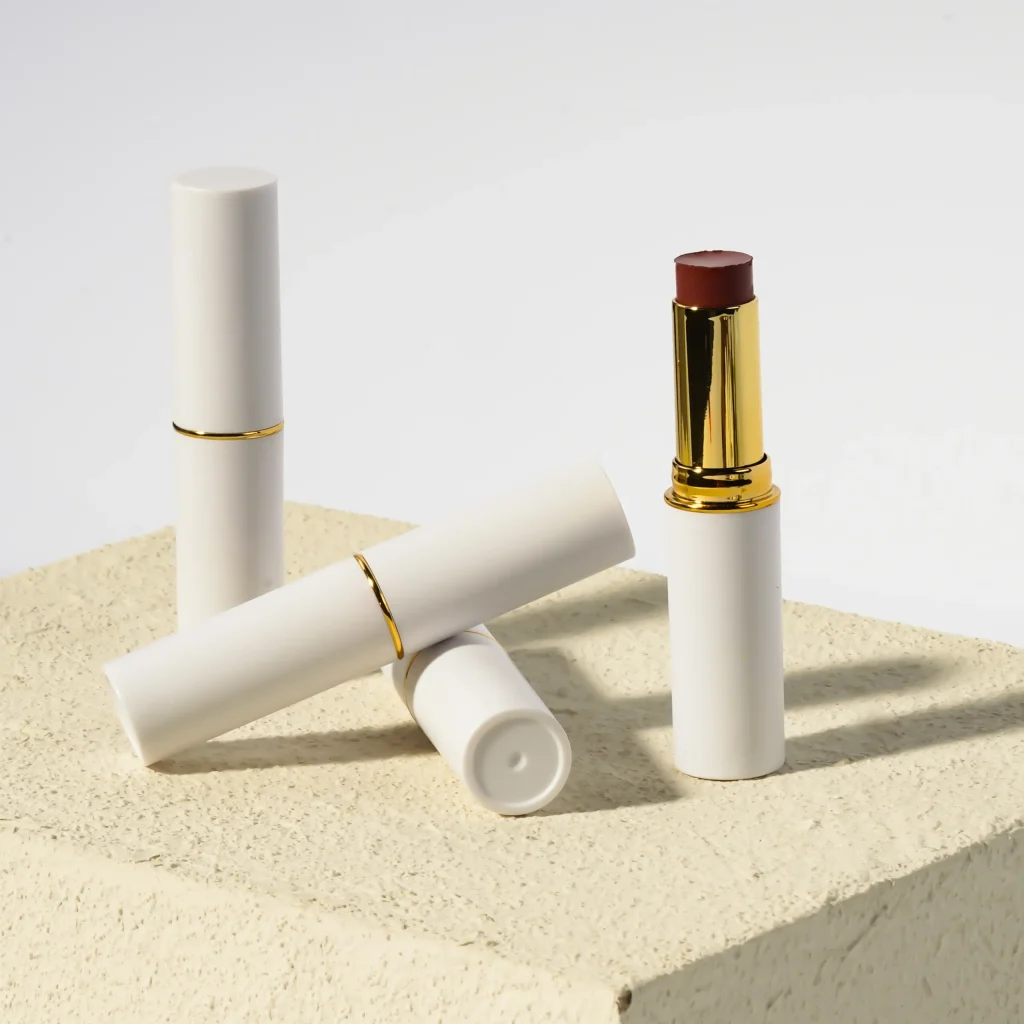
A healthy lipstick is built on a balanced formula rather than one “hero” ingredient. Some ingredients help keep the lips comfortable, while others provide structure, color, or stability. Knowing the role of each ingredient makes it easier to evaluate a product objectively.
Moisturizing Oils and Emollients
Oils and emollients help reduce moisture loss and improve how a lipstick feels on the lips. They also help pigments spread more evenly and support a smoother application.
Common examples include jojoba oil, castor oil, squalane, sunflower seed oil, and caprylic/capric triglyceride. These ingredients are widely used because they provide lubrication without changing the formula’s stability when properly balanced.
Waxes That Protect the Lips
Waxes give lipstick its solid shape and help form a thin protective layer on the lips. This layer helps reduce water loss and keeps the formula in place during normal wear.
Common cosmetic waxes include beeswax, candelilla wax, carnauba wax, and synthetic waxes. Plant-based waxes are often used in vegan formulas, while synthetic waxes can improve consistency and heat resistance.
Beneficial Antioxidants and Vitamins
Antioxidants help protect oils in the formula from oxidation, which can slow changes in odor or quality during storage. Some also provide mild conditioning benefits for the lips.
Vitamin E (Tocopherol) is one of the most common antioxidants used in lipsticks. Other examples include ascorbyl palmitate and rosemary extract, although the choice depends on the formula design.
Read More >> What Is the Correct Way to Wear Lipstick?

Safe Mineral Pigments
Pigments give lipstick its color. Healthy lipsticks should use colorants that are approved for cosmetic use in the target market and sourced from reliable suppliers.
Common mineral pigments include iron oxides (CI 77491, CI 77492, CI 77499) and titanium dioxide (CI 77891). These pigments are valued for their color stability and are widely used in cosmetic products when they meet regulatory requirements.
Fragrance-Free Options for Sensitive Users
Fragrance is added mainly to improve the user experience, but it is not necessary for lipstick performance. For some people, added fragrance may increase the chance of irritation or allergic reactions.
If you have sensitive lips or a history of fragrance allergy, choosing a fragrance-free lipstick may be a practical option. It is also helpful to review the ingredient list for known personal allergens rather than relying only on front-label claims.

Ingredients That May Be Better to Limit or Avoid
Not every ingredient with a long name is unsafe, and not every natural ingredient is harmless. The key is to understand which ingredients may cause concern under certain conditions and why. In many cases, the amount used, the product quality, and individual sensitivity matter more than the ingredient name itself.
Excessive Added Fragrance
Fragrance is mainly added to improve the smell of a lipstick. It does not make the product safer or more effective. For most people, fragrance is not a problem, but some users may experience irritation or allergic reactions.
If your lips are easily irritated or you have a known fragrance allergy, it is often better to choose a fragrance-free formula. This simple step may help reduce unnecessary exposure to potential allergens.
Certain Preservatives for Sensitive Individuals
Preservatives help protect cosmetic products from harmful microorganisms and extend product stability. Without them, many products could become unsafe during normal use.
However, some preservatives may not be suitable for everyone. A small number of people may react to certain preservatives, depending on their skin condition and personal sensitivity. If you have experienced reactions before, check the ingredient list and avoid ingredients recommended by your healthcare provider.
It is important to remember that “preservative-free” does not always mean safer. Every cosmetic product must remain stable and protected throughout its intended shelf life.
Heavy Metal Contamination vs. Heavy Metal Ingredients
Heavy metals are one of the most misunderstood topics in cosmetics. Cosmetic regulations do not allow manufacturers to intentionally add toxic heavy metals such as lead or mercury to lipstick formulas.

However, trace amounts of certain heavy metals may exist as unavoidable impurities in natural mineral pigments. Reputable manufacturers control these impurities through raw material selection, supplier qualification, and laboratory testing to ensure they remain below legal safety limits.
This is why consumers should focus on regulatory compliance and product quality rather than assuming that any report of “heavy metals” means a product is unsafe.
PFAS and Other Emerging Ingredients Under Review
PFAS, sometimes called “forever chemicals,” are a group of substances that have been used in some consumer products because of their water- and oil-resistant properties. In recent years, they have received increased attention from researchers and regulators.
Some regions are reviewing or restricting the use of certain PFAS in cosmetics as more safety data becomes available. Because regulations continue to evolve, manufacturers should regularly review ingredient compliance in their target markets.
Consumers who wish to reduce PFAS exposure can check product information provided by brands and choose products that comply with current cosmetic regulations.
Why “Free-From” Claims Should Be Interpreted Carefully
Labels such as “paraben-free,” “chemical-free,” “toxin-free,” or “non-toxic” are common in the beauty market. While these claims may sound reassuring, they do not always provide meaningful information about product safety.
For example, replacing one ingredient with another does not automatically make a lipstick safer. The overall formula, ingredient concentration, safety assessment, and manufacturing quality remain far more important.
Rather than relying on front-label claims, review the ingredient list, check whether the product follows local cosmetic regulations, and choose formulas that match your own skin needs. This approach provides a more reliable way to evaluate lipstick safety than marketing language alone.

How to Evaluate Whether a Lipstick Is Actually Safe
A lipstick cannot be judged by one ingredient or one marketing claim. A better approach is to look at the ingredient list, safety standards, product testing, and how the lipstick is packaged and stored. Together, these factors give a clearer picture of product safety.
Read the Ingredient List Correctly
The ingredient list shows what is in the product, but it does not tell the whole story. Ingredients are usually listed in descending order by weight, although color additives may follow different labeling rules in some markets.
Focus on ingredients you know you are sensitive to instead of avoiding every unfamiliar name. Long or scientific names do not mean an ingredient is unsafe.
Check Regulatory Compliance
A safer lipstick should follow the cosmetic regulations of the country where it is sold. These rules define which ingredients are allowed, restricted, or prohibited and set safety requirements for cosmetic products.
For example, lipsticks sold in the United States must follow FDA cosmetic regulations, while products sold in the European Union must meet the EU Cosmetics Regulation. Compliance helps ensure ingredients are used within accepted safety limits.
Understand Safety Testing
Before reaching the market, lipstick formulas often undergo different types of quality and safety testing. The exact tests depend on the product type and the regulations of the target market.
Common evaluations include stability testing, microbiological testing, packaging compatibility testing, and safety assessments. These tests help confirm that the product remains stable and suitable during normal use.

Consider Packaging, Shelf Life, and Storage
Good packaging helps protect lipstick from heat, light, air, and contamination. It also supports product stability throughout its expected shelf life.
Always check the expiration date or the Period After Opening (PAO) symbol. Store lipstick in a cool, dry place and avoid exposing it to high temperatures, which may affect texture and performance.
A Practical Checklist Before Buying
Use this simple checklist before choosing a lipstick. It can help you focus on factors that matter most for product safety.
No single factor can guarantee that a lipstick is the healthiest choice. However, checking these points together provides a practical and reliable way to evaluate product safety before you buy.
Is Organic, Natural, Vegan, or Clean Lipstick Healthier?
Words like “organic,” “natural,” “vegan,” and “clean” are common on lipstick labels. While these claims can describe certain product features, they do not automatically mean a lipstick is healthier or safer. Understanding what each term actually means helps you make a more informed choice.
Organic Does Not Automatically Mean Safer
Organic lipstick is made with some ingredients that come from certified organic farming. However, an organic ingredient is not automatically safer than a conventional one.
Safety depends on the complete formula, the amount of each ingredient used, and whether the product meets cosmetic regulations. A well-formulated conventional lipstick can be just as safe as an organic one.
Natural Ingredients Can Still Cause Allergies
Natural ingredients are often seen as gentle, but they can still trigger allergic reactions. Plant extracts, essential oils, and botanical ingredients may cause irritation in some individuals.
If you have sensitive lips or a history of allergies, choose products based on your personal tolerance instead of assuming that natural ingredients are always the better option.
Vegan Refers to Ingredient Source, Not Safety
A vegan lipstick does not contain animal-derived ingredients such as beeswax, lanolin, or carmine. Instead, it uses plant-based or synthetic alternatives.
This claim tells you where the ingredients come from, not how safe the product is. Both vegan and non-vegan lipsticks can be safe when they are properly formulated and manufactured.
Clean Beauty Has No Universal Definition
The term “clean beauty” has become popular, but there is no globally accepted definition. Different brands may use the term to describe different standards or ingredient policies.
For this reason, a lipstick labeled as “clean” should not be considered healthier based on the claim alone. It is still important to review the ingredient list and whether the product complies with cosmetic regulations.
Which Claims Matter Most?
Marketing claims can provide useful information, but they should not replace objective safety factors. Claims are most meaningful when they are supported by transparent ingredient lists and regulatory compliance.
When evaluating a lipstick, focus first on whether it uses approved ingredients, is manufactured under quality standards, and suits your own skin. Labels such as “organic,” “natural,” “vegan,” or “clean” should be viewed as additional product information rather than proof of safety.
Which Lipstick Formula Is Healthiest for Different Lip Conditions?
There is no single lipstick formula that works best for everyone. The healthiest choice depends on your lip condition, how often you wear lipstick, and your personal sensitivities. Choosing a formula that matches your needs is often more important than following marketing trends.
Dry or Chapped Lips
Dry lips benefit from formulas that contain moisturizing oils, emollients, and protective waxes. These ingredients help reduce moisture loss and improve comfort during wear.
Look for ingredients such as jojoba oil, squalane, shea butter, or vitamin E. If your lips are severely chapped, allow them to heal before applying lipstick, as color cosmetics are not a treatment for damaged skin.
Sensitive Lips
People with sensitive lips should choose simple formulas with fewer potential irritants. Fragrance-free products are often a good starting point, especially for those with a history of allergies.
Before using a new lipstick regularly, stop using it if you notice redness, itching, or discomfort. If irritation continues, seek advice from a healthcare professional.
Mature Lips
As lips age, they may become drier and show more fine lines. Creamy or satin-finish lipsticks often apply more evenly than very matte formulas.
Formulas containing conditioning ingredients can help improve comfort. Good hydration and regular lip care also play an important role in maintaining healthy-looking lips.
Daily Wear
For everyday use, choose a lipstick with a balanced formula that provides comfort without unnecessary ingredients that may irritate your lips.
It is also a good habit to remove lipstick completely at the end of the day and replace products once they reach their expiration date or Period After Opening (PAO).
Long-Wear Lipsticks: Benefits and Trade-Offs
Long-wear lipsticks are designed to resist transfer and last for many hours. They are a practical choice when frequent touch-ups are not convenient.
However, these formulas may feel drier than traditional lipsticks because they use film-forming ingredients to improve wear time. If your lips become dry, applying a lip balm before or after wearing long-wear lipstick may help improve comfort without affecting overall lip care.
Conclusion
The healthiest lipstick is not defined by labels like “natural,” “organic,” or “clean.” Instead, it depends on safe ingredients, proper formulation, regulatory compliance, and reliable manufacturing quality. By understanding ingredient functions, checking product information, and choosing formulas that match your lip condition, you can make a more informed decision. A safe lipstick is the result of science, testing, and careful quality control.