
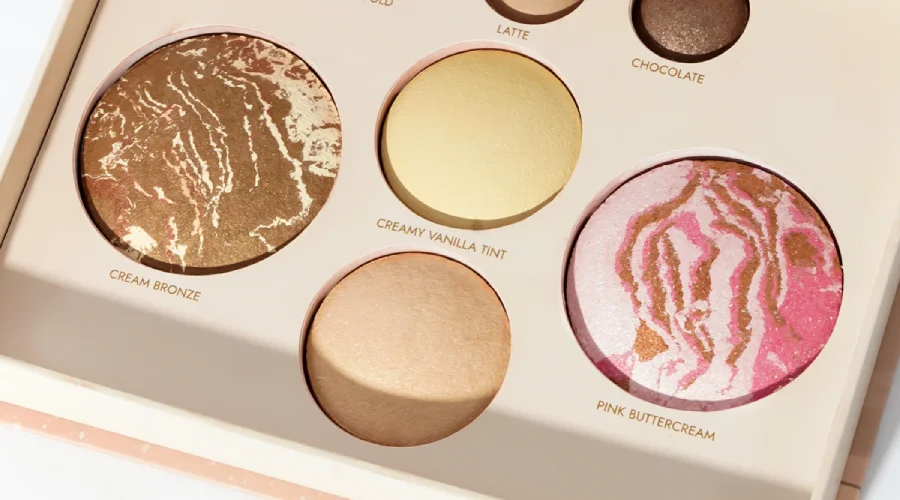
Face powders have been a staple in makeup for centuries. They help control shine, set foundation, and create a smooth finish. But not all powders are the same.
Baked and pressed powders are two common types. Baked face palettes start as liquid formulas, then go through a slow baking process. This gives them a lightweight, velvety texture. Pressed powders, on the other hand, are finely milled pigments compacted into solid form. They are easier to use but can sometimes look heavier on the skin.
Your skin tone and undertone affect how these powders appear. So, how do you pick the right one?

Understanding the Basics: Baked vs. Pressed Powders
Makeup powders may look similar, but their formulas tell a different story. Baked powders and pressed powders serve unique purposes, and their textures, finishes, and ingredients vary.
What Is Baked Powder?
Baked powders begin as liquid or cream formulas. They are poured onto terracotta tiles and slowly baked under heat. This process removes excess moisture while locking in pigment, giving the powder its signature lightweight texture.
Unlike traditional compacts, baked makeup has a finely milled, almost airy feel. It blends easily and provides buildable coverage. Because of its unique formulation, it often delivers a soft, luminous glow. That’s why baked bronzers, blushes, highlighters, and face powders are popular for achieving a natural, radiant finish.
What Is Pressed Powder?
Pressed powders are made by mixing dry pigments with binding agents. The mixture is then compressed into a solid form. This method creates a denser texture that is easier to control and apply.
The coverage varies—some pressed powders offer sheer finishing touches, while others, like foundation powders, provide full coverage. Many setting powders and mattifying compacts fall into this category, making them ideal for reducing shine and setting makeup in place.

How Baking Affects Pigment and Performance
The baking process changes how the powder looks and feels. Because baked powders start as a liquid, they retain concentrated pigments. The heat removes fillers and excess binders, making the color payoff richer.
This is why a baked face palette often looks more vibrant than a standard pressed powder. Baked formulas also contain finely milled shimmer or pearl pigments, which reflect light and create a luminous effect. Pressed powders, on the other hand, tend to absorb light, resulting in a softer, matte finish.
Why Skin Tone Matters When Choosing Face Powders
Your skin tone and undertones play a big role in how makeup, especially face powders, will appear. Baked and pressed powders can both give great results, but finding the right match based on your natural complexion is key.
The Role of Undertones in Face Powder Selection
There are three primary undertones: warm, cool, and neutral. Each one affects how powders look when applied to the skin.
- Warm undertones have hints of yellow or peach. Powders with a golden or peachy tone work best here.
- Cool undertones lean toward pink or blue hues, so cool-toned powders are a good fit.
- Neutral undertones balance between warm and cool, allowing for more versatility with powder choices.
When selecting a powder—whether baked or pressed—matching it to your undertone can prevent it from appearing too stark, as powders can pull different colors based on your skin’s undertone.
Fair to Light Skin Tones: What Works Best?
For fair and light skin tones, powders that are too dark or heavy can overwhelm the skin. Light shades with a hint of peach or soft pink work best, especially in baked face palettes. These can give a radiant warmth without making you look overly bronzed.
Pressed powders are great for these skin tones, especially when they provide sheer coverage for oil control and a smooth finish. They’re perfect for setting makeup without adding too much extra color.
Medium to Olive Skin Tones: Finding the Right Balance
For those with medium to olive skin tones, the goal is to enhance natural golden undertones. Baked powders with a golden or slightly bronze tint add warmth without appearing too heavy.
Pressed powders for medium skin should blend seamlessly, creating a smooth, natural finish. A good setting powder for this skin tone can help set makeup while preventing unwanted shine.
But be careful with powders that are too ashy or orange. They can leave an unnatural cast on the skin, especially under bright light.
Deep to Dark Skin Tones: Maximizing Radiance
For deep and dark skin tones, baked powders are an excellent choice. Their buildable nature means you can layer them for a personalized finish, without the worry of ashiness or a dull appearance. These powders often have more intense pigments, which work well with deeper tones.
Pressed powders are also useful here—especially those designed to control shine. They can mattify without making the skin appear flat or lifeless. However, baked face palettes with shimmer or a satin finish are often preferred for adding depth and dimension.

Baked vs. Pressed Powder: Which One Should You Choose?
When deciding between baked and pressed powders, it’s helpful to consider your skin type, desired finish, and how long you want your makeup to last.
For a Natural Glow: Baked Powder Benefits
If you love a natural, radiant glow, baked powders might be your best choice. They offer a lightweight texture that blends easily, making them ideal for a healthy, glowing complexion.
These powders are especially great for dry or mature skin because their formula tends to be less cakey and more hydrating than pressed powders. Their natural, radiant finish can make skin look fresh, smooth, and youthful. For example, a baked highlighter adds a subtle shine to the cheekbones without creating a heavy or artificial look.
Using a baked bronzer can also enhance dimension and warmth, making your face look sun-kissed and sculpted. Apply with a light hand to build up to your desired intensity for a soft, natural glow.

For a Matte or Full-Coverage Look: Pressed Powder Advantages
Pressed powders, on the other hand, are often better for those with oily or combination skin. Their smooth texture provides a matte finish, which helps to control shine throughout the day. If you want a more polished or full-coverage look, pressed powders are great at setting liquid foundations and providing more coverage where needed.
They’re also perfect for creating a long-lasting makeup look. Pressed powders keep everything in place, which makes them ideal for events or long days. For instance, pressed setting powders help your makeup last from morning to night without the need for frequent touch-ups.
Mixing Both: Can You Use Baked and Pressed Powders Together?
Yes, you can! Many people combine baked and pressed powders to get the best of both worlds. Start by using pressed powder to set your makeup and control shine. After that, apply baked face palettes—such as bronzers, blushes, or highlighters—to add dimension and a radiant finish.
To blend them well, use soft, sweeping motions with your makeup brushes. This will help create a seamless look that doesn’t look too matte or too shiny. This combination works well for both daily makeup or more dramatic looks, depending on how much you build up each layer.
Application Tips for Different Skin Types
Applying baked or pressed powders isn’t just about technique—it’s also about using the right tools and understanding your skin.
Best Tools for Applying Baked Powders
When applying baked powders, it’s essential to use the right brush to achieve a smooth, even finish. A fluffy brush with soft bristles works best for baked face products like highlighters and bronzers. This allows the product to be diffused gently across the skin, giving a natural, radiant glow.
If you want more intensity, try using a damp sponge. When the sponge is slightly wet, it helps baked bronzer or baked blush to apply more evenly and creates a dewy, skin-like finish. Just be careful not to over-apply—start with a light layer and build up if needed.
For a more natural glow, always tap off excess product before applying, so you don’t get too much powder at once.
>> Is Baked Foundation Suitable for All Skin Types?
How to Apply Pressed Powders for a Smooth Look
Pressed powders are often easier to apply and more forgiving than baked formulas. The key to a smooth application is choosing the right tool.
For light coverage, use a powder brush. A fluffy brush will help set your makeup without leaving it heavy or cakey. On the other hand, for full coverage, a powder puff can be your best friend. It presses the powder into your skin for a more seamless, even finish.
One common mistake is applying too much powder. To avoid a cakey look, use a light hand, and always tap the brush before applying. Remember, you can always add more if needed, but it’s harder to take it off once it’s on.

Common Mistakes to Avoid When Choosing and Applying Powders
Selecting the right shade is crucial, and the wrong undertone can make all the difference. If you have a warm undertone, make sure your baked face palette or pressed powder complements that warmth. For cool undertones, go for powders that don’t have an orange base, which can make the skin look off.
Another mistake people often make is over-applying powder. Applying too much can leave your skin looking heavy and unnatural. Light layers are key, especially when using baked bronzers or pressed setting powders.
Finally, never skip prepping your skin. A smooth base is essential to ensure the powder goes on evenly. Exfoliate and moisturize before applying any powder for a seamless look.
Conclusion
The choice between baked and pressed powders largely depends on your skin tone, texture preferences, and desired finish. Whether you prefer a radiant glow or a matte look, understanding how each powder complements your skin type and undertone ensures a flawless application every time.