
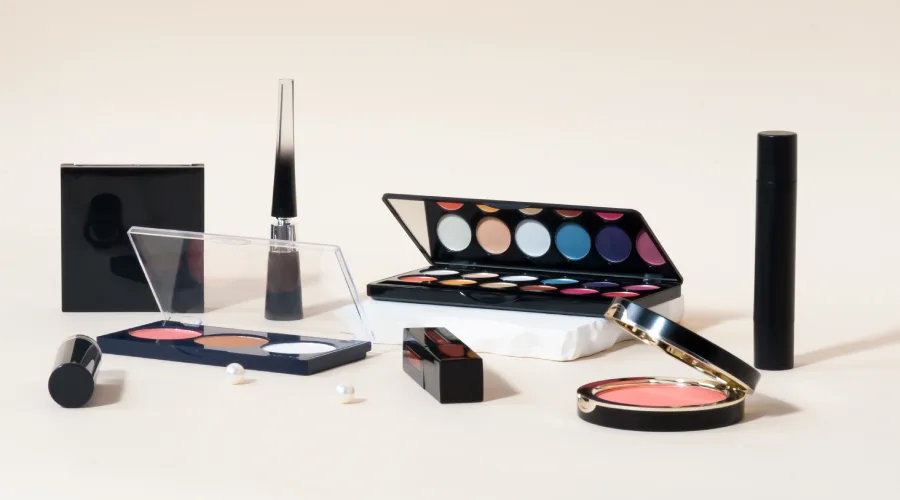
Starting a private label product often sparks curiosity among new entrepreneurs. Many wonder how it works, why some industries thrive on it, and what makes it different from selling ready-made goods. The answer lies in control, design, and market positioning, which shape how a product is built and sold.
What Does Private Label Mean?
Private label is often confused with other terms, yet it has its own clear definition. It describes products made by a manufacturer but sold under another company’s brand. This model allows small businesses and retailers to shape design, packaging, and even formula choices.
Defining Private Label vs. White Label
Private label products are built with customization in mind. A company can adjust colors, scents, or packaging before selling them under its own brand. White label products, by contrast, are pre-made and sold to many sellers with little or no change allowed.
Think of it this way: a private label cosmetic lip balm might come in unique shades and tubes chosen by one brand, while a white label balm looks the same no matter who sells it. Both models reduce setup costs, but private labeling offers more brand identity.

Key Differences Between Private Label and Branded Manufacturing
Branded manufacturing usually means a company owns both the product formula and the brand name. Private label works differently: the formula belongs to the manufacturer, but the marketing and label belong to the seller.
For example, a skincare lab may produce moisturizers for dozens of private label cosmetic brands. Each brand markets the cream in its own style, even though the base formula comes from the same place. This separation shapes how private labels compete in the market.
Market Research Before Starting a Private Label Product
Before creating a private label cosmetic line or any product, research is essential. It helps reduce risks, uncover opportunities, and guide smarter decisions. Without this step, businesses may launch items no one needs or set prices that do not match market reality.
Identifying Gaps in the Market
A good starting point is spotting what’s missing. For example, if most lip gloss brands focus on shimmer, a gap may exist for matte formulas. Gaps can also show in packaging, shades, or ingredient preferences, such as clean or vegan options.
Sometimes gaps are small but powerful. A local market might lack kid-safe makeup toys, while global brands ignore this niche. Filling such a gap allows private label products to stand out with a clear focus.
Understanding Consumer Needs and Trends
Trends shift fast. Today, buyers ask for cruelty-free, fragrance-free, or refillable products. Consumer research, including surveys or online reviews, shows what people truly want.
In cosmetics, TikTok and Instagram often spark sudden demands. A shade or style that goes viral may open doors for a private label product—if the seller reacts quickly enough.
Competitor Analysis and Price Benchmarking
Studying competitors reveals both strengths and weaknesses. Look at what top brands sell, how they package, and how they speak to customers. This doesn’t mean copying—it means learning where you can do better.
Price benchmarking is just as key. Setting prices too high can block new buyers, but pricing too low can hurt trust. Comparing ranges across the market helps position private label products in a sustainable way.

Choosing the Right Product to Private Label
Selecting the right product is a turning point for private label success. The decision shapes branding, target audience, and long-term growth. A good choice balances demand, safety, and market potential.
Factors to Consider: Demand, Shelf Life, Regulations
Demand is the first filter. A product with strong interest is easier to launch and scale. For example, skincare and private label cosmetics often stay in steady demand because people use them daily.
Shelf life matters too. Items with short stability, such as certain natural creams, need careful planning for storage and shipping. Longer-lasting goods, like dry powders, allow more flexibility.
Regulations are non-negotiable. Private label products, especially cosmetics, must meet FDA or EU standards. Ignoring these rules can cause recalls, fines, or brand damage. Always check ingredient restrictions and labeling requirements.
Examples of Popular Private Label Product Categories
Cosmetics lead the field. Lip gloss, eyeshadow palettes, and skincare items like serums are often picked because of strong demand and room for branding.
Outside cosmetics, supplements, home cleaning items, and wellness products also thrive as private labels. These categories show how wide the private label path can be when paired with the right research.
>> Why Cosmetics Brands Need to Pay Attention to Product Shelf Life
How to Find and Evaluate Private Label Manufacturers
Finding the right manufacturer is one of the hardest but most important parts of private labeling. A reliable partner ensures safety, consistency, and trust in your brand.

Domestic vs. Overseas Suppliers
Domestic suppliers often mean faster shipping, easier communication, and better alignment with local rules. However, costs may be higher. For startups, this trade-off can impact pricing.
Overseas suppliers, especially in Asia, often provide lower costs and larger production capacity. Still, time zones, shipping delays, and cultural differences can pose challenges. Many brands balance both by testing small domestic runs before scaling overseas.
Certifications, Safety Standards, and Quality Control
Certifications like ISO, GMP, or FDA compliance signal a manufacturer’s professionalism. In cosmetics, private label products must also meet ingredient safety rules in each market.
Quality control should never be assumed. Request batch testing, ingredient transparency, and detailed safety data sheets. Skipping this step risks inconsistent products or regulatory issues.
Communication and Minimum Order Quantities (MOQs)
Clear communication avoids costly mistakes. Misunderstandings about shade names, packaging details, or formula tweaks can delay a launch. Simple updates and video calls help bridge the gap.
MOQs also matter. Some manufacturers require thousands of units, while others allow small test runs. Matching your budget and strategy to their MOQ prevents wasted stock and cash flow problems.
Legal and Regulatory Considerations for Private Label Products
Every private label product must meet the law of the market where it is sold. From packaging details to ingredient safety, missing a step can mean fines or recalls.
Labeling Requirements and Safety Standards
Labels are more than decoration. They tell buyers what is inside and warn of possible risks. Rules often require ingredient lists, net weight, country of origin, and safe use directions.
Safety standards vary by region. In the U.S., the FDA sets rules for cosmetics, while the EU has its own strict testing and labeling framework. Meeting these rules builds trust and avoids penalties.
Intellectual Property and Trademark Basics
Private labelers must respect IP. Copying a logo, shade name, or even a packaging design can lead to lawsuits. Trademarks protect both brand owners and new businesses.
Securing your own trademark helps prevent copycats. It also ensures that your private label cosmetic line has legal recognition, making it easier to expand into new markets.

Industry-Specific Regulations
Cosmetics face extra oversight because they touch the skin. Ingredients must be approved, safe at certain levels, and clearly disclosed. Bans on some chemicals differ by country.
For example, the EU bans over 1,300 cosmetic ingredients, while the U.S. restricts far fewer. A private label cosmetic that works in one market may need reformulation in another.
Designing and Customizing Your Private Label Product
Design choices decide how buyers see your product. From packaging style to formula tweaks, every detail shapes the identity of your private label line.
Packaging Design and Branding Identity
Packaging is often the first thing buyers notice. Clear fonts, color palettes, and smart layouts make products easy to recognize on shelves. It should also meet labeling laws.
A strong branding identity keeps the look consistent. Whether minimal, playful, or luxury-focused, the design should match the audience and send the right message.
>> Boost Your Cosmetics Brand’s Competitiveness in the Market
Formula or Material Adjustments
Some private label manufacturers allow formula adjustments, like fragrance-free versions or texture changes. This makes products stand out but may raise costs.
In non-cosmetic fields, such as toys or home goods, material swaps—like using eco-friendly plastics—also fall under customization. Each change must meet safety and durability standards.
Importance of Prototyping and Testing
Prototyping helps catch flaws before mass production. A sample can reveal issues with packaging durability, color accuracy, or ingredient stability.
Testing builds confidence. Stability checks, wear trials, or user feedback show if the product works as intended. This step avoids expensive mistakes later.
Setting Up Logistics and Supply Chain for Private Labeling
Efficient logistics and supply chains are crucial for private label products. Even the best product can fail if it isn’t delivered on time, stored properly, or managed cost-effectively.
Shipping, Storage, and Fulfillment Options
Shipping decisions depend on product type and volume. Cosmetics may require climate-controlled transport to prevent melting or separation. Storage also matters; warehouses should meet safety and hygiene standards.
Fulfillment can be in-house or outsourced. Third-party fulfillment centers handle packing, shipping, and returns, letting private label sellers focus on marketing and sales.
Managing Lead Times and Inventory
Lead times affect how quickly products reach the market. Long production cycles or overseas shipping delays can slow launches. Accurate planning avoids stockouts or overstocking.
Inventory tracking ensures the right amount is available at all times. Software tools can help forecast demand, reducing waste and keeping cash flow steady.
Cost Management and Profit Margins
Costs include manufacturing, shipping, storage, packaging, and marketing. Understanding each cost ensures accurate pricing.
Profit margins depend on balancing quality and expenses. Underpricing can hurt brand perception, while overpricing can reduce sales. Efficient supply chain management helps maintain healthy margins.
Marketing Strategies for Private Label Products
Marketing defines how your private label product reaches and resonates with buyers. A clear strategy helps turn awareness into sales while building brand recognition.
Building a Strong Brand Story
A brand story explains why your product exists and what makes it unique. For private label cosmetics, this could highlight ingredient safety, sustainability, or specialized formulas.
Stories connect emotionally with buyers, helping small brands compete with established names. A simple narrative about quality, purpose, or creativity can guide packaging, messaging, and campaigns.
Digital Marketing Channels
Social media allows direct engagement with your target audience. Instagram, TikTok, and Pinterest are popular for beauty products. SEO ensures potential buyers find your website when searching online.
Influencers can showcase private label products in authentic ways. Even micro-influencers with small but loyal audiences can drive awareness and credibility for new brands.
Retail vs. E-commerce: Distribution Choices
E-commerce offers global reach and lower overhead. Selling online through your website or marketplaces gives control over branding and customer experience.
Retail partnerships provide visibility in physical stores. For private label cosmetics, combining both channels often works best, balancing brand control with wider exposure.
Common Mistakes When Starting a Private Label Product
Even experienced entrepreneurs can make errors. Knowing common pitfalls prevents costly setbacks and helps build a more sustainable brand.
Rushing Without Research
Skipping market analysis can lead to products that buyers don’t want. Demand, pricing, and competition must be understood before committing to production.
Ignoring Legal Compliance
Failing to follow labeling, ingredient, or trademark rules can result in fines or recalls. Legal oversight is essential, especially in regulated industries like cosmetics.
Overcomplicating the First Launch
Trying to perfect every detail at once may delay entry or raise costs unnecessarily. Starting simple with key differentiators allows testing and learning before scaling.
Conclusion
Starting a private label product requires research, careful planning, and regulatory compliance. By choosing the right product, manufacturer, and marketing strategy, entrepreneurs can build a successful brand with confidence.