

Ever applied blush only to realize it looks too bright, too dull, or just… off? The right shade depends on your skin tone and undertone. This guide walks you through expert tips on choosing, applying, and blending blush for a flawless, natural look.
Understanding Blush and Its Role in Makeup
Blush is more than just a pop of color on the cheeks. It’s a makeup essential that adds warmth, dimension, and a natural flush to the face. Whether in powder, cream, or liquid form, blush mimics the way blood rises to the skin, creating a youthful, healthy appearance.
- How Blush Enhances Facial Features and Complexion
Blush does more than brighten the skin. When placed strategically, it can change how light interacts with facial contours. A soft application on the apples of the cheeks creates a fresh, lifted effect. Placing it higher along the cheekbones can sculpt the face, while blending it toward the temples adds a sun-kissed look.
For those with dull or sallow skin, the right blush shade counteracts discoloration and restores vibrancy. A well-matched color blends seamlessly, making the skin appear naturally radiant rather than overly made up.
- The Science Behind Blush and Skin Tones
Not all blush shades work the same way on different skin tones. This is due to undertones—the subtle hues beneath the skin’s surface that influence how colors appear. Warm undertones pair well with peachy or coral blushes, while cool undertones are complemented by rosy or berry shades.
Blush also interacts with melanin levels. Deeper skin tones require richer, more pigmented hues to ensure visibility, while fairer skin benefits from softer, sheer washes of color. The goal isn’t just to add color but to enhance the skin’s natural depth and dimension.

Identifying Your Skin Tone and Undertone
Choosing the right blush isn’t just about picking a pretty color. It’s about understanding how it interacts with your skin tone and undertone. These two factors determine whether a shade blends naturally or looks out of place.
The Difference Between Skin Tone and Undertone
Skin tone refers to the surface color of your skin—light, medium, tan, or deep. This can change due to sun exposure or skincare routines. Undertone, on the other hand, stays the same and determines how colors appear against your skin.
There are three main undertones:
- Warm: Golden, peachy, or yellow hues.
- Cool: Pink, red, or bluish hues.
- Neutral: A balance of both warm and cool tones.
Both factors matter when choosing blush. A shade that matches your undertone will blend effortlessly, while one that clashes can look artificial.
How to Determine Your Undertone
Not sure about your undertone? Here are some quick tests:
- Vein test: Look at the veins on your wrist in natural light. If they appear blue or purple, you likely have a cool undertone. Greenish veins suggest a warm undertone. If you see both, you might be neutral.
- Jewelry test: Gold jewelry tends to complement warm undertones, while silver looks better on cool skin. If both look good, you’re likely neutral.
- Natural light test: Hold a plain white sheet of paper next to your face in natural light. If your skin looks yellow or golden, you have a warm undertone. A pinkish or reddish hue means cool, while a mix of both suggests neutral.
These methods aren’t perfect, but they provide a good starting point for choosing the right blush.

How Skin Tone Affects Blush Visibility
Blush looks different on every skin tone. Light shades may disappear on deep skin, while bold colors can overwhelm fair skin. Here’s a general guide:
- Light skin: Soft pinks and peaches blend naturally, while dark shades may look too intense.
- Medium skin: Warm corals and rosy tones enhance natural warmth without overpowering.
- Tan skin: Rich apricots, warm mauves, and bronze tones create a healthy glow.
- Deep skin: Bold berries, deep reds, and warm terracotta shades stand out beautifully.
The right blush should complement your natural skin tone rather than compete with it. Testing shades in natural light is the best way to see how they truly appear on your skin.
Best Blush Shades for Each Skin Tone
Blush isn’t one-size-fits-all. The right shade enhances your natural complexion, while the wrong one can look unnatural. Skin tone and undertone play a key role in how colors show up. A shade that looks subtle on one person might be too intense or barely visible on another.

Fair to Light Skin Tones
For fair to light skin, subtlety is key. Soft pinks, peaches, and light corals add a natural flush without looking heavy. Pale skin tends to show color easily, so sheer or buildable formulas work best.
Avoid shades that are too dark or too bright, like deep reds or neon pinks, as they can appear harsh. If a blush looks too intense in the pan, try applying it with a fluffy brush and blending well. Cream and liquid blushes often look more natural than powder on fair skin, especially in cooler months when dryness is common.
Medium to Tan Skin Tones
Medium and tan skin tones have more warmth, making peach, rosy pink, and soft berry shades ideal. These colors add vibrancy without looking unnatural.
It’s important to balance warmth with depth. Shades that are too light may not show up well, while overly cool tones can clash. Coral blush is a versatile choice, as it brightens the complexion without looking overdone. If your skin leans more golden, try warm apricot or terracotta tones for a sun-kissed effect.
Deep to Dark Skin Tones
Deeper skin tones need rich, pigmented shades to stand out. Plums, deep oranges, and bold reds create dimension and warmth.
Matte formulas can sometimes appear ashy, so blushes with a satin or dewy finish work well. Layering is key—starting with a light application and building up as needed. Deep berry and brick-red blushes complement dark skin beautifully, while shades with a hint of shimmer can enhance the skin’s natural radiance.

Blush Shades for Neutral Undertones
Neutral undertones offer the most flexibility when it comes to blush. Peachy pinks, mauves, and warm roses all work well.
Since neutral skin has a mix of warm and cool tones, blushes in the mid-range—neither too orange nor too blue—tend to look the most natural. If you’re unsure, try a shade that mimics your natural flush after exercise. This trick helps you find a color that enhances your skin without looking artificial.
Choosing the Right Blush Formula
Blush formulas come in many types, each with unique qualities that suit different skin types and preferences. Whether you’re looking for a soft, natural finish or vibrant color that lasts all day, understanding which formula works best for your skin is key.
Powder Blush
Powder blush is a classic choice for those with oily or combination skin. It helps absorb excess oil and prevents shine, giving a matte finish that stays in place.
To apply for a natural finish, use a fluffy brush and tap off any excess product before applying. Start at the apples of your cheeks, then blend upwards toward your temples. The light application allows you to build the color without it becoming too heavy. A powder blush works especially well for creating a soft contour on the cheeks or adding a gentle pop of color.
Cream Blush
Cream blush is ideal for dry or mature skin types. It has a moisturizing effect that provides a dewy, fresh finish. This formula blends seamlessly, giving you a natural, flushed look.
To blend cream blush effectively, use your fingers or a damp makeup sponge.
Start with a small amount and apply it in a stippling motion. This method ensures an even layer without disrupting the foundation underneath. For a more radiant finish, you can apply cream blush over foundation and set lightly with a translucent powder.
Liquid and Gel Blush
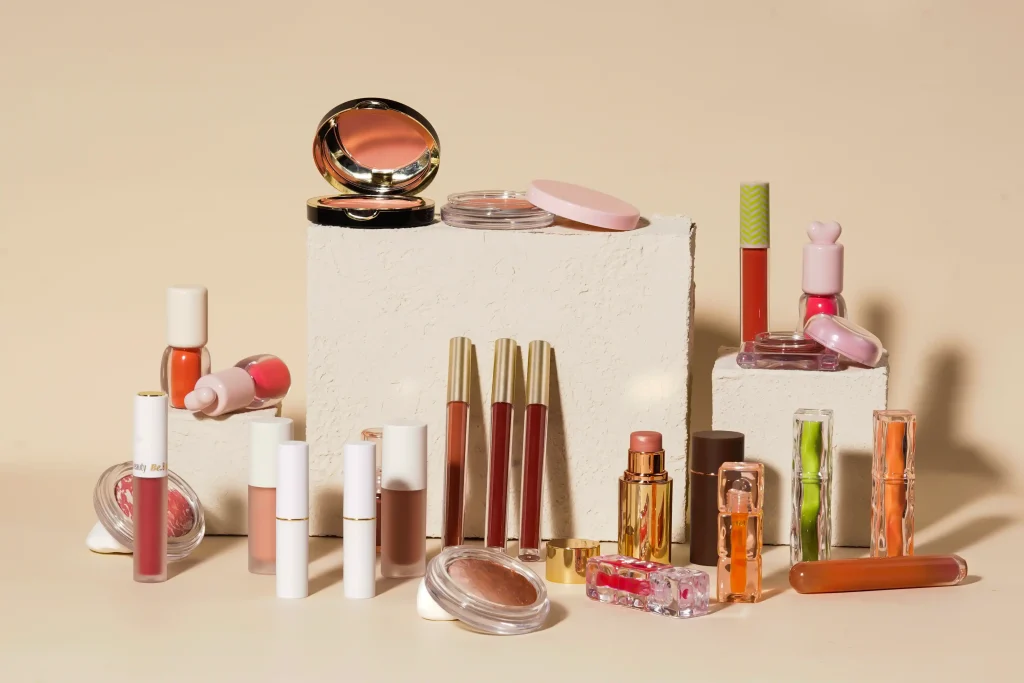
Liquid and gel blush formulas are perfect for those who like lightweight, buildable color. They provide a fresh, barely-there finish that can be built up for more intensity. These formulas tend to be more long-lasting, making them ideal for all-day wear.
When applying liquid or gel blush, use your fingers or a sponge for smooth, even coverage. Layer it over your foundation or mix it into your base for a seamless look. These formulas can also be layered with other makeup products, like highlighter or bronzer, to create a more dimensional effect.
Stick Blush
Stick blush is a convenient option for touch-ups or on-the-go applications. It’s portable and mess-free, making it ideal for travel or busy mornings.
To apply stick blush, swipe the product directly onto your cheeks and use your fingers or a sponge to blend it in. For a soft, blended effect, focus on the high points of your cheeks, blending towards the hairline. Stick blushes are great for a quick, natural look or a bold pop of color, depending on your preference.
Each blush formula offers something different, so choosing the one that fits your skin type and application style can make a big difference in your makeup routine.
Application Techniques for a Flawless Blush Look
Achieving a flawless blush look is not just about the right shade, but also about the correct application. Where and how you apply your blush can make all the difference in highlighting your best features.
>> How to Apply Blush: Mastering the Perfect Flush
Where to Apply Blush Based on Face Shape
Different face shapes benefit from different blush placements. Understanding your face shape is the first step to applying blush effectively.
- Round Face: To add definition, apply blush slightly above the apples of your cheeks, blending it towards your temples. This lifts and elongates the face.
- Oval Face: For an oval face, blush can be applied directly on the apples of the cheeks and blended out toward the ears. This accentuates the natural contours of the face.
- Square Face: Apply blush diagonally along the cheekbones to soften the angles of the face. This helps create a more rounded, balanced appearance.
- Heart-Shaped Face: Focus blush on the apples of your cheeks, blending up to your temples. This will balance out the wider forehead and create harmony in the face’s proportions.
- Long Face: Apply blush horizontally across the cheeks and slightly lower than usual to create the illusion of a shorter face shape.
Blending Tips to Avoid Harsh Lines
Blending is key when applying blush to ensure a seamless look. Harsh lines can make your makeup look unpolished.
Use your fingers, brushes, or sponges to blend blush in a gentle, circular motion. Start with a small amount of product and build up gradually. If you find that the blush is too intense, use a damp sponge to soften the edges.
The goal is to create a smooth transition between your blush and foundation, allowing for a natural flush.
Layering Blush with Other Makeup Products
Blush doesn’t stand alone. It works beautifully when paired with other makeup products like bronzer and highlighter to create a balanced, glowing look.
- Bronzer: Apply bronzer in the hollows of your cheeks before blush to sculpt and define. Once the bronzer is blended, apply your blush to the apples of your cheeks to bring a pop of color.
- Highlighter: After applying blush, add a touch of highlighter on the high points of your cheeks (above the blush) to enhance the glow. This creates a beautiful contrast and adds dimension to your face.
Layering these products gives depth to your makeup, creating a more polished and harmonious finish.
Common Blush Mistakes and How to Fix Them
Even the most experienced makeup enthusiasts can make mistakes with blush. Understanding these common errors and how to fix them will help you achieve a perfect, natural-looking flush every time.
Choosing the Wrong Shade for Your Skin Tone
One of the biggest mistakes when it comes to blush is picking the wrong shade for your skin tone. If the color is too bright or too dull, it can look out of place.
- Overly Bright Blush: If your blush looks too bright or intense, try toning it down with a makeup sponge or a clean brush to blend it out more evenly. You can also use a light layer of translucent powder to soften the color.
- Dull or Too Light Blush: On the other hand, if your blush is too light and doesn’t show up well, add a bit more color gradually. Choose a shade that complements your skin tone better—warm peachy or rosy tones tend to suit most light skin, while deeper tones like berry or plum can work well for medium to dark complexions.
Finding the right shade makes all the difference in achieving a natural, flattering blush.
Applying Too Much or Too Little
Another common blush mistake is applying too much or too little product. Too much can look heavy, while too little may not show up at all.
- Too Much Blush: If you’ve gone overboard, don’t panic. Use a clean makeup sponge to blend the excess blush into the skin. You can also dust some powder on top to lighten it up.
- Too Little Blush: If you’re not seeing enough color, it might be time to build up. Start with a small amount and slowly build the color until you achieve the desired effect. Be patient and apply layer by layer for a more natural look.
Blush is meant to enhance your features, not overwhelm them, so balance is key.
Using the Wrong Tools for Application
Using the wrong brush or tool can lead to uneven application or an unnatural finish. Different formulas need different tools to work properly.
- Powder Blush: For powder blush, use a fluffy brush with soft, natural bristles. This will help you pick up the right amount of product and blend it out seamlessly.
- Cream and Liquid Blush: Cream and liquid blushes require a denser brush or sponge to apply evenly. A small, rounded foundation brush or a damp sponge works best for blending these formulas.
- Blush Sticks: For blush sticks, you can apply directly from the stick and blend with your fingers or a small, dense brush for a more precise finish.
Choosing the right tool ensures that your blush blends smoothly and stays in place all day.
Blush Trends and Innovations in the Beauty Industry
Blush is no longer just a simple makeup product. With new trends and innovations, it has evolved to offer more versatility, sustainability, and personalized options for users.
Multi-Use Blush Products
One of the most exciting developments in blush is the rise of multi-use products. Blush is no longer just for your cheeks.
- Lip and Cheek Tints: Many beauty brands now offer tints that can be used on both lips and cheeks, saving space in your makeup bag. These versatile formulas provide a natural flush of color and are perfect for on-the-go application.
- Hybrid Formulas: Hybrid blush products combine multiple benefits. These can be gel-to-powder formulas or cream blushes that transform into a soft, powdery finish. These formulas work across different skin types and give you a fresh, natural look.
The versatility of these products allows you to simplify your makeup routine while still achieving a beautiful, flush of color.
Clean and Sustainable Blush Options
As consumers become more conscious about the environment, clean and sustainable beauty products are on the rise.
- Eco-friendly Formulations: More brands are now creating blushes with ingredients that are free from harmful chemicals. These formulas often use plant-based ingredients or minerals, making them better for your skin and the planet.
- Cruelty-free and Vegan Options: In addition to being clean, many blush brands are offering cruelty-free and vegan formulations. These products provide a guilt-free beauty experience while aligning with ethical standards.
Sustainable blush options are changing the beauty industry by offering effective and eco-conscious alternatives that meet the needs of conscious consumers.
The Rise of Personalized Blush Shades
Technology is changing the way we shop for blush. Personalized blush shades are now a reality thanks to advanced formulas and color-changing technology.
- Color-changing Blush: Some blush products now adapt to your skin’s natural pH, changing shades as you apply them. This ensures that you get a hue that perfectly complements your skin tone, making it easier to find your ideal blush.
- pH-adjusting Formulas: These formulas work by reacting to the acidity of your skin, creating a unique shade that matches your complexion and giving you a customized flush every time.
As customization continues to evolve, personalized blushes are becoming a popular choice for consumers looking for the perfect, tailored look.
Blush continues to evolve with new, innovative products that cater to different needs, preferences, and skin types, offering a fresh take on how we apply and choose blush.
Conclusion
Choosing the right blush for your skin tone can elevate your makeup look, bringing out your natural beauty. By understanding your skin tone, selecting the right formula, and mastering application techniques, you can achieve a flawless flush every time.
>> How to Start a Cosmetic Line: Tips and Insights for Beginners