
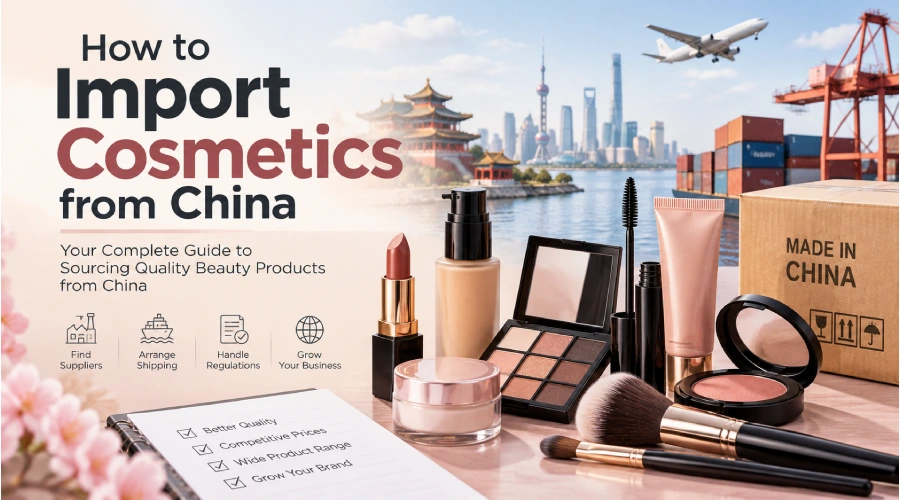
Importing cosmetics from China is a step-by-step process. You need to define the product, check the rules in your sales market, select a qualified maker, approve samples, review labels, control production, and arrange shipping and customs.
The basic process is: define your product → check destination-market requirements → find a qualified manufacturer → sample and test → confirm packaging and labeling → mass production → quality inspection → shipping and customs clearance.
The key rule is simple: cosmetic compliance depends mainly on what the product is and where you plan to sell it. A cosmetic made in China must still meet the ingredient, safety, labeling, and import rules of its destination market.

For this reason, check compliance before you place a bulk order. Give the manufacturer your target country, product type, formula needs, quantity, packaging plan, and claims. This helps both sides spot possible issues before production starts.
Also, do not judge a supplier by price alone. Check its manufacturing scope, quality system, production records, testing process, and ability to provide product documents. A low quote has little value if the product cannot legally enter or be sold in your market.
Step 1: Define Your Cosmetic Product and Import Requirements
Before contacting a cosmetic manufacturer in China, define what you plan to buy and where you plan to sell it. Clear product details help the factory assess formula options, MOQ, packaging, cost, lead time, and possible compliance needs.
Decide What You Want to Import
Start with the product category, such as lip gloss, lipstick, mascara, foundation, or skin care. Then define the main formula needs, such as texture, finish, wear, fragrance, or other performance targets.
Next, decide how many shades or colors you need. This matters because each shade may require separate color matching, samples, or production runs. More shades can also affect the MOQ, development time, and total order cost.
Packaging should also be defined early. State whether you need stock or custom packaging, the fill size, materials, decoration, and outer box. Custom molds, colors, printing, or finishes may require higher MOQs and longer lead times.
Finally, give the supplier a planned order quantity, target market, target price, and required delivery date. Treat the delivery date as a planning target until the formula, packaging, testing, and production schedule have been confirmed.
A useful rule is to prepare a short product brief before asking for a quote. The clearer the brief is, the easier it is to compare suppliers on the same requirements instead of comparing quotes for different products.
Private Label or Custom Formula?
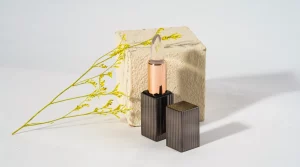
Private label usually means choosing an existing formula and adding your own packaging and label. It is often the practical choice when lower MOQ and a shorter development cycle are key, since less formula development is needed.
However, “existing formula” does not mean automatic compliance. The formula, claims, tests, and label still need to be checked against the rules of the country or region where the cosmetic will be sold.
Custom formulation is more suitable when you need specific ingredients, texture, color, performance, or other formula features. It gives you more control over product development, but usually requires more sampling, testing, time, and budget.
The choice should follow your project needs. If speed and order size matter most, start by assessing private-label options. If the formula itself is a key part of the product concept, discuss custom development and its technical requirements with the manufacturer.
Step 2: Check Cosmetic Regulations in Your Target Market
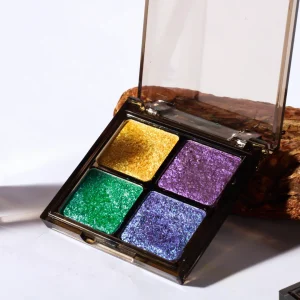
Cosmetic rules are set by the market where the product will be sold. The US, EU, UK, Canada, Australia, and other markets use different systems. So, check local rules before you approve the formula, claims, and label.
Compliance Depends on Where You Sell
Start with the legal status of the product and its ingredients. Check whether any ingredient is banned, restricted, or subject to limits in your target market. The same formula may not meet the rules of every country.
Next, review product safety and any testing needed for the product type. This may include safety support, microbiological testing, stability data, or other evidence. The exact requirements depend on the formula, product use, and local rules.
Labeling also needs a market-specific review. Check the ingredient list, net contents, warnings, responsible company details, and other required information. Do this before printing large amounts of packaging.
Product claims need equal care. Claims such as “moisturizing” may be treated differently from claims about treating or preventing a disease. In some markets, certain claims can change how the product is regulated.
Finally, check whether the market requires registration, notification, product listing, or a local responsible party. For example, the US, EU, UK, Canada, and Australia do not use one common cosmetic approval system.
Important Rule for Importers
A factory certificate does not prove that a finished cosmetic is compliant in your market. Standards such as ISO 22716 can provide evidence about cosmetic Good Manufacturing Practices, but they do not replace product-level compliance checks.
You still need to evaluate the finished formula, ingredient limits, safety support, test records, product claims, and label. Depending on the market, you may also need specific files, notifications, listings, or responsible-party details.
For example, a factory may follow a recognized quality system while a product label still fails local rules. Likewise, a well-made formula may contain an ingredient that has a different restriction in another market.
A practical approach is to complete the regulatory review before mass production. In simple terms: verify the market rules → review the formula → confirm testing and documents → approve claims and labeling → start production.
Step 3: Find and Verify a Reliable Cosmetic Manufacturer in China
A suitable cosmetic manufacturer should be able to make your product at a consistent quality and support the documents your market needs. Do not compare suppliers by unit price alone. Verify their systems, capability, capacity, MOQ, and lead time.
What Should You Check?
A practical order for supplier screening is: manufacturing experience → quality system → product capability → compliance support → MOQ → capacity → lead time. This helps you rule out unsuitable factories before spending time on samples.
First, check how long the supplier has made cosmetics and whether it has experience with your product category. A factory that makes lipstick well, for example, may not have the same equipment or process controls needed for mascara or liquid foundation.
Next, review its quality system. Ask about ISO 22716 or relevant GMP practices, incoming material checks, batch records, in-process controls, finished-product inspection, and lot traceability. Certificates should be current and independently verifiable.
You should also confirm production facilities and real capacity. Ask which steps are done in-house, what equipment is used, and how production is scheduled. This is especially important if you plan to increase order volume later.
Then, check testing and compliance support. A manufacturer should be able to provide clear ingredient information and relevant product documents. Ask what tests are done in-house, what is sent to third-party labs, and what reports can be supplied.
Finally, confirm MOQ and lead time for your actual project. MOQ can change with the formula, packaging, shade count, and printing method. Lead time should also cover packaging, production, inspection, and any required testing—not just filling.
Common Supplier Red Flags
Be careful when a quote is far below comparable offers. A low price is not proof of a problem, but it should lead to more questions about formula specifications, packaging, testing, quality standards, and what the quotation actually includes.
An unclear manufacturing location is another warning sign. Confirm the legal company name and factory address, and check whether the supplier is the manufacturer or a trading company. If possible, use an audit or factory visit for higher-value projects.
Certificates should also be checked rather than accepted as images or PDF files alone. Look at the company name, factory address, scope, issuing body, and validity period. Details that do not match the supplier deserve further review.
Incomplete ingredient information, no defined QC process, or vague answers about batch records are also concerns. A qualified supplier should be able to explain how materials, bulk product, filling, finished goods, and non-conforming products are controlled.
Finally, treat unusually fast production promises with care. Real lead time depends on raw materials, packaging, formula approval, testing, production capacity, and order size. Ask for a timeline by stage instead of relying on one promised delivery date.
Step 4: Request Samples Before Placing an Order
Always evaluate samples before approving mass production. A sample lets you check whether the formula, shade, performance, and packaging match your product brief. It can also reveal issues that are hard to judge from specifications alone.
Read More >> How Foundation Formulas Are Developed
What Should You Evaluate?
Start with color and appearance. Check the shade under consistent lighting and look for unwanted separation, particles, bubbles, or other visible changes. For color cosmetics, compare each shade with your approved target or reference.
Next, evaluate texture and performance based on the product type. For example, check spread, coverage, finish, drying time, or wear when relevant. Use the same test method when comparing samples so the results are more useful.
Odor should also be checked for consistency and any unexpected smell. However, appearance and odor alone cannot confirm product safety or stability. Required laboratory tests should be handled separately.
Then, inspect the packaging. Check the container, cap, pump, applicator, seal, printing, and other parts that affect normal use. Confirm that the actual fill weight or volume matches the agreed product specification.
Packaging compatibility is especially important. A formula can interact with its container over time, causing leakage, swelling, discoloration, evaporation, or changes to the product. Compatibility should therefore be assessed under suitable test conditions.
Approve a Golden Sample
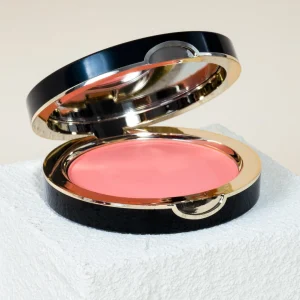
Once the formula, shade, appearance, and packaging are accepted, approve a final reference sample, often called a golden sample. Both the buyer and manufacturer should clearly identify the approved version and keep matching reference samples when practical.
The golden sample gives both sides a physical reference for mass production. It can be used to compare color, texture, appearance, packaging, and other agreed sensory or visual features during production and final inspection.
However, a golden sample should not replace written specifications. Some factors, such as microbiological limits, fill-weight tolerance, viscosity, or other measurable criteria, need documented standards and suitable test methods.
Before production, link the approved sample to the final formula, shade code, packaging specification, artwork version, and approval date. This reduces the risk of an old or incorrect sample being used as the production reference.
Step 5: Confirm Testing, Packaging, and Labeling
Before mass production, confirm that the formula has the right test support, product documents, and packaging information for your target market. Testing and label review should happen early, since a late change can affect both the formula and printed packaging.
Testing and Documentation
Testing should match the product type, formula, packaging, and destination market. Common checks may include microbiological testing, stability testing, and packaging compatibility. The exact test plan should be set based on the product and local rules.
Microbiological testing checks whether the product meets suitable limits for microorganisms. Stability testing looks for changes in factors such as color, odor, appearance, viscosity, or other relevant properties under defined storage conditions.
Packaging compatibility checks how the formula and container behave together over time. Watch for leakage, cracking, swelling, discoloration, corrosion, evaporation, or changes in the formula. This is important because a stable formula may still be unsuitable for a certain package.
Also confirm the product documents you will receive. These may include the ingredient list using INCI names, product specifications, test reports, and a Certificate of Analysis (COA) where applicable. The required documents vary by product and market.
Do not treat one document as proof of all compliance. For example, a COA normally reports selected specifications or test results for a batch. It does not replace a full safety, regulatory, or labeling review.
Review the Label Before Production
Review the label only after the final formula is confirmed. A typical cosmetic label may need the product identity, net contents, ingredient list, responsible company details, warnings, directions, and batch or lot information.
However, exact requirements differ by market. The US, EU, UK, Canada, and other regions have their own rules on wording, placement, language, ingredient declaration, and responsible-party information. Use the rules for the country where the product will be sold.
Pay special attention to claims. A claim must match the product and the evidence available to support it. Some claims may also affect how a product is regulated, so avoid adding new claims after the compliance review is complete.
Before printing, compare the artwork with the final formula and approved product specifications. Check the INCI list, shade or product name, net contents, warnings, company details, and other required text for errors.
A practical sequence is:
Formula confirmed → compliance review → artwork approval → packaging production
Following this order reduces the risk of printing packaging that must later be changed because the formula, ingredient list, claims, or required label information has changed.
Read More >> How Cosmetic Sampling Works: Guide for Private Label Brands
Step 6: Confirm MOQ, Price, and Total Landed Cost
Before placing an order, confirm the MOQ, unit price, and total landed cost. These numbers are linked to the formula, packaging, order size, and shipping plan. A low factory price does not always mean a lower total import cost.
What Determines Cosmetic MOQ?
MOQ, or minimum order quantity, is the smallest quantity a supplier can produce under certain terms. In cosmetics, there may not be one fixed MOQ for the whole factory. It can change from one product or packaging option to another.
The formula is one factor. An existing formula may support a lower MOQ, while a custom formula can require a larger production batch. Raw material purchase quantities and the minimum practical batch size of the production equipment may also affect the MOQ.
Packaging can set a separate MOQ. Bottles, tubes, compacts, caps, applicators, and cartons often come from packaging suppliers. Custom colors, molds, or special components may therefore have different minimum quantities from the cosmetic formula itself.
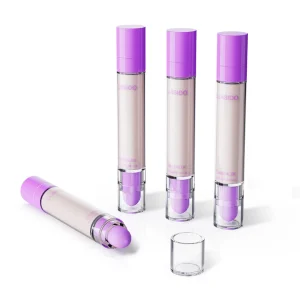
Printing and decoration also matter. Processes such as screen printing, hot stamping, coating, or other custom finishes may have their own setup needs and minimum runs. Stock packaging with simpler decoration can often reduce this issue.
For color cosmetics, also check whether the MOQ applies per product or per shade. For example, an order with several lipstick shades may require a minimum quantity for each shade rather than one MOQ for the full order.
In general, more customization means more variables to confirm. Ask the manufacturer to break down the MOQ for the formula, each shade, primary packaging, outer packaging, and decoration before you approve the order.
Don’t Compare Factory Price Alone
A factory quote is only one part of the cost of importing cosmetics from China. To compare suppliers fairly, calculate the estimated cost of getting compliant goods to your destination, not just the quoted price per unit.
A simple planning model is:
Landed Cost = Product + Packaging + Testing + Inspection + Freight + Duties/Taxes + Customs Costs
Not every project will include each cost in the same way. Freight depends on shipment size, weight, transport method, and route. Duties and taxes depend on the destination, customs value, product classification, and local import rules.
Also check what each quotation includes. One supplier may include packaging and basic decoration in the unit price, while another lists them separately. Testing, molds, samples, inspection, and freight may also be outside the quoted unit price.
For example, a lower-priced product may require a higher packaging MOQ or more expensive freight. Another quote may have a slightly higher unit price but lower setup or logistics costs. The second option can still have a lower landed cost.
The practical rule is simple: first make sure the quotations cover the same specifications and quality requirements. Then compare MOQ, unit cost, one-time costs, compliance costs, and estimated landed cost before choosing a supplier.
Step 7: Mass Production and Quality Inspection
Once the formula, sample, packaging, and order details are approved, mass production can begin. Quality control should continue through the production process, not only at the end. The goal is to keep each batch within the agreed specifications.
Control Quality During Production
Production normally starts with checking and weighing the approved raw materials. The materials are then mixed or processed according to the manufacturing procedure. Key process conditions should be controlled and recorded as required by the product.
After bulk production, the batch is checked against defined specifications before filling. Depending on the cosmetic, checks may cover appearance, color, odor, viscosity, pH, or other relevant properties.
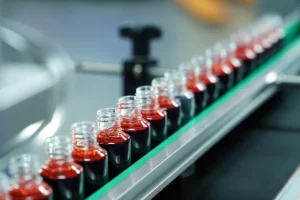
The approved bulk product is then filled into its primary packaging. During filling, the factory should control fill weight or volume and check for issues such as poor seals, damaged containers, or incorrect components.
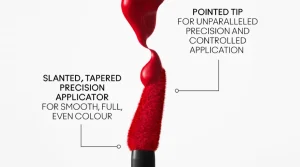
Next comes assembly and decoration. Caps, pumps, applicators, labels, cartons, and other parts are added as required. Printed information should match the approved artwork, including the product name, shade, and other variable information.
Finished goods are then inspected and packed into shipping cartons. Batch records and lot codes should allow the finished products to be traced back to the relevant production batch and materials.
Inspect Before Shipping
A pre-shipment inspection is the final physical check before the goods leave the factory. It does not replace production controls or laboratory testing, but it can identify visible defects, quantity errors, and packaging problems before shipment.
Start by comparing the finished goods with the approved sample and specifications. Check product consistency, quantity, packaging components, printing, and assembly. For color cosmetics, confirm that the correct shades and quantities are packed.
Inspect products for leakage, broken parts, loose caps, damaged cartons, poor printing, or other visible defects. Batch or lot information should also be present and consistent with the agreed production and traceability records.
Shipping cartons need attention as well. Check carton quantities, carton condition, product codes, and shipping marks against the packing requirements. Incorrect marks or quantities can cause problems during warehousing and delivery.
If defects are found, classify the issue before deciding what to do. Minor defects may require sorting or rework, while repeated defects may require a wider inspection and corrective action.
If an issue may affect product safety, legal compliance, or required specifications, hold the affected shipment until the cause is investigated and the problem is resolved. Shipping first and correcting the issue later can create much larger import and recall risks.
Step 8: Ship and Clear Your Cosmetics Through Customs
After production and inspection, choose a shipping method and prepare the documents for export and import clearance. The right method depends on shipment size, urgency, product type, destination, and cost—not simply on the lowest freight quote.
Air Freight or Sea Freight?
Air freight is usually faster and works well for smaller, lighter, or urgent shipments. However, freight rates are generally higher than sea freight, especially when cosmetics are packed in large or heavy commercial quantities.
Sea freight is generally more economical for larger shipments, but transit takes longer. It also requires more planning for port handling, customs clearance, and inland delivery. Compare total logistics cost and timing before choosing.
A simple decision rule is: use air freight when speed is the main concern and the shipment is relatively small; consider sea freight when volume is larger and the delivery schedule allows a longer transit time.
Cosmetics also need to be checked for transport restrictions. Liquids, powders, alcohol-containing products, aerosols, and some other formulations may need extra review before a carrier accepts them.
For example, some products may be classified as dangerous goods based on their ingredients, flash point, pressure, or other transport properties. Classification should be based on the actual product rather than assuming all cosmetics can ship under the same rules.
Before booking freight, give the freight forwarder accurate product details and any requested transport documents. This helps determine the correct shipping method, packing rules, labeling, and handling requirements.
Prepare Import Documents
The exact documents depend on the destination country, product, shipping method, and customs rules. Common shipping documents include a commercial invoice, packing list, and bill of lading for sea freight or air waybill for air freight.
The commercial invoice should clearly describe the goods, quantity, value, seller, buyer, and other required trade details. The packing list should match the actual shipment, including carton quantities, weights, and packing information.
A certificate of origin may also be needed in some cases. In addition, customs or local cosmetic authorities may request product or compliance documents based on the destination market and the type of cosmetics being imported.
Before shipment, check that the product description, quantities, values, and company details are consistent across the documents. Simple differences between the invoice, packing list, labels, and shipping records can lead to questions during clearance.
It is also useful to confirm the HS classification, duties, taxes, and importer requirements with a qualified customs broker or freight forwarder before the goods leave China. This reduces the chance of discovering a customs issue only after arrival.
How Long Does It Take to Import Cosmetics from China?
There is no single timeline for importing cosmetics from China. The total time depends on the formula, packaging, testing, order size, production schedule, shipping method, and destination-market requirements.
For planning purposes, the process can be divided into four main stages: product and sample approval → testing and packaging → mass production → shipping and customs clearance. Each stage should be confirmed with the manufacturer before placing the order.
Private-label cosmetics using an existing formula and stock packaging are generally faster. Since less product development is needed, the project can move to sampling, label review, production, and shipping sooner.
Custom products usually take longer. A new formula may need several sample rounds before approval. Custom bottles, tubes, compacts, colors, molds, or printing can also add time because packaging suppliers have their own production schedules.
Testing can affect the timeline as well. Stability, microbiological, compatibility, or other tests may be needed depending on the formula and target market. Some tests cannot be shortened without changing the purpose or quality of the test.
The most common delay points are:
Formula changes → testing → packaging customization → artwork approval → production → shipping
Artwork is an easy step to underestimate. If the ingredient list, claims, warnings, or other required information changes, packaging artwork may need another review before printing can begin.
Shipping time also varies widely. Air freight is usually faster, while sea freight takes longer. Customs clearance can add more time if documents are incomplete or if the shipment needs additional review.
For a more reliable launch plan, work backward from your required delivery date and add time for sample changes, testing, packaging, inspection, and shipping. Do not base the full project schedule only on the factory’s stated production lead time.
Final Takeaway
Importing cosmetics from China is easier to manage when each decision is made in the right order. A practical framework is: target-market compliance → qualified manufacturer → sample approval → testing and labeling → production QC → shipping and customs.

Guangdong AKIA Cosmetic Co., Ltd. has more than 40 years of cosmetic manufacturing experience and operates a 40,000 m² factory in Foshan, China. We support low-MOQ projects and efficient production for both startups and established brands.
Before requesting a quotation, prepare your product type, order quantity, packaging requirements, target market, and expected launch timeline. Contact us to discuss these details and determine the suitable manufacturing approach for your project.