
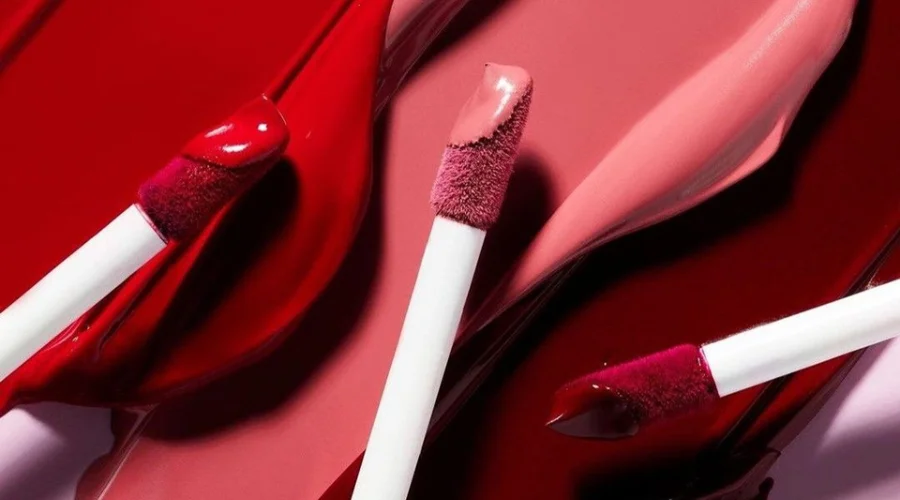
Wearing lip gloss every day might seem harmless—just a swipe of shine before heading out. But is it really safe to apply it so often? This question, while simple on the surface, opens the door to a deeper look at how daily habits affect our skin, our health, and even how products are made.
Before making it part of your routine, it’s worth asking: What’s in your lip gloss? How does your body respond to daily exposure? The answers matter more than you might expect.
Why this question matters more than you think
Lips are different from the rest of your skin. They’re thinner and lack oil glands, which makes them more sensitive to whatever you put on them—especially every day.
Imagine a student, Maya, who starts applying lip gloss during winter. After a week, her lips feel dry—so she applies more gloss. It becomes a cycle. The gloss looks good, but it’s not solving the real problem.
Dermatologists point out that repeated exposure to certain ingredients—like fragrances or preservatives—can slowly dry out or irritate the lips over time (American Academy of Dermatology, 2021). That’s why asking this question isn’t just about beauty—it’s also about biology.
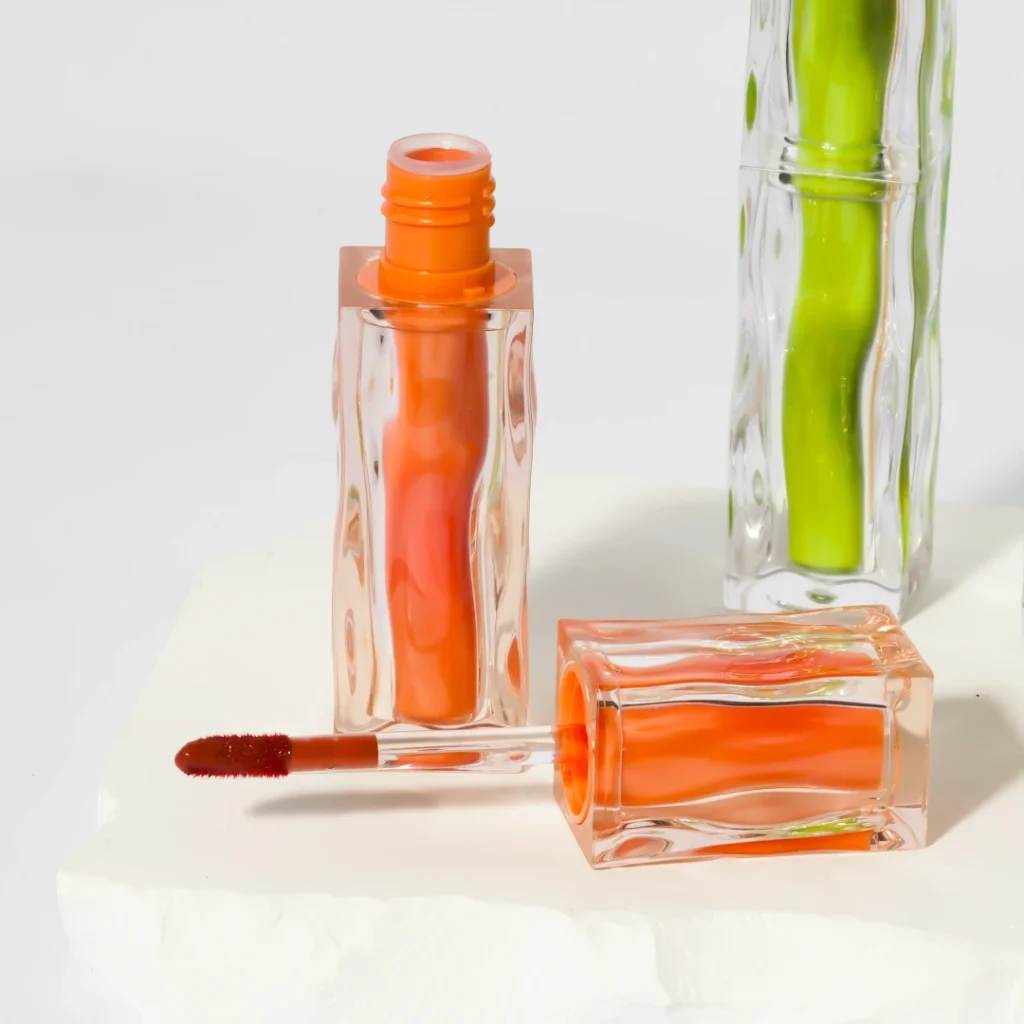
What sets lip gloss apart from other daily makeup habits
Unlike foundation or eyeshadow, lip gloss often gets reapplied multiple times a day. You talk, eat, drink, and then reapply. That’s more contact, more frequently.
Plus, lip gloss can be accidentally ingested in small amounts. A 2013 study from the Environmental Health Perspectives journal found that women who use lip products daily may unknowingly swallow small doses of parabens, synthetic oils, or pigments.
Also, glosses don’t always just sit on the surface. Some ingredients can absorb into the top layer of the skin—or even disrupt your natural moisture barrier when used too often without breaks.
In short, while lip gloss seems like a harmless part of your routine, it works differently than most makeup. And that’s why this question deserves more than a quick yes or no.
What Happens When You Apply Lip Gloss Every Day?
Putting on lip gloss is quick, easy, and often feels like part of getting ready—just like brushing your hair. But when you apply it every single day, your lips start to notice. Not just in the mirror, but at the cellular level too.
From how your lips feel right after applying it to how they react over weeks or months, daily use can create patterns—some helpful, some less so.
Short-term benefits: hydration, shine, and confidence
Right after applying gloss, lips usually feel softer and look smoother. Some glosses include ingredients like castor oil, shea butter, or glycerin, which can help trap moisture on the surface.
That’s part of why people love gloss—it makes lips feel pampered, even if only for a while.
For instance, a teenager named Elena wore clear lip gloss to school every day. She liked the way it made her lips sparkle in selfies. She even said it gave her a small confidence boost before class presentations.
There’s no denying gloss adds shine. And for many, that shine becomes a kind of daily armor.
Potential long-term effects on lip health
But the story can shift over time.
Some lip glosses contain alcohol-based ingredients or synthetic fragrances. While these feel smooth at first, they may slowly dry out the lips. Especially if you’re reapplying several times a day, every day.
A 2010 report by the Journal of Cosmetic Dermatology suggested that frequent use of gloss with certain preservatives could trigger mild inflammation or sensitivity in some users—especially those with reactive skin.
If your lips start peeling, stinging, or feeling tight even after you apply gloss, your body may be sending a message: something in the product isn’t working for you.
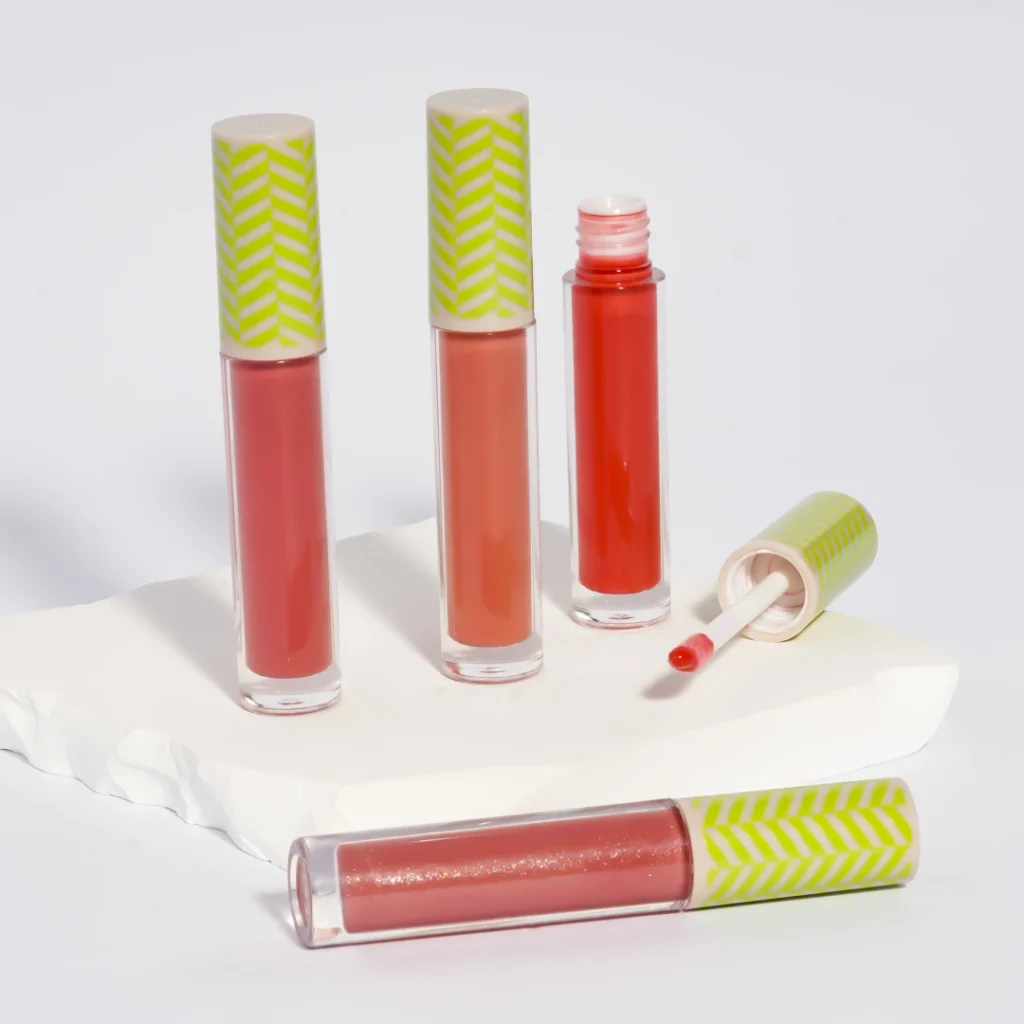
How daily gloss use interacts with your skin’s natural barrier
Your lips have a thin layer of skin called the stratum corneum. It helps hold in moisture and protect from outside irritants. Lip gloss sits on top of this layer—but it can affect how well it works.
Some glosses form an occlusive layer (think of a seal), which can help protect against dryness. Others, though, might trap dirt, food particles, or bacteria, especially if worn too long without cleansing.
Also, if you’re layering gloss over cracked lips, you’re not healing the issue—you might be sealing in irritation.
Daily use isn’t a problem for everyone. But if gloss is the only thing you apply, and you skip proper care—like gentle exfoliation or balm with SPF—your lips might struggle to stay healthy underneath all that shine.
The Science Behind Lip Gloss: What’s Really in It?
Lip gloss might look simple—a clear or tinted shine in a tiny tube. But every swipe contains a mix of chemicals, oils, and waxes designed to work together. Understanding what’s actually inside that gloss can help you make smarter choices, especially if you’re applying it every day.
Common ingredients and their purposes
Most lip glosses include five basic components:
- Emollients – These help lips feel soft and smooth. Common ones include castor oil, lanolin, and mineral oil.
- Thickeners – These give gloss its texture. Waxes like beeswax or synthetic polymers help it stay on your lips.
- Colorants and Pigments – For tinted glosses, dyes or mica provide color and sparkle.
- Preservatives – Ingredients like parabens or phenoxyethanol prevent bacteria from growing inside the tube.
- Fragrance and Flavor – These make the gloss smell or taste pleasant but are not always skin-friendly.
Each part has a job. But that doesn’t mean each one is good for every lip.
>> Is Lip Gloss Edible? Exploring Ingredients and Safety
Are there any hidden irritants in daily-use glosses?
Some ingredients seem harmless until they build up over time.
Take fragrance, for example. It’s one of the most common allergens in cosmetics. Even if your lips don’t react now, daily exposure could cause issues later. The American Contact Dermatitis Society lists fragrance as a top irritant in lip products.
Another hidden problem? Menthol or camphor. These are often added for a cooling or tingling effect. But for sensitive users, they can dry out lips or trigger flaking.
Even glosses with SPF may include chemical UV filters like oxybenzone, which some dermatologists warn may cause mild irritation with repeated use (Source: FDA Consumer Updates, 2020).
If your lips keep peeling or feel itchy after use, it might not be “just winter air.” It could be your gloss.
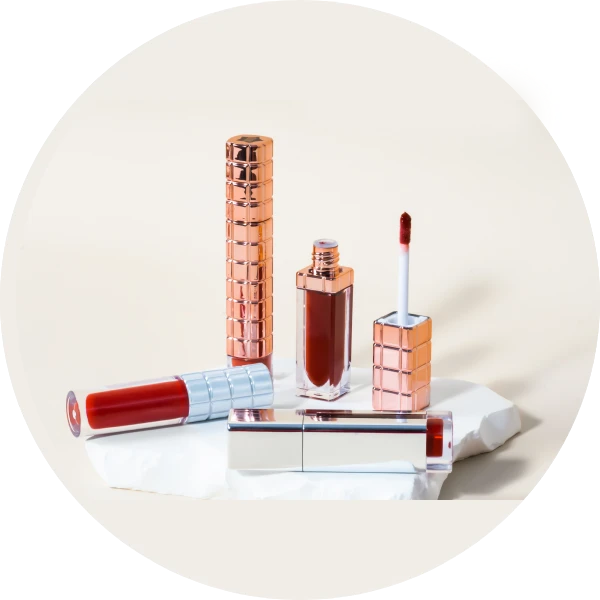
Gloss formulas: petroleum-based vs. water-based vs. natural oils
Not all glosses are made the same.
- Petroleum-based glosses are thick, long-lasting, and common. They create a seal over your lips, which can trap moisture—but also trap dirt or irritants if you don’t cleanse well.
- Water-based glosses feel lighter and absorb more quickly, but they may evaporate faster, especially in dry air.
- Natural oil-based glosses use things like jojoba, coconut, or almond oil. These feel nourishing but may go rancid faster without strong preservatives.
There’s no “perfect” base. Each type has pros and cons. But if you’re using lip gloss every day, it helps to know what your base is doing—both on the surface and below it.
Is Daily Lip Gloss Use Safe for All Skin Types?
Lip gloss is often seen as a universal product—shiny, smooth, easy to apply. But lips aren’t one-size-fits-all. Some are naturally dry. Some crack easily. And for people with skin conditions, even the smallest ingredient can cause trouble.
Before making lip gloss part of your everyday routine, it’s worth asking: is it safe for your skin type?
How different lip types react
People with dry lips may enjoy the instant moisture gloss seems to offer. But if that gloss lacks real hydration—like humectants or nourishing oils—the relief may not last. In fact, it could make dryness worse.
Sensitive lips tend to react more strongly to fragrances or preservatives. A small amount of gloss might cause tingling, redness, or peeling—especially with flavored or scented products.
Chapped lips are already damaged. Applying gloss over broken skin may trap bacteria or block healing. Instead of soothing, it might sting or create a sticky layer that worsens the cracks.
A student named Jonah once used his sister’s shimmer gloss during winter. His lips, already chapped, became swollen by day two. It wasn’t the shimmer—it was the added cinnamon oil, a common irritant.
What people with allergies or eczema need to watch out for
For those with eczema, atopic dermatitis, or contact allergies, lip gloss can be risky—especially if you’re not checking the label.
Watch for these red flags:
- Fragrance/parfum – Often contains hidden allergens
- Lanolin – Natural, but not tolerated by everyone
- Preservatives – Such as parabens or formaldehyde releasers
- Essential oils – Even “natural” ones like citrus or mint may trigger reactions
According to a 2019 American Academy of Dermatology report, allergic contact cheilitis (lip inflammation caused by allergens) is often traced back to cosmetics—including glosses.
If your lips burn or itch after using gloss, stop immediately and switch to a plain, unscented balm while you assess ingredients. A patch test by a dermatologist can also help pinpoint what’s causing the reaction.
Can Applying Lip Gloss Every Day Damage Your Lips?
Lip gloss feels harmless. It’s light, shiny, and easy to wear. But using it daily doesn’t always lead to soft, happy lips. In some cases, it can actually do the opposite.
Let’s look at how gloss can sometimes work against your lips—especially when it becomes part of your daily routine.
When gloss causes dryness instead of hydration
Gloss is designed to look wet. But that doesn’t mean it keeps lips hydrated.
Some formulas sit on the surface without soaking in. If they don’t include true moisturizers—like glycerin, hyaluronic acid, or shea butter—your lips may feel dry underneath.
Petroleum-based glosses can seal in moisture, but they can also block air and trap dead skin. That makes exfoliation harder and may leave lips feeling even drier over time.
It’s a bit like covering cracked soil with plastic wrap—it hides the issue but doesn’t fix it.
Signs your lips are reacting negatively
Not all damage is dramatic. Watch for subtle clues your gloss isn’t helping:
- Lips feel tight or itchy after gloss wears off
- Peeling skin, especially at the corners
- A tingling or burning sensation when you apply
- Small bumps or redness along the lip line
These may point to irritation or a mild allergic reaction. It could be caused by a single ingredient or the buildup from daily use.
A high school student once told me she kept reapplying her favorite gloss every hour because her lips felt dry. It turned out the gloss had added menthol, which gave a cooling feel—but also stripped her skin’s natural oils.
How overuse can affect natural lip texture
Lips have no oil glands. They rely on external care for moisture. If you use gloss too often—especially one with drying alcohols or flavor oils—it may disrupt this balance.
Over time, this can lead to:
- Flakier lips
- Reduced elasticity
- Tiny cracks or rough patches
Constant layering can also keep lips from “breathing”—not literally, but in the sense of trapping heat and sweat, which can weaken your skin barrier.
If your lips are starting to look dull or feel rough even with gloss on, it might be time to take a break and switch to a nourishing balm.
How to Use Lip Gloss Every Day Without Harming Your Lips
Wearing lip gloss daily isn’t automatically bad. But how you prep, apply, and care for your lips makes all the difference. Just like skin needs a routine, lips need one too—especially if gloss is your go-to.
Think of it like brushing your teeth: a little maintenance goes a long way.
Prepping your lips: exfoliation and moisture barriers
Before you swipe on gloss, check the surface. If your lips are flaky or rough, gloss won’t sit well—and worse, it may highlight dry patches.
Start with gentle exfoliation. You don’t need anything fancy. A clean, damp washcloth or a soft toothbrush works well. Use light, circular motions. No scrubbing.
After exfoliating, always apply a moisture barrier—a balm or serum with hydrating ingredients like:
- Hyaluronic acid
- Shea butter
- Squalane
- Beeswax or plant wax
This base layer locks in water and protects your lips from any drying ingredients in the gloss. Gloss should go on after this layer, not instead of it.

Best practices for applying gloss safely and effectively
Less is more. Here are some simple but effective habits:
- Don’t over-layer: One coat is enough. Too much traps heat and debris.
- Use clean applicators: Especially if double-dipping into pots or tubes.
- Skip gloss when lips are cracked: Let them heal first.
- Avoid licking your lips: Saliva dries them out.
If your gloss has a plumping or tingling effect, use it every other day instead of daily. These products often contain ingredients that can stress your skin barrier over time.
Fun tip: Some people apply a thin balm first, then dab a little gloss only in the center of the lips. This keeps shine without full coverage, reducing exposure.
Night care routines to balance out daily use
Night is recovery time—for skin and lips. After removing gloss, clean your lips gently with water or a fragrance-free wipe.
Then use a rich, nourishing balm. Look for products with:
- Ceramides
- Castor oil
- Vitamin E
- Aloe vera
If your lips feel especially dry, consider using an overnight lip mask once or twice a week. It works like a moisturizer does for your face—restoring what the day may have stripped away.
Even lip gloss lovers need rest. Your lips will thank you in the morning.
Is It OK to Apply Lip Gloss Every Day If You’re Outdoors or in Dry Weather?
If you spend a lot of time outside—walking to school, biking to work, or just enjoying the sun—your lips face extra stress. Dry air, wind, and UV rays can all affect how lip gloss behaves.
So, is daily gloss still safe in these conditions? Yes, but with a few smart choices.
How environmental conditions affect gloss performance
In dry or windy weather, lip gloss may not do what you expect. It can:
- Evaporate faster, especially if it’s water-based
- Attract dust and pollen, making lips feel sticky
- Offer little protection from cold air or heat
In hot sun, some glosses may even cause slight irritation if they contain peppermint oil, citrus, or alcohol-based scents. These ingredients can dry out lips when exposed to heat.
One teen I worked with used a cherry gloss while hiking. She ended up with red, itchy lips—not from the color, but from the added fragrance reacting with the sun.

Choosing the right gloss for seasonal or daily exposure
Not all glosses are made for the outdoors. Here’s what to look for:
- In cold or dry air: Go for thicker, balm-style glosses. These last longer and form a better seal.
- In hot weather: Use light, oil-based glosses with simple ingredients. Avoid menthol, camphor, or synthetic fragrance.
- In wind: Choose glosses with fewer sticky additives. A thinner layer helps avoid grit sticking to your lips.
Also, check if the gloss is labeled “moisturizing” or “hydrating”—and scan the ingredient list for real humectants or oils like jojoba, coconut, or sunflower seed oil.
Sun protection and gloss: what you need to know
Lip gloss can increase sun sensitivity. Shiny surfaces reflect more light, which may lead to faster UV damage.
That’s why dermatologists often recommend using gloss with SPF if you’ll be outside for more than 20 minutes. According to the American Academy of Dermatology, lips need just as much sun care as the rest of your skin (AAD.org, 2023).
If your gloss doesn’t contain SPF, apply a lip sunscreen first—SPF 15 or higher—then layer gloss on top.
For example, on beach days, I always prep lips with a clear balm containing SPF 30, then dab a light gloss over it. It keeps the shine without sacrificing protection.
My Professional Opinion: Do I Recommend Daily Lip Gloss to Clients?
After years in the makeup chair, I’ve seen all kinds of lip gloss habits. Daily use isn’t inherently bad, but it depends on the product, skin type, and care routine.
Real-life experiences from the makeup chair
Many clients love the quick shine and boost lip gloss gives. Some wear it every day and keep their lips healthy by prepping and hydrating well. Others come back with dryness or irritation after heavy use, especially if they pick cheap or heavily fragranced glosses.
One client who worked outdoors daily found her lips cracked after months of gloss use without balm underneath. Switching her routine made all the difference.
Why lip gloss is part of—but not all of—a good routine
Lip gloss adds shine and a fun pop to your look, but it can’t replace basic lip care. Hydration, exfoliation, and sun protection are key. I encourage clients to see gloss as the final step, not the whole routine.
Gloss without proper prep can mask problems instead of fixing them. Over time, this may lead to more damage or discomfort.
Situations where I advise against daily use
I generally advise against daily lip gloss use for people who:
- Have very dry, chapped, or sensitive lips
- Are prone to allergic reactions or eczema on the lips
- Use glosses with irritating ingredients like alcohol or synthetic fragrances
- Spend long hours in harsh environments without proper lip care
For these clients, I suggest switching to nourishing balms or treatments and saving gloss for special occasions.
Final Thoughts: Is It OK to Apply Lip Gloss Every Day? Yes, But with Care
The question “Is it OK to apply lip gloss every day?” has no one-size-fits-all answer. It’s about balance—between beauty and health.
From a scientific standpoint, daily lip gloss can be safe if you choose formulas without harsh chemicals and support your lips with good care. As a makeup artist, I see gloss as a tool—not a cure. It enhances your look but needs a healthy foundation.
The secret is in the routine: prep, protection, and recovery. Use gentle exfoliation, hydrating balms, and sun protection. Pick glosses with nourishing ingredients and avoid irritants.
Remember, less is often more. Light layers and breaks can keep lips happy. With this approach, you can enjoy the shine and confidence gloss brings—every day, safely.