
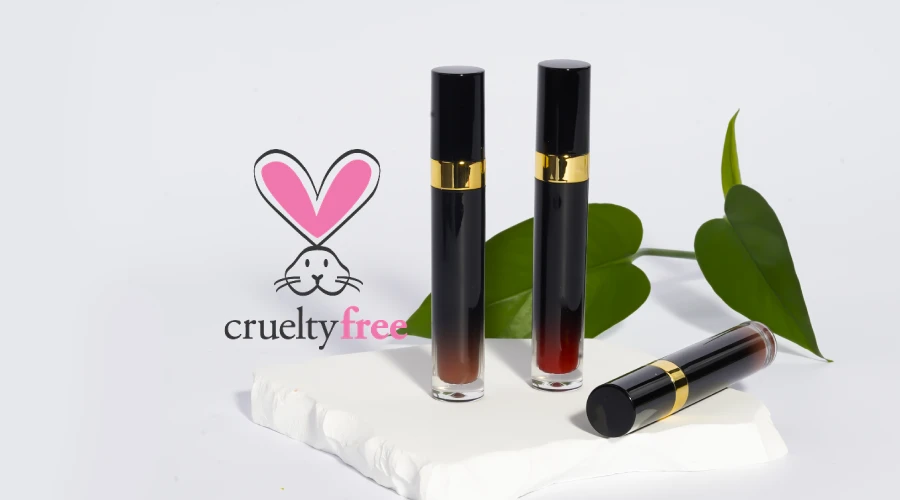
Lip gloss has been part of beauty routines for decades, admired for its effortless shine. But beyond its glossy surface, it’s a carefully crafted cosmetic product. To understand whether it’s good or bad for your lips, we first need to look at what lip gloss truly is — its structure, how it works, and what’s inside it.
The Basic Composition of Lip Gloss
At its core, lip gloss is a mixture of oils, waxes, and emollients. These ingredients give it that slick, reflective finish while helping it spread smoothly over the lips. Unlike thicker lipsticks, glosses have a higher oil-to-wax ratio, which makes them feel lighter and more fluid.
The texture and shine depend on how these components interact. Some glosses use mineral oils for a glassy effect, while others rely on plant-based alternatives like jojoba or castor oil. These elements don’t just add gloss—they influence how long the product stays on your lips and how it feels throughout the day.
How Lip Gloss Differs from Lip Balm and Lipstick
Lip gloss sits somewhere between lip balm and lipstick. Lip balm is made mainly for protection and hydration, while lipstick focuses on color and coverage. Lip gloss, however, offers minimal tint but high shine. It’s cosmetic in nature, though it can contain moisturizing elements.
For example, a clear gloss might seem like a balm, but it often lacks the waxy layer that seals in moisture. Meanwhile, a pigmented gloss might resemble a sheer lipstick, but its film is thinner and more reflective. Each serves a unique purpose in lip care and beauty, and understanding the differences helps you use them wisely.
Common Ingredients Found in Lip Gloss Formulas
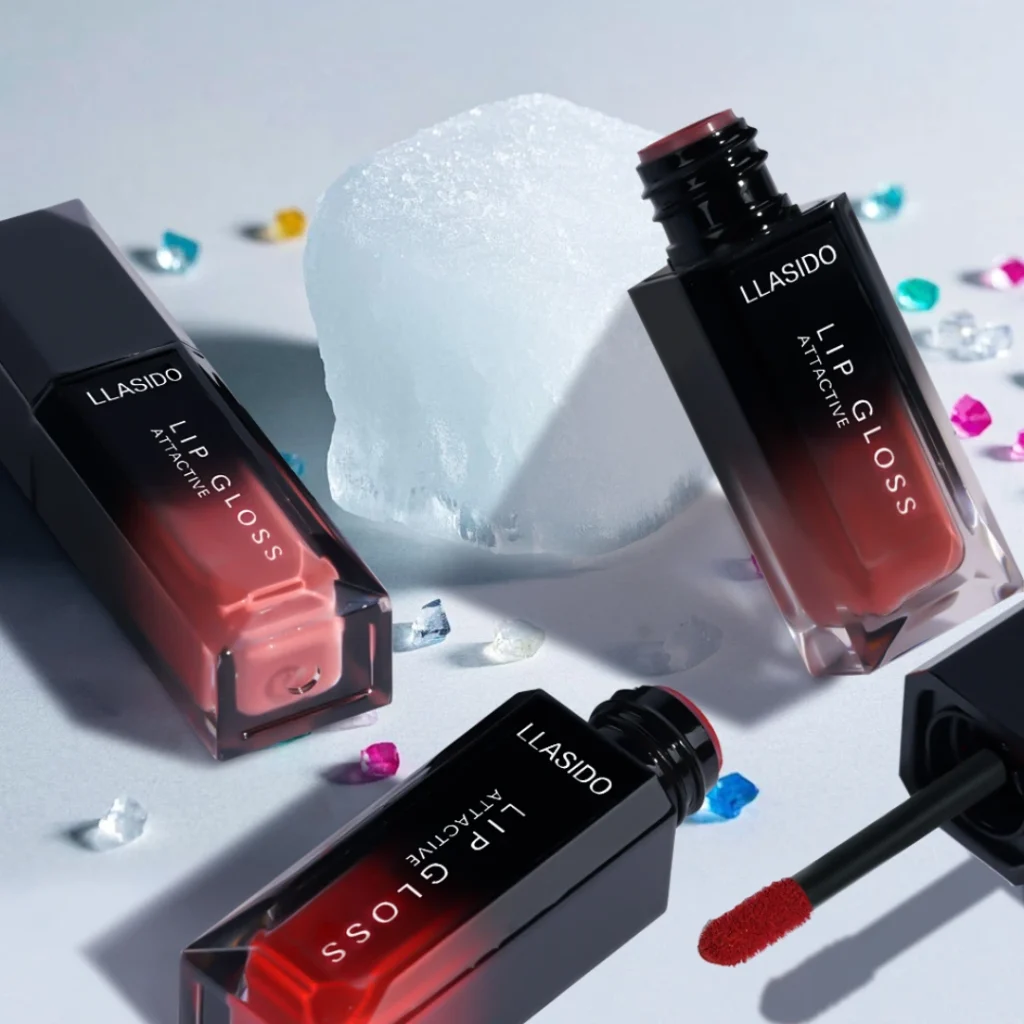
Modern lip gloss formulas vary widely, but most include emollients like lanolin, shea butter, or synthetic esters to soften lips. Thickeners such as beeswax or microcrystalline wax give body to the formula, while pigments or pearlescent particles add color and shimmer.
Some glosses use silicone-based ingredients like dimethicone for a smooth, non-sticky finish. However, overuse of silicones or volatile oils may lead to dryness if the product is worn constantly. According to research published in the Journal of Cosmetic Science (2020), prolonged exposure to certain lip ingredients without hydration can reduce the natural lipid layer of the lips.
In short, lip gloss is more than just a shiny coating. It’s chemistry in motion — a delicate mix designed for both beauty and texture, balancing pleasure with performance.
The Science Behind How Lip Gloss Affects Your Lips
Lip gloss doesn’t just sit on the surface — it interacts with the delicate skin of your lips. Its ingredients can either support hydration or lead to dryness, depending on their balance and quality.
The Role of Oils, Waxes, and Emollients in Lip Health
The main purpose of oils, waxes, and emollients in lip gloss is to create a smooth barrier that locks in moisture. Oils like castor, coconut, or mineral oil provide glide and shine, while waxes — such as beeswax or candelilla — add structure, making the gloss stay longer.
However, not all oils are equally beneficial. Some lightweight synthetic oils evaporate too quickly, leaving lips feeling dry afterward. Natural emollients, on the other hand, tend to mimic the skin’s own lipids, creating a protective film that helps prevent moisture loss. The right combination can keep lips soft without feeling sticky or heavy.
How Lip Gloss Creates Moisture or Dryness
Lip gloss can feel hydrating because it traps water on the lip surface. Yet, it doesn’t always add actual moisture. When glosses rely on volatile oils or alcohol-based ingredients, they may give instant shine but slowly strip the lips’ natural oils.
For instance, someone who reapplies lip gloss several times a day may notice their lips peeling or flaking. This isn’t always due to the gloss itself but to the imbalance it creates — coating the lips without allowing them to breathe. A 2019 dermatology review from Clinical, Cosmetic and Investigational Dermatology noted that repeated use of occlusive products without exfoliation can interfere with natural cell turnover.
The Impact of Long-Term Use on Lip Texture
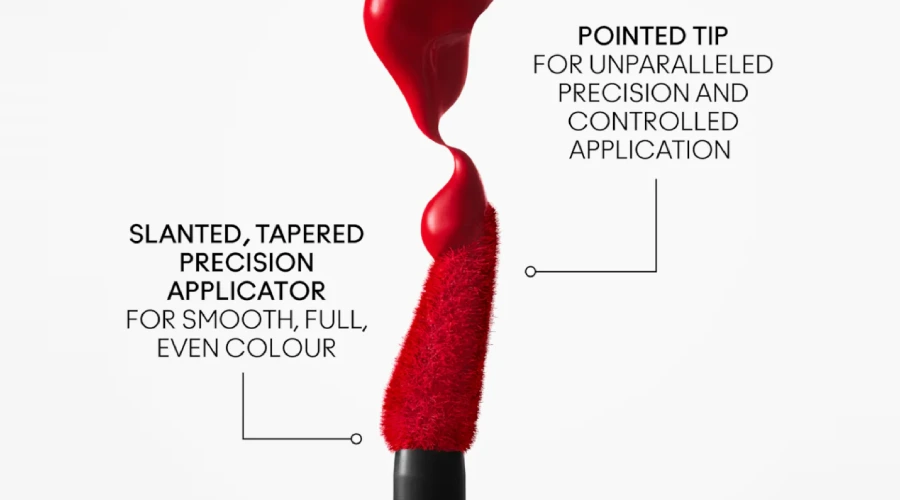
Over time, constant gloss application can subtly alter lip texture. Some people experience smoother lips because of emollient-rich formulas, while others see fine lines becoming more visible from dehydration. The outcome depends on the gloss’s ingredients and your overall lip care routine.
Imagine a college student who wears high-shine gloss daily but skips lip balm or exfoliation. After a few weeks, the shine remains, but the lips feel rough underneath. This small example shows how surface gloss can mask deeper dryness — a common effect of overuse. Maintaining balance through hydration, rest days, and gentle care is key to keeping lips healthy beneath the gloss.
The Good Side — Benefits of Using Lip Gloss
Lip gloss isn’t just about appearance. When created with balanced, skin-friendly ingredients, it can play a small but useful role in lip health. Some formulas provide a barrier that locks in moisture, shields from wind or sun, and keeps lips smooth.
Hydration and Softness When Formulated Correctly
When a lip gloss includes natural emollients like jojoba oil, shea butter, or lanolin, it can mimic the skin’s lipid layer. This slows water loss and helps lips stay supple. A 2021 study in the International Journal of Cosmetic Science found that oils with high fatty acid content can reduce transepidermal water loss on lip tissue.
However, not every gloss hydrates equally. Some contain humectants like glycerin, which draw moisture from the air to the lips. Combined with occlusive agents like waxes, this creates a balanced formula that leaves the lips soft, rather than greasy.
Protection Against Environmental Damage
Lips have thinner skin and lack sweat glands, making them more vulnerable to harsh weather. Gloss can act as a temporary shield, reducing direct contact with wind and pollutants. A light, wax-based gloss can even deflect UV rays if paired with SPF ingredients.
In colder climates, this barrier becomes especially valuable. For instance, skiers often notice their lips staying smoother when they wear thicker gloss formulas on the slopes. It’s not a replacement for lip balm, but it can offer short-term environmental defense.
Psychological and Aesthetic Benefits of Glossy Lips
The shine of lip gloss often has a psychological impact. Glossy lips are associated with health, youth, and vitality. For many, applying lip gloss feels like a confidence ritual — a small act of self-expression that brightens both the face and the mood.
In social and creative settings, that shimmer can make a difference. Whether it’s a teenager preparing for a school dance or a professional heading to a meeting, the ritual of applying gloss can feel grounding — a reflection of self-care wrapped in a layer of shine.

The Bad Side — When Lip Gloss Might Harm Your Lips
While lip gloss can enhance appearance and even offer mild protection, it’s not without risks. Some formulas contain drying ingredients or fragrances that can irritate sensitive lips. Overuse or poor hygiene habits can also turn this beauty staple into a cause of discomfort. Knowing the pitfalls helps avoid unnecessary lip problems.
Drying Agents and Potential Irritants to Watch For
Some glosses use volatile oils, alcohol, or menthol to achieve quick shine or a “tingling” plumping effect. These may feel refreshing but can dehydrate the lips over time. Synthetic fragrances and certain pigments can also trigger irritation or mild inflammation.
For instance, a gloss with cinnamon or peppermint oil might seem stimulating, but dermatologists warn these additives can damage the lip barrier if used too often. Checking ingredient lists for common irritants is the simplest step toward prevention.
The Problem with Overuse and Poor Lip Hygiene
Applying lip gloss repeatedly without cleansing can lead to buildup, trapping dirt or bacteria. This not only dulls lip texture but may also cause small breakouts around the mouth area. Sharing glosses — a common habit among teens — increases the risk of bacterial transfer.
Proper removal is essential. Using a gentle makeup remover or micellar water at the end of the day allows lips to “breathe.” Like any cosmetic, gloss benefits from moderation and clean habits.
Allergic Reactions and Sensitivity Risks
Some individuals develop mild allergic reactions to ingredients like lanolin, artificial dyes, or flavoring agents. Symptoms may include redness, itching, or slight swelling. Dermatologists often see these reactions in users who switch between multiple gloss brands quickly.
Patch testing new products can help prevent surprises. If irritation occurs, stopping use immediately and switching to a hypoallergenic option usually resolves symptoms. Lip skin is delicate — even small irritants can create visible discomfort when ignored.
>> Why Do Girls Put On Lip Gloss? The Fun Reasons Behind
Comparing Lip Gloss Types
Not all lip glosses are created the same. While they share a glossy finish, their ingredients, texture, and purpose can differ widely. From lightly tinted versions to clear, high-shine formulas and even plumping glosses that tingle on contact, each type interacts with the lips in its own way.

Tinted Glosses and Added Pigments
Tinted lip gloss combines the shine of a gloss with the light color payoff of a lipstick. These pigments can range from soft pinks to deep reds, often suspended in a translucent base. While they add visual warmth and definition, pigments may also introduce potential irritation if not well-formulated.
Some tinted glosses use iron oxides or plant-derived dyes for subtle color. Others rely on synthetic pigments to enhance vibrancy. According to the Journal of Cosmetic Dermatology (2020), colorants with heavy metals or unstable compounds can increase lip sensitivity when used long-term. Choosing pigment-stable formulas minimizes this risk while keeping the gloss smooth and safe.
Clear Glosses and Their Simpler Base Formulas
Clear lip gloss is often the most basic — and arguably the most versatile — type. It’s typically free of colorants and relies on oils, waxes, and polymers to deliver shine. Because of its minimal formulation, it’s less likely to cause pigment-related irritation and is commonly used as a layering product over lip balm or lipstick.
However, simplicity doesn’t always mean harmless. Some clear glosses depend heavily on synthetic oils or silicone compounds to achieve long wear. These can sometimes feel drying after prolonged use, especially without a hydrating base underneath. Still, for users with sensitive skin, a well-formulated clear gloss often provides the safest and most neutral option.
Plumping Lip Glosses and the Role of Active Ingredients
Plumping lip glosses use mild irritants or active compounds to temporarily increase lip volume. Ingredients like menthol, capsaicin, or niacin create a tingling sensation that slightly boosts blood flow, giving the illusion of fuller lips.
While visually effective, these active ingredients can disrupt the lip barrier when overused. A 2018 review in Dermatitis Journal found that repetitive stimulation from plumping agents may lead to dryness or sensitivity over time. For occasional use, though, most dermatologists consider them safe — as long as users are aware of their stimulating effects and use them sparingly.
In the end, the best lip gloss type depends on your skin’s tolerance and your purpose. A tinted gloss adds color, a clear gloss highlights natural shine, and a plumper gloss gives instant fullness — but all should be applied with awareness, not habit.
Expert Insights: Dermatologists on Lip Gloss Safety
Dermatologists view lip gloss as a cosmetic tool that can be both beneficial and risky, depending on how it’s used. The skin on the lips is thinner than most other areas of the face, which makes it more sensitive to ingredients, temperature changes, and repeated product layering. Experts emphasize moderation, proper care, and ingredient awareness as the keys to safe, everyday gloss use.

What Skin Experts Say About Daily Lip Gloss Use
Most dermatologists agree that using lip gloss daily is safe — as long as the formula is gentle and the lips are kept clean and hydrated. According to Dr. Shari Marchbein, a board-certified dermatologist cited by the American Academy of Dermatology (AAD), gloss itself doesn’t harm lips; it’s neglecting hydration and proper cleansing that causes issues.
Experts often recommend alternating between gloss and moisturizing lip balm, especially during colder months. This helps maintain a healthy moisture barrier while preventing build-up from long-wear glosses. In short, daily use isn’t the problem — daily care is.
Ingredients Dermatologists Recommend Avoiding
Several ingredients found in lip gloss can irritate sensitive lips or dry them over time. Dermatologists often caution against products containing menthol, camphor, or phenol — common in plumping or flavored glosses. These substances may create a cooling sensation but can strip natural oils.
Fragrances, alcohol-based solvents, and certain dyes (like FD&C Red No. 40) are also frequent culprits for allergic reactions. A 2022 study in the Journal of Clinical and Aesthetic Dermatology noted that these additives can cause contact cheilitis, a form of lip inflammation, especially with repeated exposure. Reading ingredient labels carefully can prevent unnecessary irritation.
Tips from Professionals for Safe Gloss Application
Dermatologists recommend a few simple habits for keeping lips healthy while using gloss. First, exfoliate once or twice a week with a mild scrub or damp cloth to remove dead cells. Then, apply a nourishing balm before gloss to form a moisture buffer.
Avoid licking your lips, as saliva can worsen dryness under gloss. And always remove gloss thoroughly before sleeping to allow the skin to repair overnight. For added protection, look for glosses that include SPF 15 or higher — the lips are prone to UV damage, yet often overlooked in sun care routines.
In the words of Dr. Mona Gohara from Yale School of Medicine, “Lip gloss isn’t the issue — neglect is. With proper balance and awareness, it can be both safe and beautiful.”
Maintaining Lip Health While Using Lip Gloss
Even the best lip gloss won’t keep your lips healthy if your daily habits don’t support it. Lip care is about more than just shine — it’s about maintaining balance. Regular exfoliation, hydration, and mindful product choices help keep lips smooth and resilient. Dermatologists emphasize that proper care ensures gloss remains a beauty enhancer, not a barrier to lip health.
Exfoliation and Lip Care Routines
Lips, unlike other skin areas, lack oil glands, which makes them prone to flaking. Gentle exfoliation removes dead skin cells and improves gloss application. Experts suggest using a soft toothbrush or a sugar-based lip scrub once or twice a week. Over-exfoliating, however, can cause irritation or microtears.
After exfoliating, apply a moisturizing balm or serum to restore the lipid barrier. This step locks in hydration and creates a smooth surface for gloss. As dermatologist Dr. Michele Green notes, “Healthy lips hold color better — care is the real secret to lasting shine.”

Choosing Gentle and Moisturizing Formulas
The key to comfortable gloss wear is choosing formulas that nourish rather than dry. Look for hydrating ingredients such as shea butter, castor oil, or hyaluronic acid. These compounds attract and retain moisture, reducing the risk of cracking.
Avoid glosses with strong fragrances, alcohol, or menthol, which can cause dryness or irritation. A 2023 Dermatologic Therapy review highlighted that emollient-based glosses create a protective layer that seals hydration, unlike thinner, volatile formulations that can evaporate quickly.
When to Take a Break from Lip Gloss
Sometimes, your lips simply need rest. If you notice persistent dryness, peeling, or redness, dermatologists recommend pausing gloss use for a few days. During this time, apply a plain, fragrance-free balm to restore balance.
Frequent gloss wearers—especially those who favor plumping or tinted varieties—should schedule “lip rest” days each week. This practice allows the skin to breathe and regenerate naturally. Think of it as a reset button for your lips — one that keeps your gloss routine enjoyable and safe in the long run.
How Climate, Diet, and Habits Influence Lip Gloss Effects
The way lip gloss interacts with your lips isn’t only about its ingredients — it’s also shaped by your environment and lifestyle. Climate, hydration, and daily routines all play a part in how well your lips stay healthy beneath that layer of shine. A balanced approach to care can help your gloss look and feel better, no matter where you live or what your habits are.
The Role of Humidity and Sun Exposure
Weather can make or break how lip gloss performs. In dry or cold climates, moisture evaporates faster, which can cause lips to crack even under gloss. Humid air, on the other hand, helps maintain hydration, making gloss feel smoother and longer-lasting.
Sun exposure is another hidden factor. Gloss can act like a magnifier, increasing UV penetration if it lacks SPF. Dermatologists often warn that UV damage leads to premature lip aging and discoloration. Choosing a gloss with built-in sun protection or layering it over a lip balm with SPF helps maintain both beauty and health under the sun.
>> Is It OK to Lick Lip Gloss? Everything Beginners Should Know
Hydration and Nutrition for Lip Skin Health
No amount of gloss can fix dehydration. Lips reflect your internal hydration levels, so drinking enough water is key. When the body lacks moisture, lips lose volume and elasticity, making gloss settle unevenly.
Nutrition matters too. Vitamins like B2, B6, and E support skin regeneration, while omega-3 fatty acids keep the lip barrier soft and flexible. A balanced diet rich in fruits, nuts, and fish provides the nutrients your lips need to recover from environmental stress. As one nutritionist put it, “Healthy lips start from the inside, not the makeup bag.”
Lifestyle Habits That Can Offset Lip Gloss Damage
Simple daily choices can either support or sabotage your lip gloss routine. Constantly licking your lips or biting them removes natural oils and breaks down gloss layers, leading to dryness. Smoking and excessive caffeine intake can also dehydrate the lip area, amplifying irritation.
Small adjustments — like using a humidifier indoors, applying gloss only on clean lips, and removing it gently before bed — make a big difference. Even allowing “lip recovery nights” without any products gives the skin time to repair. In short, glossy lips stay beautiful when your everyday habits work with your body, not against it.
Sustainable and Safe Lip Gloss Formulations in Modern Cosmetics
The cosmetics world is changing fast. More brands and researchers are focusing on how to make lip gloss safer for both people and the planet. From plant-based waxes to recyclable packaging, today’s lip products reflect a growing awareness that beauty should not come at the cost of health or the environment.
The Move Toward Eco-Friendly and Non-Toxic Glosses
In the past, many lip glosses contained petroleum-based ingredients and synthetic additives that weren’t always skin-friendly or sustainable. Now, many formulators are turning to natural oils like jojoba, coconut, and castor as alternatives. These plant oils mimic the texture and shine of traditional glosses while reducing reliance on non-renewable resources.
Manufacturers are also rethinking packaging. Biodegradable tubes and refill systems are becoming more common, especially as consumers look for products that align with environmental values. This shift isn’t just about marketing — it reflects a deeper commitment to safety and sustainability in cosmetic science.

Understanding Labels: Cruelty-Free, Vegan, and Clean Beauty
Modern lip gloss packaging often comes with labels like “cruelty-free,” “vegan,” or “clean.” Each term has a specific meaning, though they’re often confused. “Cruelty-free” means the product wasn’t tested on animals, while “vegan” indicates it contains no animal-derived ingredients, such as beeswax or lanolin.
“Clean beauty,” however, is less regulated and varies by brand. Generally, it suggests that the product avoids certain controversial chemicals like parabens, phthalates, and synthetic fragrances. Consumers should always read ingredient lists carefully, as these labels alone don’t guarantee a formula’s safety or effectiveness — but they do signal progress toward transparency in the beauty industry.
How Regulatory Standards Ensure Lip Product Safety
Every lip gloss sold in the U.S. and many other countries must meet strict cosmetic safety standards. The FDA (U.S. Food and Drug Administration) and similar international agencies regulate color additives, ingredient purity, and labeling accuracy to protect consumers.
Manufacturers must ensure that their gloss formulas are non-toxic and stable under normal use. Ingredients that contact the mouth area undergo additional scrutiny since accidental ingestion can occur. According to FDA Cosmetic Ingredient Review reports, most modern glosses are considered safe when used as intended, provided they meet established purity and concentration limits.
As technology advances, regulations continue to evolve — guiding companies to innovate responsibly while keeping that beloved glossy finish both safe and sustainable.
Conclusion
Lip gloss can enhance appearance while offering mild hydration and protection, but its effects depend on ingredients, climate, and habits. Balanced use, careful product selection, and proper lip care ensure glossy lips stay healthy, comfortable, and vibrant without long-term damage.
>> Which Is Better, Lip Oil or Lip Gloss? What’s the Difference?