
Before comparing which one is better, it’s worth knowing what these two products really are. Both add color to the lips, but they’re made differently and used in different ways. Understanding their ingredients, form, and feel helps make sense of the debate.
What Is Liquid Lipstick Made Of?
Liquid lipstick is often water- or oil-based, with pigments and film-forming agents that help it dry down and stay put. Many formulas include isododecane for a lightweight feel, silicones for smoothness, and polymers for long wear. Some also contain alcohol to speed up drying.
Unlike creamy lipsticks, liquids often come with higher pigment loads. This makes them more intense. But since they dry quickly, they can be less forgiving during application.
Composition of Traditional Bullet Lipstick
The classic bullet lipstick usually blends waxes (like beeswax or carnauba), emollients (like castor oil), and pigments. These sticks are solid at room temperature and melt slightly on the lips, giving a creamy texture. Their structure allows for easier layering and touch-ups.
Some traditional lipsticks include added ingredients like lanolin or shea butter for softness. But they tend to transfer more easily and wear off with food or drink.

Key Differences in Texture and Application
Liquid lipsticks go on wet but dry to a matte or semi-matte finish. They often require a steady hand, as they set fast and may flake if layered too much. Precision is key—especially with bold colors.
Bullet lipsticks, on the other hand, are softer and creamier. You can swipe, blot, and reapply without much fuss. They’re better for quick touch-ups and don’t usually need a mirror for reapplication.
In short, liquid lipsticks feel like paint; bullet lipsticks feel like balm. And that small shift in texture can change everything from comfort to confidence.
Longevity and Wear: Which Lipstick Lasts Longer?
Lipsticks don’t all fade the same way. Some last through lunch. Others disappear before the first sip of coffee. What gives one more staying power than the other? The secret lies in the chemistry—how ingredients like binders, waxes, and oils interact with skin, moisture, and time.
The Role of Film Formers and Binders in Liquid Lipsticks
Liquid lipsticks usually last longer because of film formers—ingredients that create a thin, flexible layer on the lips. These film layers lock pigment in place and resist smudging, kissing, and eating. Common ones include acrylates copolymers and trimethylsiloxysilicate. Once dry, they’re tough to budge.
Binders also play a role. These sticky agents, like silicone resins or esters, help pigment grip the skin’s surface. But here’s the catch—while long-wearing, they can feel tight or dry. Some people love that locked-in feeling. Others peel it off before lunch.
How Wax and Oil Content Affects Regular Lipstick Wear Time
Traditional lipsticks rely on waxes and oils to glide smoothly. But these same ingredients make them easier to remove. Castor oil, lanolin, and plant butters feel great—but they break down faster when exposed to heat, friction, or a sandwich.
The waxy texture transfers easily to cups, forks, and faces. Without film formers, the pigment wears off gradually—often from the center out. That’s why regular touch-ups are part of the routine for bullet lipstick lovers.
In short, waxes feel soft but fade fast. Films last longer but can feel stiff. Your preference might depend more on mood than science.

Comfort and Feel: Which One Feels Better on the Lips?
Lipstick isn’t just about color—it’s about how it feels after hours of wear. Some lips crave softness. Others want that “set and forget” feeling. Comfort, though, is deeply personal and tied to hydration, weight, and how the formula interacts with your skin.
How Hydration and Dryness Play a Role
Hydration is often the dividing line between a lipstick that feels great and one you want to wipe off. Traditional lipsticks usually contain emollients—like shea butter, lanolin, and jojoba oil—that sink into the skin and keep lips supple. These oils moisturize, but they also reduce staying power.
Liquid lipsticks, on the other hand, often skip the heavy oils. Many dry down quickly, forming a matte film. That film can feel tight or dry after a while—especially if lips weren’t moisturized first. Some formulas include humectants like glycerin or hyaluronic acid, but they can’t always keep up with the drying nature of long-wear pigments.
If you’ve ever caught yourself licking your lips to “loosen up” a liquid lipstick, you’ve felt the hydration trade-off firsthand.
>> Lip Balm vs Lip Gloss: A Quick Breakdown for Your Lips
Ingredients That Contribute to a Lightweight Feel
When it comes to texture, not all lipstick formulas are created equal. A lightweight feel often comes down to the ratio of volatile solvents, silicone oils, and film-formers. In liquid lipstick, ingredients like isododecane evaporate quickly after application, leaving behind pigment and a barely-there feel—at least initially.
In contrast, traditional lipsticks rely on a balance of waxes and soft oils. This combo creates a cushiony glide, but can also feel heavier. Some people find this weight comforting—like a balm. Others feel it’s too noticeable.
In the end, it’s a bit like wearing sneakers versus sandals. One protects and hugs the foot. The other lets you breathe. Different feels, same purpose.
Pigmentation and Color Payoff: Which Offers More Intensity?
When it comes to lipstick, color matters. But it’s not just about shade—it’s about how much color you get and how fast it shows up. This is where pigment concentration and opacity come into play. Liquid and traditional lipsticks take different routes to deliver their punch.

Pigment Load in Liquid vs. Solid Formulas
Liquid lipsticks are often designed to go bold in one swipe. That’s because they usually contain a higher concentration of finely milled pigments suspended in a fluid base. These pigments spread evenly as the liquid sets, creating a dense, vibrant layer of color. Some formulas use film-forming agents to “lock in” those pigments once dry, which prevents smudging and fading.
Traditional lipsticks—especially satin or cream types—tend to have a lower pigment load. They’re blended with more waxes and oils, which soften the color. You might need multiple passes for full intensity. That’s not always a downside; it allows for buildable coverage and a more forgiving look, especially with bolder hues.
Think of it this way: liquid lipstick is like a permanent marker, while traditional lipstick is more like a crayon—you can layer it, soften it, or blend it.
Opacity vs. Sheerness in Lip Color Expression
Opacity plays a big role in how we perceive lipstick. Liquid formulas, especially matte ones, often aim for full coverage. They create a paint-like finish that hides the natural lip tone completely. This can be great for dramatic looks or precise makeup styles.
Sheer lipsticks, often found in traditional bullet forms, allow more of your natural lip color to peek through. That sheerness adds depth and softness to the final look. It also allows some flexibility—perfect for those who want a “your lips but better” vibe.
So which one wins? That depends. If you’re after statement color that pops on the first swipe, liquid lipstick might be your go-to. But if you like building your shade or layering with gloss, traditional lipstick offers more room to play.
>> Why Matte and Glossy Lipsticks Are the Top Choices for Brands
Application Precision: Which One Is Easier to Use?
Applying lipstick may seem simple—until the edges smudge or the color bleeds. Precision can make or break a look. Liquid and traditional lipsticks offer different tools and techniques, each with its own learning curve.
Applicator Design and Control in Liquid Lipsticks
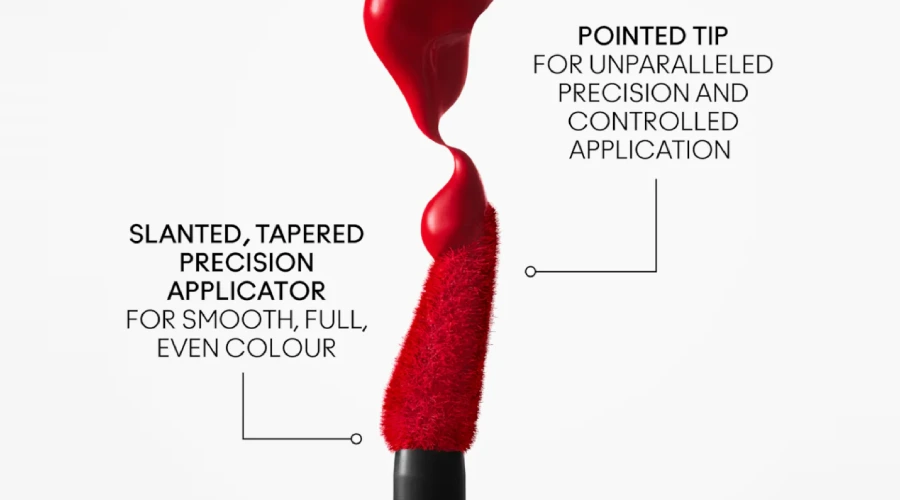
Liquid lipsticks come with built-in applicators, usually a soft doe-foot wand. This design helps with detailed application, especially around the lip line. Some wands have angled tips or pointed ends to allow more control at the corners of the mouth or Cupid’s bow.
The liquid formula glides on smoothly, but the texture can be unforgiving. It often dries fast and sets firmly, leaving little room for cleanup. That means mistakes—like an uneven edge or color outside the lines—can be hard to fix without makeup remover. Beginners might find the precision tricky at first, especially with darker or brighter shades.
Still, for people who like crisp lines and bold finishes, the applicator can be a useful tool once they get the hang of it.
Traditional Lipstick Application Techniques and Tools
Bullet lipsticks are familiar to most. They’re easy to swipe on directly, and their solid form makes touch-ups a breeze. Some users apply straight from the tube, while others use lip brushes for more detailed work.
The shape of the lipstick bullet—often angled or pointed—can help trace the lip line, but it wears down with use. Over time, the tip becomes rounder, which makes precise edges harder to achieve. That’s when a lip liner or brush can come in handy.
Traditional lipstick gives more flexibility. You can press lightly for a soft stain or layer it up for a richer look. And if you go outside the lines, it’s easy to blot or blend away mistakes before they set.
Transfer Resistance and Smudge-Proof Claims
No one likes lipstick stains on cups, masks, or shirt collars. That’s where transfer resistance comes in. But not all lip products behave the same once applied.
How Film-Forming Polymers Prevent Transfer in Liquid Lipsticks
Liquid lipsticks often include film-forming agents like acrylates copolymers. These materials dry into a thin layer on the lips. Once set, the formula becomes more resistant to rubbing, moisture, and friction.
This barrier helps color stay in place even after eating or talking. It’s also why many liquid lipsticks are marketed as long-wear or “kiss-proof.” However, the tighter the film, the more likely it is to feel dry over time.
Some formulas balance transfer resistance with comfort by adding flexible polymers, which stretch with the movement of lips without cracking. Still, some wearers might find them stiff or sticky, especially right after application.
Why Regular Lipsticks May Need Reapplication
Traditional bullet lipsticks rely more on oils and waxes, like beeswax or castor oil. These create a creamy, smooth texture but don’t fully “set” on the skin. The result? More slip—and more smudge.
Because the formula stays somewhat movable, it’s more likely to transfer onto surfaces. This is especially true for glossy or satin finishes, which contain more emollients.
Some solid lipsticks now include lightweight fixatives to improve wear, but they rarely match the staying power of a matte liquid product. The upside? They’re easy to touch up and don’t require a makeup remover for reapplication.

Skin Type and Climate Considerations
Choosing between liquid and solid lipstick isn’t just about looks—it can depend on your skin type and environment. Dry lips and humid weather affect how a formula performs.
Which Formula Works Better for Dry, Oily, or Sensitive Lips
If you have dry or flaky lips, liquid lipstick can be tricky. It often clings to texture and may emphasize cracks. Even hydrating formulas tend to set fast and leave little room for rehydration.
For sensitive skin, traditional lipstick is often gentler. Many bullet formulas include soothing ingredients like vitamin E, lanolin, or shea butter, which offer relief and moisture.
On the other hand, people with oily skin around the mouth may prefer liquid formulas. These tend to stay in place better and are less likely to slide or feather.
Choosing Lipsticks for Hot, Humid, or Cold Environments
In hot or humid weather, liquid lipsticks can outperform traditional formulas. They’re less likely to melt, smear, or fade with sweat. Their film layer helps lock in the color even when the air is sticky.
Cold weather flips the story. In low temperatures, lips are more prone to dryness and cracking. A creamy bullet lipstick offers moisture and comfort, acting like a barrier against wind.
Climate doesn’t always dictate the perfect formula—but it should influence how you prep your lips and what finish you choose. A waxy stick might survive the snow, while a matte liquid could beat the heat.
Removal and Aftercare: What Happens After You Wear It?
The lipstick’s job doesn’t end when the day does. What remains on your lips—and how it’s removed—matters just as much as how it looked when applied.
How Easily Can Each Lipstick Type Be Removed?
Liquid lipsticks are designed to stay. That’s their strength—and also a challenge when it’s time to take them off.
Most long-wear liquid formulas resist water and standard face wipes. Removal usually requires oil-based cleansers, micellar water with surfactants, or dual-phase removers. Rubbing can irritate delicate lip skin, so gentle pressure and patience are key.
By contrast, traditional lipsticks—especially cream or satin types—are much easier to remove. A tissue, some micellar water, or even a bit of lip balm can do the job. Their oil-rich base dissolves quickly without needing specialized products.

Lip Health: Preventing Irritation and Staining
Frequent use of liquid lipstick without proper removal may lead to lip dryness, staining, or peeling. Some pigments can cling to the upper layers of skin, especially if exfoliation is skipped.
To maintain healthy lips, hydration and barrier repair matter. After wearing any lipstick—liquid or solid—it helps to use a nourishing balm or occlusive treatment with ingredients like panthenol or ceramides.
Those with sensitive lips may benefit from using lipstick-free days or overnight masks to allow recovery. Regular exfoliation using a soft cloth or sugar scrub also reduces product buildup.
Environmental and Ingredient Awareness
Lipsticks may be small, but they come with ingredient lists, production practices, and packaging choices that leave a bigger mark.
Common Ingredients in Both Types and Their Impact
Both liquid and traditional lipsticks often contain colorants, preservatives, fragrance, and film-forming agents. Some synthetic pigments, like Red 7 Lake, are approved for use but may cause sensitivity in rare cases.
Liquid lipsticks often include silicones and acrylates, which help improve wear time but are not biodegradable. These ingredients can accumulate in wastewater if not properly filtered during manufacturing.
Traditional lipsticks usually rely on natural waxes and oils, though not always sustainably sourced. Beeswax, for example, can vary in ecological impact depending on the harvesting method.
Packaging and Sustainability Differences
Liquid lipsticks often come in plastic tubes with doe-foot applicators, which are rarely recyclable due to mixed materials. Traditional lipsticks also use plastic, but refills or recyclable metal cases are more common in newer designs.
Some manufacturers are experimenting with biodegradable packaging or minimalist refill systems. Consumers concerned with environmental impact can look for third-party certifications, such as Leaping Bunny for cruelty-free or COSMOS for natural formulas.
Still, the cosmetics industry as a whole faces sustainability challenges. A lipstick’s ecological footprint includes more than just its outer tube—it also involves ingredient sourcing, energy use, and disposal practices.
Conclusion
Choosing between liquid lipstick and traditional lipstick depends on what matters most to you—longevity, comfort, ease of use, or environmental impact. Understanding their differences helps you make informed, personal choices for your lips and lifestyle.