

Eyeshadow comes in many forms—powder, cream, and liquid—each with its own texture, finish, and application method. The right choice depends on your skin type, desired look, and how much time you want to spend blending.
Some formulas are beginner-friendly, while others require a bit of skill. Powder eyeshadow is the most common, offering versatility and buildable coverage. Cream eyeshadow is smooth and easy to blend but can crease. Liquid eyeshadow delivers bold pigment but dries quickly, requiring precise application.

Understanding Different Types of Eyeshadow
Eyeshadow comes in three main types: powder, cream, and liquid. Each has a unique texture and application method, affecting how it blends and wears throughout the day. Choosing the right formula depends on your makeup routine, skin type, and the effect you want to achieve.
Powder Eyeshadow
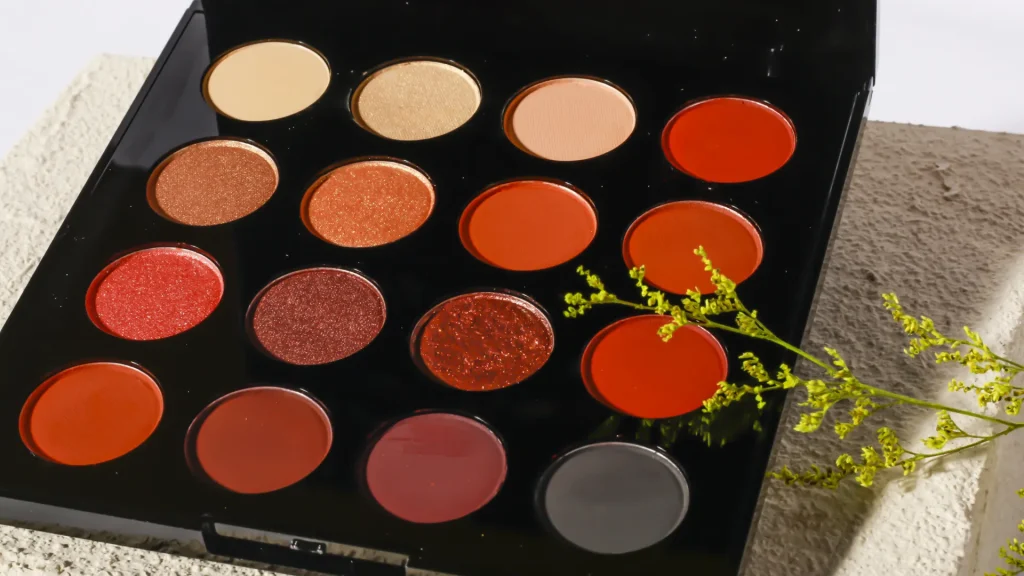
Powder eyeshadow is the most common type, available in pressed or loose formulas. Pressed powder is compact and easy to use, while loose pigments offer intense color but can be messy.
- Best uses: Powder formulas are ideal for blending and layering. They work well for everyday looks, allowing you to create depth and soft transitions between colors.
- Application tips: Brushes provide the most control, especially for detailed blending. Fingers can work too, particularly for shimmer shades, as body heat helps them adhere better to the skin.
Cream Eyeshadow
Cream eyeshadow has a smooth, blendable texture that feels lightweight on the skin. It often comes in pots or sticks and can have a matte, satin, or shimmer finish.
- Best uses: This type is great for quick, single-color looks. It applies easily and is perfect for a natural or soft-glam appearance. Some formulas can also be used as an eyeshadow base.
- Application tips: Fingers work well for a seamless blend, especially with softer formulas. For precise application, use a synthetic brush, which helps control product placement without absorbing too much product.
Liquid Eyeshadow
Liquid eyeshadow is a fluid formula that dries down to a long-lasting finish. It usually comes in tubes with an applicator wand. Some formulas set quickly, while others remain blendable for a few seconds before drying.
- Best uses: Liquid formulas are perfect for bold, metallic, or high-impact looks. They often have intense pigmentation and can last all day without fading.
- Application tips: The built-in applicator is great for direct application, but blending with a brush or fingertip prevents harsh edges. Since liquid shadows dry fast, blending should be done quickly before the product sets.
How to Choose the Best Eyeshadow for Your Needs
Picking the right eyeshadow isn’t just about color. The formula should match your skin type, daily routine, and the effect you want. Some formulas last longer, while others blend more easily.
Skin Type and Eyeshadow Formula
Oily eyelids: Powder eyeshadow is often the best choice since it absorbs excess oil and reduces creasing. A good eyeshadow primer can also help keep the color in place.
Dry skin: Cream and liquid formulas provide a smoother application without emphasizing dry patches. Some cream eyeshadows contain hydrating ingredients that prevent flaking.
Sensitive skin: If your skin reacts easily, look for hypoallergenic eyeshadow options. Avoid formulas with heavy fragrance or glitter, as these can cause irritation. Checking ingredient lists can help you find a gentle option.

Occasion-Based Eyeshadow Selection
Everyday wear: Neutral shades in powder or cream formulas work well for subtle, natural looks. These are easy to blend and touch up throughout the day.
Evening and special events: Liquid and cream eyeshadows often have bolder pigmentation, perfect for dramatic or shimmery looks. Metallic and glitter shades catch the light, making them a great choice for nighttime.
Long-wear needs: If you need your eyeshadow to last all day, look for smudge-proof and waterproof formulas. Liquid and cream eyeshadows often set in place and resist fading, while powder eyeshadow benefits from an eyeshadow primer.
>> The Science Behind Duochrome Eyeshadow
Eyeshadow Finish and Effect
Each finish creates a different effect. Matte eyeshadow provides a smooth, natural look. Shimmer adds subtle glow, while metallic and glitter finishes create a bold, eye-catching effect.
When to choose each finish:
- Matte works well for daily wear or defining the crease.
- Shimmer is great for soft glam looks.
- Metallic enhances evening makeup, and glitter adds a statement touch for special occasions.
Mixing different finishes can add dimension to your eye makeup.
Tips for Applying Eyeshadow Like a Pro
Even the best eyeshadow can look uneven without the right technique. The tools you use, how you blend, and how you set the eyeshadow all affect the final result.
Tools and Techniques
Best brushes for each formula: Powder eyeshadows blend best with fluffy brushes. Dense, flat brushes work well for packing on pigment. Cream and liquid eyeshadows apply more evenly with synthetic brushes, which don’t absorb product.
Finger application vs. brushes vs. sponges: Fingertips can help melt cream and liquid eyeshadows into the skin. Brushes provide precision, especially for layering colors. Sponges are great for blending liquid formulas without streaks. Each method affects how the eyeshadow settles and wears throughout the day.
Blending and Layering
Building depth with multiple shades: Start with a light transition shade in the crease. Then, deepen the outer corners with a darker color. A shimmery or metallic shade on the lid can add dimension. Blending between shades keeps the look smooth.
Avoiding patchiness and creasing: Using a light hand and tapping off excess product prevents uneven patches. For cream and liquid formulas, letting one layer set before adding another helps avoid creasing. Proper blending also keeps colors from looking muddy.
Setting and Enhancing Longevity
Using eyeshadow primers for better adherence: A good primer smooths the lid and helps the pigment stick. It also prevents oil from breaking down the eyeshadow. For extra grip, some people use a concealer as a base, though this can affect blending.
Setting techniques for different formulas: Powder eyeshadow lasts longer when set with a translucent setting powder or a light layer of a matching shade. Cream and liquid eyeshadows often have a self-setting formula, but tapping a bit of powder on top can lock them in place. A final mist of setting spray can help everything stay put.
>> Enhancing Blue Eyes: The Best Eyeshadow Colors to Choose
Common Eyeshadow Mistakes and How to Avoid Them
Applying eyeshadow seems simple—until it creases, fades, or looks uneven. Small mistakes can affect the final look, but with the right techniques, they’re easy to fix.
Not Using Primer
Without primer, eyeshadow may not stay in place. The natural oils on your eyelids can break down the pigment, causing creasing. Powder formulas may look patchy, while cream and liquid eyeshadows might slip.
A thin layer of primer evens out the skin and helps color adhere. If you don’t have one, a bit of concealer or a matte foundation can work. Just make sure it’s blended and set with a light dusting of translucent powder.
Applying Too Much Product
More eyeshadow doesn’t always mean better results. Packing on too much pigment at once can lead to fallout with powders and smudging with creams or liquids.
Instead, build the color gradually. Use a small amount on the brush, tap off the excess, and blend in layers. If you’re using a liquid formula, let each layer dry before adding more. This keeps the color even and prevents streaks.

Choosing the Wrong Shade for Your Skin Tone
A color that looks great in the pan might not complement your skin tone. Cool-toned shades can appear ashy on warm skin, while warm shades may look muddy on cooler undertones.
To find a flattering shade, check the veins on your wrist. Blue or purple veins suggest cool undertones, while green veins indicate warm tones. Neutral tones can wear most shades. When in doubt, soft browns and taupes work well for everyday looks.
Removing Eyeshadow Without Damaging Your Skin
Taking off eyeshadow isn’t just about wiping it away. The wrong technique can irritate your skin, cause redness, or even lead to premature wrinkles. A gentle approach keeps your eyes looking and feeling fresh.
Proper Eye Makeup Removal Techniques
Different eyeshadow formulas require different removers. Powder eyeshadows usually come off with micellar water, while cream and liquid formulas often need oil-based removers or cleansing balms.
To remove eyeshadow, soak a cotton pad with your chosen cleanser, then press it against your eyelid for a few seconds. This helps break down the pigments before you wipe. Always swipe downward and outward—rubbing back and forth can push makeup deeper into fine lines.
Avoiding Eye Irritation and Damage
The skin around your eyes is thin and delicate. Rubbing too hard can cause irritation, dryness, or even lash fallout. Waterproof eyeshadows can be stubborn, but tugging at your eyelid isn’t the solution.
For sensitive skin, fragrance-free cleansing oils or gel-based removers work best. Look for ingredients like aloe vera or chamomile, which soothe irritation. If your eyes feel dry afterward, a dab of lightweight eye cream helps restore moisture.

Conclusion
Choosing between powder, cream, and liquid eyeshadow comes down to your skin type, lifestyle, and the look you want to achieve. Powder offers control, cream adds richness, and liquid delivers bold color. Experimenting with different formulas helps you find what works best. No matter your choice, proper application and removal keep your eyes looking their best.