

Private label makeup products have become a foundational pillar of the modern beauty ecosystem, especially as the industry continues shifting toward faster innovation cycles, niche positioning, and digitally native brands. For new entrants, understanding how private label systems work is essential—not just as a production model, but as a strategic framework that shapes brand identity, product quality, and long-term scalability.
Unlike traditional in-house product development, private label cosmetics allow brands to leverage pre-developed or semi-customizable formulations produced by specialized manufacturers. This significantly lowers the barrier to entry while accelerating time-to-market, which is a decisive advantage in the highly competitive 2026 beauty landscape.
What Private Label Cosmetics Really Mean
Private label cosmetics refer to products manufactured by a third-party producer and sold under a retailer’s or brand’s name. These products are typically based on existing formulations that can be customized in terms of texture, shade, fragrance, packaging, or active ingredient emphasis.
In practice, private label is not a “one-size-fits-all” model. It spans a spectrum of customization:
- Standard private label: Minimal changes, mostly branding and packaging
- Modified private label: Adjustments in formula attributes such as finish, pigment load, or scent profile
- Semi-custom formulations: More advanced tailoring involving ingredient substitutions or performance enhancements
For new brands, this structure offers a balance between innovation and feasibility. It enables access to professionally developed formulations without requiring a full R&D lab, while still allowing enough flexibility to build a distinct product identity.
Importantly, private label cosmetics are not inherently lower quality than custom-developed products. Quality depends on the manufacturing partner’s formulation expertise, compliance standards, and quality control systems—not the business model itself.
The Role of Private Label in the 2026 Beauty Market
In 2026, private label cosmetics are no longer just an entry-level option—they are a strategic engine driving beauty industry expansion. Several key market dynamics explain this shift.
First, consumer expectations have evolved. Buyers now demand fast product innovation, highly specific benefits (such as skin barrier support, long-wear comfort, or hybrid skincare-makeup functions), and clear ingredient transparency. Private label systems allow brands to respond quickly to these micro-trends without long development cycles.
Second, the rise of digital-first beauty brands has intensified competition. Social media-driven launches often require rapid product deployment aligned with cultural moments or influencer-led campaigns. Private label manufacturing supports this agility by significantly reducing production timelines.
Third, manufacturing capabilities have advanced. Modern cosmetic labs now offer highly sophisticated base formulations that include stable emulsions, high-performance pigments, and skin-compatible active systems. This has elevated private label products to a level where they can compete directly with legacy brands in both performance and sensorial experience.
Finally, sustainability and regulatory pressures are reshaping the landscape. Many manufacturers now integrate compliance-ready formulas, cruelty-free testing frameworks, and environmentally conscious production methods as standard offerings, making private label a practical pathway for brands aiming to meet global standards from day one.
In this environment, private label is not just a shortcut—it is a structured innovation platform that enables new brands to participate meaningfully in a rapidly evolving beauty market.
How Private Label Makeup Products Are Developed
Private label makeup development is a structured, multi-stage process that balances creativity with manufacturing reality. For new beauty brands, understanding this workflow is crucial because it determines not only how a product looks and performs, but also how quickly it can reach the market and how consistently it can be reproduced at scale.
Unlike fully custom R&D pipelines, private label development typically builds on existing formulation platforms. However, the process still involves careful decision-making across concept design, formulation selection, testing, packaging integration, and final production validation.
The Product Development Workflow
The development journey usually begins with product concept definition, where a brand identifies the product type (e.g., foundation, lipstick, blush), target user, and desired performance attributes. This stage is less about chemistry and more about strategic positioning—what problem the product is meant to solve and how it should feel in use.
Once the concept is clear, the next step is formula selection and customization. Manufacturers typically offer a portfolio of base formulations that have already been tested for stability and safety. Brands then refine these bases by adjusting characteristics such as:
- Coverage level and finish (matte, satin, dewy, etc.)
- Pigment intensity and shade range direction
- Texture properties (creaminess, blendability, dry-down speed)
- Fragrance or fragrance-free positioning
After formulation alignment, sample creation and iterative testing begins. This stage is highly collaborative. Brands evaluate texture, wear performance, application experience, and skin compatibility, often going through multiple refinement rounds before final approval.
Finally, packaging selection and compatibility testing ensures that the formula behaves correctly within its container. Even small mismatches—such as pump incompatibility or air exposure—can impact product stability and user experience.
Manufacturing and Production Stages
Once the formula and packaging are finalized, the process moves into full-scale manufacturing. This stage is where private label systems demonstrate their efficiency and industrial precision.
The first step is raw material sourcing and batch preparation, where ingredients are measured and prepared according to the approved formulation specifications. Strict quality control is applied here to ensure consistency across production batches.
Next comes bulk manufacturing, where ingredients are mixed under controlled conditions. Depending on the product type, this may involve emulsification (for creams and foundations), pigment dispersion (for color cosmetics), or heating and cooling cycles to achieve stable texture and structure.
After bulk production, the product undergoes in-process quality checks, including viscosity testing, color matching, and microbial screening. These controls help ensure that every batch meets predefined standards before filling begins.
The filling and assembly stage follows, where the finished product is transferred into its final packaging. This step is highly automated in modern facilities, ensuring precision in volume, sealing integrity, and hygiene control.
Finally, products go through final quality inspection and packaging verification, which includes labeling accuracy, batch coding, and stability confirmation before distribution.
Key Formulation Considerations for Private Label Makeup Products
When developing private label makeup products, formulation is where brand ambition meets scientific reality. Even though many bases are pre-developed, the final product performance still depends heavily on how texture, finish, and regulatory-safe ingredients are balanced. For new brands, these decisions directly affect customer satisfaction, repeat purchase behavior, and long-term credibility.
Texture, Finish, and Performance Expectations
Texture is often the first sensory “test” a consumer performs, even before evaluating color or branding. In private label cosmetics, texture must be carefully aligned with both product category and target user expectations.
For example, a foundation must balance spreadability with coverage stability, while a lipstick must achieve structural firmness without sacrificing comfort. These properties are influenced by emulsifier systems, wax blends, pigment dispersion quality, and silicone or oil phase design.
Finish is equally critical. Matte, satin, dewy, or radiant effects are not just aesthetic choices—they reflect underlying formulation architecture. A matte finish typically requires oil-absorbing powders and film-forming agents, while a dewy finish relies on light-reflecting emollients and controlled viscosity systems.
Performance expectations go beyond initial application. Modern consumers expect:
- Long wear without separation or patchiness
- Skin comfort over extended use
- Resistance to heat, humidity, and facial movement
- Seamless reapplication without buildup
Private label manufacturers often provide base formulations that already meet baseline performance standards, but brand-specific adjustments are what differentiate a “good enough” product from a standout one in the market.
Ingredient Compliance and Safety Requirements
Ingredient compliance is one of the most non-negotiable aspects of private label cosmetics development. Even if a formulation performs well, it cannot enter the market without meeting regional safety and regulatory standards.
Most modern cosmetic formulations must comply with globally recognized restricted substance lists, which regulate ingredients based on toxicological data, allergen potential, and environmental impact. These restrictions vary across regions, making global distribution a complex challenge for new brands.
Safety requirements typically include:
- Toxicological evaluation of raw materials
- Stability and microbial safety testing
- Preservation efficacy validation
- Allergen risk assessment for sensitive skin compatibility
In addition, many manufacturers now design “compliance-ready” formulations that already exclude commonly restricted or controversial ingredients. This reduces regulatory risk for new brands and accelerates market entry.
Ultimately, ingredient compliance is not just a legal obligation—it is a trust-building mechanism. Consumers increasingly expect transparency, and brands that fail to prioritize safety risk long-term reputational damage.
Regulatory and Compliance Requirements for New Beauty Brands
Launching private label makeup products requires more than selecting a formula and packaging. Every product must align with strict regulatory frameworks that govern safety, labeling, and market claims. These rules are designed to protect consumers and ensure that cosmetic products perform as advertised without posing health risks.
Global Cosmetic Regulations
Cosmetic regulations vary significantly across regions, and new brands must navigate these differences carefully if they plan to sell internationally.
In general, regulatory systems focus on three core areas:
- Ingredient safety evaluation – ensuring that all components are approved for cosmetic use and used within safe concentration limits
- Product safety assessment – requiring evidence that finished products are stable, non-irritating, and microbiologically safe
- Manufacturing compliance – enforcing Good Manufacturing Practices (GMP) to maintain consistent quality and hygiene standards
Different markets interpret these principles differently. Some regions maintain highly centralized ingredient lists and pre-market approvals, while others rely more heavily on manufacturer responsibility and post-market surveillance.
For new brands, this means regulatory planning must begin at the formulation stage—not after production. A product that is compliant in one region may require reformulation or labeling adjustments in another.
Labeling and Claims Substantiation
Labeling is one of the most visible and legally sensitive aspects of cosmetic compliance. It determines how consumers understand the product and what expectations they form before purchase.
At a minimum, cosmetic labeling typically requires:
- Full ingredient disclosure using standardized naming conventions (INCI)
- Net content information
- Batch or lot identification for traceability
- Manufacturer or responsible party details
Beyond basic labeling, claims substantiation is where many new brands encounter challenges. Any statement such as “hydrating,” “long-lasting,” “dermatologist-tested,” or “clean beauty” must be supported by appropriate testing or documented evidence.
Unsubstantiated claims are not only regulatory risks but also trust risks. In a highly transparent beauty market, consumers and regulators increasingly scrutinize marketing language for accuracy.
Therefore, successful private label brands treat labeling and claims as part of product development—not just packaging design. This ensures that what is promised in marketing is fully aligned with what the formulation can scientifically deliver.
Packaging Strategy in Private Label Makeup Products
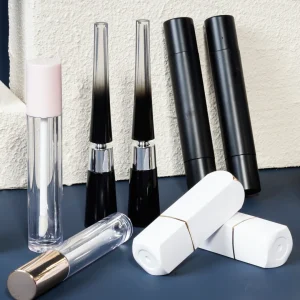
Packaging in private label makeup is not just a “container decision”—it is a critical extension of product performance, user experience, and brand perception. In many cases, consumers will judge quality within seconds of holding a product, long before they evaluate its formula. That makes packaging strategy a core technical and commercial pillar for new beauty brands.
A strong packaging system must balance functionality, manufacturability, regulatory compliance, and visual identity while still protecting the integrity of the formula inside.
Functional Packaging Design Considerations
Functional packaging design focuses on how well the packaging protects, dispenses, and preserves the product over time. In cosmetics, even small engineering flaws can lead to leakage, oxidation, contamination, or inconsistent application.
Key functional factors include:
- Air exposure control: Especially important for foundations, primers, and cream-based formulas that oxidize or degrade when exposed to oxygen
- Dispensing accuracy: Pumps, droppers, and doe-foot applicators must deliver consistent product amounts
- Material compatibility: Certain formulas may interact with plastics, elastomers, or metal components, affecting stability or odor
- Barrier protection: Packaging must protect against light, heat, and humidity depending on formula sensitivity
- Ergonomics and usability: Ease of application, grip comfort, and portability directly impact consumer satisfaction
In private label manufacturing, packaging is often selected from pre-existing molds or systems, but even small adjustments—like nozzle size or inner coating—can significantly affect product performance.
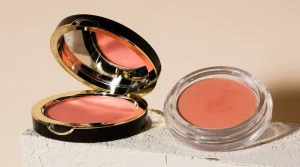
Branding Through Packaging Systems
While functionality ensures product integrity, packaging is also one of the most powerful branding tools in cosmetics. It communicates positioning, price tier, and emotional tone before a single use.
Branding through packaging systems typically involves:
- Visual hierarchy design: Shape, silhouette, and proportion create instant recognition
- Color psychology: Packaging colors influence perceived product benefits (e.g., soft neutrals for skincare-makeup hybrids, bold tones for high-impact color cosmetics)
- Material perception: Glass, frosted plastic, metallic finishes, and matte coatings all signal different value levels
- Typography and labeling style: Clean minimalism vs. expressive typography shapes brand identity
In 2026, many brands also integrate sustainability narratives directly into packaging design, using recyclable materials or refill systems as part of their identity rather than a secondary feature.
Ultimately, packaging is not separate from product strategy—it is part of the product experience itself.
Quality Control and Product Testing in Private Label Makeup
Quality control is the backbone of private label cosmetics. Even when formulas are pre-developed, every batch must be validated to ensure consistency, safety, and performance. Without robust testing systems, small variations in raw materials or production conditions can lead to noticeable differences in texture, color, or stability.
Stability and Safety Testing Protocols
Stability and safety testing ensure that a cosmetic product remains safe and effective throughout its intended shelf life under real-world conditions.
Shelf-life testing under different environmental conditions
Products are exposed to varying temperatures, humidity levels, and light conditions to simulate storage and usage environments. This helps identify potential issues such as separation, discoloration, or odor changes over time.
Microbial and contamination prevention systems
Since cosmetics can be exposed to water, air, and repeated use, microbial safety is critical. Testing ensures that preservation systems effectively prevent bacterial, yeast, and mold growth throughout the product lifecycle. Manufacturing environments also follow strict hygiene controls to minimize contamination risk during production.
Performance Testing for Consumer Acceptance
Beyond safety, private label makeup must also perform consistently in real-world use scenarios. This is where consumer-oriented testing becomes essential.
Wear tests and user trial feedback loops
Products are evaluated under actual usage conditions to assess wear time, comfort, blendability, and reapplication behavior. Feedback from test groups helps refine texture and performance before final launch.
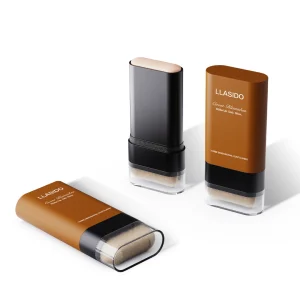
Shade consistency and batch reproducibility
Color cosmetics require extremely precise pigment control. Even minor deviations in pigment dispersion can result in noticeable shade differences between batches. Testing ensures that each production run matches approved color standards.
Conclusion
Private label makeup products offer new beauty brands a powerful pathway to enter the market with speed, flexibility, and reduced development risk. However, success depends on far more than selecting a base formula. From packaging strategy and regulatory compliance to cost planning and rigorous quality control, every stage plays a critical role in shaping product performance and brand credibility.
In 2026, the most competitive brands will be those that treat private label not as a shortcut, but as a structured system that combines formulation science, operational discipline, and thoughtful brand positioning.
Read More >> How To Start A Private Label Makeup Line in 2026