
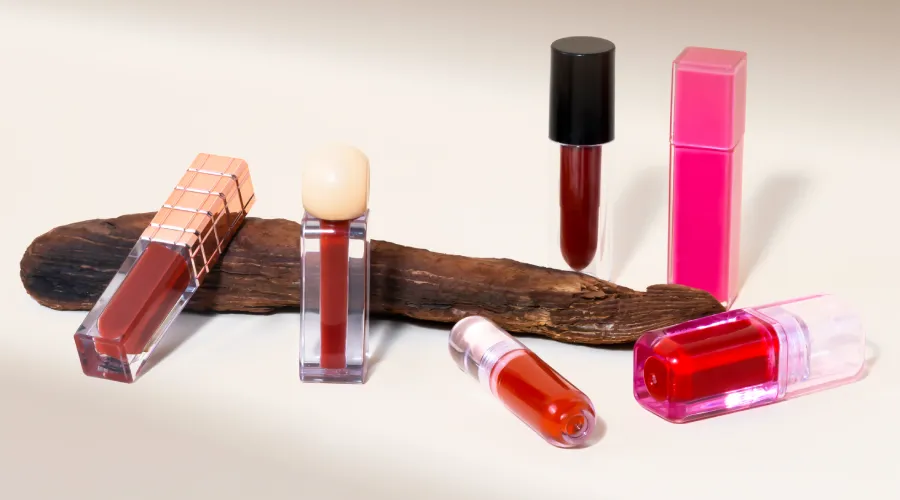
There is no objective “best” private label lip gloss manufacturer for every beauty brand. A suitable partner for an established retailer may be a poor fit for a brand testing a small stock-formula program, while a low-entry private-label supplier may not provide the development depth required for a proprietary formula or complex global launch.
This 2026 list is a sourcing starting point, not a performance ranking or endorsement. Companies are included because their current official websites describe relevant cosmetics manufacturing, private-label, contract-manufacturing, color-cosmetics, lip-product, or full-service development capabilities. Public information was reviewed on September 2, 2026. MOQ, lead time, capacity, formula availability, documentation, pricing, and market support must be confirmed directly for your project.
How to use this manufacturer list
First decide which route you need:
- Stock or ready formula: an established product starting point with brand-specific shade, package, label, or decoration choices.
- Modified or semi-custom route: an existing base adjusted within the manufacturer’s supported scope.
- Custom formulation: a product developed around a new brief, reference, performance target, or formula owned by the brand.
- Contract manufacturing or technology transfer: production based on a formula, method, or technical package supplied or transferred by the client.
Then send the same brief to each candidate. A supplier cannot be compared fairly when one quote assumes a stock tube and ready formula while another includes custom development, packaging sourcing, testing, filling, assembly, and regulatory support.
10 manufacturers and development partners to investigate
1. AKIACO – China
AKIACO’s current private label lip gloss manufacturing page describes ready-formula, custom-formula, and reverse-engineering paths, along with shade, finish, packaging, branding, sampling, and production discussions. The page states a standard MOQ of 3,000 units and a typical production lead time of 20-45 days after production requirements are confirmed; formula development, sampling, packaging development, mold work, and shipping may require additional time.
Buyer follow-up: Confirm the formula route, shade count, component, decoration, expected quantity, target market, sample terms, production starting point, and included documentation.
2. COSMAX – Korea and global network
COSMAX presents ODM and original-branding manufacturing services across the beauty pipeline, including formulation, branding, global factories, supply-chain resources, and production capabilities. Its public site supports consideration for brands seeking a large, internationally distributed development and manufacturing platform.
Buyer follow-up: Ask whether the relevant business unit accepts your lip-gloss brief, market, order scope, development route, packaging needs, and onboarding requirements.
3. Intercos Group – Italy and global network
Intercos Group states that it specializes in color cosmetics, pencils, nail products, skincare, and personal care, with research, development, and production operations across multiple countries. This makes it a relevant candidate for established brands prioritizing color-cosmetics development and global-scale resources.
Buyer follow-up: Confirm lip-gloss category availability, geographic account routing, project minimums, formula ownership, packaging integration, and development timing.
4. Kolmar Korea – South Korea
Kolmar Korea describes an ODM model covering trend suggestions, product development, manufacturing, logistics, and related total-service support. Its official site also identifies a makeup research laboratory.
Buyer follow-up: Verify that the makeup division supports the intended lip-gloss format and target market, then clarify account eligibility, order scope, documentation, packaging, and project ownership.
5. Schwan Cosmetics – Germany and global operations
Schwan Cosmetics describes itself as a global private-label manufacturer of color cosmetics. Its public positioning is especially associated with cosmetic pencils and tailored color-cosmetics product lines.
Buyer follow-up: Do not assume that every lip format is available. Ask specifically about gloss, liquid lip, pencil, or adjacent formats, along with order scope and development model.
6. MANA Products – United States
MANA describes development and manufacturing of branded and private-label prestige beauty products, including color cosmetics, contract manufacturing, technology transfers, a brand accelerator, and ready-to-retail options.
Buyer follow-up: Identify whether your project fits ready-to-retail, brand-accelerator, custom-development, or contract-manufacturing requirements, and confirm lip-gloss availability under that route.
7. Chromavis – Italy and global network
Chromavis presents a complete range of makeup solutions across complexion, eyes, lips, and nails. Its company information describes multiple innovation laboratories and production sites.
Buyer follow-up: Ask which lip-gloss formats and development services are available for your region, formula direction, package, order scope, and launch market.
8. Lady Burd – United States
Lady Burd offers private-label and custom-formulation cosmetics manufactured in New York, including a public lip-products category. Its site publishes low entry points for some stock private-label items, but custom formulas and project-specific packaging can follow different requirements.
Buyer follow-up: Separate stock-item terms from custom-development terms, and confirm the available gloss formulas, shades, labels, components, documentation, and shipping scope.
9. New Look Cosmetics – United States
New Look Cosmetics explicitly describes lip-gloss formula development and contract manufacturing in California. Its current page also states that the company does not offer wholesale, private label, or lower order quantities.
Buyer follow-up: Consider this company when you need custom formulation or contract manufacturing rather than a low-entry ready-made private-label program. Confirm project scale, formula ownership, package responsibilities, and qualification requirements.
10. Rozelle Cosmetics – United States
Rozelle Cosmetics identifies itself as a U.S. private-label cosmetics manufacturer and publicly features a lip-gloss formula and shade offering.
Buyer follow-up: Confirm the current gloss range, customization level, packaging and label options, order terms, documentation, and whether the route fits your target market.
Comparison summary
| Company | Publicly verified starting point | Do not assume without confirmation |
|---|---|---|
| AKIACO | Ready, custom, and reverse-engineering lip-gloss paths | Project-specific feasibility, final terms, and total timeline |
| COSMAX | Global ODM/OBM beauty platform | Lip-gloss account eligibility and minimums |
| Intercos | Global color-cosmetics R&D and production | Specific lip-gloss terms and capacity |
| Kolmar Korea | Total-service cosmetics ODM with makeup R&D | Specific lip-gloss route and regional onboarding |
| Schwan Cosmetics | Global private-label color cosmetics | Availability of gloss versus pencil-led formats |
| MANA | Private label, contract manufacturing, and ready-to-retail beauty | Which program accepts the proposed gloss brief |
| Chromavis | Makeup solutions including lips | Specific product, region, and order terms |
| Lady Burd | Private-label lip products and custom formulation | Stock terms applying to custom projects |
| New Look Cosmetics | Custom lip-gloss formulation and contract manufacturing | Low-quantity or stock private label, which it says it does not offer |
| Rozelle | U.S. private-label cosmetics with lip gloss | Current customization, order, and market terms |
Questions to send every shortlisted manufacturer
- Which development route fits this brief: ready, modified, custom, reverse engineered, or contract manufactured?
- What quantity rules apply per product, shade, formula, and component?
- Which formula, shade, finish, applicator, and package options are currently available?
- What is included in sampling, revisions, testing, documentation, filling, assembly, and packing?
- Which assumptions start the quoted production timeline?
- Who owns the formula, tooling, artwork, and technical files?
- How are package compatibility, leakage, fill, wiper, applicator, and transport concerns evaluated?
- Which market and regulatory responsibilities belong to the supplier, brand, importer, or responsible person?
- How are approved versions and later changes controlled?
- What happens if a component or raw material becomes unavailable for a repeat order?
If AKIACO fits your shortlist, review its lip gloss manufacturing options. To request a project discussion, send the team your lip-gloss brief, including target market, formula direction, shades, finish, package, expected quantity, and launch priorities.
Frequently asked questions
Is this a ranking of the best lip gloss manufacturers?
No. It is a sourcing starting list based on current public information, not an independent performance audit or endorsement.
Can the published MOQ be used as a final quotation?
No. Confirm quantity rules for the exact formula, shade count, component, decoration, and service scope directly with the manufacturer.
What is the difference between private label and contract manufacturing?
Private label often starts from a manufacturer's existing product platform, while contract manufacturing may use a client-owned or newly developed formula and technical package. Suppliers use these terms differently, so confirm the scope.
How many manufacturers should a brand shortlist?
Use a manageable shortlist of suppliers whose development model, market coverage, order scope, and communication fit the same written brief.
Should a brand choose a supplier based on samples alone?
No. Also evaluate documentation, packaging, version control, scale-up, production terms, change management, communication, and repeat-order continuity.