
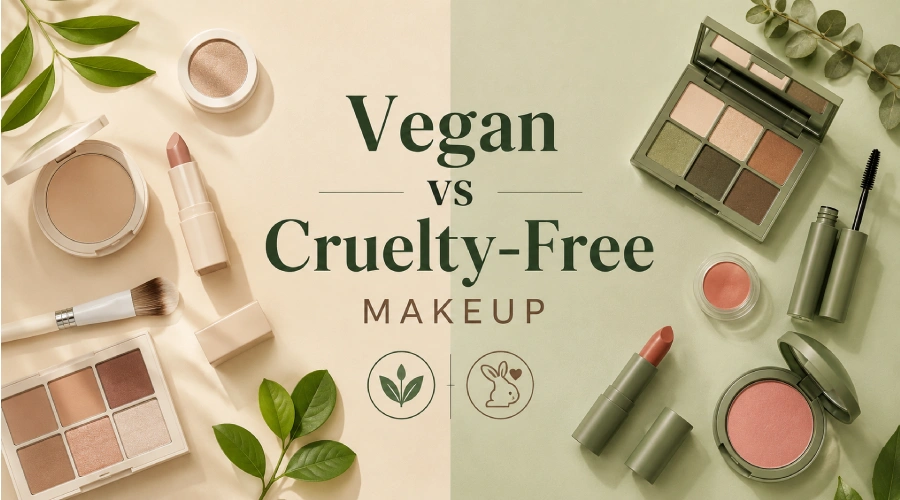
The Core Difference Explained
The difference comes down to ingredients vs testing practices.
Vegan Makeup = Ingredient Standard
A vegan cosmetic formula excludes all animal-derived substances.
Common non-vegan cosmetic ingredients include:
- Beeswax
- Honey
- Lanolin
- Carmine
- Silk powder
- Collagen
- Keratin
Instead, vegan makeup uses plant-based or synthetic alternatives.
Cruelty-Free Makeup = Testing Standard
Cruelty-free cosmetics are developed without animal testing at every relevant stage.
Depending on the certification standard, this may include:
- Finished product testing
- Ingredient testing
- Third-party testing
- Supplier compliance
However, cruelty-free products may still contain animal-derived ingredients.
Example:
A lipstick made with beeswax but never tested on animals can still qualify as cruelty-free.
Which Is More Important for Consumers?
There is no universal answer. The priority depends on the buyer’s decision criteria.
Consumers Usually Prioritize Vegan Makeup When They Care About:
- Animal-derived ingredients
- Plant-based lifestyles
- Sustainability positioning
- Ingredient transparency
- Clean beauty marketing
Consumers Usually Prioritize Cruelty-Free Makeup When They Care About:
- Animal welfare
- Ethical product development
- Regulatory testing standards
- Corporate responsibility
For many modern beauty consumers, the preferred option is products that are both vegan and cruelty-free.
Can Makeup Be Vegan but Not Cruelty-Free?
Yes.
A cosmetic product may contain no animal ingredients while still being tested on animals during development, ingredient sourcing, or regulatory approval.
Example Logic
- Formula contains only synthetic pigments and plant oils → Vegan
- Supplier conducts mandatory animal testing → Not cruelty-free
Result: Vegan but not cruelty-free.
Can Makeup Be Cruelty-Free but Not Vegan?
Yes.
This is common in products that use traditional cosmetic ingredients such as beeswax or lanolin but avoid animal testing.
Example Logic
- No animal testing at any production stage → Cruelty-free
- Formula contains beeswax → Not vegan
Result: Cruelty-free but not vegan.
How Consumers Verify Vegan and Cruelty-Free Claims
Consumers increasingly verify claims instead of relying only on front-label marketing.
Common Vegan Certifications
- Vegan Society
- Vegan Action
Common Cruelty-Free Certifications
- Leaping Bunny
- PETA Beauty Without Bunnies
Additional Verification Signals
Buyers also evaluate:
- Full ingredient disclosure
- Supplier transparency
- Manufacturing origin
- Regulatory compliance
- Third-party audits
For private label beauty brands, unsupported ethical claims can reduce consumer trust and create compliance risks.
Why This Matters for Private Label Makeup Brands
The vegan and cruelty-free category continues to grow across:
- Color cosmetics
- Lip products
- Foundation
- Skincare-infused makeup
- Clean beauty collections
For startups and emerging brands, these claims can improve:
- Market differentiation
- Retail acceptance
- Consumer trust
- Influencer collaboration opportunities
- SEO and GEO visibility
However, achieving credible positioning requires more than changing packaging language.
Brands must evaluate:
- Formula composition
- Ingredient sourcing
- Supplier documentation
- Manufacturing processes
- Certification strategy
- Market-specific compliance requirements
How to Decide Whether Your Makeup Line Should Be Vegan, Cruelty-Free, or Both
Choose Vegan Makeup Positioning If:
- Your audience prefers plant-based products
- Ingredient transparency is a major selling point
- You target clean beauty consumers
- You want simplified ethical ingredient messaging
Choose Cruelty-Free Positioning If:
- Animal welfare is the primary brand focus
- Your formulas still require certain traditional ingredients
- You sell in markets emphasizing ethical testing standards
Choose Both If:
- You want broader consumer appeal
- You target Gen Z and millennial beauty buyers
- Your products are positioned as modern ethical beauty
- You plan to scale internationally
For many new beauty brands, combining both claims creates the strongest long-term positioning.

Manufacturing Considerations for Vegan and Cruelty-Free Makeup
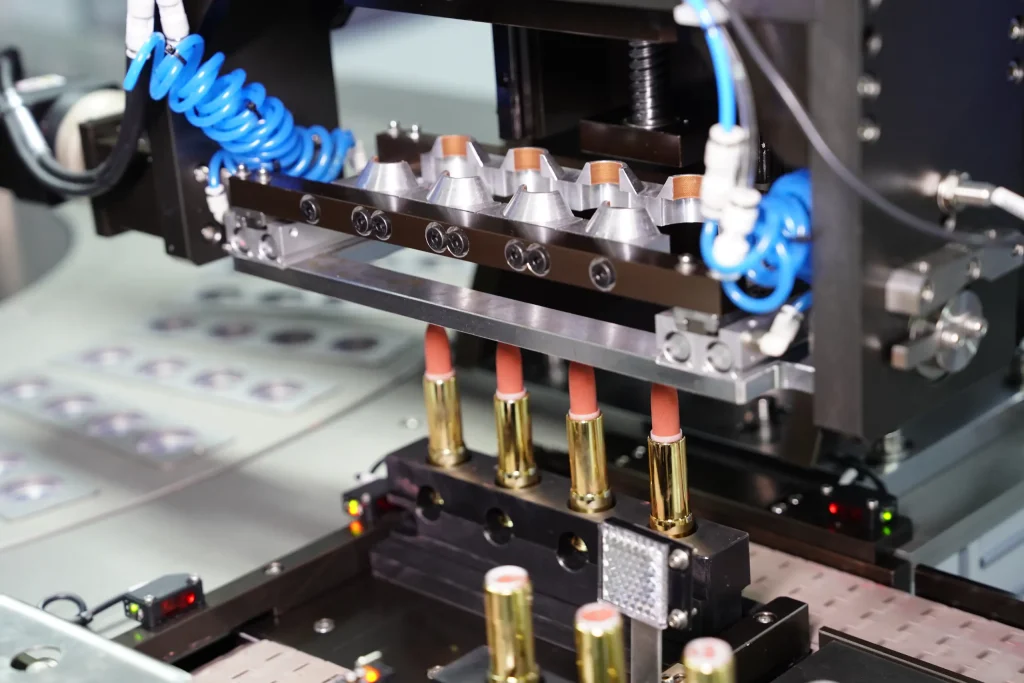
Not every cosmetic manufacturer can reliably support vegan or cruelty-free positioning.
When selecting a private label makeup manufacturer, brands should evaluate:
The availability of these alternatives has made vegan cosmetics more commercially viable across premium and mass-market segments.
Frequently Asked Questions
Is vegan makeup always cruelty-free?
No.
Vegan only refers to ingredients. Animal testing policies are separate.
Is cruelty-free makeup always vegan?
No.
Cruelty-free products may still contain animal-derived ingredients.
Which is better: vegan or cruelty-free makeup?
Neither is universally better.
The better choice depends on whether the priority is ingredient sourcing, animal welfare, sustainability, or broader ethical positioning.
Why do brands use both claims together?
Because consumers increasingly expect both ingredient ethics and ethical testing standards.
Do vegan cosmetics perform differently?
Modern vegan formulations can achieve comparable texture, wear time, pigmentation, and stability to conventional formulas.
Final Takeaway
Vegan makeup and cruelty-free makeup are not the same.
- Vegan makeup focuses on excluding animal-derived ingredients.
- Cruelty-free makeup focuses on eliminating animal testing.
For beauty brands, understanding this distinction is important for product development, compliance, and consumer positioning.
The strongest market positioning often comes from combining both standards with transparent manufacturing and reliable ingredient sourcing.
For brands developing private label vegan or cruelty-free cosmetics, selecting a manufacturing partner with formulation expertise, flexible MOQ support, and scalable production capability can significantly reduce time-to-market.
Guangdong AKIA Cosmetic Co., Ltd. operates a 40,000-square-meter manufacturing facility in Foshan, China, with more than 40 years of cosmetics manufacturing experience, supporting both startups and established beauty brands through low MOQ production and fast lead times.
Read More >> How Beauty Brands Can Meet FDA MoCRA & EU Compliance