

Lip gloss is more than just shine on lips; it interacts with light, moisture, and pigment to alter how lips look. Its consistency and finish differentiate it from other lip products, offering a mix of cosmetic appeal and subtle visual effects.
Composition and Key Ingredients of Lip Gloss
Most lip glosses are made from a blend of oils, waxes, and pigments. Oils provide slip and shine, while waxes stabilize the formula, preventing it from separating. Some glosses include emollients like shea butter or vitamin E to add softness. Pigments, mica, or pearlescent powders create color and reflective effects.
The ratio of oils to waxes affects texture. A higher oil content gives a wet, glossy finish but may feel sticky, while more wax creates firmness and longer wear. Understanding these components helps makeup users predict how a gloss will behave, whether it layers over lipstick or stands alone.
Differences Between Lip Gloss, Lip Balm, and Lipstick
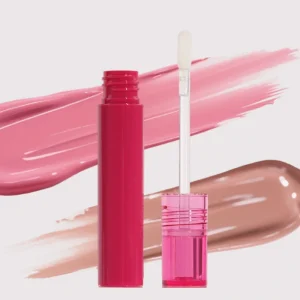
Lip balm primarily focuses on hydration and protection. It contains oils and waxes but minimal pigment, often including SPF or soothing extracts. Lipstick emphasizes color and coverage with a denser wax-to-oil ratio, giving solid opacity and longer wear.
Lip gloss sits between these categories. It offers shine, some color, and a lighter texture. Unlike balm, gloss is cosmetic first, not medicinal, and unlike lipstick, it emphasizes gloss and reflection over full coverage. Many users layer gloss over lipstick to combine pigment with shine.
How Lip Gloss Enhances Lip Appearance
Lip gloss modifies how light interacts with lips, creating the illusion of fullness. Sheer or tinted glosses can soften harsh lines, highlight natural curves, and emphasize the pout. Reflective particles like mica or shimmer scatter light, making lips appear smoother and more three-dimensional.
Gloss can also be used strategically in makeup. Applying it to the center of lips over a matte base draws attention and gives depth. This optical effect is subtle but effective, helping lips look hydrated and plump without changing their natural shape.
Classic Clear Lip Gloss Types
Clear lip gloss is the most basic form, yet it plays a versatile role in makeup. It doesn’t rely on color to create impact but enhances the natural shape and moisture of the lips.
Transparent Gloss for Everyday Shine
Transparent gloss is free from pigment and relies entirely on reflective oils and shine agents. Its main function is to highlight natural lips, creating a wet, fresh appearance. Because it lacks color, it works with any skin tone and pairs easily with neutral or bold makeup looks.
The formula usually contains a higher oil content, which gives a smooth glide and immediate shine. Some versions also include hydration elements like hyaluronic acid or vitamin E. Users often apply it directly from the wand, allowing quick, mess-free touch-ups.
Sheer Gloss With Light Tint
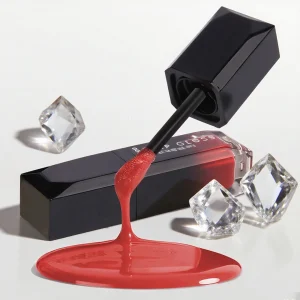
Sheer tinted gloss adds just enough color to enhance lips subtly while maintaining a glossy finish. Unlike opaque lipsticks, the tint blends with natural lip tone, giving a soft, everyday flush. The translucency allows natural lip lines and highlights to show through, preserving dimension.
The pigments used are typically lightweight and finely milled, so they don’t affect the texture of the gloss. Some sheer glosses also include shimmer or sparkle, which adds light reflection without overpowering the natural color. It’s ideal for casual wear or when minimal makeup is desired.
Layering Clear Gloss Over Lipstick
Clear gloss is often layered over lipstick to modify texture and finish. Applying it on top of a matte or satin lipstick gives the illusion of plump, hydrated lips without altering the original color. Layering also allows control over shine intensity and can create subtle gradients at the lip center.
This technique requires attention to application tools. Wands or brushes should deposit gloss lightly to avoid smudging the base color. Layering works best with formulas that have similar oil content to prevent separation, ensuring a smooth, cohesive look that lasts longer.
Pigmented Lip Glosses
Pigmented lip glosses combine shine with color, offering more visual impact than clear gloss. They range from subtle washes of tint to bold, fully saturated hues.
Sheer Color vs. Full-Coverage Pigments
Sheer colored glosses add just a hint of tint, allowing natural lip tones to show through. They are forgiving, easy to layer, and ideal for everyday wear. The light pigmentation often pairs well with minimal makeup and can be combined with multiple layers for more intensity.
Full-coverage pigmented glosses, in contrast, provide strong, opaque color in a single swipe. They are similar to a glossy lipstick in impact but retain a high-shine effect. These glosses often contain denser pigment concentrations, which may slightly alter the texture, making careful application essential to avoid streaking or unevenness.
Balancing Pigmentation With Shine
High-pigment glosses must maintain enough oils and emollients to preserve their glossy effect. Too much pigment can reduce slip and make the gloss appear thick or sticky. Formulators balance pigment load with reflective agents to ensure the lips remain shiny and hydrated-looking.
Layering can also help balance intensity. Applying a sheer layer first and building up color prevents patchiness while maintaining the natural wet finish. This method is particularly useful for professional or evening looks where both color and shine are key.
Choosing Pigmented Gloss for Different Skin Tones
Selecting the right shade enhances both lip shape and overall complexion. Warm skin tones may complement coral, peach, or berry shades, while cooler tones often pair well with pinks, mauves, or wine shades. Neutral tones can be versatile, working across many skin types.
Subtle adjustments in pigmentation can also affect perceived fullness. Slightly lighter or brighter shades reflect more light, making lips appear plumper. Observing how gloss interacts with natural lip color and undertones ensures a flattering, cohesive finish.
Shimmer and Metallic Lip Glosses
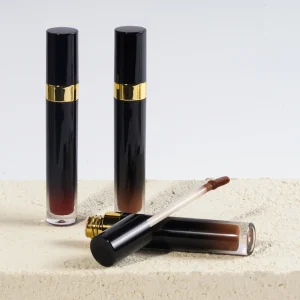
Shimmer and metallic glosses add a reflective, eye-catching finish beyond standard shine. They use finely milled reflective particles to scatter light, creating the illusion of depth, texture, and dimension. These glosses are popular for special occasions or creative makeup looks and can transform simple lip color into a dynamic focal point.
Glosses With Fine Glitter or Pearlescent Pigments
Shimmer glosses contain fine mica or pearlescent pigments that create subtle sparkle, while metallic glosses often include reflective powders that produce a foil-like effect. The size and concentration of these particles determine how intense the reflection appears.
Fine particles provide a soft glow suitable for everyday wear, while larger particles create bolder highlights. Formulators balance pigment size with emollients to prevent gritty texture and maintain smooth application.
Achieving Dimension and Light Reflection
Shimmer and metallic glosses enhance natural lip contours by reflecting light at different angles. Applying gloss to the center of the lips or on top of a matte lipstick can create a fuller, more three-dimensional appearance. Layering multiple gloss types can further enhance contrast and highlight natural curves.
These optical effects are especially noticeable in photography or stage lighting, where the interplay of shimmer and lip shape becomes more dramatic. Even subtle reflections can make lips appear more hydrated and sculpted in everyday lighting.
>> What ingredients make your lips plump?
Combining Metallic Gloss With Other Lip Products
Metallic or shimmer glosses are often layered over matte or pigmented lipsticks to add depth without changing the base color. Lightly applying gloss prevents streaking or clumping while enhancing vibrancy.
Using a lip liner underneath can help define edges, ensuring shimmer does not migrate beyond the lip line. Careful layering techniques maintain both color integrity and a high-gloss finish, creating a polished, multidimensional look.
Lip Gloss With Plumping Effects
Plumping lip glosses combine shine with temporary volume enhancement, giving lips a fuller appearance. They rely on specific ingredients and subtle optical effects rather than permanent structural changes.
Ingredients That Temporarily Enhance Volume
Plumping glosses often contain mild irritants or circulation-boosting compounds, such as menthol, capsicum extract, or peptides. These ingredients create a tingling sensation and slightly increase blood flow, which can make lips appear fuller and more vibrant.
Other formulas may include hyaluronic acid or glycerin to draw in moisture, adding additional swelling and hydration. The combination of gloss shine with these ingredients maximizes the visual effect without invasive procedures.
Mechanisms Behind Plumping Glosses
Plumping glosses work through temporary expansion of lip tissue and optical effects. Irritant compounds stimulate blood vessels near the lip surface, creating a subtle swelling. Meanwhile, reflective particles scatter light across the lips, enhancing perceived fullness.
Layering plumping gloss over a base color or clear gloss can amplify these effects. Users often focus application on the center of the lips to enhance volume where it’s most visible, creating a naturally augmented pout.
Considerations for Sensitive Skin
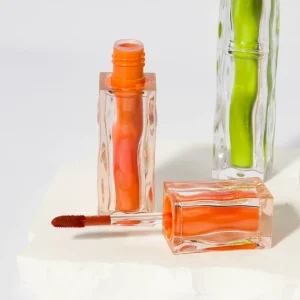
Because plumping ingredients create mild irritation, they may not be suitable for all skin types. Users with sensitive or easily inflamed lips should perform patch tests before full application.
Some formulas minimize discomfort by combining plumping agents with soothing emollients like shea butter, aloe, or vitamin E. These balance hydration and tingle, reducing the risk of redness, burning, or dryness while maintaining temporary volumizing effects.
Long-Wear and High-Gloss Formulations
Long-wear lip glosses are designed to maintain shine and color over extended periods without frequent reapplication. They balance glossiness with durability, often using a mix of film-forming agents and lightweight emollients.
Gloss That Lasts vs. Gloss That Feels Lightweight
High-gloss, long-wear products often include polymers or silicone derivatives that form a thin, flexible film on the lips. This creates extended wear but can sometimes feel heavier or sticky. In contrast, traditional lightweight glosses rely more on oils and waxes, giving a softer, more natural feel but requiring more frequent touch-ups.
Choosing between these depends on user priorities. Those seeking longevity may tolerate slightly more texture, while users preferring comfort may reapply lighter formulas more often. Many products aim for a balance, offering a glossy appearance without excessive tackiness.
Ingredients That Help With Longevity
Long-wear glosses often contain film-forming agents, silicone derivatives, and thickening polymers. These components help the product adhere to the lips, resist smudging, and maintain shine throughout the day.
Some formulations also include humectants, such as glycerin or hyaluronic acid, to prevent lips from drying while the gloss lasts. This combination ensures that lips remain hydrated and glossy without compromising comfort.
Layering Long-Wear Gloss Without Dryness
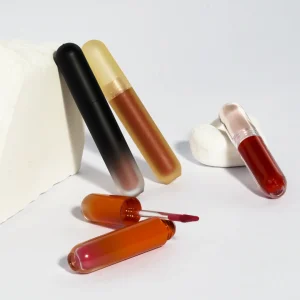
Layering a long-wear gloss can enhance shine and depth but requires careful technique to avoid dryness or clumping. Applying a thin base layer, allowing it to set, and then adding additional coats ensures smooth, even coverage.
Using a hydrating lip balm beforehand can prevent the film-forming agents from pulling moisture out of the lips. This step is especially important for users with naturally dry lips or when wearing gloss for several hours.
Tinted and Flavored Lip Gloss
Tinted and flavored lip glosses combine color, shine, and sensory appeal to enhance the overall lip experience. They offer a playful or subtle twist on traditional gloss by adding color while stimulating the senses with taste or scent.
Enhancing Color While Providing Shine
Tinted gloss adds subtle or pronounced color while retaining the reflective qualities of traditional gloss. Sheer tints allow natural lip color to show through, whereas more pigmented formulas can stand alone or be layered over lipstick for extra vibrancy.
The combination of tint and shine creates depth and dimension, making lips appear fuller and more defined. Layering techniques can help achieve the desired intensity without sacrificing smoothness or gloss consistency.
Natural and Artificial Flavors in Gloss
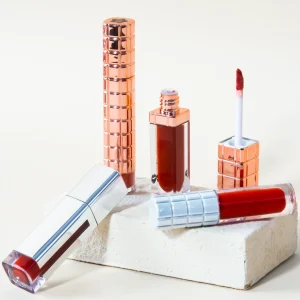
Flavored glosses often include natural extracts, like fruit or mint, or carefully formulated artificial flavors. These ingredients are primarily for sensory enjoyment, adding taste and scent without compromising safety or cosmetic performance.
Manufacturers balance flavor intensity to avoid irritation or discomfort. Mild flavoring encourages frequent use, especially in casual or playful settings, while still keeping the product suitable for all-day wear.
Sensory Appeal and Application Experience
Tinted and flavored glosses enhance the tactile and olfactory aspects of lip makeup. The scent and taste can make application more enjoyable and reinforce consistent use, especially in younger or beginner users.
Some glosses also include light shimmer or subtle sparkle, further increasing the sensory experience. By engaging multiple senses—sight, touch, and taste—these products provide a more immersive and satisfying cosmetic effect.
Specialty and Innovative Lip Gloss Types
Specialty lip glosses go beyond traditional finishes, offering unique visual effects, enhanced care, or trend-driven designs. These innovative products often combine cosmetic appeal with functional benefits, making them popular for creative makeup looks, targeted hydration, or seasonal collections.
Holographic and Iridescent Glosses
Holographic and iridescent glosses use light-reflecting pigments to create multi-dimensional effects. Depending on the angle and lighting, these glosses can shift color or produce a rainbow-like sheen.
They often combine mica, pearlized pigments, and fine glitter to enhance the optical effect. While visually striking, application requires even layering to prevent streaking and maintain a smooth surface that reflects light consistently.
Moisturizing and Treatment-Infused Gloss
Some specialty glosses include moisturizing or treatment ingredients like hyaluronic acid, ceramides, or vitamins. These formulations aim to hydrate, soothe, and protect the lips while providing a glossy finish.
They are particularly useful for users with dry or sensitive lips. By combining cosmetic shine with skincare benefits, these glosses can be applied alone or over lipstick without compromising comfort or appearance.
Seasonal or Limited-Edition Gloss Trends
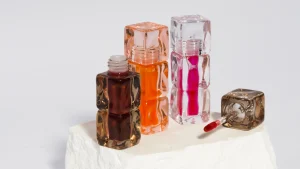
Brands often release glosses tied to seasonal trends or special collections, featuring unique colors, scents, or finishes. These products may use innovative pigments, themed packaging, or limited-run formulas to attract collectors and trend-conscious users.
While primarily cosmetic, these glosses encourage experimentation with bold or unusual shades, finishes, or textures. They also demonstrate how makeup innovation combines aesthetics, sensory appeal, and marketing creativity.
Application Techniques for a Perfect Lip Gloss Finish
Applying lip gloss properly can dramatically enhance its appearance and longevity. Techniques vary depending on the type of gloss, base products, and desired effect.
Tools and Methods for Smooth Application
Most glosses come with wands or brushes designed for precise application. Wands allow controlled placement along the lip contour, while brushes can spread product evenly for smoother coverage.
Before applying, it helps to exfoliate lips lightly and apply a thin layer of balm or primer. This creates a smooth surface, preventing gloss from settling into fine lines or uneven patches. Gentle strokes and small amounts of product reduce clumping and maintain a glossy, uniform finish.
Layering With Other Lip Products
Layering gloss over lipstick, liner, or tinted balm can enhance color intensity, shine, and dimension. Sheer glosses are ideal for softening harsh lipstick edges, while high-shine glosses emphasize fullness.
When layering, apply the base product first, blot lightly, then add a thin gloss layer. This method prevents mixing or streaking and allows gradual build-up of shine. Strategic placement, such as focusing on the center of the lips, adds a subtle plumping effect.
Avoiding Feathering and Smudging
Feathering occurs when gloss spreads beyond the natural lip line. Using a lip liner or a precise wand helps contain product. Some glosses include polymers or film-formers that reduce migration, especially in long-wear formulas.
Reapplying small amounts rather than a thick layer helps maintain control and prevents smudging. Blotting lightly after the first coat can also improve adherence. These techniques ensure a polished, high-shine finish that lasts without compromising comfort.
Maintenance, Storage, and Longevity Tips
Lip glosses are delicate formulations that can separate, dry out, or lose shine over time. Proper maintenance and storage help preserve texture, color, and performance.
Proper Storage to Prevent Separation
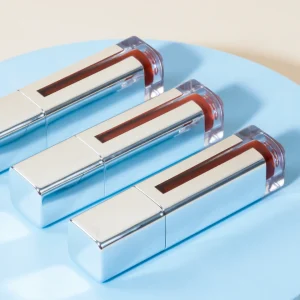
Most lip glosses contain oils, waxes, and pigments that can separate if stored improperly. Keeping gloss upright in a cool, dry place prevents pooling or layering of ingredients.
Avoid exposing gloss to direct sunlight or extreme heat, which can alter texture and color. Tightly closing caps after each use also limits air exposure and maintains a smooth, uniform consistency.
Checking Expiration and Product Stability
Like other cosmetics, lip gloss has a finite shelf life. Ingredients can degrade, changing texture, smell, or performance. Always check the manufacturing date or recommended expiration, typically indicated on the packaging.
Changes in smell, color, or consistency can signal that a product is no longer safe or effective. Replacing expired gloss ensures both optimal appearance and skin safety.
Maintaining Shine and Consistency Over Time
To maintain consistent shine, gently mix gloss that has slightly separated before application. Avoid shaking vigorously, which can introduce air bubbles.
Regular cleaning of applicators prevents contamination and preserves smooth application. For long-term use, consider small batches of gloss at a time, especially for products with high oil content, to ensure optimal texture and visual performance throughout its lifespan.
Conclusion
From clear and tinted to shimmer, metallic, or plumping glosses, each type offers unique effects. Proper application, layering, and storage ensure a polished finish and long-lasting wear, making every lip look vibrant, full, and well-cared-for.
>> Is Lip Gloss Good or Bad for Your Lips? The Truth Behind the Shine