
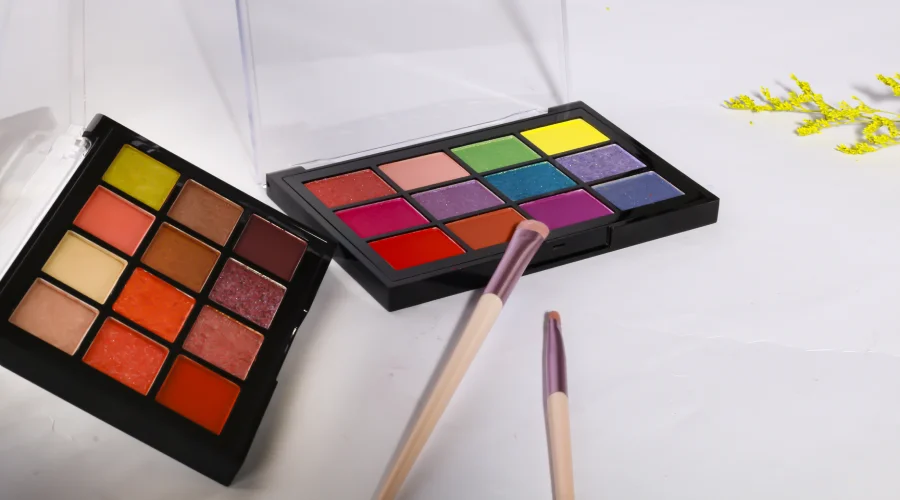
Cleaning a makeup palette is not just about looks. Dirt, oils, and product buildup can affect how your makeup performs. Over time, these residues change color, texture, and application. A clean palette ensures that products maintain their intended finish and behave consistently.
Regular cleaning also prevents contamination and protects both skin and product. Understanding the science behind residue and bacteria helps explain why hygiene is essential for professional and home use alike.
Hygiene and Skin Health
Makeup palettes come in direct contact with skin. Oils, sweat, and dead skin cells accumulate with repeated use. If left unchecked, these can trigger breakouts, irritation, or allergic reactions. Cleaning removes these substances, reducing the risk of skin issues.
Hygiene is especially important for sensitive skin. Even minor residues from one shade can mix into another, introducing unwanted particles. Maintaining a clean palette helps keep your application smooth and prevents skin discomfort over time.
Preventing Bacterial Contamination
Bacteria grow quickly in warm, moist environments. Makeup palettes, particularly cream or liquid types, can become a breeding ground if not cleaned. Studies show that contaminated cosmetics can host staphylococcus and other microbes (Fiume, 2015).
Regular cleaning, using safe solutions or alcohol wipes, limits bacterial buildup. Even small habits, like wiping the surface after daily use, reduce the chance of infections. This is critical for anyone sharing products or using them on clients.
Extending the Lifespan of Your Products
Residual buildup changes product texture and color. Powders can harden, creams can dry out, and liquid formulas can separate. Cleaning removes old layers, allowing fresh product to stay effective.
By maintaining cleanliness, the palette performs as intended longer. This also helps avoid waste. Clean surfaces mean less risk of contamination affecting the product’s quality, ensuring pigments, creams, and powders last and remain safe to use.
Types of Palettes and How They Affect Cleaning
Not all palettes are the same, and their type affects how you should clean them. Powder, cream, and mixed media palettes behave differently under moisture, pressure, and cleaning solutions.
Powder Palettes (Eyeshadow, Blush, Contour)
Powder palettes are common and delicate. The surface can collect fallout, loose particles, and oils from brushes or fingers. Cleaning requires a light touch to avoid cracking or removing pigment.
Surface wipes, soft brushes, or a quick sweep with a clean cloth often remove debris. Avoid excessive liquid; powders absorb moisture and can change texture. Light cleaning keeps the product usable without affecting color or performance.
Cream and Liquid Palettes
Cream and liquid palettes are more prone to bacterial growth because they retain moisture. Even a small amount of product left on the edges can spoil the rest over time.
Cleaning requires careful removal of residue using alcohol wipes or sanitized spatulas. Avoid soaking the product. Regular cleaning prevents separation, drying out, or contamination, ensuring the formulas remain safe and smooth.
Mixed Media Palettes
Mixed media palettes combine powders, creams, and sometimes liquids. They require a hybrid cleaning approach. One wrong method can damage one type of product while trying to clean another.
Use gentle, targeted tools and avoid excess moisture. For powders, sweep lightly; for creams, use sanitized spatulas or wipes. Keeping each section clean without mixing formulas prevents contamination and preserves the intended texture and color of all products.
Tools and Materials You’ll Need for Safe Cleaning
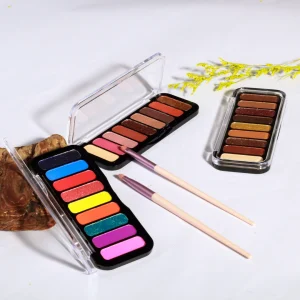
Cleaning a palette properly requires the right tools and materials. Using unsuitable items can damage the product or leave residue. Choosing brushes, spatulas, cloths, and safe cleaning solutions ensures hygiene while maintaining texture, color, and performance.
Brushes and Spatulas
Brushes and spatulas are essential for reaching every part of a palette. Soft, clean brushes help sweep away powder debris without cracking or removing pigment. Spatulas work well for creams and liquids, allowing you to lift product safely from the edges.
Using dedicated tools also prevents cross-contamination. Avoid sharing these tools between palettes unless they are cleaned between uses. Consistency in tool hygiene keeps both the palette and skin safer.
Cleaning Cloths and Wipes
Microfiber cloths or lint-free wipes are ideal for removing surface debris. They reduce the risk of scratching or leaving fibers behind. Alcohol wipes are useful for sanitizing edges or surfaces, particularly with cream and liquid formulas.
For daily maintenance, a gentle wipe is usually enough. Deep cleaning sessions can involve more thorough use of cloths with minimal cleaning solution. This balances hygiene with product preservation.
Safe Cleaning Solutions and Alcohol
Use solutions designed for cosmetic hygiene. Rubbing alcohol (around 70%) is commonly used because it disinfects without leaving sticky residue. Avoid soaps or harsh chemicals, as these can alter the texture or color of powders and creams.
Apply solutions sparingly, ideally on tools or cloths rather than directly on the palette. This prevents over-wetting, which can lead to clumping, separation, or accelerated drying. Controlled application ensures safe cleaning and longer product life.
Step-by-Step Method for Cleaning Powder Palettes
Cleaning powder palettes requires precision to maintain pigment and texture. Unlike creams, powders can crumble or change texture if exposed to too much moisture or harsh tools. Following a careful, step-by-step method ensures hygiene without reducing the palette’s lifespan.
A clean powder palette also prevents cross-contamination between shades, preserves color payoff, and keeps brushes from picking up residue from previous uses.
Removing Surface Debris
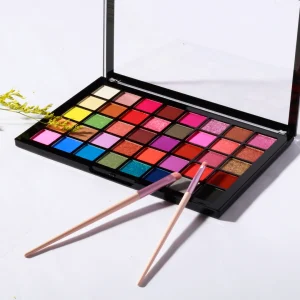
Start by gently removing any loose particles on the surface. Use a soft, clean brush or a lint-free cloth to sweep away fallout from other shades. Avoid pressing too hard, as this can crack the powder.
For stubborn debris, lightly tap the palette upside down or use a small handheld vacuum on low suction. This removes excess powder without affecting the pressed pans. Regular surface cleaning reduces buildup and makes the next step easier.
>> Top 10 Secrets to Finding the Best Makeup Eyeshadow Palette
Sanitizing Without Damaging the Powder
Powder palettes can be sanitized using a minimal amount of rubbing alcohol (around 70%). Lightly mist the surface from a distance—do not soak it. Alcohol kills bacteria but evaporates quickly, leaving no residue.
Avoid pouring or drenching the palette. Instead, spray gently or dip a small brush into alcohol and swipe the surface carefully. This method maintains the texture and prevents clumping while reducing microbial growth.
Drying and Storing Properly
After cleaning, let the palette air dry completely before closing the lid. Avoid using towels or tissues, which can leave fibers behind. Ensure the palette is kept in a cool, dry place away from direct sunlight.
Proper storage reduces moisture exposure and prevents bacteria from returning. Regularly wiping the exterior and keeping the palette upright also prevents dust and debris from contaminating the clean surface.
Step-by-Step Method for Cleaning Cream or Liquid Palettes
Cream and liquid palettes are more delicate than powders. They hold moisture, making them prone to bacterial growth and formula separation. Cleaning them carefully preserves texture, color, and hygiene while keeping them safe for daily use.
Removing Residue Safely
Use a sanitized spatula to gently lift leftover product from the edges or mixing areas. Avoid using fingers directly, as oils and bacteria can transfer. For surface cleaning, a minimal amount of 70% alcohol on a cotton swab works well to sanitize without soaking the palette.
Be careful not to disturb the main product in each pan. Light, targeted cleaning removes buildup while leaving the formulas intact. Regular residue removal prevents cross-contamination between shades.

Preventing Product Separation or Drying Out
Excess liquid or harsh wiping can separate oils and pigments in creams and liquids. Always clean with a controlled, gentle touch. Never pour alcohol directly into pans; instead, apply it sparingly on tools or cloths.
After cleaning, allow the palette to sit closed in a cool, dry environment. This helps the formula maintain its original consistency. Avoid exposing the palette to heat or air for long periods, which accelerates drying.
Tips for Daily Maintenance
For everyday use, a quick wipe with a sanitized cloth or cotton swab can remove surface oils and prevent buildup. Keep spatulas dedicated to each palette to reduce contamination.
Store the palette upright, away from humidity and sunlight. Performing small daily touch-ups limits the need for deep cleaning, protects the product, and keeps the palette hygienic over time.
How Often You Should Clean Your Palette
Knowing when to clean a palette is as important as how to clean it. Over-cleaning can waste product or damage formulas, while under-cleaning increases bacterial growth and reduces hygiene. Balancing daily maintenance with occasional deep cleaning keeps palettes safe and functional.
Daily Quick Wipe vs. Deep Cleaning
A daily quick wipe removes surface oils, debris, and light fallout. Use a clean brush, cloth, or sanitized cotton swab. This prevents buildup and keeps colors true between uses. Quick wipes are fast and minimally invasive, suitable for powders, creams, and liquids alike.
Deep cleaning should happen periodically, depending on usage. This includes removing layers of residue, sanitizing surfaces with alcohol, and checking for damaged pans or dried edges. Deep cleaning restores hygiene and reduces the chance of bacteria spreading.
Factors That Affect Cleaning Frequency
Skin type influences how often a palette needs attention. Oily or acne-prone skin can transfer more sebum, requiring more frequent cleaning. Dry or sensitive skin may need less, but hygiene remains important.
Product use also matters. Cream and liquid palettes, or palettes shared with others, need more regular cleaning. High-frequency use accelerates residue buildup. Observing how quickly surfaces become dirty helps determine the right schedule for daily wipes and deep cleaning.
How to Maintain a Clean Palette Between Uses
Keeping a palette clean between uses saves time and protects the product. Small habits prevent buildup, reduce contamination, and make deep cleaning less frequent. Proper maintenance ensures colors remain true and the texture stays consistent.
Quick Daily Wipes
A quick daily wipe removes surface oils, dust, and light fallout. Use a lint-free cloth, microfiber wipe, or sanitized cotton swab. For cream or liquid palettes, lightly swipe the edges to prevent residue from spreading.
This short routine prevents debris from mixing into clean product. Doing it daily reduces the need for heavy cleaning and keeps each shade fresh.
Avoiding Cross-Contamination Between Colors
Use separate brushes or spatulas for different shades, especially in cream or liquid palettes. Avoid double-dipping into pans with leftover residue.
When powders are used, lightly tap off excess on the brush before applying. These small steps prevent colors from blending unintentionally and keep each pan clean and hygienic.
Storing Palettes to Reduce Dust and Dirt
Always store palettes in a closed container or drawer to protect from dust and airborne particles. Keep them upright and away from humidity or direct sunlight.
Proper storage also prevents accidental knocks that can crack powders or spill creams. A clean, organized palette stays safe, hygienic, and ready to use at all times.
Conclusion
Cleaning a makeup palette is essential for hygiene, product longevity, and consistent performance. Different formulas—powder, cream, or liquid—require tailored methods, tools, and cleaning frequency. Daily quick wipes, careful sanitization, and proper storage prevent contamination and maintain texture.
>> How Do I Start a Private Label Product? A Step-by-Step Guide