

Putting on makeup isn’t just about what you use. It’s also about when you use it. For beginners, learning the right order means fewer mistakes, smoother blending, and makeup that looks better longer.
The Science Behind Layering Products
Skin is like a canvas. If you start with thick, oily layers, water-based formulas won’t stick. That’s because makeup follows a basic rule: thin to thick, or water to oil.
Moisturizers and primers go on first so they can sink in. Then come water-based foundations. Cream blush or eyeshadow should follow before setting powders. Powders come last because they can block liquids from absorbing well.
Layering makeup in this way allows each product to do its job without getting mixed up or pushed around. If you skip this logic, lipstick might smear, and foundation might not last.
How Improper Order Can Affect Longevity and Finish
Imagine putting powder on first, then liquid foundation. It clumps. Same goes if you apply blush before blending foundation—it looks uneven. Even something like eyeshadow works best on a smooth, primed lid.
>> What Does Eyeshadow Do in Makeup? Unveiling Its Powerful Role
The wrong order doesn’t just ruin texture. It changes color payoff, too. A matte lipstick won’t look smooth if your lips were glossed first. Skipping primer can also cause makeup to slide or melt, especially in heat or humidity.
New makeup users often blame the product when the problem is actually the process. Mastering order fixes that.
Prepping Your Skin Before Makeup: The Often Skipped First Step
Before you reach for foundation or eyeshadow, your skin needs attention. Prepping isn’t just a bonus—it’s the base. Skipping it can lead to cakey makeup, dry patches, or fast fading.
Cleansing and Exfoliation
Start with clean skin. Dirt, oil, and old makeup create a rough surface. A gentle cleanser clears this away.
Once or twice a week, add exfoliation. It removes dead skin cells and helps makeup glide on more smoothly. Avoid scrubbing too hard—it can cause redness or irritation.
Hydration with Moisturizer and Eye Cream
Dry skin and makeup don’t mix well. Use a light, fast-absorbing moisturizer to soften the skin. This keeps foundation from clinging to dry spots.
If you use eye makeup, dab on a bit of eye cream. It smooths the under-eye area and helps concealer settle better. Let both products absorb fully before continuing.
Applying Sunscreen (SPF)
If you’ll be outside, SPF is a must. UV rays can damage skin even on cloudy days. Choose a broad-spectrum sunscreen (SPF 30 or higher) that layers well under makeup.
Wait about 1–2 minutes after applying sunscreen before moving to the next step. This helps prevent pilling or smudging.
When and Why to Use a Primer
Primer creates a smooth, grippy surface for makeup. Think of it like double-sided tape between your skin and foundation.
There are many types: some reduce shine, others blur pores, and some hydrate. You don’t always need one, but if your makeup fades fast or creases often, primer can help.
Apply a small amount with clean fingers or a brush, focusing on the T-zone or areas where makeup breaks up first.
What Is the Correct Order to Apply Face Makeup for Beginners?
Face makeup works best when layered with care. Each product has a role, and using them in the right order helps them blend better and last longer.
Foundation vs. BB Cream: Which Comes First?
If you’re using both, choose one—don’t layer them. BB cream (short for “beauty balm”) is a lighter product. It hydrates, evens tone, and often includes SPF.
Use BB cream alone for a simple, quick look. If you want more coverage, go with foundation instead. Always start with whichever one you’re using and blend it evenly with a brush, sponge, or clean fingers.
Avoid putting foundation over BB cream unless you’re aiming for very full coverage. That can lead to product buildup.
How to Apply Concealer After Base
Once your base is set, use concealer where needed—usually under the eyes, around the nose, and on blemishes.
Use a lighter concealer for under the eyes to brighten. For spots, choose one that matches your skin tone. Dab gently with a fingertip or sponge to blend.
Avoid dragging or rubbing; tapping keeps the product in place and prevents streaks.
Setting the Base with Powder
Powder locks your foundation and concealer in place. It also helps control shine, especially in oily areas like the forehead or nose.
Use a fluffy brush to dust a light layer of translucent or skin-toned powder across your face. Focus on areas where makeup tends to shift.
Don’t overdo it—too much powder can make the skin look dry or heavy. Just enough to keep things from sliding around.
How to Layer Eye Makeup the Right Way: Beginner Tips for Eye Primer to Mascara
Your eyes draw attention, so getting the layering right makes a big difference. From primer to mascara, each step builds on the last.
Eye Primer: The Key to Long-Lasting Color
Eye primer creates a smooth, dry base on your eyelids. It helps powder or cream eyeshadow stick better and stay put through the day.
Without primer, eyeshadow can crease or fade, especially if your eyelids are oily. A small dab of primer, gently blended with a fingertip, is all you need.
Some people skip this step, but once you try it, it’s hard to go back.
Eyeshadow Before Eyeliner: Here’s Why
Start with eyeshadow. It’s easier to build color and blend it smoothly without dragging through lines of eyeliner.
Use light shades first, then add darker colors to the crease or outer edge. Once you’re done blending, move on to eyeliner.
Doing liner after shadow keeps lines crisp. It also helps you adjust the shape if your shadow went a bit wide.
When to Curl Lashes and Apply Mascara
Always curl your lashes before applying mascara. Curling after can damage lashes or smudge your look.
Gently clamp a lash curler at the base of your upper lashes and hold for a few seconds. Then, sweep on mascara from root to tip.
Start with one coat, then build more if needed. Let each layer dry slightly before adding another to avoid clumps.
Eyebrows for Beginners: When to Shape, Fill, and Set
Eyebrows frame your face, and even small changes in shape or tone can shift your whole look. For beginners, the order and tools really matter.
Choosing the Right Tools (Pencil, Powder, Gel)
Eyebrow pencils are best for creating fine lines and defining edges. Powder fills in sparse spots for a softer effect. Gels help hold hairs in place and add tint or shine.
Pick one or two tools to start. A pencil plus clear gel is a simple combo for most beginners. Choose a shade close to your natural hair color—one shade lighter for dark hair, or one darker for light hair.
The Correct Order Within Your Eye Routine
Tidy brows should come after face makeup but before eyeshadow. This helps define your eye area early on, so your shadow placement looks balanced.
If you apply brow powder or gel after your eyeshadow, there’s a chance the pigment may settle into brow hairs and change the color.
Always set your brows last with gel if you want all-day hold—especially useful in humid weather or long days.
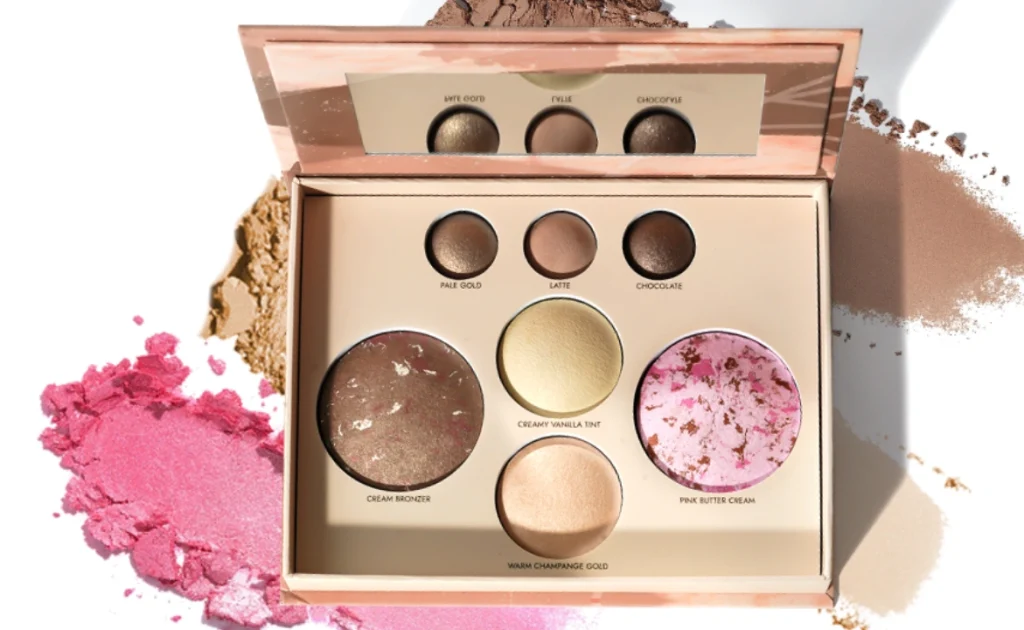
Adding Dimension: Blush, Bronzer, and Highlighter Placement Order
Once your base is set, adding dimension brings life back to your face. But which comes first: bronzer or blush? What about highlighter?
Bronzer or Blush First? Why It Depends
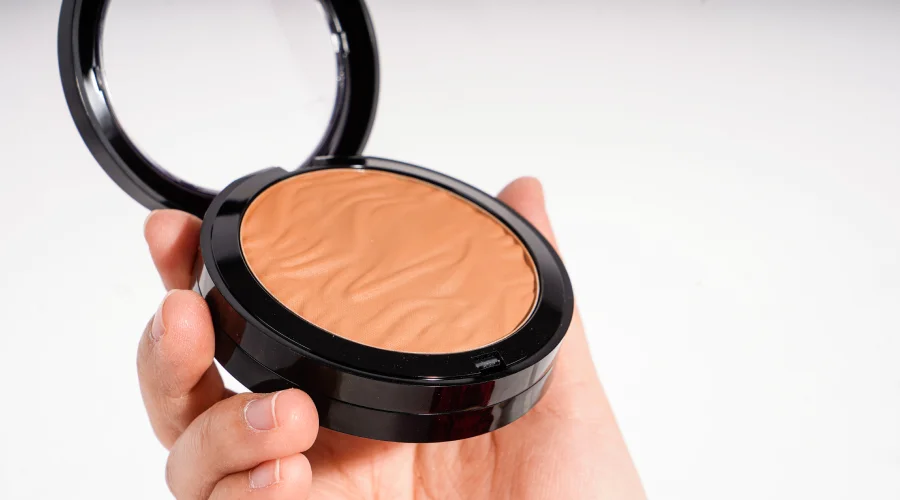
Bronzer usually comes first. It adds warmth and light contour to the outer parts of the face—along the forehead, under cheekbones, and jawline.
Blush follows to add a healthy flush to the cheeks. If you apply blush first, bronzer can cover it up or make the tone look muddy.
Still, some people blend blush and bronzer together for a seamless look. It’s okay to experiment—just use light layers and build slowly.
How to Use Highlighter Without Overdoing It
Highlighter should be last. Apply it to the tops of the cheekbones, brow bones, and the bridge of the nose. A small amount goes a long way.
Too much can look greasy or artificial under certain light. Use a fan brush or fingertip for control, and blend well so it reflects light—not sparkles.
Lip Makeup Order for Beginners: From Balm to Gloss
Your lips deserve just as much attention as your eyes or cheeks. The right lip makeup order helps color last longer and prevents dryness or smudging.
Lip Balm, Then Liner
Always start with a light layer of lip balm. It hydrates your lips and creates a smooth surface for the next steps.
Give the balm a minute to absorb. Then, use lip liner to outline your lips and define their shape. This step also helps prevent lipstick from bleeding outside the lines.
If your liner is soft enough, you can fill in the entire lip with it. This gives your lipstick something to grip.

Lipstick or Lip Gloss—Which Should Go Last?
If you’re wearing both, lipstick goes first. Apply one thin layer, blot with tissue, then apply a second layer for longer wear.
Gloss goes on top for shine. Don’t use too much—just a dab in the center of your bottom lip is often enough.
If you’re skipping lipstick, gloss alone works fine. But for bold colors or matte finishes, skip gloss entirely to avoid smearing.
>> What Color Lipstick Makes Thin Lips Look Bigger?
Setting Your Makeup: Final Steps for a Long-Lasting Look
After all your effort, you want your makeup to last. Setting products help lock things in place without adding heaviness or texture.
When and How to Use Setting Spray
Setting spray is usually the last thing you apply. Hold the bottle about 8–10 inches from your face and mist in an “X” and “T” motion.
Let it dry naturally. Avoid touching your face right after. A good spray can help makeup resist heat, sweat, and friction.
It doesn’t replace powder, but works alongside it—especially if you like a natural, dewy finish.
Blotting or Powder Touch-Ups Throughout the Day
As the day goes on, you may get oily or sweaty. Use blotting paper first to soak up excess oil without disturbing your makeup.
If you need more coverage, tap on a bit of powder with a fluffy brush or sponge. Avoid layering too much or your skin can look cakey.
Carry a small mirror and travel-size products if you expect to be out all day.

Common Beginner Mistakes in Makeup Application Order
Everyone makes mistakes at first. Knowing what to avoid helps you build a smoother routine with fewer touch-ups later on.
Skipping Primer or SPF
Skipping SPF leaves skin unprotected. And primer, while optional, can help foundation apply more evenly and last longer.
Try a sunscreen-primer hybrid if you’re short on time. Without a base, makeup may not sit well—especially around dry spots or large pores.
Applying Concealer Before Foundation
This is one of the most common mix-ups. Foundation first helps neutralize most of the redness or uneven tone. Then, you’ll use less concealer.
If you start with concealer, it may get wiped away when you blend foundation, wasting time and product.
Mixing Cream and Powder Incorrectly
Creams go before powders. Applying powder blush over cream highlighter, for example, can cause clumping or patchiness.
Try to finish all cream-based products (like cream blush or stick bronzer) before setting your face with powder. Then move on to powder products.

Conclusion
Applying makeup in the right order helps you avoid patchiness, smudging, or fading throughout the day. With a bit of practice and the right steps, even beginners can achieve a smooth, polished look that lasts and feels comfortable on the skin.