

Both lip oil and lip gloss have found loyal fans in the beauty world, but they are not the same thing. They serve different roles, come from different formula bases, and feel different when worn. Knowing these differences helps you choose wisely.
Definition and Main Purpose of Lip Oil
Lip oil is a blend of lightweight oils, sometimes with added pigments. It aims to coat the lips in a thin, fluid layer that moves easily with facial expressions. Many formulas use natural plant oils as carriers.
A chemist might compare lip oil to salad dressing—it separates if the blend isn’t done well. The texture tends to glide and spread quickly, making it feel less “sticky” than other lip products. Some users even layer it over a matte stain for comfort.
In the lab, its viscosity is measured to keep it from running off the lips. The choice of oils, from jojoba to mineral, changes the finish. Some have sheer tints, others are clear, and a few can resemble a thin lip glaze.

Definition and Main Purpose of Lip Gloss
Lip gloss is a suspension of waxes, oils, and film-formers designed to create a reflective finish. Unlike lip oil, its texture often comes from thickening agents that give it a cushiony or gel-like feel.
In the 1990s, gloss was everywhere—sticky tubes in school lockers and shimmer-packed formulas at malls. Modern versions may be lighter, but the aim is still shine first, function second.
From a formulation view, lip gloss relies on polymers to cling to the lips. This is why it can stay in place longer than a pure oil. Some formulas blur the line by adding nourishing ingredients, though the base remains more solid than fluid.
How Their Formulas and Textures Differ
Lip oil’s base is primarily liquid oils, so it spreads in a thin coat and absorbs faster. This can make the lips feel bare sooner, though some find that refreshing.
Lip gloss uses a thicker mix of emollients and film-formers. It forms a surface layer that sits on top of the skin, catching light for a wet look. This layer is why it can sometimes feel heavier.
A quick test: tip the tube upside down. If the product moves like water, it’s closer to an oil. If it holds its shape, you’re likely dealing with a gloss. This simple trick has been used by beauty formulators for decades.
Key Ingredients in Lip Oil vs. Lip Gloss
The difference between lip oil and lip gloss often starts at the ingredient list. Oils, waxes, and polymers play distinct roles, and their proportions shape how each product behaves on your lips.
Common Nourishing Oils in Lip Oils
Lip oils often feature plant-based options such as jojoba, argan, avocado, or rosehip. These oils are chosen for their light texture and smooth spread.
A formulator might blend several oils to balance feel and absorption. For instance, coconut oil can soften but may feel greasy if used alone, while jojoba helps stabilize the mix.

Some lip oils include synthetic esters, which mimic natural oils but have a lighter weight. These can prevent the product from feeling too slick, a common challenge in oil-based cosmetics.
Typical Shine-Boosting Ingredients in Lip Gloss
Lip gloss relies less on pure oils and more on substances that create lasting shine. Common choices include hydrogenated polyisobutene or polybutene—thick, clear liquids that cling to the lips.
Waxes, such as microcrystalline or synthetic beeswax, help the gloss keep its structure. Without them, it would slide off almost like a lip oil.
Mica or pearlescent pigments are sometimes added for a reflective shimmer. In some formulas, a fine layer of silica powder is mixed in to scatter light and create a “soft focus” effect.
Additives and Preservatives to Be Aware Of
Both lip oil and lip gloss can contain stabilizers, antioxidants, and preservatives. For oils, vitamin E is often used to slow oxidation, which can cause rancidity.
Gloss formulas may use parabens or phenoxyethanol to keep microbes at bay, especially since the tube’s applicator contacts the lips repeatedly.
Colorants and flavoring agents are also common. While safe in approved amounts, they can sometimes trigger mild irritation in sensitive users—a detail worth noting if you’ve ever had an unexplained lip reaction.
>> Is It OK to Apply Lip Gloss Every Day? A Beauty Expert’s Guide
Benefits of Using Lip Oil
Lip oil isn’t just about looking good in the moment. Its blend of lightweight oils and skin-friendly additives can influence how your lips feel and look over time.
Long-Term Hydration and Lip Care
Because lip oils contain emollients that seep into the skin, they can help reduce surface dryness over hours rather than minutes. This is different from gloss, which mostly coats the surface.
Imagine sipping coffee on a windy day. A thin layer of lip oil can still leave your lips feeling flexible afterward, while some glosses might need frequent reapplication.
The oils also support the natural barrier function of the lips, slowing down moisture loss. This is why some people notice fewer flaky patches after consistent use.
Lightweight, Natural Finish
Lip oils usually have a thinner texture than gloss, which makes them feel less heavy. This means they move more naturally with your lips instead of forming a sticky layer.
If you dislike the sensation of “wearing product,” this texture can feel almost invisible. It’s like wearing a tinted balm, but with a smoother glide.
The natural finish also makes lip oils easy to pair with other makeup. They don’t overpower eye looks or matte skin finishes, which is why makeup artists sometimes use them backstage.
Additional Skincare Benefits from Botanical Oils
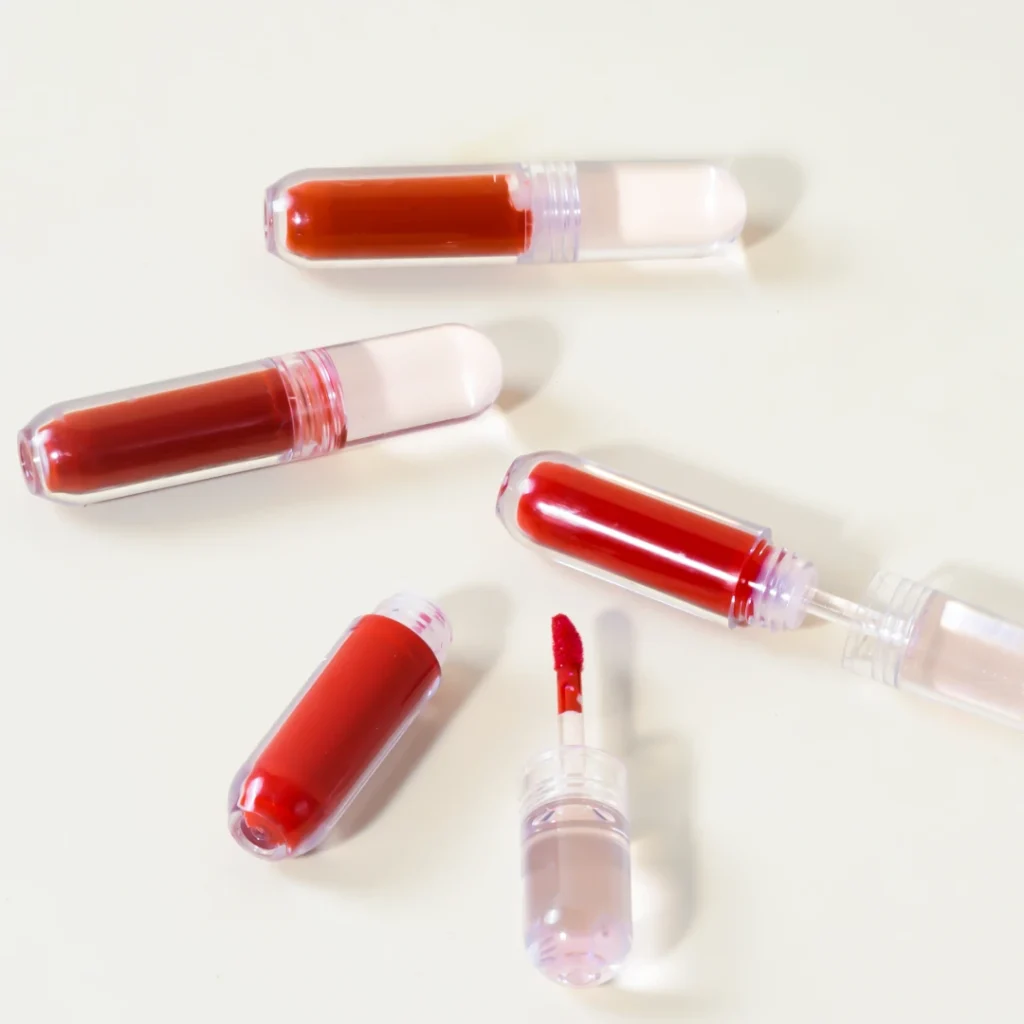
Many lip oils use plant oils rich in fatty acids, vitamins, or phytosterols. These compounds interact with skin lipids, supporting a healthier surface.
For example, argan oil carries a mix of oleic and linoleic acids that can help balance lip texture, while rosehip oil offers antioxidants that protect against oxidative stress.
Some formulas even blend oils with small amounts of plant extracts—like chamomile or calendula—which are studied for their soothing properties in topical applications.
Benefits of Using Lip Gloss
Lip gloss delivers instant surface impact. It’s all about quick shine, bold finishes, and playful combinations that can change a look in seconds.
High-Shine, Glamorous Look
Gloss reflects light to make lips appear fuller and more defined. The effect can be subtle or dramatic depending on how much product is applied.
Imagine it like polishing a smooth stone—the surface catches light from every angle. This is why gloss is a go-to for photos and events.
Because it sits on the surface, the look can be refreshed anytime. One quick swipe and the gleam is back in full force.
Wide Range of Colors and Finishes
Gloss can be clear, tinted, fully pigmented, or even packed with shimmer and glitter. Different finishes change the vibe from casual to bold.
For instance, a rose-tinted gloss works well for daily wear, while a metallic gloss can become the statement piece in a night-out look.
Special formulas like holographic or pearlescent glosses also add dimension, catching different colors in shifting light.
Layering Potential with Other Lip Products
Gloss can be worn alone or combined with lipstick, lip stain, or even lip oil for extra comfort. The layering changes both texture and finish.
A matte lipstick topped with gloss gains depth and shine, while a lip stain under gloss gives color longevity with added luminosity.
This flexibility makes gloss a reliable “finisher” in both minimal and full makeup routines.
Comparing Lip Oil and Lip Gloss for Different Lip Concerns
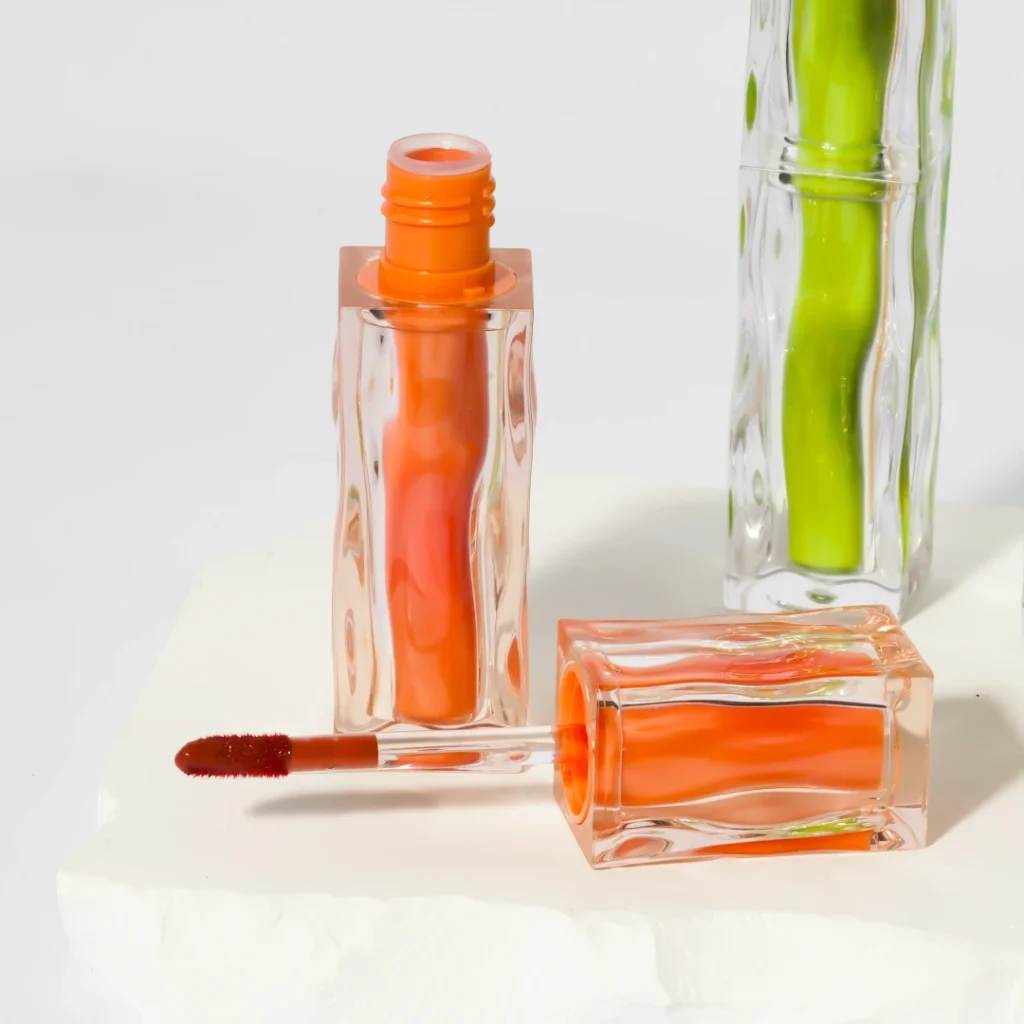
Choosing between lip oil and lip gloss depends on what your lips need most. Texture, finish, and staying power all play a role in making the right pick.
For Dry and Chapped Lips
Lip oil usually works better here because its formula often contains plant-based oils that help keep moisture in. It sinks into the skin’s top layers instead of just sitting on top.
For example, someone working in a dry office might swipe on a sheer lip oil mid-morning and notice less tightness by lunch. It’s more like wearing a light skincare layer.
Lip gloss, on the other hand, creates a seal but doesn’t always fix dryness. It can make flakes more visible unless paired with a balm underneath.
For Adding Volume and Dimension
If the goal is to make lips look fuller, gloss often wins. Its reflective surface bends light to create the illusion of extra shape and size.
Some glosses also contain mild plumping agents that cause a slight tingle and temporary swelling effect. Lip oil rarely offers this optical boost.
Still, a tinted lip oil can give a softer, more natural version of added dimension—ideal if you don’t want high-shine drama.
For Everyday Minimalist Makeup
Lip oil blends into no-makeup makeup looks because of its sheer color and natural finish. It’s the kind of product you can apply without a mirror.
Gloss in a neutral or soft pink can also work for a minimal routine, but the shine might draw more attention than you want for a barely-there style.

In short, lip oil leans low-key and care-focused, while gloss skews toward instant style impact.
>> Why Do Girls Put On Lip Gloss? The Fun Reasons Behind
How Long Do Lip Oil and Lip Gloss Last?
The lasting power of lip oil and lip gloss isn’t just about the product itself—it’s shaped by texture, formula, and how you use them.
Wear Time and Reapplication Frequency
Lip oil tends to wear off within two to three hours, especially if you eat or drink. Its thin texture absorbs into the skin rather than sitting on top, so reapplication is usually needed more often.
Lip gloss, thanks to its thicker base, can last longer—around three to four hours—if left undisturbed. But because it sits on the surface, it can transfer easily to cups, clothes, or even hair on a windy day.
Some people keep both on hand—oil for hydration breaks, gloss for moments they want extra shine.
Factors That Affect Longevity
Eating oily foods, sipping hot drinks, and frequent lip licking all shorten wear time for both products.
Weather also plays a role: dry air may cause oil to sink in faster, while humidity can make gloss feel slippery and fade sooner.
Layering can help. A thin balm or stain under oil extends moisture, and pairing gloss with a matching lip liner can reduce smudging.
Skin Sensitivity and Safety Considerations
Not all lip oils or glosses work for everyone. Ingredients, texture, and even packaging materials can influence skin reactions, especially for people with allergies or sensitive lips.
Checking for Potential Allergens
Fragrances, certain dyes, and flavor additives are common triggers for irritation. Even natural oils like coconut or almond can cause allergic reactions in some people.
Reading the ingredient list is the first step. Look for labels that mention “hypoallergenic” or “dermatologist tested,” but don’t rely solely on marketing—patch testing is the safest bet.
If a reaction occurs—redness, swelling, or itchiness—stop use immediately. A short story from a makeup artist’s kit: she swapped a gloss after noticing a client’s lips tingle halfway through a shoot. Problem solved.

Choosing Formulas for Sensitive Skin or Lips
Opt for formulas without alcohol, harsh preservatives, or synthetic fragrances. These tend to be gentler and less drying over time.
Mineral-based pigments are often safer than certain synthetic dyes, and plant-based oils like jojoba or sunflower are less likely to cause issues.
Some brands also offer gluten-free lip products, which can matter for those with celiac disease or gluten sensitivity. In such cases, awareness is key—what goes on your lips can end up in your mouth.
Which Is Better, Lip Oil or Lip Gloss, for Different Occasions?
Choosing between lip oil and lip gloss often depends on context. The right product can enhance comfort, style, and the overall look for specific scenarios.
Office and Daytime Wear
Lip oil tends to be the better choice for office settings. Its lightweight, subtle sheen keeps lips moisturized without drawing too much attention.
Sheer lip oils pair well with minimal makeup, allowing a professional yet polished appearance. Gloss might feel too bold or sticky for long hours at a desk.
Special Events and Photoshoots
For parties, weddings, or photoshoots, lip gloss often shines brightest—literally. Its reflective surface and color options create a dramatic, high-impact finish.
Gloss can also be layered over lip stains or matte lipsticks for extra shine, making lips appear fuller and photogenic. Lip oil can be used underneath to maintain hydration.
Outdoor and Seasonal Considerations
Weather affects both products. In cold or dry climates, lip oil helps prevent cracking and retains moisture. In hot, humid conditions, gloss may need frequent touch-ups to avoid sliding or stickiness.
Layering a lip oil under gloss can provide hydration while still delivering the shine needed for summer events or outdoor photography.
>> Lip Balm vs Lip Gloss: A Quick Breakdown for Your Lips
Tips for Applying Lip Oil and Lip Gloss Like a Pro
Proper application ensures maximum comfort, shine, and longevity. Simple techniques can make both lip oil and lip gloss perform better.
Prepping the Lips for Smooth Application
Start with clean, exfoliated lips. Gently remove dead skin with a soft scrub or damp cloth to avoid patchy application.
A thin balm or lip primer can provide an even base, especially when layering lip gloss or colored oils. Prepping also reduces the risk of product pooling in fine lines.

Layering Lip Products Without Clumping
Apply thin layers and allow each to set slightly. For example, a sheer lip oil can be followed by a light gloss layer to combine hydration with shine.
Avoid overloading the lips, as too much product causes uneven texture and quick fading. Controlled layering ensures smooth coverage and a polished finish.
Maintaining Shine and Hydration Throughout the Day
Reapply strategically—after meals, drinks, or wiping. Carry a small tube or wand to refresh shine without adding bulk.
For lip oil, a quick dab keeps lips soft. For gloss, lightly blotting before reapplication prevents clumping and maintains the reflective finish.
Conclusion
Choosing between lip oil and lip gloss depends on your priorities. Lip oil hydrates and feels natural, while gloss adds shine and dimension. Consider your lip needs, occasion, and desired look to select the best option.