
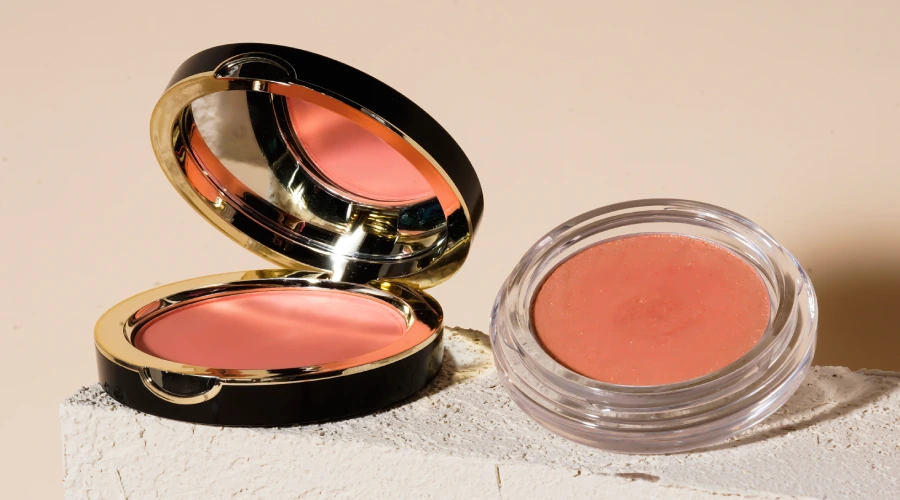
Natural makeup focuses on enhancing beauty while using gentle, skin-friendly ingredients. Unlike conventional products, it prioritizes minimal chemicals and subtle finishes. Understanding its principles helps you see why it’s favored for both skin health and everyday wear.
This approach bridges science and aesthetics, offering a balance between coverage and skin wellness. It emphasizes transparency, non-toxic components, and formulas that work with, rather than against, natural skin.
Definition and Key Characteristics of Natural Makeup
Natural makeup refers to products formulated with fewer synthetic chemicals, often derived from plant-based or mineral ingredients. These products aim for lightweight coverage and a more “skin-like” finish.
Key characteristics include gentle pigmentation, minimal additives, and a focus on enhancing rather than masking natural features. Transparency in ingredients and cruelty-free sourcing are also common traits.
Differences Between Natural and Conventional Makeup
Conventional makeup often contains synthetic preservatives, fragrances, or heavy pigments designed for dramatic coverage. These can sometimes irritate skin or clog pores.
In contrast, natural makeup uses simpler, cleaner formulas. It emphasizes blendability and skin comfort, reducing long-term stress on the skin. While conventional products may prioritize bold appearance, natural makeup balances effectiveness with skin compatibility.
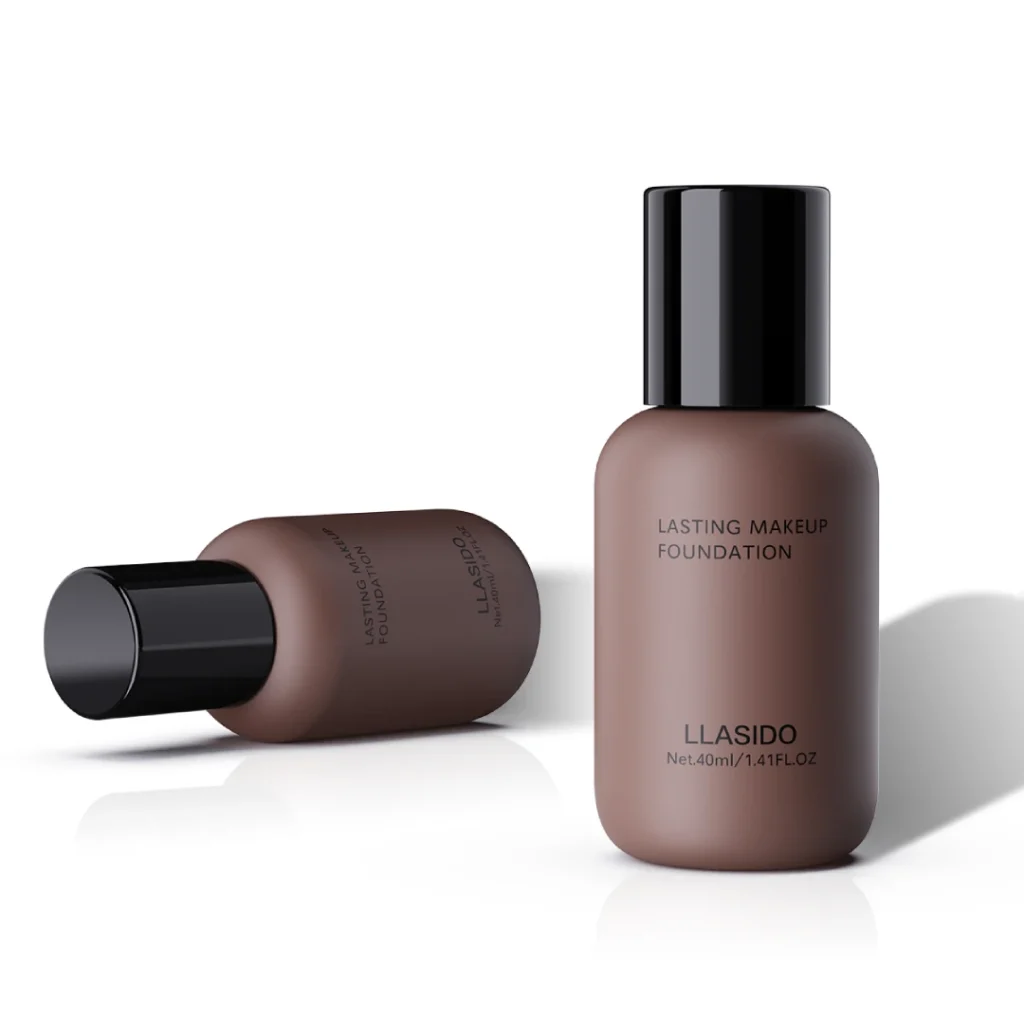
How Natural Makeup Aligns with Skin Health Principles
Natural makeup is formulated to support skin health, not compromise it. Ingredients often include vitamins, minerals, or botanical extracts that are less likely to trigger irritation or allergic reactions.
This alignment with dermatological principles ensures makeup can be worn daily without overloading the skin. It encourages a mindful approach, allowing the skin to breathe while still achieving a polished, refined look.
Health and Skin Benefits of Natural Makeup
Natural makeup not only improves appearance but also prioritizes skin well-being. Using products with gentle, non-toxic ingredients can reduce the stress that conventional cosmetics sometimes place on the skin.
Reducing Exposure to Harsh Chemicals
Conventional makeup often contains synthetic preservatives, parabens, and artificial fragrances that can irritate the skin over time. Natural makeup avoids many of these harsh chemicals, reducing potential harm.
By limiting exposure to synthetic compounds, skin-friendly makeup can minimize inflammation and protect the natural barrier of the skin. This makes it a safer choice for daily wear and sensitive skin types.
Minimizing Skin Irritation and Breakouts
Harsh chemicals in traditional makeup can clog pores or trigger allergic reactions, leading to breakouts and redness. Natural makeup uses lighter, cleaner formulations to help prevent these issues.
For those with sensitive or acne-prone skin, natural makeup reduces the likelihood of irritation while still providing coverage and a polished finish. It supports a balanced approach to cosmetic use without compromising comfort.
Supporting Long-Term Skin Health
Natural makeup often contains botanical extracts, vitamins, and minerals that can contribute positively to skin health. These ingredients are typically gentle and non-drying, supporting hydration and elasticity.
Choosing skin-friendly makeup encourages a long-term routine that maintains the skin’s natural barrier. Over time, this approach can reduce cumulative damage and promote a healthier complexion while still enhancing beauty.
Environmental and Ethical Advantages
Natural makeup not only cares for your skin but also considers environmental impact. By focusing on sustainable ingredients and responsible production, it supports eco-conscious beauty practices.
This approach connects personal care with broader environmental ethics, allowing users to make choices that are gentle on both skin and planet.
Eco-Friendly Ingredients and Packaging
Natural makeup often incorporates biodegradable, recyclable, or sustainably sourced ingredients. This reduces environmental pollution and promotes long-term resource conservation.
Packaging for skin-friendly makeup is increasingly designed to minimize plastic use and energy-intensive materials, making clean beauty choices more sustainable for everyday routines.
Cruelty-Free and Ethical Sourcing
Many natural makeup brands commit to cruelty-free testing, avoiding animal testing entirely. Ingredients are ethically sourced, ensuring fair treatment of workers and respect for biodiversity.
This ethical focus aligns with a conscientious lifestyle, allowing makeup users to enhance their appearance while supporting humane and responsible practices globally.
Reducing Carbon Footprint Through Clean Beauty
Formulating natural makeup with fewer synthetic chemicals often requires less energy-intensive production methods. This helps reduce the overall carbon footprint of cosmetics.
By choosing skin-friendly makeup made from responsibly sourced, minimally processed ingredients, consumers contribute to lower emissions and a smaller environmental impact while maintaining a polished look.
How Natural Makeup Enhances Your Appearance
Natural makeup is designed to highlight rather than mask. It works with the skin’s natural texture, allowing features to appear brighter and more youthful while maintaining a realistic, polished look.
By focusing on subtlety and skin-friendly formulations, natural makeup provides a refreshed, radiant appearance that suits everyday wear without overwhelming the face.
Promoting a Fresh and Radiant Look
Natural makeup uses gentle pigments and lightweight formulas to create a glow that feels like your own skin. Unlike heavy conventional products, it avoids cakiness or artificial finish.
This allows light to reflect naturally, making the complexion appear luminous and healthy. A fresh look achieved with natural makeup emphasizes vitality rather than covering imperfections.
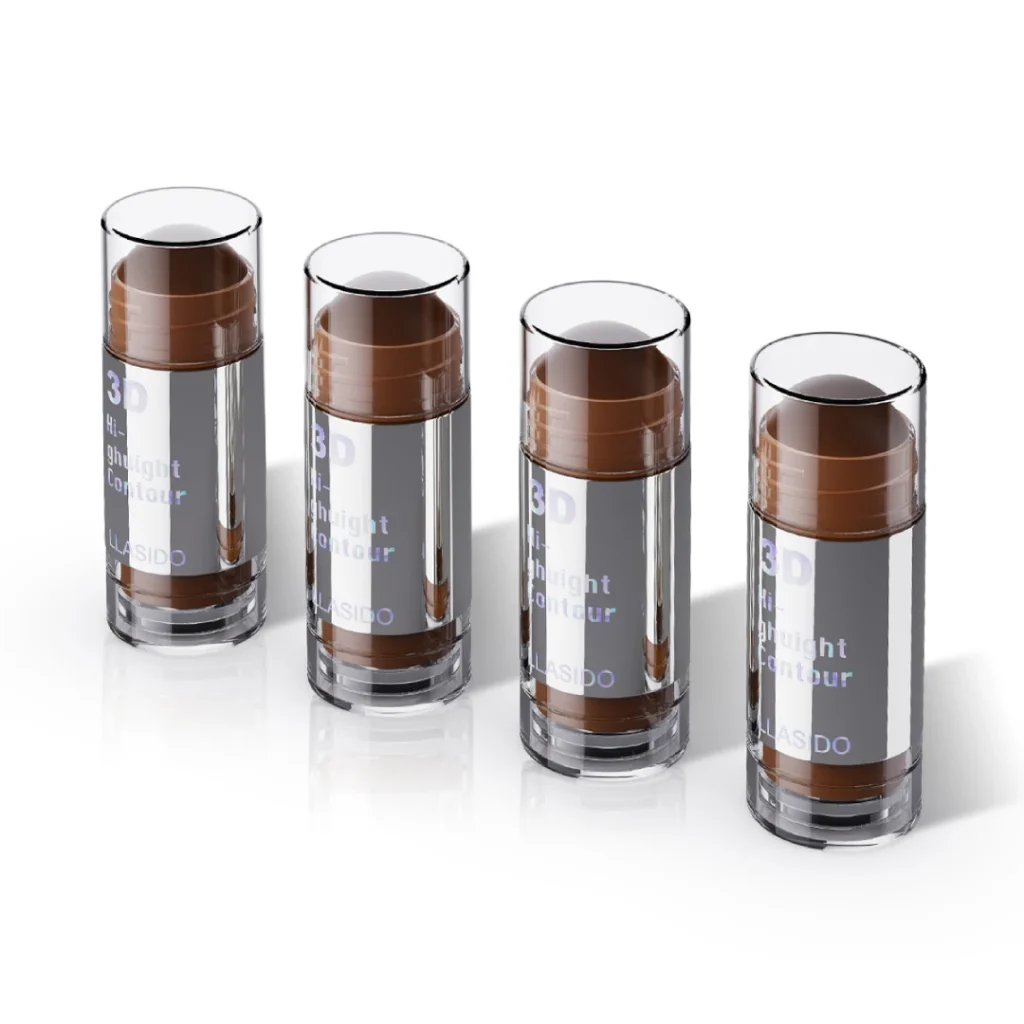
Subtle Contouring and Highlighting
Skin-friendly makeup enables soft contouring and highlighting without harsh lines or overly dramatic effects. Creams, tinted moisturizers, and light powders blend seamlessly for dimension.
Subtle shading and highlighting enhance facial features while preserving a natural aesthetic. This technique helps define cheekbones, eyes, and jawline without appearing heavy, making natural makeup ideal for all-day wear.
Complementing Natural Skin Tones
Natural makeup prioritizes shades that harmonize with your skin tone. Warm or cool undertones are respected, and formulas are chosen to enhance rather than alter the natural complexion.
By complementing skin tone, natural makeup ensures cohesion across foundation, blush, and eyeshadow, resulting in a balanced, flattering, and effortless appearance suitable for any occasion.
Psychological and Lifestyle Benefits
Natural makeup isn’t only about what you put on your skin—it’s also about how it makes you feel. The minimalist and skin-friendly approach encourages confidence, self-acceptance, and balance in daily life.
When beauty routines become simpler and more mindful, they shift from being tasks to moments of calm and self-care. Natural makeup helps foster that connection between appearance and emotional well-being.
Boosting Confidence Through Simplicity
Natural makeup focuses on enhancing your features rather than hiding them. This simplicity often builds confidence because what you see in the mirror feels real and familiar.
Many people find that by using fewer products and lighter coverage, they start appreciating their natural texture and tone. The result is a genuine self-assurance that doesn’t rely on perfection but on authenticity.
Encouraging Mindful Beauty Practices
Using natural makeup promotes mindfulness in beauty routines. Each step—choosing gentle ingredients, applying with care—becomes an intentional act rather than a rush.
This slow, conscious approach mirrors the broader movement toward mindful living. It allows individuals to connect with their bodies, value self-expression, and maintain emotional balance throughout the day.
Reducing Makeup Overload and Stress
Heavy, complex routines can often feel exhausting. Natural makeup simplifies that. With fewer layers and multi-purpose products, mornings become faster, cleaner, and less stressful.
This reduction in “makeup overload” doesn’t just save time—it lightens mental clutter too. The ease of using natural, breathable products encourages relaxation and a calmer mindset, both inside and out.
Common Misconceptions About Natural Makeup
Natural makeup has come a long way from being seen as “plain” or “ineffective.” Yet, many myths still surround it. Some people believe natural makeup can’t perform like traditional formulas, while others think it limits creativity. In truth, science and formulation advances have made natural beauty products more versatile than ever.
Natural Does Not Mean Less Effective
A common misunderstanding is that natural makeup lacks performance. Decades ago, that might have been true, when clean beauty was still new. But modern natural formulations use advanced mineral pigments, plant-based binders, and innovative stabilizers that rival synthetic ones.
In fact, research in cosmetic chemistry shows that many natural ingredients—such as mica, zinc oxide, and botanical waxes—offer strong coverage and smooth application (International Journal of Cosmetic Science, 2021). The difference lies not in effectiveness but in formulation philosophy.
Natural makeup can now deliver vibrant color payoff, long wear, and lightweight texture—all without relying on harsh preservatives or artificial dyes.
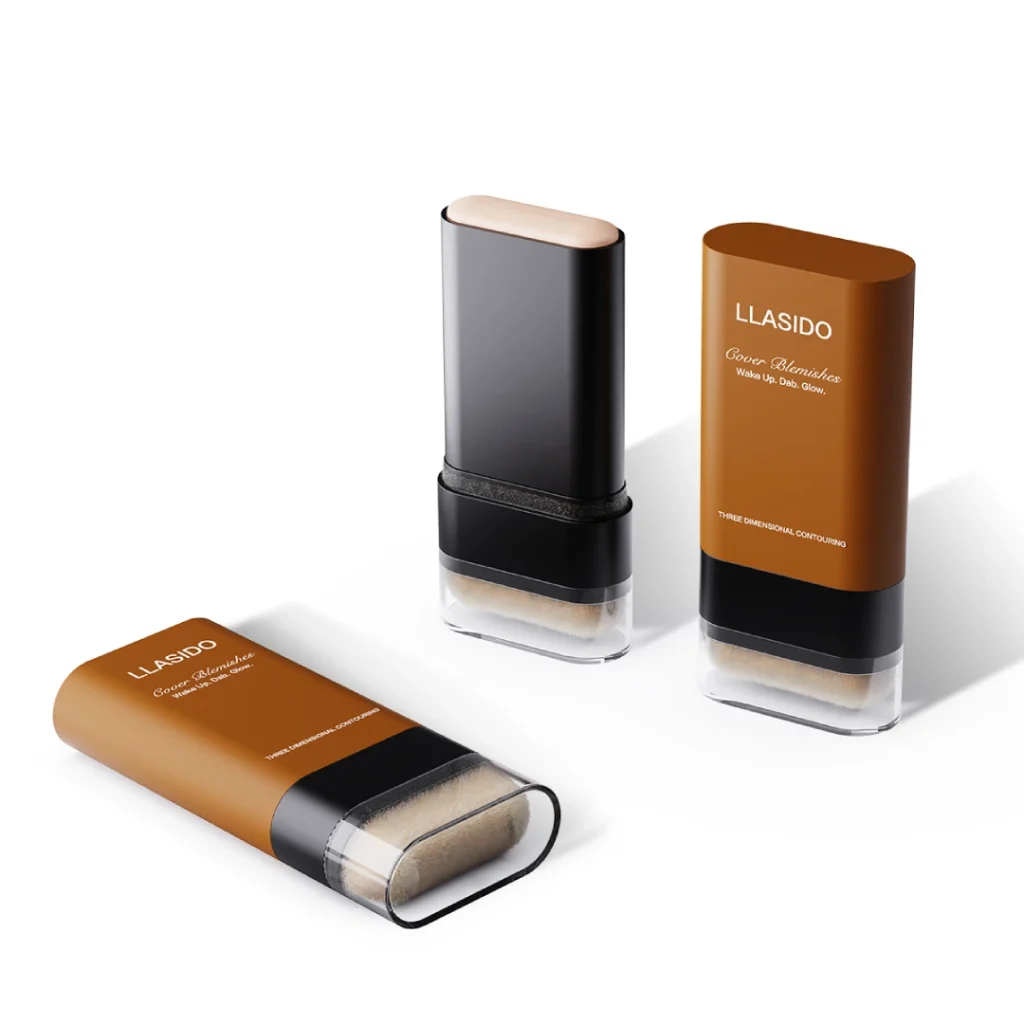
Misunderstanding Color and Coverage Options
Another myth is that natural makeup comes only in beige or muted tones. While early products were limited, today’s clean beauty ranges include every hue—from warm corals to deep berry reds—using natural pigments like iron oxides and fruit-derived colorants.
Coverage is also more flexible than people assume. Natural makeup can be sheer for a no-makeup look or layered for full coverage. The key is how it interacts with light and skin texture rather than simply masking imperfections.
Myths About Longevity and Performance
Many believe that natural products fade quickly or can’t last through long days. But that’s not necessarily true. Advances in ingredient technology—like micro-milled minerals and natural film-formers—help pigments stay put while allowing skin to breathe.
Longevity also depends on prep and technique. A well-hydrated base and a touch of translucent mineral powder can make natural makeup last as long as conventional options. And unlike heavy formulas, natural products tend to age better throughout the day, blending seamlessly instead of settling into lines.
So, the myth that “natural makeup wears off too fast” is slowly disappearing, replaced by a more accurate view: clean formulations that perform beautifully and respect the skin.
Tips for Choosing High-Quality Natural Makeup
Not all products labeled “natural” are created equal. Some rely on clever marketing rather than genuine clean formulations. Learning how to recognize real natural makeup helps protect your skin and ensures that what you use truly supports health and sustainability.
These tips can guide you through the confusing world of ingredient labels, certifications, and textures, helping you make better and more mindful beauty choices.
Reading Ingredient Labels and Certifications
Understanding ingredient lists is one of the most reliable ways to identify high-quality natural makeup. Look for recognizable plant-based names like shea butter (Butyrospermum parkii), jojoba oil (Simmondsia chinensis), or iron oxides used for pigmentation.
Avoid long, chemical-heavy names like parabens, phthalates, or synthetic fragrances, which may irritate sensitive skin. A good rule of thumb: if the first few ingredients sound like they could come from a plant or mineral, it’s probably a cleaner formula.
Certifications can also help. Labels such as USDA Organic, COSMOS, or Ecocert don’t guarantee perfection, but they do signal stricter ingredient sourcing and transparency. When in doubt, check the brand’s website for documentation or third-party verification.
Identifying Non-Toxic and Skin-Friendly Products
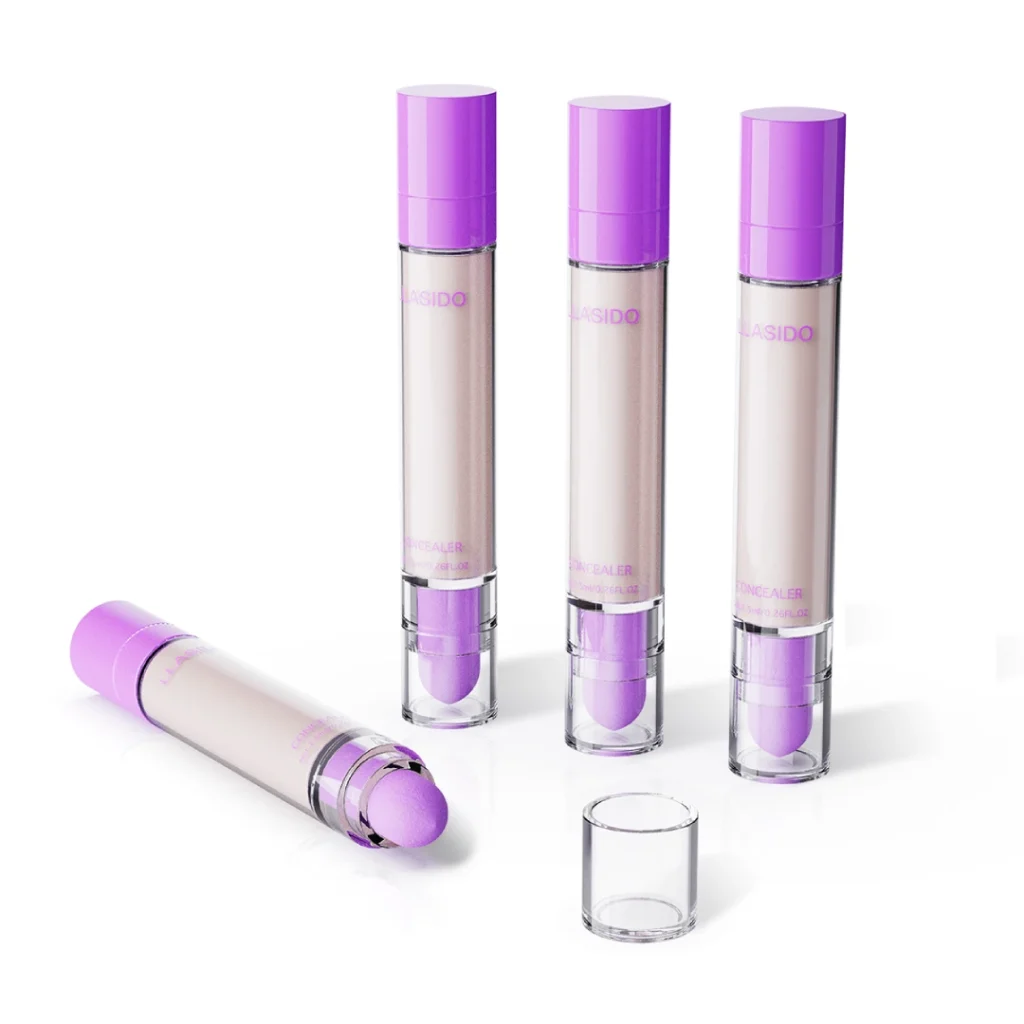
When choosing natural makeup, focus on how your skin reacts rather than just the label. For example, ingredients like aloe vera, chamomile extract, or zinc oxide are known to soothe and protect skin barriers. On the other hand, certain essential oils—while natural—can trigger irritation in sensitive users.
To test compatibility, apply a small amount to the inner wrist or jawline for 24 hours. This helps detect reactions before full application. Dermatologists often recommend this patch test method for new products (American Academy of Dermatology, 2022).
Additionally, fragrance-free formulas tend to work better for delicate or aging skin. Natural makeup should feel lightweight and comfortable, not tight or greasy after wear.
>> How to Start Using Foundation: A Complete Beginner’s Guide
Considering Texture, Pigmentation, and Application
A product’s texture often reveals its quality. Natural foundations and eyeshadows should blend smoothly without leaving chalky residue or streaks. High-quality natural pigments—like mica, titanium dioxide, and fruit extracts—create rich color without relying on artificial dyes.
Application ease is another key factor. A good natural makeup formula doesn’t require extra layers to achieve even coverage. Instead, it melts into the skin, enhancing its tone rather than masking it.
If you’re unsure, try observing how the formula behaves under natural light. True natural makeup tends to reflect light softly, giving a healthy, skin-like finish. It’s subtle but noticeable—the difference between looking “made up” and simply glowing.
Integrating Natural Makeup Into Your Routine
Switching to natural makeup doesn’t have to mean a complete overhaul of your beauty habits. It’s more about adjusting how and when you apply certain products so that your skin can breathe while still looking polished.
Natural makeup fits smoothly into daily life—it can feel effortless in the morning and restorative at night. The goal is balance: enhancing your natural features while supporting skin health with every layer you apply.
Morning and Evening Makeup Adjustments
In the morning, your skin needs protection and freshness. Start with a lightweight moisturizer or tinted sunscreen before applying foundation or BB cream made with natural minerals. These layers help the makeup sit evenly while keeping your skin hydrated.
During the day, natural formulas with botanical oils like jojoba or squalane adapt well to temperature changes. They maintain a natural glow instead of becoming cakey or greasy. If you need touch-ups, a pressed mineral powder can absorb shine without clogging pores.
Evening routines should be softer. Replace heavy foundation with a sheer tint or simply focus on enhancing key features—like a touch of natural highlighter or a moisturizing lip tint. This approach allows your skin to recover while maintaining a refined look for dinner or casual outings.
Layering Techniques for Minimalist Looks
Natural makeup thrives on the “less is more” approach. Instead of layering multiple products, focus on creating depth and tone using just a few. For example, a cream blush can double as a lip color, while a mineral bronzer can be used lightly on the eyelids for warmth.
The key is to layer gradually. Apply one thin layer at a time, blending with your fingers or a soft brush. This builds dimension without feeling heavy. It also helps prevent product buildup—a common issue with synthetic formulas that contain silicone or waxy fillers.
A minimalist routine doesn’t just simplify your morning; it also keeps your skin barrier healthier over time. The lighter the touch, the more natural and youthful the finish.
Combining Skincare With Natural Makeup
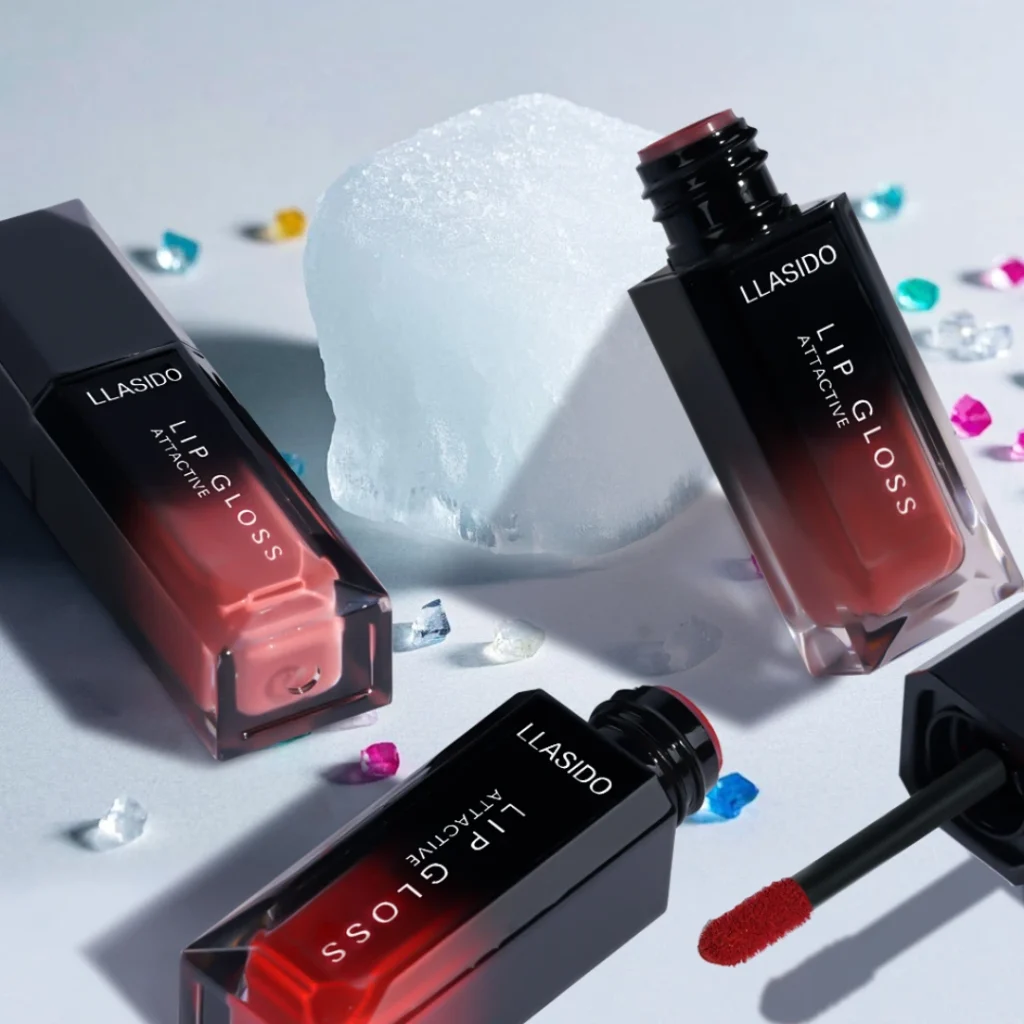
Natural makeup works best when paired with a strong skincare foundation. Because these products often contain nourishing oils and minerals, they blend seamlessly with hydrating serums and moisturizers.
Before applying makeup, ensure your skin is well-prepped. Cleansing and applying a light, non-comedogenic moisturizer helps create a smooth surface. This prevents patchiness and ensures your foundation bonds evenly.
At night, remove all makeup gently using a natural cleansing balm or micellar water. This step maintains skin clarity and prevents buildup in pores. Over time, this mindful combination of skincare and natural makeup encourages a healthier, more radiant complexion.
Natural Makeup for Different Skin Types and Ages
Every skin type reacts differently to makeup, and natural formulas are no exception. Understanding how ingredients interact with your skin’s texture, oil levels, and age helps you choose products that enhance your look without irritation.
Unlike traditional cosmetics, natural makeup focuses on balance and skin compatibility. Whether you have sensitive, oily, or mature skin, the goal is to create harmony—not mask imperfections.
Tailoring Products for Sensitive Skin
Sensitive skin often reacts to artificial dyes, fragrances, or preservatives. Natural makeup avoids most of these irritants by using plant-based pigments and gentle oils. Ingredients such as aloe vera, chamomile, and jojoba can calm redness and provide a soft finish.
If your skin is easily inflamed, choose mineral foundations or lightweight tinted balms. They allow your skin to breathe while offering light coverage. Always patch-test new products before full use, especially those with essential oils, as even natural scents can cause sensitivity.
For daily wear, less layering means less friction and fewer chances of irritation. A simple routine—hydrating base, light mineral blush, and lip tint—often feels soothing and looks naturally radiant.
Options for Oily or Combination Skin
Oily or combination skin benefits from formulas that balance moisture without adding extra shine. Natural clays, rice powder, and silica minerals can absorb oil gently while maintaining a smooth texture.
Opt for pressed or loose mineral foundations rather than heavy creams. These provide breathable coverage and help control excess sebum throughout the day. When choosing moisturizers or primers, look for lightweight, non-comedogenic oils such as squalane or grapeseed oil.
A light dusting of translucent powder on the T-zone can reduce shine while keeping the rest of the face soft and natural. Unlike silicone-heavy mattifying products, these natural alternatives won’t clog pores or cause rebound oiliness.
Makeup Considerations for Mature Skin
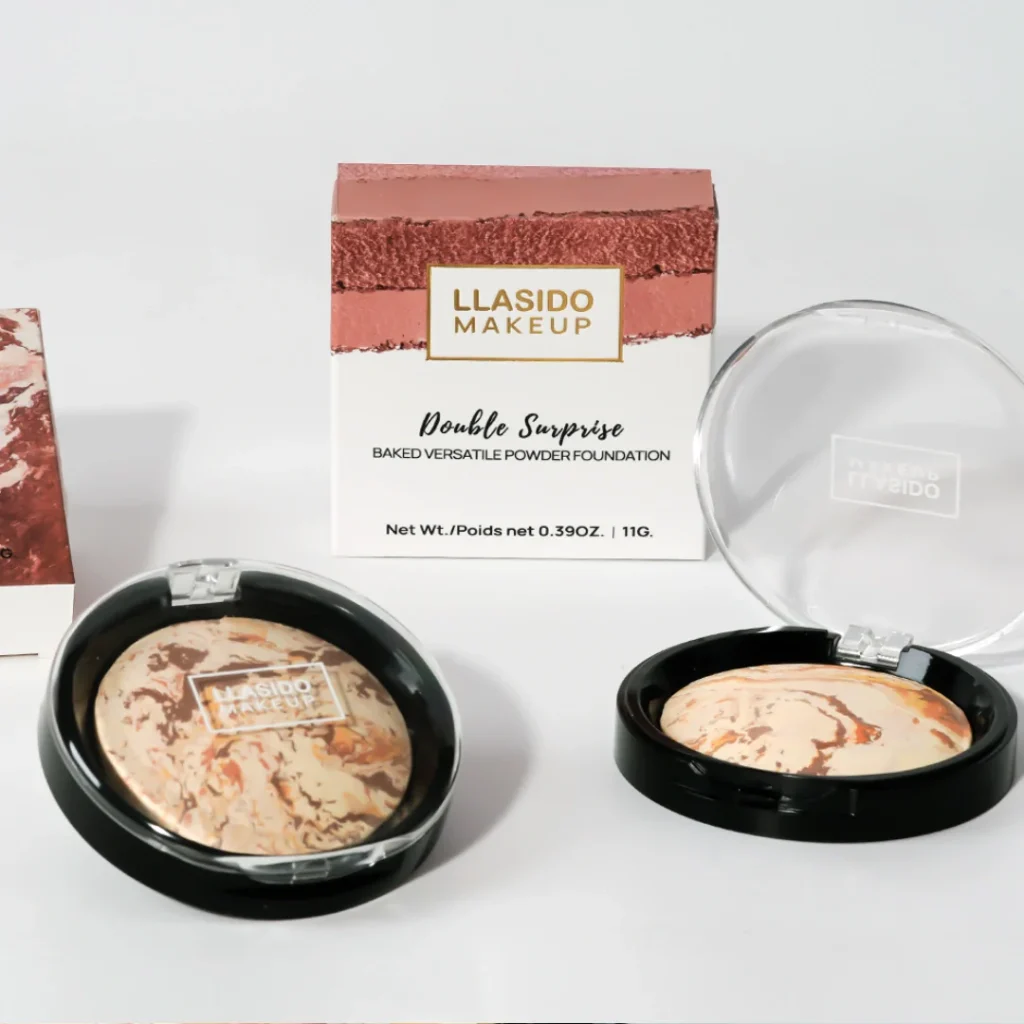
As skin ages, it tends to lose elasticity and moisture. Natural makeup with hydrating ingredients—like shea butter or botanical oils—can help restore a soft, dewy finish without settling into fine lines.
Cream-based blushes and eyeshadows often work better than powders for mature skin because they blend easily and create a smoother surface. Avoid overly matte or dry finishes, as they can emphasize texture and wrinkles.
When applying foundation, less is more. Use a damp sponge or fingertips to press the product into the skin, focusing only on areas that need coverage. A touch of natural highlighter on the cheekbones or temples can bring back luminosity and dimension.
Conclusion
In the end, natural makeup is more than a beauty choice—it’s a mindful approach to caring for your skin and the planet. With cleaner ingredients, gentle formulas, and skin-compatible textures, it enhances natural radiance while supporting long-term health and confidence.
>> Choosing the Right Makeup for Your Skin: Flawless Application