
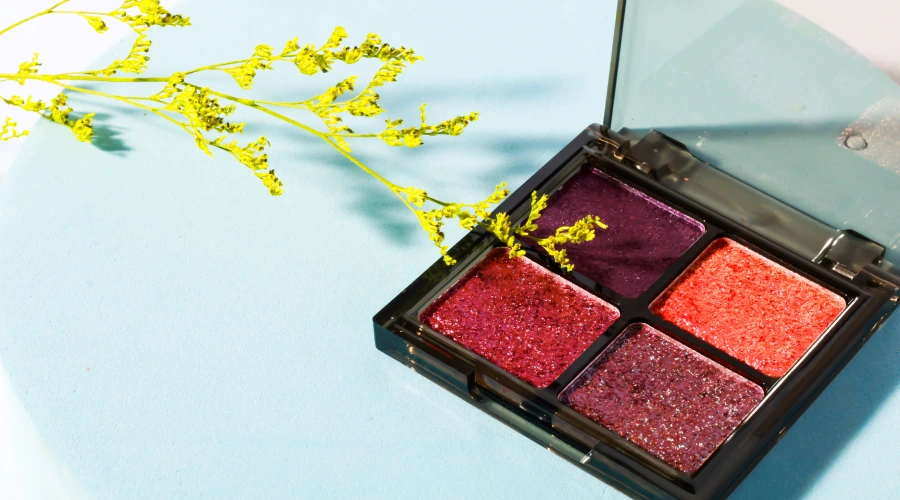
Aging eyes undergo subtle yet noticeable changes that affect how makeup appears. Eyelids may sag slightly, skin can become thinner, and fine lines or creases can alter how eyeshadow lays.
Common Changes in Aging Eyes
As we age, the eyelids may lose elasticity and volume. This can lead to hooded lids, deeper crease lines, and slight puffiness. These changes affect how eyeshadow appears and can make certain colors or textures settle into lines.
Additionally, the skin around the eyes tends to thin, making veins and discoloration more noticeable. Aging eye makeup must account for these shifts to maintain a soft, youthful effect and prevent makeup from emphasizing imperfections.
How Eyeshadow Interacts with Mature Skin
Eyeshadow interacts differently with mature skin compared to younger skin. Powder formulas can sometimes appear dry, while cream or blendable textures conform to the natural contours of the eyelid.
Light-reflecting or satin finishes tend to soften fine lines, whereas heavy or overly shimmery pigments can exaggerate creases. Understanding these interactions helps in choosing the right aging eye makeup for a smooth and radiant appearance.

Avoiding Products That Settle or Crease
Certain eyeshadows, especially highly pigmented or dry powders, can settle into fine lines and create an aged effect. Avoiding these formulations is crucial for mature eyelids.
Using primers or hydrating bases can reduce creasing and improve adherence. Applying light layers and blending strategically ensures aging eye makeup remains even, soft, and flattering throughout the day.
Key Eyeshadow Formulations for Mature Eyes
Choosing the right eyeshadow formulation is essential for aging eye makeup. Different textures and finishes interact with mature skin differently, affecting smoothness, blendability, and wear throughout the day.
Creamy or blendable formulas often adapt better to fine lines, while powders may require careful layering. Understanding these options helps maintain a polished, youthful appearance for mature eyes.
Cream vs. Powder Eyeshadow
Cream eyeshadows are ideal for mature eyes because they glide smoothly and blend easily, reducing the chance of settling into fine lines. Their soft texture allows for natural, buildable coverage.
Powder eyeshadows can work if applied lightly and blended thoroughly. Using a soft brush or finger application helps avoid harsh edges, ensuring makeup for mature eyes appears even and flattering.
Long-Wear and Blendable Formulas
Long-wear eyeshadows maintain color without creasing, which is crucial for aging eye makeup. Blendable formulations allow for soft transitions between shades and prevent harsh lines that emphasize wrinkles.
These products often contain hydrating or silky binders that improve adhesion and comfort. Selecting long-wear, blendable eyeshadow ensures color stays smooth and radiant throughout the day.
Hydrating and Smooth-Texture Options
Hydrating eyeshadows help prevent dryness, which can accentuate texture and fine lines. Smooth, creamy textures conform to the eyelid’s contours, creating a lifted and youthful appearance.
Look for formulations with lightweight oils or emollients that nourish skin while providing even pigment. Incorporating these products into aging eye makeup routines keeps eyes looking fresh, soft, and well-defined.

Best Colors to Enhance and Brighten Aging Eyes
Choosing the right eyeshadow color is crucial for aging eye makeup. Colors can either enhance brightness and youthfulness or emphasize tiredness and fine lines. Selecting tones that complement mature skin helps lift and refresh the eyes naturally.
Soft, well-blended shades prevent harsh contrasts, making the eyes appear larger and more awake. Thoughtful color selection ensures that makeup for mature eyes looks elegant, subtle, and flattering for everyday wear.
>> Powder vs. Baked Eyeshadow: What’s the Difference
Neutral and Soft Tones
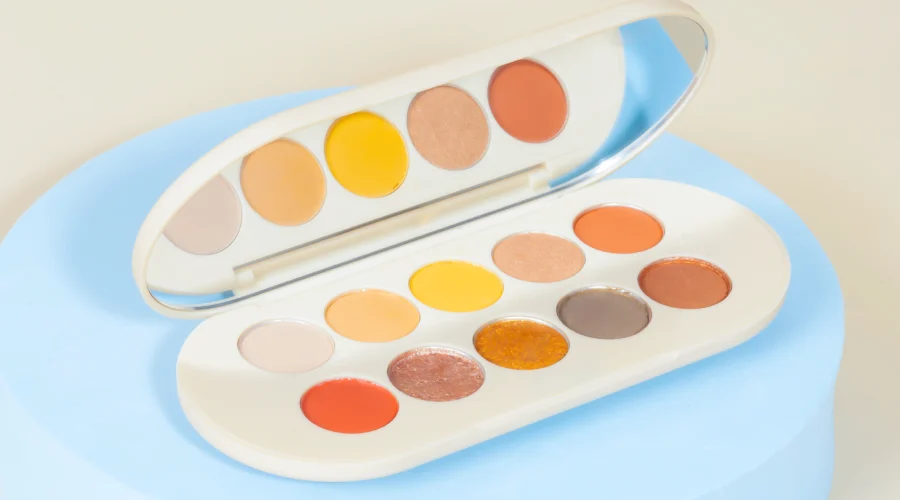
Neutral shades like taupe, soft browns, and warm beige are ideal for mature eyes. These colors blend seamlessly with the natural eyelid, creating a smooth base without emphasizing texture or fine lines.
Soft tones also provide versatility, allowing layering with other colors for subtle depth. Incorporating neutral shades into aging eye makeup routines enhances definition while maintaining a natural, youthful appearance.
Avoiding Harsh or Dark Colors
Dark or highly contrasting eyeshadows can accentuate wrinkles, hooded lids, and under-eye shadows. Using overly intense pigments may unintentionally age the eyes rather than enhance them.
Instead, focusing on moderate, well-blended colors softens the eye area. Makeup for mature eyes should prioritize shades that brighten and lift, avoiding heavy or harsh hues that draw attention to lines.
Using Lighter Shades to Lift and Open the Eye
Light, reflective shades such as champagne, soft peach, or pale pink can visually lift and open the eyes. Applying these strategically on the inner corner or brow bone enhances brightness.
These lighter shades can be layered with mid-tones to create natural depth. In aging eye makeup, this technique helps the eyes appear more awake, youthful, and balanced, without looking overdone.
Techniques to Apply Eyeshadow on Aging Eyes
Proper application techniques are just as important as product choice for aging eye makeup. Correct layering, blending, and highlighting can enhance the eyes while minimizing the appearance of fine lines and creases.
Layering and Blending Strategically
Layering eyeshadow in thin, buildable amounts allows better control over color intensity. Heavy, single-layer application can settle into lines and appear patchy on mature eyelids.
Blending is essential to soften transitions between shades. Using a light hand with a fluffy brush ensures that aging eye makeup looks seamless, natural, and youthful rather than harsh or overdone.

Highlighting Key Areas
Strategic highlighting enhances the eyes and adds brightness. Placing lighter shades on the inner corners, brow bone, or center of the lid can lift drooping lids and open the eyes visually.
Avoid applying highlight directly over deep creases, as it can exaggerate texture. Makeup for mature eyes works best when reflective areas are subtle, creating a natural glow that complements the overall look.
Creating Depth Without Emphasizing Lines
Depth can be created using mid-tone shades along the crease or outer lid, but care must be taken not to darken fine lines. Soft, blended application prevents harsh shadows that age the eyes.
Using angled brushes or fingers to gently smudge mid-tones ensures a natural gradient. Aging eye makeup that balances depth and softness enhances definition while keeping the eyes looking fresh and youthful.
Eyeshadow Finishes and Their Effects
The finish of eyeshadow greatly influences how mature eyes appear. Different textures—matte, satin, or shimmer—interact with fine lines, skin texture, and natural eye contours in unique ways.
Matte vs. Satin vs. Shimmer
Matte eyeshadows provide a smooth, even base but can appear flat if overused. For mature eyes, soft matte shades are best when blended carefully into the crease and lid.
Satin finishes add a gentle glow without highlighting texture, making them ideal for creating depth and dimension. Shimmer can work if subtle, but heavy shimmer tends to accentuate lines, so it should be applied sparingly.
Light-Reflecting Finishes for Radiance
Soft, light-reflecting finishes like satin or pearl can brighten and lift aging eyes. Applying these strategically on the inner corner or center of the lid creates a youthful, awake appearance.
These finishes diffuse light, minimizing the visibility of fine lines and wrinkles. Incorporating reflective shades into makeup for mature eyes adds subtle radiance without overdoing sparkle.
Avoiding Excessive Glitter or Frost
Heavy glitter or frosted shadows can emphasize texture and deepen the look of fine lines. For aging eye makeup, too much sparkle draws attention to wrinkles rather than enhancing youthfulness.
Instead, focus on soft, finely milled pigments that catch light naturally. This approach ensures eyeshadow enhances the eyes, keeping mature eyelids smooth, polished, and naturally radiant.
Complementary Eye Makeup for a Youthful Look
Aging eye makeup isn’t just about eyeshadow. Eyeliner, mascara, and brow shaping all play a crucial role in framing the eyes, enhancing youthfulness, and maintaining a balanced, polished appearance.
Proper complementary techniques help mature eyes appear lifted, open, and bright, supporting the effects of carefully chosen eyeshadow colors and finishes.
Eyeliner Techniques for Aging Eyes
For mature eyes, eyeliner should define without harshness. Softly smudged pencil liners along the lash line create subtle depth without emphasizing wrinkles or drooping lids.
Avoid thick, heavy lines that can shrink the eye visually. Instead, using a thin line close to the lashes or tightlining the upper lid enhances definition and makes eyes appear larger and more awake.
Mascara Tips to Open the Eye
Mascara is essential for creating lift and framing aging eyes. Applying lengthening formulas to upper lashes and focusing on the outer corners helps open the eyes naturally.
Avoid clumpy or overly heavy mascara, which can weigh down lashes and emphasize droopiness. Light, precise application in layers enhances eye shape while maintaining a youthful, wide-eyed look.
Brow Shaping and Its Impact on Eye Makeup
Well-groomed brows frame the eyes and significantly influence the overall appearance of aging eye makeup. Slightly lifted brows can counteract drooping lids and create a more youthful silhouette.
Fill in sparse areas with soft, natural strokes to enhance shape without harsh lines. Balanced brow shaping complements eyeshadow and eyeliner, ensuring the entire eye area appears polished and refreshed.
>> What Type of Eyeshadow Is Best for Mature Eyes?
Seasonal and Occasion-Based Eyeshadow Choices
Eyeshadow choices can be adapted to seasons and occasions to maintain a youthful, polished appearance. Mature eyes benefit from strategic color selection and finishes that complement both lighting and skin tone changes throughout the year.
Adjusting eyeshadow for different occasions ensures aging eye makeup remains fresh, flattering, and appropriate whether for daily wear or special events.
Daytime Natural Looks
For daytime looks, soft neutrals, light browns, and gentle taupes are ideal. These shades provide definition without being heavy, keeping makeup for mature eyes subtle and bright.
Blending lightly and avoiding intense shimmer ensures a natural, lifted appearance. A minimal approach during the day prevents eyes from looking overdone while maintaining elegance and refinement.
Evening or Special Event Enhancements
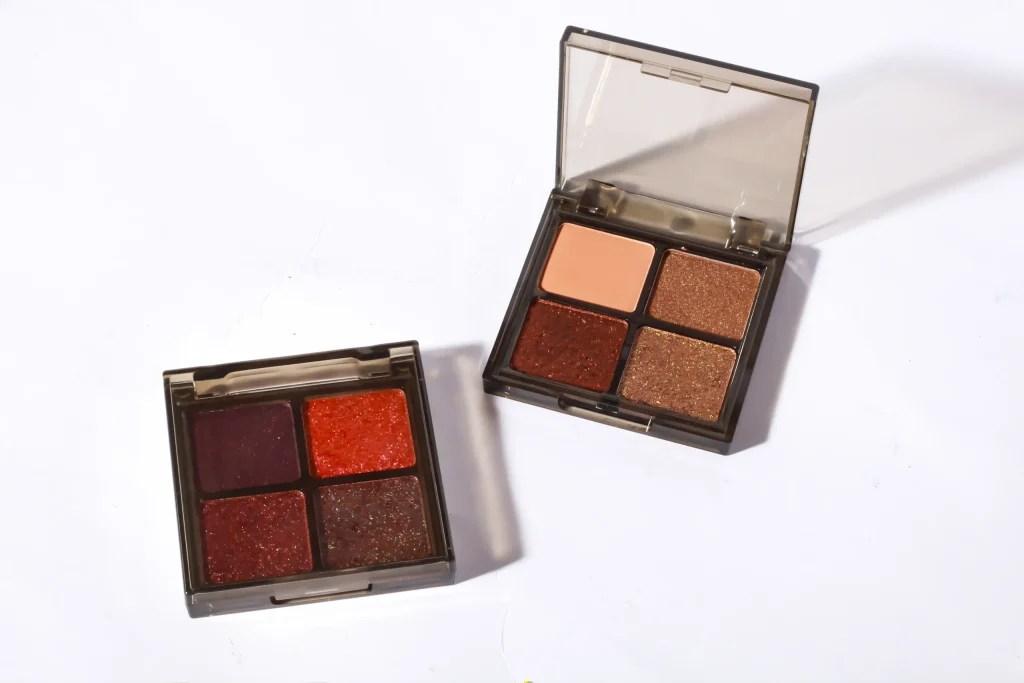
Evening or formal events allow for richer tones like deep plums, warm bronzes, or muted metallics. These shades can create depth and sophistication when applied thoughtfully for aging eye makeup.
Layering these colors with soft neutrals on the lid or crease ensures the eyes remain open and youthful. Proper blending avoids harsh lines and highlights natural contours for a polished, mature-friendly look.
Adapting Colors to Skin Tone Changes
Skin tone may shift slightly with seasonal changes or sun exposure, which affects how eyeshadow appears. Adjusting shades ensures that aging eye makeup continues to complement natural coloring.
Warm tones may suit summer or tanned skin, while cooler neutrals can work in winter months. Thoughtful selection keeps eyeshadow flattering and avoids unintentional dulling of mature eyes.
Common Mistakes to Avoid with Mature Eyes
Even with the best products, certain application habits can unintentionally age the eyes. Recognizing common mistakes is key to achieving polished, youthful aging eye makeup that enhances rather than emphasizes lines or texture.
Avoiding these pitfalls ensures that mature eyes appear bright, lifted, and fresh while allowing eyeshadow to complement the natural contours and features.
Overly Dark or Heavy Eyeshadow
Applying dark or heavy eyeshadow can make the eyelids appear smaller and draw attention to fine lines or sagging. For mature eyes, this approach can unintentionally age the overall look.
Instead, use medium tones to define and soft shades to highlight. Layer gradually and blend carefully to maintain a youthful, open-eyed effect while still adding depth and dimension.
Excessive Glitter or Shimmer
While shimmer can brighten the eyes, too much glitter or frosted texture can exaggerate wrinkles and skin texture. Heavy sparkles often settle into lines, making aging eye makeup look harsh.
Opt for subtle reflective finishes and apply shimmer sparingly. Concentrate on inner corners or lightly over the lid for a soft glow that lifts and refreshes without emphasizing imperfections.
Applying Eyeshadow Without Proper Base
Skipping an eye primer or hydrating base can cause pigment to crease, fade, or settle unevenly on mature eyelids. This can make lines more noticeable and compromise the longevity of aging eye makeup.
A thin, nourishing base ensures smoother application, even blending, and enhanced color payoff. Primer also helps powder or cream shadows adhere better, keeping mature eyeshadow soft, polished, and long-lasting.
Tips for Maintaining Healthy Eyelids and Skin
Maintaining healthy skin around the eyes is crucial for successful aging eye makeup. Hydrated, well-cared-for eyelids allow eyeshadow to apply smoothly and look fresh, while reducing the appearance of fine lines and creases.
Importance of Hydration and Primer
Hydration is key for mature eyelids, which often become drier with age. Using a lightweight eye cream or serum keeps skin supple, preventing eyeshadow from clinging to fine lines.
A primer adds a smooth base, enhancing color payoff and longevity. In aging eye makeup, combining hydration with primer ensures soft, even application and reduces settling into creases.
Removing Makeup Gently
Removing eyeshadow and liner carefully prevents tugging or irritation, which can accelerate aging signs around the eyes. Using gentle, oil-free removers or micellar water is recommended.
Patting the area instead of rubbing preserves delicate skin and maintains eyelid elasticity. Consistent, gentle removal supports long-term skin health and keeps aging eye makeup looking flawless.
Choosing Skin-Friendly Formulas
Formulas labeled as non-irritating, hypoallergenic, or enriched with nourishing ingredients are ideal for mature eyes. These products minimize the risk of inflammation and dryness.
Selecting skin-friendly eyeshadows allows aging eye makeup to look vibrant and polished while maintaining the integrity of delicate eyelid skin. Soft textures and gentle pigments reduce stress on the eye area.
Conclusion
Choosing the right eyeshadow for aging eyes involves selecting suitable formulations, colors, and finishes while applying techniques that enhance natural contours. Soft neutrals, blendable creams, and subtle shimmer help lift and brighten mature eyes.
Pairing these choices with complementary eyeliner, mascara, and brow shaping ensures a polished, youthful look. Prioritizing skin-friendly products, hydration, and gentle application maintains eyelid health and allows aging eye makeup to look flawless and radiant.