
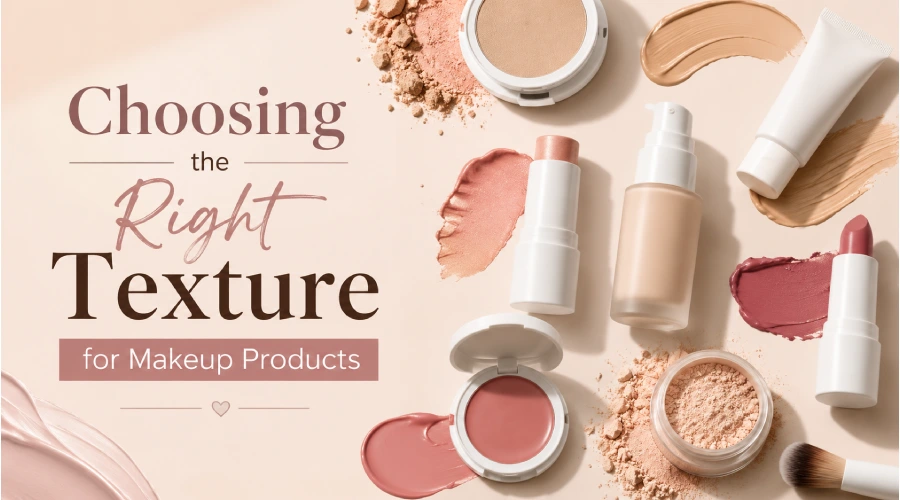
Texture is one of the first things users notice after opening a makeup product. It affects how the formula spreads, feels on the skin, and stays in place over time. In product development, texture is not only a sensory feature. It is also linked to formula design, packaging, and expected performance.
The Short Answer: Texture Influences Performance More Than Most Ingredients
In most makeup products, texture has a direct impact on how the formula performs during use. Even when two products contain similar ingredients, they can feel and work very differently because of changes in viscosity, oil phase, powder balance, or film-forming systems.
Texture also affects how consumers judge product quality. A foundation that drags during application or a lipstick that feels too sticky may not meet user expectations, even if the active ingredients are the same. This is why texture development is a key step in cosmetic formulation, not simply a finishing detail.
How Texture Affects User Experience
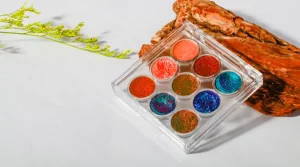
Texture shapes the user’s experience from the first swipe to the end of the day. It influences application, skin feel, surface appearance, and product wear. These factors work together and should be evaluated as a whole rather than separately.
A texture that performs well in one area may create trade-offs in another. For example, a thicker formula may improve coverage but require more blending. Product developers should balance these factors based on the product’s intended use.
Application
Application describes how easily a product spreads across the skin. This depends on properties such as viscosity, slip, and flow behavior. A texture that is too thin may run, while one that is too thick may drag or leave uneven coverage.
The right texture should match the application method. Liquid products often work well with brushes or sponges, while stick and cream products are commonly designed for direct application or fingertip blending.
Comfort
Comfort refers to how the product feels after application. It includes weight, tackiness, dryness, and flexibility on the skin. These properties are influenced by the balance of oils, waxes, powders, and film-forming ingredients.
Consumer preference also matters. Some users like lightweight formulas that are barely noticeable, while others prefer richer textures that give a more cushioned feel. The target user should guide texture selection.
Finish
Finish is the visual effect that remains after the product sets. Common finishes include matte, natural, satin, and radiant. Texture plays an important role because it affects how light reflects from the product surface.
A smooth texture helps create a more even finish. However, finish is not determined by texture alone. Pigments, fillers, and surface treatment of powders also influence the final appearance.
Wear Time
Wear time is the period during which a product maintains its intended appearance under normal use. Texture affects how well the formula resists movement, fading, or separation throughout the day.
Long wear does not always require a thick texture. Many modern formulas achieve good durability by combining lightweight textures with suitable film-forming ingredients and stable emulsion systems.
Texture as a Key Product Positioning Factor
Texture is often used to define the identity of a makeup product. For example, two liquid foundations may target different users because one is designed to feel light and natural, while the other focuses on fuller coverage and longer wear.
When selecting a texture, product developers should start with the intended user, product category, and expected performance. Texture should support these goals instead of following short-term market trends. This approach helps create products with clearer positioning and more consistent user experience.
How to Choose the Right Makeup Texture: A Decision Framework
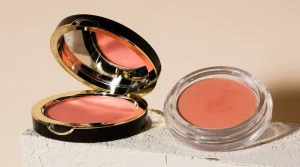
Choosing a makeup texture should follow a clear process instead of personal preference alone. The right choice depends on how the product will be used, who will use it, and how it will be manufactured. The framework below helps reduce trial and error during product development.
Step 1. Define the Product Category
The first step is to decide what type of makeup product you are developing. Different categories have different performance needs, so they also require different texture characteristics.
For example, a liquid foundation should spread evenly and blend without streaks. In contrast, a brow pomade needs a firmer texture to improve control during application. A lip gloss should flow smoothly but remain stable inside the package.
Start with the product’s main purpose before discussing texture. A texture that works well for blush may not perform well in concealer or eyeshadow because each category has different expectations for coverage, precision, and wear.
Step 2. Identify the Target Consumer
Texture should match the habits and expectations of the intended user. Age, makeup routine, climate, and skill level can all influence what consumers consider comfortable and easy to use.
For example, beginners often prefer textures that blend easily and allow more working time. Experienced users may accept thicker or faster-setting formulas if they provide greater control or longer wear.
Consumer preference also varies by market. In humid regions, lightweight textures are often favored because they feel less heavy on the skin. In drier climates, users may prefer creamier textures that reduce the feeling of dryness.
Step 3. Consider the Desired Finish
The desired finish should guide texture selection from the beginning of formulation. Finish describes the final appearance of the product after it sets, such as matte, satin, natural, or radiant.
Different finishes usually require different balances of oils, powders, waxes, and film-forming ingredients. For example, a matte foundation often contains more oil-absorbing powders, while a dewy formula may include more emollients to increase surface reflection.
It is also important to remember that finish and texture are related but not identical. Two products can have a similar finish while offering very different skin feel and application experience.
Step 4. Match Texture with Skin Type
Skin type affects how a texture performs after application. A formula that works well on one skin type may behave differently on another because of differences in oil production, hydration, and skin surface condition.
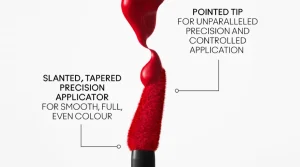
As a general guideline, lightweight liquids, gels, and soft powders are commonly chosen for oily skin because they help reduce a heavy feeling. Creams and balm-like textures are more often selected for dry skin because they provide a smoother application.
Combination skin usually requires a balanced texture that avoids excessive dryness or richness. However, skin type should be treated as one factor rather than the only decision point.
Step 5. Evaluate Packaging Compatibility
Texture and packaging should be developed together. A suitable package protects product stability while allowing consumers to dispense the formula easily and consistently.
Low-viscosity liquids are commonly filled into bottles with pumps or droppers. Thick creams often work better in jars or squeeze tubes. Stick formulas require containers that support molding and smooth product release.
Poor compatibility can create user problems even if the formula performs well. For example, a thick formula may clog a pump, while a thin liquid may leak from packaging that is not designed for low-viscosity products.
Step 6. Verify Manufacturing Feasibility
A promising texture should also be practical to manufacture at commercial scale. Laboratory samples may perform well, but production conditions can change texture consistency if the process is not properly controlled.
Factors such as mixing speed, heating temperature, cooling rate, and filling conditions can all influence the final texture. These variables should be evaluated during pilot production before full-scale manufacturing.
Stability and compatibility testing are also essential. Texture should remain consistent during storage, transportation, and normal use. Verifying these factors early helps reduce quality issues after product launch.
Common Makeup Texture Types and Their Best Applications
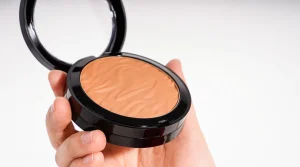
Each makeup texture has different physical properties and performance characteristics. There is no single texture that works best for every product. The right choice depends on the product category, application method, finish, and user expectations. The table below summarizes the most common makeup textures and their typical uses.
Factors That Influence Texture Selection During Product Development
Texture selection is rarely based on a single factor. During product development, formulators must balance consumer expectations, technical performance, packaging, and manufacturing requirements. A texture that performs well in the lab may still require adjustment after stability testing or market evaluation.
Considering the factors below early in development can improve formulation efficiency and product consistency.
Read More >> Vegan vs Cruelty-Free Makeup: What’s the Difference?
Skin Type
Skin type is one of the most important factors when selecting a makeup texture. Oil production, moisture level, and skin surface condition all influence how a product spreads, sets, and wears throughout the day.
As a general guideline, lightweight liquids, gels, and powders are often developed for oily skin because they leave less residue on the surface. Creams and balm-like textures are more commonly chosen for dry skin due to their richer feel. For combination skin, balanced textures that avoid excessive dryness or heaviness are usually preferred.
Climate and Market Region
Environmental conditions can change how a makeup texture performs. Temperature and humidity affect product spreadability, drying time, and wear after application.
For example, lightweight and quick-setting textures are often preferred in hot and humid regions because they reduce the feeling of heaviness. In colder or drier climates, consumers may favor richer textures that apply more smoothly. Regional preferences should be considered alongside climate, as makeup habits can differ between markets.
Coverage Requirements
The desired level of coverage has a direct impact on texture design. Products intended for sheer coverage usually require different rheological properties than those designed for full coverage.
Higher coverage often requires increased pigment loading, which can make the texture thicker and more difficult to spread. Formulators must balance pigment concentration with glide and blendability to maintain a comfortable application experience.
Long-Wear Expectations
Products designed for extended wear require textures that remain stable during daily activities. However, long wear should not be achieved simply by increasing thickness.
Instead, durability is often improved through the combination of suitable film-forming ingredients, volatile components, and balanced emulsion systems. The goal is to maintain appearance while preserving acceptable comfort during wear.
Ingredient Compatibility
Texture depends not only on individual ingredients but also on how those ingredients interact within the formula. Oils, waxes, pigments, powders, emulsifiers, and thickeners all contribute to the final texture.
Poor ingredient compatibility can lead to separation, graininess, inconsistent viscosity, or reduced stability over time. Compatibility testing is therefore an essential part of formulation development before production begins.
Packaging Format
The package should support the texture rather than limit its performance. Product viscosity and flow behavior influence how easily consumers can dispense and apply the formula.
For example, thin liquids are commonly paired with pumps or droppers, while thicker creams are better suited to squeeze tubes or jars. Stick formulations require packaging that maintains structural integrity during storage and normal use.
Regulatory and Stability Considerations
A suitable texture should remain consistent throughout the product’s intended shelf life. Stability testing helps verify that the formula maintains its appearance, viscosity, and performance under different storage conditions.
In addition, formulators should ensure that texture adjustments comply with cosmetic regulations in the target market. Ingredient restrictions, labeling requirements, and safety assessments may all influence formulation choices, especially for products sold internationally.
Read More >> How Lipstick Is Manufactured
Common Mistakes When Selecting Makeup Textures
Texture selection can affect product performance, consumer satisfaction, and manufacturing success. During development, some common mistakes can lead to formulas that look appealing at first but do not perform well in real use. Recognizing these issues early helps reduce reformulation time and improve product quality.
Prioritizing Appearance Over Performance
A texture may look attractive in a sample jar, but appearance alone does not guarantee good application or wear. Some formulas appear smooth and luxurious before use, yet drag on the skin, separate during wear, or feel uncomfortable after setting.
Product developers should evaluate texture through practical tests such as spreadability, blendability, finish, and wear time. A visually appealing texture should still meet the product’s functional requirements.
Ignoring Consumer Usage Habits
A technically advanced texture may fail if it does not match how consumers actually use makeup. Application tools, makeup skill level, and daily routines all influence whether a texture feels convenient and intuitive.
For example, a fast-setting liquid formula may work well for professional users but frustrate beginners who need more blending time. Understanding the target consumer’s habits is essential for selecting a practical texture.
Choosing Packaging Before Finalizing Texture
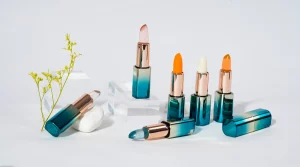
Packaging and texture should be developed together. Selecting packaging too early can create problems if the final texture has different viscosity or dispensing requirements.
A thick cream may clog a pump designed for liquids, while a thin formula may leak from packaging intended for higher viscosity products. Compatibility testing between formula and packaging should be completed before production.
Overlooking Stability and Compatibility Testing
A texture that performs well immediately after formulation may change over time. Without proper testing, issues such as separation, viscosity drift, graininess, or packaging interaction may only appear after launch.
Stability testing under different temperature and storage conditions helps confirm that the texture remains consistent throughout shelf life. Ingredient and packaging compatibility tests are also important for long-term product reliability.
Assuming One Texture Fits Every Market
Consumer preferences for makeup texture can vary by region, climate, and beauty habits. A texture that succeeds in one market may not meet expectations in another.
For instance, lightweight and quick-setting textures may be preferred in humid regions, while richer textures may be more suitable for drier climates. Product developers should consider market-specific preferences rather than assuming one texture can serve all consumers equally well.
Conclusion
Choosing the right makeup texture requires a balance between science and user expectations. The best texture is not always the newest or most popular option. It is the one that matches the product purpose, performs consistently, and meets the needs of the target consumer. A clear evaluation process helps create formulas with better usability and market suitability.
Three Principles for Texture Selection
A successful texture selection process should focus on three key principles: understanding consumer needs, balancing sensory experience with technical performance, and confirming the formula through proper testing. These steps help reduce development risks and improve product consistency.
Start with Consumer Needs
The first step is to understand who will use the product and how they will use it. Factors such as skin type, application habits, climate, and desired finish all influence the ideal texture choice.
A texture should solve a specific user need rather than simply follow market trends. For example, a product designed for quick daily application may require a different texture from a product designed for professional makeup looks.
Balance Sensory Experience with Technical Performance
Texture is closely connected to how a product feels, but sensory appeal should not replace functional performance. A formula must also provide suitable coverage, stability, application control, and wear characteristics.
During development, formulators need to find the right balance between a pleasant user experience and reliable product behavior. A comfortable texture that performs consistently is more valuable than one that only feels good at first application.
Validate Choices Through Stability and Compatibility Testing
Before production, texture decisions should be verified through testing. Stability tests, packaging compatibility checks, and performance evaluations help confirm that the formula can maintain its intended quality over time.

For private label and OEM cosmetic development, working with an experienced manufacturer can also support this process by providing professional formulation knowledge, production control, and quality testing systems. For example, Guangdong AKIA Cosmetic Co., Ltd. has more than 40 years of cosmetic manufacturing experience, with a 40,000-square-meter facility in Foshan, China, supporting flexible MOQ options and efficient production timelines for both startups and established beauty brands.
Ultimately, the right makeup texture is created by connecting consumer expectations, technical requirements, and manufacturing feasibility. A structured approach helps transform a product idea into a stable and practical cosmetic solution.